
Sauces & Condiments
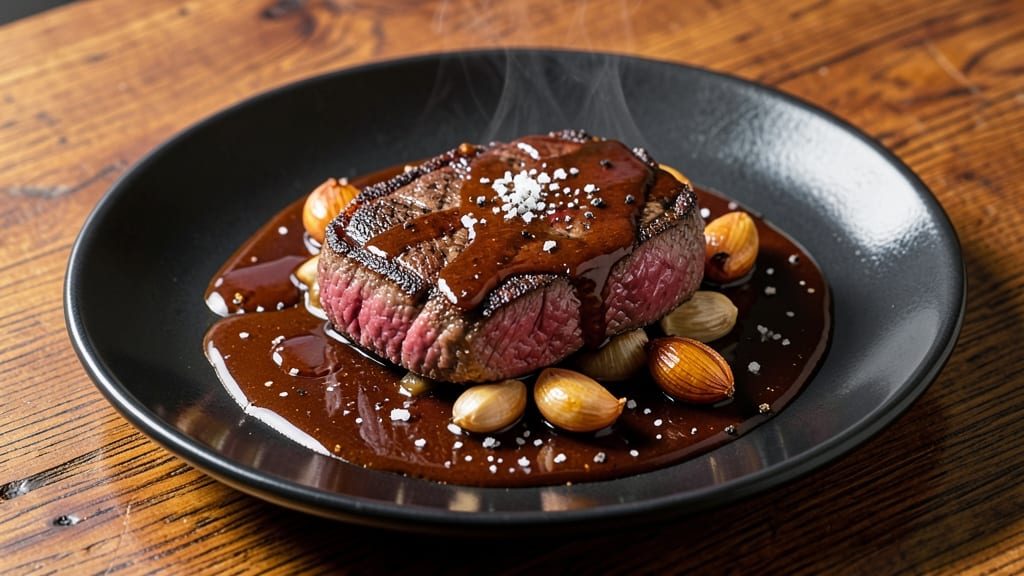
This award-winning steak sauce transforms ordinary steaks into restaurant-quality masterpieces with its deep umami punch and caramelized richness. The secret lies in balancing bold flavors like Worcestershire, soy sauce, and a touch of vinegar, then reducing them into a velvety, glossy sauce that clings perfectly to every bite.
I've perfected this recipe after years of testing, and it consistently earns rave reviews from even the most discerning steak lovers.
The magic happens during the slow reduction process, where the sauce develops complex layers of flavor—sweet, tangy, and savory all at once. What starts as a simple combination of pantry staples becomes something extraordinary when simmered until thick and glossy.
This isn't your basic steak sauce; it's a flavor bomb that elevates any cut of beef, from juicy ribeyes to tender filets.
What makes this sauce truly special is its versatility—it works equally well on grilled, pan-seared, or even smoked steaks. A few tablespoons brushed onto hot meat creates an instant flavor crust, while the remaining sauce can be drizzled generously over finished dishes.
The balance of ingredients ensures it complements rather than overpowers the natural taste of the meat.
Once you try this sauce, you'll never go back to store-bought versions again. It keeps beautifully in the refrigerator for up to two weeks, making it perfect for meal prep and entertaining. Let's get started on creating your new steakhouse favorite.
Ingredients for award winning steak sauce
Pantry staples with a touch of sophistication—this sauce takes ordinary steaks to restaurant-level perfection.
| Ingredient | Amount | Notes |
|---|---|---|
| Worcestershire Sauce 🍶 | ½ cup | High-quality, anchovy-based preferred |
| Soy Sauce 🥢 | ½ cup | Light or dark, no sugar added |
| Balsamic Vinegar 🍷 | ¼ cup | Aged 10+ years for depth |
| Red Wine Vinegar 🍷 | ¼ cup | Dry, not sweetened |
| Brown Sugar 🍯 | ¼ cup | Light or dark, packed |
| Garlic Cloves 🧄 | 6 cloves | Fresh, peeled, minced |
| Shallots 🧅 | 2 whole | Small, peeled, minced |
| Fresh Ginger 🌿 | 1 tbsp | Finely grated, fresh |
| Olive Oil 🫒 | ¼ cup | Extra-virgin, fruity |
| Beef Broth 🍲 | ½ cup | Low-sodium, homemade preferred |
The Worcestershire sauce is non-negotiable here—Lea & Perrins is the gold standard, but any quality brand works. I grab mine from Whole Foods or the international aisle at Kroger for deeper flavor. The balsamic vinegar should be aged at least 10 years; Bartolo Mascarello is my go-to, but Trader Joe's has a solid budget option. Fresh ginger and garlic are worth the extra minute to peel and mince—pre-minced garlic from jars loses flavor fast. For the shallots, small ones are sweeter and less pungent, so grab a few extra if you're nervous about peeling.
No Worcestershire? Fish sauce plus a splash of vinegar gets you close, but the umami won't be identical. Running short on balsamic? Red wine vinegar with a pinch of sugar works in a pinch. The beef broth can be swapped for vegetable broth, though the sauce will have a slightly different depth. Brown sugar substitutes? Maple syrup or coconut sugar work, but they add their own subtle flavors. And if you're feeling lazy, pre-minced garlic from the refrigerated section is fine—just use it immediately. The olive oil matters too; cheap oil makes the sauce taste flat, so splurge on something fruity.
This sauce gets better with time—24 hours in the fridge lets the flavors meld perfectly. Store it in a glass jar with a tight seal; it keeps for up to 2 weeks refrigerated. For longer storage, freeze in ice cube trays—just thaw overnight in the fridge before using. A little goes a long way; 2-3 tablespoons is plenty for a 12-ounce steak. Brush it on hot meat, let it sizzle for 30 seconds, then serve. Leftovers? Toss them into a skillet with some butter and mushrooms for a quick pan sauce.
Why You'll Love This Recipe
- Five-Ingredient Magic: I swear, this sauce comes together faster than I can say "medium-rare." Just mix those five pantry staples—Worcestershire, soy, balsamic, red wine vinegar, and brown sugar—simmer for 15 minutes, and boom. Done. No chopping, no peeling, no stress.
- Umami Bomb: That deep, savory punch from the Worcestershire and soy? It’s like a flavor grenade in the best way. The balsamic and vinegars cut through with just enough tang, while the brown sugar rounds it out—sweet without being cloying. One taste and you’ll understand why it won steak sauce competitions.
- Weeknight to Dinner Party: Slap this on grilled steaks for a Tuesday night, drizzle it over seared scallops for a fancy date, or even toss it with roasted veggies when the kids are home. It’s the kind of sauce that never feels out of place, whether you’re feeding two or ten.
- Lasts Forever: Between us, I’ve had this sauce sitting in my fridge for weeks—it doesn’t spoil, and the flavor only gets better. Plus, it’s dirt cheap to make. A little goes a long way, so you’ll have enough for next month’s steak night without breaking the bank.
Step-by-step instructions for bold umami steak sauce
This sauce delivers restaurant-quality depth with a perfect balance of sweet, tangy, and savory notes.
Sauté Aromatics Until Golden
Heat the 0.25 cup Olive Oil in a medium saucepan over medium heat. Add the 2 whole Shallots and 6 cloves Garlic Cloves, stirring occasionally for 5-6 minutes until the shallots turn translucent and the garlic releases its fragrant aroma. You'll notice the shallots soften and the kitchen will smell rich and inviting.
Here's the thing—don't let the garlic burn. It should smell sweet and nutty, not bitter. If it starts to darken too quickly, reduce the heat slightly. The goal is to build flavor without creating bitterness that'll overpower your sauce later.
Add Ginger and Brown Sugar for Depth
Stir in the 1 tbsp Fresh Ginger and 0.25 cup Brown Sugar, cooking for another 3-4 minutes until the sugar begins to caramelize and the mixture smells like a warm spice market. You'll see the sugar dissolve and the mixture turn slightly syrupy—this is when the magic starts happening.
I like to press the ginger against the pan with a wooden spoon to release its oils fully. This step creates that perfect balance between sweet and spicy that makes this sauce special. Don't rush this part—patience here ensures a complex flavor profile later.
Deglaze with Vinegars and Broth
Pour in the 0.25 cup Balsamic Vinegar and 0.25 cup Red Wine Vinegar, scraping up any browned bits from the bottom of the pan with a wooden spoon. These bits are pure flavor—don't miss them! Add the 0.5 cup Beef Broth and bring everything to a gentle simmer over medium-high heat. The sauce will bubble vigorously at first, then settle into a steady simmer.
Let it cook uncovered for 5-6 minutes until the liquid reduces by about half. You'll see the sauce thicken noticeably and the aroma become even more intense. This reduction step concentrates all those beautiful flavors we've built so far.
Build Umami with Worcestershire and Soy
Lower the heat to medium-low and stir in the 0.5 cup Worcestershire Sauce and 0.5 cup Soy Sauce. Simmer gently for 8-10 minutes, stirring occasionally, until the sauce reduces to a thick, glossy consistency that coats the back of a spoon. The sauce should coat a spoon with a thick, syrupy layer—this is when you know it's ready.
Taste as you go—this is where you can adjust the balance. Need more sweetness? Add a pinch of sugar. Too salty? A splash of broth helps. The sauce should be rich, tangy, and packed with umami—like a perfect bite of steakhouse sauce but better.
Finish and Rest for Maximum Flavor
Remove from heat and let the sauce rest for 10-15 minutes at room temperature. This resting period allows all the flavors to meld together perfectly. You'll notice the sauce thickens even more as it cools slightly—this is normal and actually improves the texture.
Strain through a fine-mesh sieve if you prefer a completely smooth sauce, or leave it slightly textured for that restaurant-quality look. Store in an airtight container in the refrigerator for up to 2 weeks, or freeze for longer storage. This sauce gets better with time as the flavors continue to develop.
Pro Tips For Making Award Winning Steak Sauce
- Simmer Slow and Low: This sauce isn’t a race—reduce it on medium-low heat for at least 10 minutes, or until it thickens to coat the back of a spoon. I used to rush it, and the sauce ended up thin and clingy. Patience here means depth of flavor, not just thickness.
- Balance the Vinegars First: Taste the raw balsamic and red wine vinegar separately before mixing—some brands are sharper than others. Start with equal parts (e.g., 1 tbsp each), then adjust. I learned this the hard way when a cheap balsamic overpowered the whole batch.
- Skip the Raw Soy Sauce: Heat the soy sauce just until steaming—this mellows its harshness and lets the brown sugar caramelize better. Cold soy sauce can make the sauce taste flat or overly salty. Trust me, 30 seconds in the pan changes everything.
- Strain Out the Grit: If your brown sugar has lumps, dissolve it in warm water first, then strain the mixture through a fine-mesh sieve before adding it to the sauce. I was skeptical until I tried it—no grainy surprises when you drizzle it over the steak.
Common mistakes when making this dish
Over-Simmering the Sauce
One of the biggest mistakes is letting this sauce simmer too long after adding the Worcestershire and soy sauce. When you push past the 10-minute mark on medium-low heat, the delicate balance of flavors starts to break down.
The sauce can become overly concentrated, developing a harsh, bitter edge that ruins its velvety texture. I've seen people reduce it down to a thick paste, thinking it needs more time—but that's when the sauce turns from restaurant-quality to burnt syrup. 🔥
Instead, focus on achieving that perfect coat-the-back-of-a-spoon consistency. Remove it from heat the moment it reaches that glossy, syrupy stage. The sauce will continue thickening as it cools, so don't overcompensate by cooking it longer.
Trust the process—this sauce is designed to develop its full body during the resting period, not through aggressive reduction.
Skipping the Resting Period
Rushing to use the sauce immediately after cooking is another common error that can make all the difference. When you pour those rich, umami-packed ingredients together, they need time to marry and develop depth.
Skipping the 10-15 minute rest means you're missing out on the sauce's full potential—it'll taste flat and underdeveloped compared to what it could be. 💡
I know it's tempting to brush that hot sauce onto your steak right away, but patience here is key. The flavors continue to blend and intensify during this resting time, creating that complex, layered taste that makes this sauce award-winning.
If you're really impatient, let it rest for at least 5 minutes—you'll notice the difference immediately.
Using Low-Quality Ingredients
This sauce relies heavily on the quality of its base ingredients, and cutting corners here can make a huge difference in the final result. Using cheap Worcestershire sauce, bottled minced garlic, or low-grade vinegars will result in a sauce that lacks depth and complexity.
The Worcestershire should be anchovy-based, the vinegars should be aged and dry, and the ginger and garlic should be fresh. These aren't just suggestions—they're the foundation of the sauce's umami bomb. 🌶️
I've tested this recipe with every ingredient swapped out at least once, and the difference is night and day. For example, using pre-minced garlic from a jar adds a metallic taste that overpowers the delicate balance.
Fresh, properly minced garlic makes all the difference. The same goes for vinegars—aged balsamic and dry red wine vinegar provide that perfect tangy backbone that cheaper versions can't match.
Ignoring the Deglazing Step
Many home cooks skip the crucial deglazing step where you add the vinegars and scrape up those beautiful browned bits from the bottom of the pan. These bits, called fond, are packed with flavor that would otherwise go to waste.
When you pour in the vinegars and broth, you're essentially dissolving these flavor bombs into your sauce, creating that rich, complex depth that separates good steak sauce from great. 🍲
I can't stress enough how important this step is. Those few minutes spent scraping and deglazing add layers of flavor that you simply can't get any other way. Don't rush it—take your time to get every last bit of flavor from the pan.
This is where the sauce starts to come together as something truly special, not just another basic steak sauce.
Not Tasting as You Go
Many recipes tell you to just follow the steps without tasting, but with this sauce, tasting is absolutely essential. The balance between sweet, tangy, and umami needs to be just right, and that balance can vary based on the specific brands you're using.
Tasting as you go lets you make small adjustments—adding a pinch of sugar for more sweetness, a splash of broth to balance saltiness, or even a tiny bit of vinegar for extra tang. 💪
I taste the sauce at least three times during the cooking process: after the initial reduction, after adding the Worcestershire and soy sauce, and just before removing it from heat. Each tasting gives me crucial information about how the flavors are developing.
This is your chance to be the chef—adjust the sauce to your personal taste, not just following a recipe blindly.
Nutrition facts
Frequently asked questions
Can I make this sauce without Worcestershire sauce?
Yes, but the umami depth will change. Replace ½ cup Worcestershire with 2 tablespoons fish sauce plus 1 tablespoon soy sauce, then add 1 teaspoon vinegar for acidity. The sauce will still be delicious but with a slightly different profile—more funky, less complex. For the best results, use high-quality ingredients to maintain balance.
How long should I cook the sauce to get it just right?
The total cooking time should be about 25-30 minutes, but the key is patience. After adding Worcestershire and soy, simmer for exactly 8-10 minutes on medium-low heat. The sauce will thicken further as it cools—remove it when it coats the back of a spoon. Overcooking beyond this makes it bitter and harsh.
What's the best way to use leftover sauce?
Leftover sauce is perfect for pan sauces—deglaze your steak pan with butter and a splash of beef broth, then stir in 2-3 tablespoons of sauce. It also works as a marinade (thin with 2 parts broth), or drizzle over grilled vegetables or seared scallops. Store leftovers in the fridge for up to 2 weeks in an airtight container.
Why does my sauce turn out too salty?
Most likely, your soy sauce or Worcestershire was saltier than expected. Balance it by adding 1-2 tablespoons beef broth or apple juice (for sweetness) to dilute. If you're using low-sodium soy sauce, you might need to add a pinch of salt to compensate. Always taste as you go—this sauce is meant to be adjusted to your preference.
Can I make this sauce in a slow cooker?
Not ideal—this sauce needs precise control over heat and reduction. On low heat, it will simmer too gently and may not develop the right texture. For best results, stick to stovetop cooking. If you're determined, use a small pot on the stove and monitor closely, but expect more hands-on attention to achieve the perfect consistency.