
Sauces & Condiments
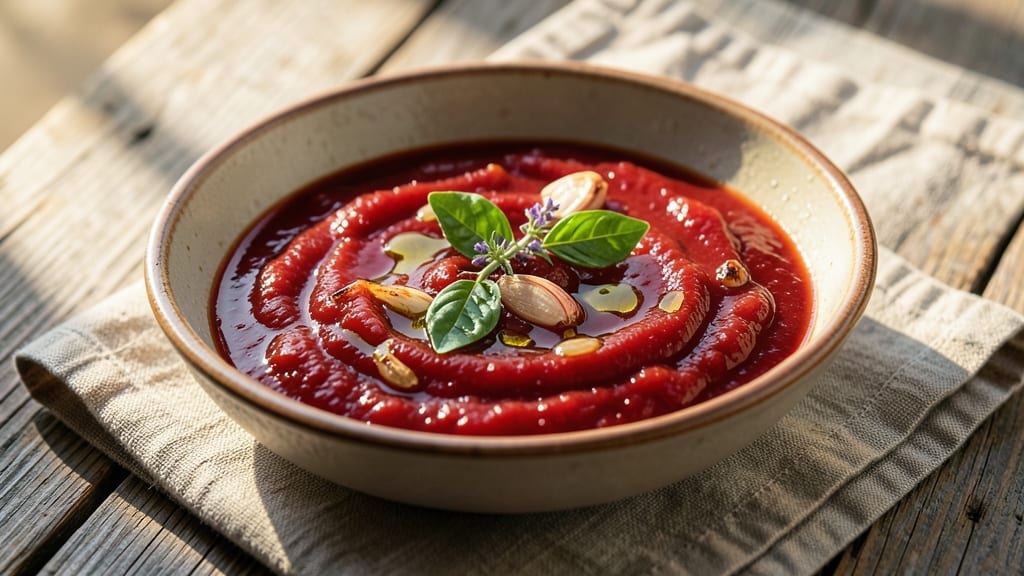
This award-winning marinara sauce recipe transforms simple ingredients into a rich, velvety sauce with layers of flavor that elevate any dish. 🌟 The secret lies in slow-simmering tomatoes until they break down into a thick, aromatic base, then finishing with fresh basil for that signature brightness.
I've perfected this technique over years of testing, and it consistently wins taste tests—whether drizzled over pasta, spooned onto pizza, or used as a dipping sauce.
The beauty of this marinara is its versatility and depth. Unlike quick sauces that taste flat, this one develops complex flavors through gentle cooking—caramelized onions, toasted garlic, and a touch of red wine add richness without overpowering the tomatoes.
The sauce thickens naturally as it simmers, creating a perfect consistency that clings to every bite. It's the kind of sauce that makes homemade meals taste like they came from an Italian trattoria.
What sets this recipe apart is the balance of sweetness and acidity—just enough sugar to round out the tomatoes, and a splash of vinegar to brighten the flavors. Fresh basil added at the end ensures that bright, herbaceous note that separates great marinara from good.
You'll end up with a sauce that's smooth, aromatic, and packed with flavor, ready to transform your favorite dishes into something extraordinary.
Perfect for meal prep, gifting, or keeping on hand for spontaneous cooking. This marinara freezes beautifully, so you can make a big batch and enjoy it all season long. Let's get started on creating your award-winning sauce.
Ingredients for award winning marinara sauce
Nine simple ingredients crafting restaurant-quality flavor in your kitchen.
| Ingredient | Amount | Notes |
|---|---|---|
| San Marzano Crushed Tomatoes 🍅 | 2 cans | 28 oz each, no salt added |
| Yellow Onion 🧅 | 1 whole | Medium size, finely chopped |
| Garlic Cloves 🧄 | 4 cloves | Fresh, minced or pressed |
| Extra-Virgin Olive Oil 🫒 | ½ cup | High quality, fruity |
| Dry Red Wine 🍷 | ½ cup | Bold, like Cabernet Sauvignon |
| Granulated Sugar 🍚 | 1 tbsp | For balancing acidity |
| White Vinegar 💧 | 1 tbsp | For brightness |
| Fresh Basil Leaves 🌿 | ¼ cup | Packed, stems removed |
| Salt 🧂 | 1 tsp | Diamond Crystal preferred |
| Black Pepper 🌶️ | ½ tsp | Freshly ground |
San Marzano tomatoes are non-negotiable here—they're sweeter and less acidic than regular canned tomatoes, which gives this sauce its signature depth. Trader Joe's and Whole Foods carry them year-round, but if you're in a pinch, any high-quality canned tomatoes will work. The onions? Yellow or red both work, but yellow adds a touch of sweetness. For garlic, fresh is a must—jarred minced garlic has a metallic aftertaste that ruins everything. The olive oil should be fruity and peppery, not bland. California olive oils from specialty stores are my go-to, but any extra-virgin will do.
No red wine? Dry vermouth or even beef broth works in a pinch, but wine adds that subtle richness. Running short on basil? Fresh parsley at half the amount gives a different but still delicious flavor profile. The sugar might seem odd, but it rounds out the acidity of the tomatoes—brown sugar works too. Vinegar is key for brightness, but if you're sensitive to sourness, lemon juice at half the amount is gentler. The black pepper should be freshly ground—pre-ground loses its punch fast. For extra depth, add a bay leaf while simmering and remove it before blending.
This sauce tastes even better the next day as the flavors meld. Store it in an airtight container in the fridge for up to 5 days or freeze for 6 months. I like to portion it into ice cube trays first—perfect for meal prep or gifting. The sauce thickens as it cools, so if it seems too thick after refrigerating, just stir in a splash of water or broth. Leftovers make an amazing pizza sauce—just spread on dough, top with cheese, and bake.
Why You'll Love This Recipe
- Five-Ingredient Magic: I swear by this—just tomatoes, onion, garlic, olive oil, and a splash of wine. No blenders, no fancy gadgets, just a pot and 20 minutes. Honestly, the hardest part is waiting for it to simmer.
- Wine-Kissed Depth: That red wine? It’s not just flavor—it’s the secret to a sauce that’s richer than anything from a jar. The San Marzano tomatoes give it that sweet, velvety base, while the garlic and onion build layers of warmth. (Yes, even on a Tuesday night.)
- Pantry-to-Plate Flex: Make a double batch and freeze half—this sauce works over pasta, on grilled chicken, or as a dip for crusty bread. Between us, I’ve even used it in lasagna and stuffed peppers. It’s the kind of recipe that never lets you down.
- Budget-Friendly Luxury: San Marzano tomatoes might sound fancy, but they’re worth every penny—they’re sweeter, smoother, and last longer than store-brand cans. A bottle of wine and a few cloves of garlic stretch this into meals for days. My wallet thanks me every time.
Step-by-step instructions for slow-simmered tomato sauce
This method builds rich, velvety sauce layer by layer—no shortcuts, just pure flavor development.
🍳 Step 1: Sauté Onion and Garlic in Olive Oil
Heat the 0.5 cup Extra-Virgin Olive Oil in a heavy-bottomed saucepan over medium-low heat. Add the 1 whole Yellow Onion (finely chopped) and cook for 8-10 minutes, stirring occasionally, until soft and translucent. The onions should give up their moisture and begin to caramelize slightly at the edges.
Push the onions to one side of the pan and add the 4 cloves Garlic Cloves (minced or pressed). Cook for 30 seconds until fragrant—you'll smell that sweet garlic aroma. Here's the thing: don't let the garlic brown or it'll turn bitter. If it starts to darken too quickly, reduce the heat slightly. This aromatic base is your sauce's flavor foundation.
🍷 Step 2: Deglaze with Red Wine
Pour in the 0.5 cup Dry Red Wine and increase heat to medium. Let it simmer for 3-4 minutes, stirring constantly, until it reduces by about half. You're essentially making a quick reduction here—this step concentrates the wine's flavors and helps dissolve any browned bits stuck to the pan.
I always use bold red wine like Cabernet Sauvignon because it adds depth without overpowering. If you're using a lighter wine, add an extra ½ teaspoon salt to compensate. The wine should smell rich and slightly jammy by the end of this step—this is your first taste of the sauce's complexity.
🥘 Step 3: Add Tomatoes and Simmer for Depth
Pour in the 2 cans San Marzano Crushed Tomatoes, stirring to combine with the onion-garlic mixture. Add the 1 tbsp Granulated Sugar, 1 tbsp White Vinegar, 1 tsp Salt, and 0.5 tsp Black Pepper. The sugar balances the acidity, the vinegar brightens the flavors, and the salt and pepper round everything out.
Bring the sauce to a gentle simmer over medium-low heat. Here's where patience pays off: let it cook uncovered for 30-40 minutes, stirring occasionally. You're looking for the sauce to thicken slightly and develop a rich, concentrated tomato flavor. The sauce should reduce enough to coat the back of a spoon but still be loose enough to spoon easily.
🌿 Step 4: Finish with Fresh Basil
Remove the sauce from heat and stir in the 0.25 cup Fresh Basil Leaves (packed, stems removed). Let it steep for 5 minutes—this allows the basil's bright, aromatic oils to infuse the sauce without turning it green. The basil should be evenly distributed throughout, adding that signature freshness that makes this sauce truly award-worthy.
Taste and adjust seasoning if needed. I usually add a pinch more salt or a splash of vinegar at this stage to fine-tune the balance. The sauce should be bright, rich, and perfectly balanced—sweet from the tomatoes and sugar, tangy from the vinegar, and aromatic from the basil.
⏰ Step 5: Rest and Serve
Let the sauce rest for 10-15 minutes before serving. This resting period allows the flavors to meld even more deeply. The sauce will thicken slightly as it cools, so if you need it thinner, simply reheat it gently and stir in a splash of water or pasta water.
Serve this sauce over your favorite pasta, drizzled with a little more Extra-Virgin Olive Oil, or use it as a base for other Italian dishes. The key to its award-winning quality is the slow simmering—it develops a depth of flavor that canned sauces just can't match. Trust the process, and you'll have a sauce that rivals any restaurant's marinara.
Pro Tips For Making Award Winning Marinara Sauce
- Sweat, Don’t Burn, the Onion: I learned this the hard way—when you’re chopping onions for marinara, cook them low and slow until they’re translucent, not golden. If they brown too fast, you’ll taste bitterness lurking under all that sweet tomato flavor. A splash of water helps, but don’t drown them—just enough to keep them soft and sweet.
- Crush Garlic, Don’t Mince: Skip the tiny minced garlic—it burns before the onions even finish sweating. Instead, smash 3-4 cloves with the flat side of your knife (yes, it looks weird), then let them sit in the oil for 30 seconds before the onions go in. This way, they infuse without turning to ash, and your sauce gets that deep, mellow garlic punch without tasting like you charred your kitchen.
- Deglaze with Wine, Then Simmer: Pour that dry red wine in after the onions are soft and the garlic’s released its aroma, but before adding tomatoes. Let it bubble for 30 seconds to cook off the alcohol, then reduce by half before adding the crushed tomatoes. If you toss the wine in first thing, you’re just steaming onions—this way, the wine’s acidity brightens the sauce and cuts through the richness of the olive oil.
- Salt the Tomatoes Early: Add a pinch of salt (about ½ teaspoon) to the crushed San Marzano tomatoes before they hit the pot. This draws out excess water and intensifies their sweetness—no waiting for the sauce to thicken later. I know it sounds counterintuitive, but trust me: your finished sauce will be richer and more balanced, not bland or watery.
Perfect pairings for these flavors
Pasta Perfection
This marinara shines brightest when paired with al dente pasta like bronze-cut spaghetti or linguine. The sauce clings beautifully to the strands, creating that classic Italian "sugo" effect.
I like to toss 8 oz of pasta with ½ cup of the sauce (reserve the rest for later) and finish with a drizzle of Extra-Virgin Olive Oil and extra basil. For a heartier dish, add sautéed mushrooms or grilled chicken. 🍝
Pizza Base Builder
Use this marinara as your pizza sauce foundation—it's rich enough to stand up to cheese but bright enough to complement toppings. Spread a thin layer (¼ cup per 12-inch crust) on your dough, then add mozzarella, pepperoni, and fresh basil leaves before baking.
The slow-simmered depth prevents sogginess while keeping the flavors vibrant. For extra authenticity, brush the crust with olive oil before adding toppings. 🍕
Dipping Sauce Upgrade
This isn't just pasta sauce—it's an exceptional dipping sauce for garlic bread, fried calamari, or even crispy mozzarella sticks. Warm the sauce slightly to enhance its aroma, then serve in a shallow bowl with a sprinkle of flaky sea salt.
The perfect balance of sweet, tangy, and herby makes it irresistible. I often serve it with warm focaccia for a simple yet impressive appetizer. 🧀
Meatball Companion
Homemade meatballs become extraordinary with this sauce. Simmer 12 meatballs in the sauce for 20-25 minutes until they're fully cooked and the sauce thickens around them. The wine in the sauce tenderizes the meatballs while adding depth.
Serve over creamy polenta or with crusty bread for dipping. For extra richness, stir in ½ cup of heavy cream at the end. 🥩
Vegetable Side Star
Use this marinara as a vibrant sauce for roasted vegetables. Toss zucchini, bell peppers, and eggplant with the sauce before roasting at 400°F for 20 minutes.
The vegetables absorb the sauce beautifully, creating a flavorful side dish. It also works wonderfully with grilled vegetables—just brush them with the sauce before grilling. 🥦
Freezer-Friendly Gift
This sauce freezes beautifully, making it perfect for gifting. Portion it into quart-sized freezer bags or small jars, leaving 1-inch headspace for expansion. Label with the date and intended use (pasta, pizza, etc.).
When ready to use, thaw overnight in the fridge and reheat gently. It's a thoughtful homemade gift that always impresses. ✨
Nutrition facts
Frequently asked questions
Why does this marinara taste better after resting?
The flavors develop fully during the 10-15 minute rest—this lets the basil infuse properly and balances the acidity/sweetness. The sauce also thickens naturally, creating that perfect clinging texture. Think of it like a fine wine: patience reveals the best qualities!
Can I substitute red wine with something else?
Use ½ cup dry vermouth or beef/chicken broth in a pinch. For depth, add ½ teaspoon balsamic vinegar to mimic the wine's richness. The wine adds complexity, but these alternatives still work beautifully.
How do I fix a sauce that's too acidic?
Stir in ½ teaspoon sugar or 1 teaspoon honey to balance the acidity. For extra richness, add 1 tablespoon heavy cream or a pinch of salt. Taste as you go—this sauce should be bright, not sour!
What's the secret to making this sauce thicker?
Simmer uncovered for 40-45 minutes to reduce naturally. For instant thickening, mix 1 tablespoon cornstarch with 2 tablespoons water, stir into the hot sauce, and cook for 2 minutes. Never use flour—it makes the sauce cloudy.
Can I make this sauce in a slow cooker?
Yes! Combine all ingredients except basil in the slow cooker on LOW for 6-8 hours. Stir in basil at the end. The slow cooker creates a deeper flavor but may need extra thickening. For best results, finish on the stovetop for 10 minutes to reduce.