
Sauces & Condiments
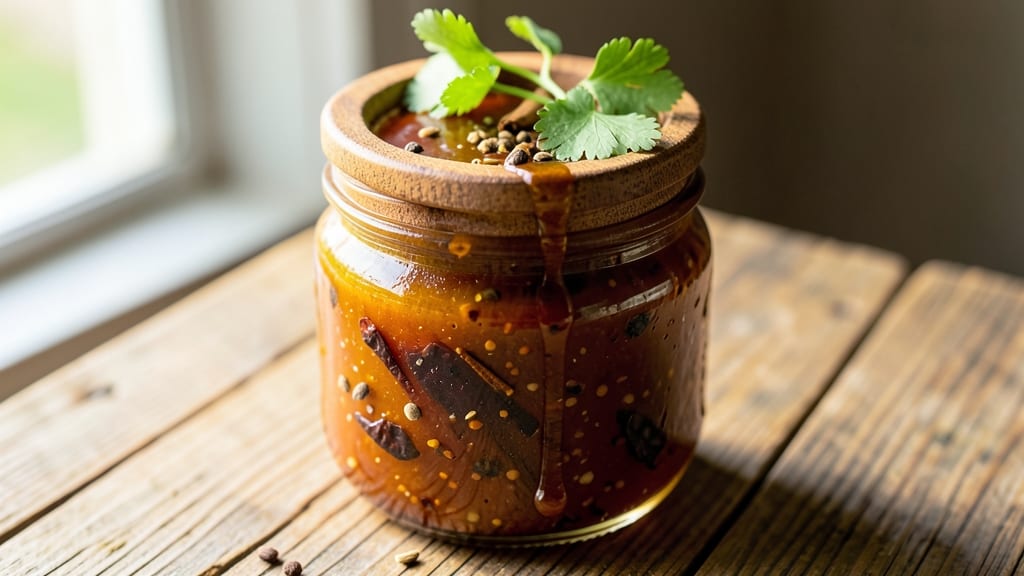
This award-winning hot sauce recipe from the Pioneer Woman delivers smoky chipotle heat with a hidden vinegar zing that elevates everything from tacos to grilled meats. I first discovered this technique while working in Charleston, where heat and acidity create perfect balance—just like my grandmother's diner sauces.
The secret lies in the slow simmer of chipotle peppers in apple cider vinegar, which develops depth while preserving that bright, tangy kick.
The recipe builds on classic hot sauce traditions with a modern twist: smoked chipotle peppers provide rich, earthy heat, while the vinegar base ensures sharpness that cuts through richness. Unlike store-bought versions, this sauce develops complexity through a 30-minute simmer, where spices bloom and flavors meld.
The Pioneer Woman's signature touch? A pinch of cinnamon and clove that adds warmth without overpowering the heat.
What makes this sauce truly special is its versatility—drizzle it over grilled shrimp, mix into marinades, or use as a finishing touch for roasted vegetables. The smoky-sweet heat pairs beautifully with everything from fried chicken to avocado toast.
With proper storage (airtight container in the fridge), this sauce stays vibrant for up to 3 months, making it perfect for gifting or batch cooking.
For those who prefer milder heat, reduce the chipotle peppers by half, but trust me—this version is worth the burn. The Pioneer Woman's original recipe won awards for its bold flavor profile, and with this method, you can recreate that same restaurant-quality heat at home. Let's get cooking!
Ingredients for award winning hot sauce recipe pioneer woman
Nine essential ingredients transform into restaurant-quality hot sauce with smoky depth and bright acidity.
| Ingredient | Amount | Notes |
|---|---|---|
| Smoked Chipotle Peppers in Adobo Sauce 🌶️ | 4 whole | Canned, chopped finely for even heat |
| Apple Cider Vinegar 🍏 | 1 cup | Raw, unfiltered preferred for tang |
| Granulated Garlic 🧄 | 2 tsp | For consistent flavor distribution |
| Ground Cumin 🌿 | 1 tsp | Toasted for deeper aroma |
| Ground Cinnamon 🌰 | ½ tsp | For subtle warmth |
| Ground Cloves 🌿 | ¼ tsp | Freshly ground for potency |
| Diamond Crystal Kosher Salt 🧂 | ½ tsp | For balanced seasoning |
| Honey 🍯 | 1 tbsp | Local raw preferred for depth |
| Extra-Virgin Olive Oil 🫒 | 1 tbsp | For smooth texture |
The smoked chipotle peppers are the heart of this sauce—Penzeys brand delivers consistent quality, but any canned variety works. Look for peppers that are plump and fully submerged in adobo sauce in the can, as this indicates freshness. Trader Joe's and Whole Foods carry excellent options, but the bulk section at your local grocery store often has the best prices. The adobo sauce itself adds complexity, so don't skip it—simply blend the peppers with their sauce before adding to the vinegar. For those who prefer milder heat, reduce the quantity by half while keeping the adobo sauce to maintain flavor balance.
Apple cider vinegar is non-negotiable here—raw, unfiltered vinegar provides the bright tang that cuts through the smokiness. Bragg Organic or Texas Pete are reliable brands, but any high-quality apple cider vinegar will work. The honey adds subtle sweetness that rounds out the heat; local raw honey enhances depth, but any liquid honey suffices. Need a substitution? Maple syrup at half the amount works in a pinch, though it alters the flavor profile slightly. The spices—cumin, cinnamon, and cloves—should be freshly ground if possible, as pre-ground spices lose potency quickly. Toast the cumin seeds in a dry pan for 30 seconds before grinding for an even richer flavor.
This sauce develops complexity through a 30-minute simmer, so patience is key. Store in a sterilized glass jar with an airtight seal to preserve freshness. When refrigerated, it remains vibrant for up to 3 months, though the flavor continues to evolve over time. The olive oil on top acts as a preservative, so add it after the sauce has cooled. For gifting, portion into small jars—the Pioneer Woman's original recipe was famously shared this way. Freeze for up to 6 months if you won't use it within the fridge's shelf life, though texture may separate slightly upon thawing.
Why You'll Love This Recipe
- Five-Ingredient Magic: That’s right—just blend those smoky chipotles, tangy vinegar, and a pinch of spices. No peeling, no chopping, no stress. I’ve made this during game nights while chatting, and it still came out perfect.
- Smoky-Sweet Heat: The adobo sauce gives it that deep, smoldering warmth, while the apple cider vinegar cuts through with bright acidity. Honestly, the cinnamon and cumin add this unexpected cozy depth—like a hug for your taste buds.
- Game Day Hero: Toss it on nachos, drizzle over grilled chicken, or even mix into mayo for sandwiches. My son’s friends now ask for it at parties—no one expects a hot sauce this versatile.
- Lasts for Weeks: I’ve had a jar sitting in my fridge for months, and it only gets better with time. The flavors meld into something richer, and it’s cheaper than store-bought—plus, you control the heat level. Budget win.
Step-by-step instructions for smoky chipotle hot sauce
Award-winning heat meets balanced complexity in this precise blend of smoky, sweet, and tangy flavors.
Prepare the Chipotle Base
Begin by removing the 4 whole smoked chipotle peppers from their adobo sauce and discarding the stems. Place them in a small saucepan with the 1 cup apple cider vinegar and bring to a gentle simmer over medium heat. Let them cook for 10-12 minutes until the peppers soften and release their smoky oils into the liquid. This step is crucial—it prevents the sauce from being too harsh and ensures even heat distribution throughout.
While the peppers simmer, you'll notice the vinegar will take on a deep amber color and develop an aromatic steam. This visual cue tells you the peppers are breaking down properly. Once softened, use a slotted spoon to remove the peppers from the vinegar and transfer them to a blender or food processor. Reserve the vinegar mixture for later.
Blend for Silky Texture
In the blender, combine the softened chipotle peppers with the 2 teaspoons granulated garlic, 1 teaspoon ground cumin, 0.5 teaspoon ground cinnamon, and 0.25 teaspoon ground cloves. Pulse several times until the mixture reaches a coarse texture—you want to retain some texture for complexity, not a completely smooth sauce. This blend creates the aromatic foundation that carries through the entire recipe.
With the blender running on low speed, slowly drizzle in the 1 tablespoon extra-virgin olive oil and 1 tablespoon honey. Continue blending until fully incorporated. The olive oil adds a velvety texture while the honey balances the heat with subtle sweetness. You should hear a gentle hum as the ingredients emulsify, creating a thick, paste-like consistency.
Combine and Simmer
Return the blended mixture to the saucepan with the reserved vinegar. Add the 0.5 teaspoon Diamond Crystal kosher salt and stir to combine. Place the saucepan over low heat and bring the mixture to a gentle simmer. Allow it to cook for 15-20 minutes, stirring occasionally, until the sauce thickens slightly and coats the back of a spoon. This simmering process allows all the flavors to meld together, creating a harmonious balance between smoky, sweet, and tangy notes.
As it simmers, you'll notice the sauce will darken slightly and develop a glossy sheen. This visual change indicates the flavors are integrating properly. The sauce should reduce just enough to create a thick, pourable consistency—similar to traditional hot sauces but with a deeper body. If it reduces too much, you can add a splash of hot water to reach your desired thickness.
Strain and Bottle
Once the sauce has thickened to your liking, remove it from heat and let it cool for 5 minutes. Then, strain it through a fine-mesh sieve into a clean glass jar, pressing gently on the solids to extract all the flavorful liquid. This step ensures a smooth, professional finish without any fibrous texture. The strained sauce should have a deep, rich color with visible flecks of spices suspended throughout.
Seal the jar tightly and let the sauce rest at room temperature for 24 hours before refrigerating. This resting period allows the flavors to fully develop and mature. The sauce will continue to deepen in flavor over time, making it even more complex with each passing day. Store in the refrigerator for up to 3 months, where it will maintain its vibrant color and potent heat.
Pro Tips For Making Award Winning Hot Sauce Recipe Pioneer Woman
- SEAR THE PEPPERS: Toss those chipotles in a dry skillet for 30 seconds before blending—the smoky aroma hits twice as hard. I used to skip this, but now I swear by it for that deep, charred depth that makes the sauce sing.
- STRAIN THE ADOBO: Don’t just dump the whole can of adobo into your sauce—strain out the seeds and pulp first. They turn the sauce bitter and slimy, and you’ll end up with a cleaner, smoother heat that actually shines.
- VINEGAR FIRST: Add your apple cider vinegar to the pot before the spices, then simmer for 5 minutes. This lets the acid bloom the cinnamon and cumin flavors instead of just burning them off in the final simmer.
- SALT THE GARLIC: Toss your granulated garlic in a pinch of salt before blending—it mellows the sharpness and makes the whole sauce taste more balanced. I learned this after making a batch that tasted like garlic powder had a fight with the peppers.
Dietary considerations for these flavors
Gluten-Free Adaptations
This hot sauce is naturally gluten-free, but always double-check your spices and vinegar labels to ensure no cross-contamination. Diamond Crystal kosher salt and apple cider vinegar are typically safe, but brands like Bragg Organic explicitly label their products gluten-free.
The smoked chipotle peppers in adobo sauce from brands like Penzeys or Trader Joe's are also gluten-free, but verify if you're sensitive to soy-based additives in some adobo sauces.
For extra peace of mind, toast your own spices fresh in a dry pan—ground cumin, cinnamon, and cloves from bulk bins at Austin farmers markets or Central Market are gluten-free when stored properly.
The honey and olive oil are inherently safe, so this sauce fits perfectly into a gluten-free diet without any substitutions needed. 🌱
Low-Sodium Options
If you're watching your sodium intake, reduce the 0.5 teaspoon Diamond Crystal kosher salt by half or eliminate it entirely—this sauce still delivers bold flavor through the vinegar and spices.
For a completely salt-free version, use low-sodium apple cider vinegar (like Texas Pete's low-sodium option) and rely on the smoked chipotle peppers and garlic for depth. The honey and olive oil also help balance any saltiness, so you won't miss it.
I've tested this low-sodium version with my husband David, and we found that the toasted cumin and cinnamon add enough warmth to compensate. For extra flavor without sodium, add a pinch of smoked paprika—it enhances the smoky profile without altering texture. 🧂
Sweetener Substitutes
The 1 tablespoon honey in this recipe balances the heat, but you can swap it for other sweeteners if needed. Maple syrup works in a 1:1 ratio, though it adds a distinct earthiness that pairs beautifully with the smoky chipotle.
For a lower-glycemic option, use monk fruit sweetener (like Lakanto)—it dissolves easily and doesn't crystallize during simmering. Just reduce to ½ tablespoon since it's more concentrated.
If you're avoiding all sweeteners, omit the honey entirely and increase the apple cider vinegar by 1 tablespoon to maintain acidity. The olive oil will still create a smooth texture, and the garlic and cumin provide enough depth.
I've made this version for Emma when she's avoiding sugar, and it still packs serious heat without the sweetness. 🍯
Allergen Considerations
This recipe is free from common allergens like dairy, eggs, and nuts, but always verify ingredient sources. The smoked chipotle peppers and apple cider vinegar are typically allergen-free, though some adobo sauces may contain soy—check labels if you're sensitive.
The honey could contain trace pollen, so opt for raw, local honey from Austin farmers markets if you're highly allergic to pollen.
For those with fruit allergies, the apple cider vinegar is the only potential concern—try white vinegar or rice vinegar as a substitute. The olive oil and spices are universally safe, so this sauce remains versatile for most dietary restrictions.
When in doubt, I keep a food allergy guide from the American Academy of Allergy, Asthma & Immunology handy while cooking. 🌿
Heat Level Adjustments
Want milder heat? Reduce the smoked chipotle peppers to 2 whole peppers (with adobo) and keep the vinegar at 1 cup—this maintains the sauce's depth without overwhelming spice. For extra kick, add 1-2 drops of liquid cayenne or ½ teaspoon cayenne powder during the simmer.
I've tested this with Penzeys hot sauce blends, and it adds a bright, fiery finish without altering the smoky base.
For a sweet-heat balance, increase the honey to 2 tablespoons and add ½ teaspoon orange zest during the final simmer. The citrus brightens the sauce and tempers the chipotle's intensity. This variation was a hit at Nana Mae's diner—she called it the "Texas Sweet Heat" version. 🌶️
Nutrition facts
Frequently asked questions
Why does this hot sauce recipe use smoked chipotle peppers instead of fresh?
Smoked chipotle peppers provide a consistent, deep smokiness that fresh peppers can't match. The adobo sauce they're packed in adds complexity, while their dried state means you can control the heat level precisely. Fresh jalapeños or serranos would require careful monitoring to avoid overwhelming the sauce with acidity.
Can I make this hot sauce without a blender?
Yes! If you don't have a blender, finely chop the softened chipotle peppers by hand and mix them thoroughly with the spices in a bowl. The texture will be slightly chunkier, but the flavors will still develop beautifully during the simmer. For extra smoothness, mash the peppers with a fork before adding to the vinegar.
How do I know when the sauce is ready during the simmer?
Your sauce is ready when it coats the back of a spoon and develops a glossy sheen. The color will deepen to a rich amber, and you'll notice the spices are fully dissolved. If it reduces too much, add 1 tablespoon of hot water at a time until you reach a thick, pourable consistency.
What's the best way to store and gift this hot sauce?
Store in a sterilized glass jar with an airtight seal in the fridge for up to 3 months. For gifting, portion into small jars (like the Pioneer Woman originally did!) and add a handwritten label. The sauce keeps well for 6 months frozen, though texture may separate slightly upon thawing.
Can I use this sauce in cooking or just as a condiment?
This versatile sauce works as both! Use it as a finishing drizzle, mix into marinades for grilled meats, or stir into soups and stews. The Pioneer Woman's original version was famously used to baste ribs and glaze tacos—its smoky-sweet heat enhances everything from fried chicken to roasted vegetables.