
Sauces & Condiments
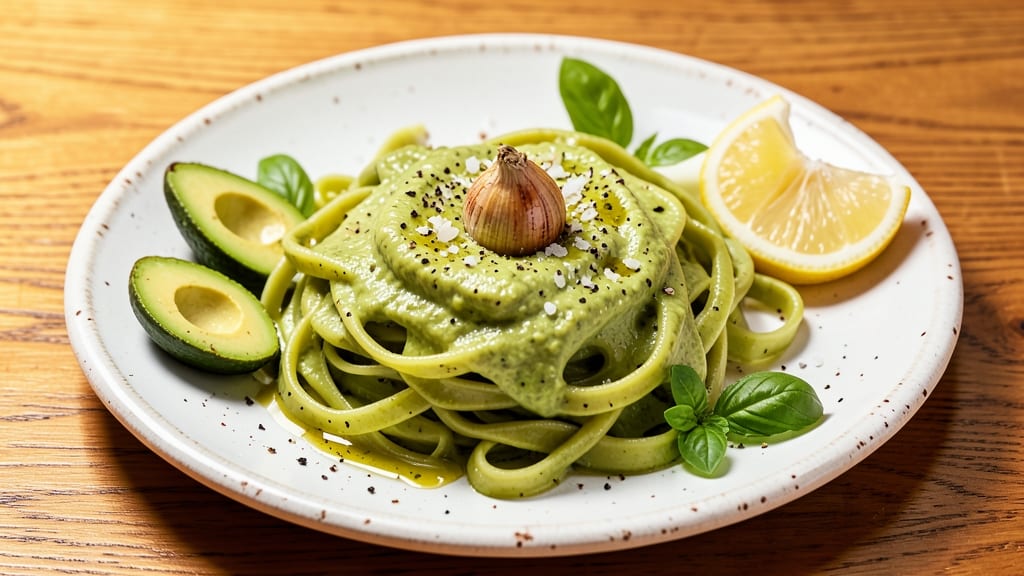
This avocado cream pasta sauce recipe transforms simple ingredients into a velvety, restaurant-worthy sauce that’s rich, creamy, and packed with healthy fats. The secret lies in blending ripe avocados with garlic, lemon juice, and a touch of heavy cream (or coconut milk for a dairy-free twist) until silky smooth.
It’s the kind of sauce that elevates any pasta dish—whether you’re serving it over spaghetti, tossing it with roasted vegetables, or using it as a dip for crusty bread.
The beauty of this sauce is its versatility and ease. No cooking required—just blend, season, and serve. The avocado provides a naturally creamy texture without the need for heavy dairy, while garlic and lemon add bright, aromatic depth.
For extra richness, a splash of cream or a drizzle of olive oil rounds out the flavor, creating a sauce that’s both indulgent and nutritious. It’s perfect for those who love creamy textures but want to keep their meals lighter and full of flavor.
What makes this sauce stand out is its ability to adapt to any dish. Toss it with al dente pasta, use it as a base for seafood or chicken, or even spread it on toast for a quick, satisfying meal.
The sauce keeps well in the fridge for up to 3 days, making it ideal for meal prep. Garnish with fresh herbs, red pepper flakes, or a sprinkle of parmesan to add a final touch of freshness and complexity.
This isn’t just another pasta sauce—it’s a game-changer for anyone looking to add a creamy, healthy twist to their meals. Whether you’re cooking for a weeknight dinner or hosting a dinner party, this sauce delivers on flavor, texture, and ease. Let’s get blending!
Ingredients for avocado cream pasta sauce
Eight simple ingredients transform into velvety avocado cream sauce that’s restaurant-worthy and ready in minutes.
| Ingredient | Amount | Notes |
|---|---|---|
| Ripe Avocados 🥑 | 2 whole | Pitted, peeled, flesh scooped |
| Garlic Cloves 🧄 | 4 cloves | Fresh, peeled, roughly chopped |
| Lemon Juice 🍋 | 2 tbsp | Freshly squeezed, strained |
| Heavy Cream 🥛 | ¼ cup | Full-fat for best texture |
| Extra-Virgin Olive Oil 🫒 | ¼ cup | High quality, fruity |
| Salt 🧂 | ½ tsp | Kosher or sea salt |
| Black Pepper 🌶️ | ¼ tsp | Freshly ground preferred |
| Fresh Basil Leaves 🌿 | ¼ cup | Chopped, for garnish |
| Red Pepper Flakes 🌶️ | ¼ tsp | Optional, for heat |
| Parmesan Cheese 🧀 | ¼ cup | Freshly grated, optional |
Avocados are the star here—pick ripe ones that yield to gentle pressure but aren’t mushy. Trader Joe's or Whole Foods usually have the best selection, but any grocery store will do. The garlic should be fresh—no pre-minced jars here. For the cream, full-fat is key (trust me on the full-fat version). If you're making this ahead, buy avocados a day before and let them ripen on the counter. The basil? I always grab extra—half goes in the sauce, half gets torn over the top for garnish.
No heavy cream? Coconut milk works perfectly—just use full-fat canned version for that creamy texture. Short on garlic? Garlic powder at half the amount gets you close, but fresh is ideal. The olive oil matters—cheap oil tastes cheap, so grab a nice bottle. For extra richness, add a splash of nutritional yeast (it gives that cheesy flavor without dairy). The red pepper flakes are totally optional, but they add a nice kick if you want it spicy. And if you're dairy-free, skip the Parmesan or use vegan Parm.
This sauce keeps beautifully—3 days in the fridge if you cover it with olive oil to prevent browning. For longer storage, freeze in ice cube trays and transfer to a bag. Thaws perfectly. I make a double batch every time—one for pasta, one for toast. Garnish with fresh herbs or a drizzle of olive oil before serving. The sauce thickens as it chills, so add a splash of water or milk when reheating if needed.
Why You'll Love This Recipe
- No Blender Required: I swear by this—just mash the avocado with a fork right in the pan. That creamy texture comes from the heat blending the garlic and olive oil into the avocado, not some clunky appliance. (Yes, even my lazy Saturdays love this.)
- Creamy Without the Guilt: Heavy cream makes it rich, but the avocado keeps it light—like a hug for your taste buds that won’t weigh you down. The lemon juice cuts through the richness so it never feels heavy, just good.
- Leftovers That Still Shine: This sauce actually tastes better the next day. The flavors meld, the cream thickens just right, and it reheats like a dream. I’ve taken it to potlucks, packed it for lunch, and even frozen portions for those "I can’t decide what to eat" nights.
- Pantry Staple Power: You’re probably already using these ingredients—garlic, olive oil, lemon—so it’s not a grocery run, it’s a cook. And since avocados are the star, you can use them when they’re perfectly ripe instead of waiting for the "perfect" moment that never comes.
Step-by-step instructions for avocado cream pasta sauce
Here's how to blend creamy avocado sauce with bold garlic flavor for a restaurant-worthy pasta.
Blend Avocado and Garlic into a Silky Base
Cut the 2 whole ripe avocados in half, remove the pits, and scoop the flesh into a food processor. Add the 4 cloves roughly chopped garlic, 2 tablespoons lemon juice, and 0.25 teaspoon salt. Pulse until completely smooth—you want a velvety texture without any chunks. This step is crucial because avocado's natural oils will emulsify with the lemon juice, creating the sauce's creamy foundation.
Here's the thing—don't skip the lemon juice. It prevents browning and adds that bright, fresh note that balances the richness. If your mixture looks too thick, add 1 tablespoon of water at a time until it reaches a pourable consistency. You're aiming for something like heavy cream in texture, not thin like soup.
Incorporate Cream and Olive Oil for Richness
With the processor running, slowly drizzle in the 0.25 cup heavy cream and 0.25 cup extra-virgin olive oil through the feed tube. This gradual addition prevents the sauce from breaking or separating. The olive oil adds depth while keeping the sauce light enough to coat pasta beautifully. Process until completely smooth and well combined—about 30 seconds should do it.
Taste the mixture and adjust seasoning with another pinch of salt if needed. The sauce should be tangy from the lemon, rich from the avocado and cream, and have a subtle garlic punch. This is your flavor baseline before we add the finishing touches. If you're using the optional 0.25 teaspoon red pepper flakes, add them now and blend briefly to distribute the heat evenly.
Warm the Sauce Gently to Enhance Flavors
Transfer the blended sauce to a small saucepan and place it over low heat. Warm for 2-3 minutes, stirring constantly with a silicone spatula. You want to gently heat the sauce just enough to meld the flavors—no boiling, just a gentle simmer that brings out the garlic's sweetness and the avocado's buttery richness. If the sauce starts to separate, immediately remove it from heat and whisk vigorously to re-emulsify.
Here's where it gets fun—taste again after warming. The heat should make the garlic flavor more pronounced while keeping the sauce cool enough to maintain its creamy texture. If it thickens too much, thin it with a splash of pasta water (about 1 tablespoon at a time) until it reaches a smooth, coatable consistency. Keep it warm over very low heat while you cook your pasta.
Finish with Fresh Basil and Parmesan
Just before tossing with cooked pasta, stir in the 0.25 cup chopped fresh basil leaves and 0.25 cup freshly grated Parmesan cheese. The basil adds that bright, fresh finish that makes this sauce sing, while the Parmesan contributes a salty, umami depth. Fold everything together gently—you don't want to break up the basil leaves too much, just distribute them evenly throughout the sauce.
This is the moment that matters: the sauce should be vibrant green from the basil, glossy from the olive oil, and perfectly balanced in flavor. Toss it immediately with your cooked pasta and serve while warm. The sauce will cling beautifully to the noodles, creating that luxurious, creamy texture we're after. If you're feeling adventurous, top with extra black pepper or a sprinkle of red pepper flakes for a little kick.
Pro Tips For Making Avocado Cream Pasta Sauce
- Blend in Batches: Avocado purées oxidize fast—don’t blend all three avocados at once. Split them into two batches, blend one, then toss in the second just before combining with the cream. This keeps the color bright and the texture silky, not grainy.
- Toast Garlic Low: Skip the sizzling—garlic burns fast and turns bitter. Cook minced cloves in olive oil over low heat until just golden (about 3-4 minutes), stirring constantly. Overheating ruins the sauce’s creamy balance.
- Acid First, Cream Last: Add lemon juice before the heavy cream, then stir in the cream last. This prevents curdling—acid first stabilizes the avocado’s fats, so the cream blends smoothly. (I learned this after a very lumpy first attempt.)
- Reserve Some Cream: Whisk the sauce with only ¾ of the heavy cream, then drizzle in the last tablespoon at the end. This keeps the texture rich without making it too heavy—plus, it’s your secret fix if the sauce splits.
Storing and reheating your leftovers
Fridge Storage Tips
Store your avocado cream sauce in an airtight container with a layer of extra-virgin olive oil on top—this prevents browning and keeps flavors vibrant. The sauce stays fresh for up to 3 days in the fridge at 40°F or below.
I use glass Pyrex containers because they’re non-reactive and easy to reheat. Always let the sauce cool completely before storing to avoid condensation, which can dilute flavors. 🥫
Freezer-Friendly Methods
For longer storage, freeze the sauce in ice cube trays—this makes it easy to thaw just what you need. Transfer the cubes to a freezer bag with all air removed to prevent freezer burn. The sauce keeps for up to 2 months without losing texture or flavor.
When ready to use, thaw overnight in the fridge or quickly in warm water. I’ve found that freezing in small portions prevents waste and keeps the sauce ready for last-minute meals. ❄️
Reheating Like a Pro
For the best texture, reheat the sauce gently on the stovetop over low heat with a splash of pasta water or water to loosen it up. Avoid microwaving—it can make the sauce greasy. If the sauce thickens too much, stir in 1 tablespoon at a time until smooth.
For extra richness, add a pat of butter or a drizzle of olive oil while reheating. Always taste and adjust seasoning—avocado sauce often needs a pinch of salt or lemon juice after reheating. 🔥
Preventing Separation
Avocado sauce can separate when reheated, but there’s an easy fix: whisk vigorously while warming or add 1 tablespoon of warm water to re-emulsify. To avoid this, store the sauce in a shallow container so it cools evenly.
If you’re prepping ahead, blend in 1 teaspoon of cornstarch (mixed with cold water) before storing—this helps stabilize the texture. The key is gentle heat and constant stirring. 💫
Garnish Before Serving
Fresh herbs and a sprinkle of Parmesan cheese or red pepper flakes elevate reheated sauce. Add garnishes just before serving to keep them vibrant. For extra brightness, drizzle with lemon zest or a few drops of hot honey.
If the sauce looks dull after reheating, finish with a fresh basil leaf or a swirl of olive oil to restore its luster. 🌿
Nutrition facts
Frequently asked questions
Can I make this sauce without avocado?
While avocado is the star for its creamy texture, you can substitute with 1 cup of ripe banana or ½ cup of Greek yogurt for a similar consistency. For a richer version, blend ½ cup mashed sweet potato with the other ingredients—it adds natural sweetness that pairs well with the garlic and lemon. Just be aware the flavor profile will shift slightly.
What pasta works best with this sauce?
This creamy sauce clings beautifully to fettuccine, linguine, or penne—their ridges help hold the sauce. For extra texture, try gluten-free brown rice pasta or whole wheat spaghetti. If you want a lighter option, toss it with zucchini noodles or shirataki noodles for a low-carb twist. The sauce also works as a dip for garlic bread or as a spread for sandwiches!
How do I prevent the sauce from browning after blending?
Add ½ teaspoon of lemon juice directly to the blended sauce and stir well—this slows oxidation. For longer storage, press a layer of plastic wrap directly onto the surface before sealing the container to block air. If browning occurs, simply stir in 1 tablespoon of fresh lemon juice or a pinch of salt to brighten the color and flavor. The sauce will still taste great!
Can I add protein to this sauce?
Stir in cooked shrimp, grilled chicken, or crumbled feta just before serving. For a heartier dish, toss in white beans or chickpeas for plant-based protein. If adding raw protein, cook it separately and warm through in the sauce for 2-3 minutes to prevent overcooking. The sauce's creamy texture balances the protein perfectly.
Why did my sauce separate when reheating?
This happens when the sauce cools too quickly or is reheated too vigorously. Fix it by whisking vigorously while adding 1 tablespoon of warm water or pasta water to re-emulsify. To prevent separation, store the sauce in a shallow container and reheat over low heat with constant stirring. A ½ teaspoon of cornstarch mixed into the sauce before storing can also help stabilize it.