
Sauces & Condiments
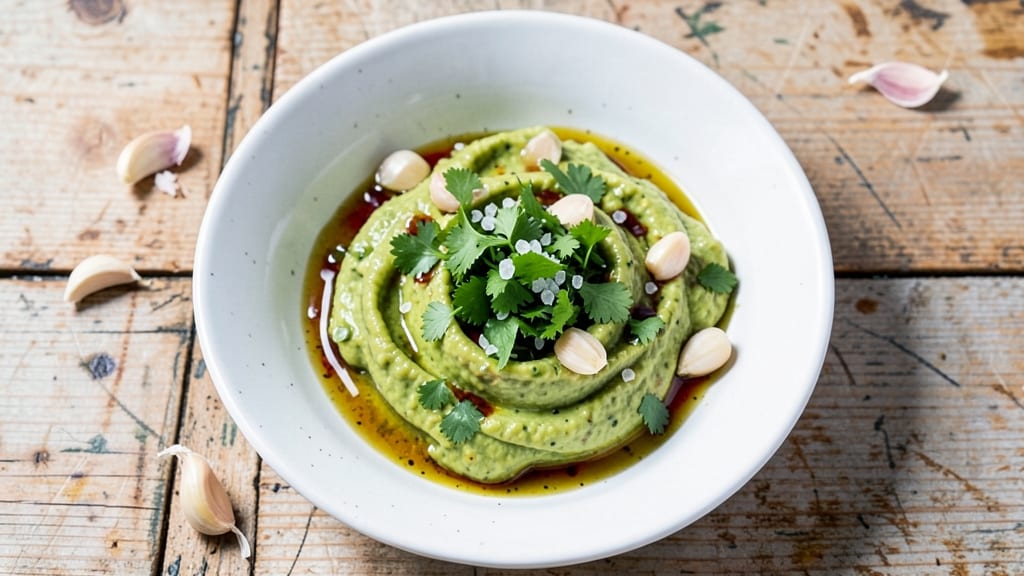
This avocado chimichurri sauce recipe transforms traditional chimichurri into a creamy, vibrant condiment that’s perfect for plant-based meals and beyond. The secret lies in blending ripe avocado with fresh herbs, garlic, and a touch of tangy vinegar—no cooking required.
What sets this sauce apart is its velvety texture and balanced flavors: herby, tangy, and rich all at once.
The beauty of this recipe is its versatility—it works as a dip for tostadas, a topping for grilled vegetables, or a marinade for plant-based meats. Unlike traditional chimichurri, this version stays fresh for days in the fridge, making it ideal for meal prep.
The avocado adds creaminess without dairy, while the herbs keep it bright and aromatic.
What you’ll end up with is a sauce that’s smooth yet chunky, depending on how finely you blend it. The garlic and parsley deliver a fresh, zesty kick, while the avocado rounds out the flavors with buttery richness.
It’s the kind of condiment that elevates simple dishes into something extraordinary—no fancy techniques required.
Pair it with grilled corn, black beans, or even as a spread for sandwiches. The possibilities are endless, and the prep takes just minutes. Let’s get started!
Ingredients for avocado chimichurri sauce
Nine fresh ingredients blend into a velvety sauce that transforms plant-based meals instantly.
| Ingredient | Amount | Notes |
|---|---|---|
| Ripe Avocados 🥑 | 2 whole | Medium size, slightly soft |
| Fresh Flat-Leaf Parsley 🌿 | 1 cup | Stems removed, loosely packed |
| Fresh Cilantro 🌿 | ½ cup | Stems removed, loosely packed |
| Garlic Cloves 🧄 | 4 cloves | Peeled, roughly chopped |
| Red Wine Vinegar 🍷 | ¼ cup | High-quality, dry variety |
| Extra-Virgin Olive Oil 🫒 | ½ cup | Light, fruity flavor preferred |
| Lemon Juice 🍋 | 2 tbsp | Freshly squeezed |
| Salt 🧂 | ½ tsp | Diamond Crystal preferred |
| Ground Black Pepper 🌶️ | ¼ tsp | Freshly ground preferred |
| Red Chili Flakes 🔥 | ¼ tsp | Adjust for spice preference |
The avocado is the heart of this sauce—ripe but not mushy. Trader Joe's or Whole Foods carry the best quality, or check your local farmers market for perfectly ripe ones. Fresh herbs are non-negotiable here; Whole Foods bulk section or Trader Joe's have the best parsley and cilantro. For the garlic, organic cloves have more flavor, but regular works fine. Red wine vinegar matters too—Bartles & Jaymes or Bragg are reliable brands that won't overpower the delicate flavors. The olive oil should be light and fruity; California Olive Ranch or Colavita are great choices.
No red wine vinegar? Apple cider vinegar or white wine vinegar work in a pinch, though they'll slightly alter the flavor profile. Short on cilantro? Fresh basil or dill can substitute at the same amount, but parsley is essential—it's the backbone of the herb flavor. The chili flakes are optional but recommended; Penzeys or La Boîte carry excellent varieties. For extra richness, add 1 tbsp tahini or 1 tbsp nutritional yeast—both add depth without dairy. If you prefer a smoother texture, blend longer or strain through a fine-mesh sieve.
This sauce keeps beautifully in the fridge for 4-5 days, though the avocado may darken slightly—just stir in a splash of lemon juice before using. For longer storage, transfer to an airtight container with a thin layer of olive oil on top to preserve freshness. It freezes well for up to 3 months—portion into ice cube trays for easy use. The sauce thickens as it chills, so thin with a splash of water or vinegar if needed. Always taste before serving—adjust salt or vinegar as necessary.
Why You'll Love This Recipe
- Here’s what sold me: this sauce keeps for days in the fridge, and it doesn’t turn weird or separate like some others. I make a big batch on Sundays, and by Thursday, I’m still sneaking spoonfuls straight from the jar. Plus, avocados are cheaper than you think if you buy them ripe. Win-win.
- No Pulse Required: I’ll admit—sometimes I skip recipes that demand a food processor. But this sauce? Just toss the avocado, parsley, cilantro, and garlic into a bowl, mash with a fork, and drizzle in that vinegar. Honestly, it’s the kind of recipe that makes me question why I ever overcomplicated things.
- Herb-Garlic Magic: That bright, tangy vinegar cutting through the creamy avocado? Chef’s kiss. The parsley and cilantro add this fresh, almost citrusy punch, while the garlic—even just one clove—gives it depth. It’s the kind of flavor that makes you pause mid-bite, like, “Wait, how is this so good?”
- Works Everywhere: I’ve slathered this on toast for breakfast, tossed it with grilled shrimp for a weeknight dinner, and even used it as a dip for veggie platters at parties. Between us, it’s the kind of sauce that turns a simple meal into something that feels special—without trying too hard.
Step-by-step instructions for avocado chimichurri sauce
This vibrant sauce comes together in minutes with no cooking required—just chop, blend, and taste.
Halve and Pit the Avocados
Cut the 2 whole ripe avocados lengthwise around the pit, twist to separate, then remove the pits. Scoop the flesh directly into a food processor using a spoon—no need to peel. The skin adds texture and prevents browning. I like to press the avocado against the sides of the processor bowl to maximize yield.
Leave the avocado slightly underripe if possible—it should yield to gentle pressure but not feel mushy. Overripe avocados will make the sauce too soft. Reserve any remaining avocado for another use or discard if minimal.
Add Herbs, Garlic, and Acidic Components
Add the 1 cup fresh flat-leaf parsley and 0.5 cup fresh cilantro (stems removed) to the processor. These herbs form the aromatic base. Next, add the 4 peeled garlic cloves (roughly chopped) and 0.25 cup red wine vinegar. The vinegar brightens the flavors and balances the richness of the avocado.
Pulse these ingredients together for 5-6 seconds—just enough to break up the herbs and garlic. This prevents over-blending and keeps the texture vibrant. The mixture should look like coarse herb confetti with small avocado chunks.
Incorporate Oil, Lemon, and Seasonings
With the processor running, slowly drizzle in the 0.5 cup extra-virgin olive oil through the feed tube. This gradual addition creates an emulsified texture rather than a separated sauce. Add the 2 tablespoons lemon juice, 0.5 teaspoon salt, 0.25 teaspoon ground black pepper, and 0.25 teaspoon red chili flakes while pulsing.
The sauce should begin to thicken as you blend. If it feels too thick, add 1-2 teaspoons water to achieve a smooth, spoonable consistency. Taste and adjust seasoning—you may need more salt, lemon, or chili flakes depending on your avocado's ripeness.
Blend to Perfect Consistency
Blend the mixture until completely smooth, scraping down the sides of the bowl as needed. This ensures even distribution of all ingredients. The final texture should be creamy yet vibrant, with a bright green color from the herbs. If the sauce separates slightly, simply pulse again for 2-3 seconds to re-emulsify.
For immediate use, transfer the sauce to a bowl. If storing, press plastic wrap directly onto the surface to prevent browning. This chimichurri keeps well in the refrigerator for 2-3 days, though it's best enjoyed fresh for maximum flavor and texture.
Pro Tips For Making Avocado Chimichurri Sauce
- PULSE THE AVOCADO: I learned this the hard way—mashing avocados with a fork until they’re just broken down gives the sauce a silky texture, but if you go too far, it turns into guacamole. Hit it with 3-4 pulses in a food processor, then scrape the sides and pulse again. That way, you get creamy pockets without losing the chunky appeal.
- CHOP GARLIC SMALL: Whole garlic cloves in chimichurri taste like they’re hiding in the back of the sauce. Mince them finely—almost to a paste—so they dissolve into the acid and herbs instead of sitting there like little almonds. (Yes, it takes 10 seconds extra with a knife, but it makes a real difference.)
- SALT THE HERBS FIRST: Fresh parsley and cilantro wilt dramatically when they hit the vinegar. Toss them with a pinch of salt before adding liquid—this draws out moisture and keeps them crisp. I used to skip this, and the sauce always ended up soggy by the time I served it.
- STORE IT DRY: Avocado chimichurri oxidizes fast, but covering it with plastic traps moisture and turns it gray in hours. Press a piece of parchment directly on the surface, then seal the container. Or, better yet, make it fresh—this sauce takes 5 minutes, and it’s worth the effort. (Your future self will thank you.)
Essential equipment for this dish
Food Processor Essentials
Your food processor is the star of this recipe—I recommend a Cuisinart DLC-2A or Ninja BN601 for their powerful blades and large bowls. The motor should handle 2 cups of ingredients without struggling, and a feed tube helps control oil drizzling.
Avoid mini processors; they’ll overheat trying to blend avocado and herbs. 💫
Knife and Cutting Board
A sharp chef’s knife (like Wüsthof Ikon) and cutting board are non-negotiable for chopping garlic and herbs efficiently. The herb stems need clean removal, and garlic should be roughly chopped for even blending. I use a Japanese santoku knife for precision—it glides through cilantro and parsley without crushing them.
Measuring Tools
Precision matters here! Use a liquid measuring cup for the red wine vinegar and olive oil (they’re measured by volume, not weight). For dry ingredients, a stainless steel measuring spoon set ensures accurate salt, pepper, and chili flakes.
A microplane for garlic is a game-changer—it creates tiny, flavorful bits that blend seamlessly.
Storage Containers
Transfer the sauce to an airtight glass container (like Le Parfait) to preserve freshness. For longer storage, I press plastic wrap directly on the surface to prevent browning.
If freezing, use silicone ice cube trays—each cube is perfect for topping a single tostada or bowl. Avoid metal containers; they can react with acidic ingredients over time.
Optional: Fine-Mesh Sieve
Want a smoother texture? A fine-mesh sieve (like OXO Good Grips) strains out herb bits while keeping the creamy avocado base. Press the sauce through with a spoon, then blend again briefly to re-emulsify.
This step is optional but ideal for sauces used as dips or dressings where a silky finish is preferred.
Nutrition facts
Frequently asked questions
Can I make this sauce without a food processor?
Yes! For a chunkier texture, finely chop all ingredients by hand using a sharp knife and mash the avocado with a fork. Mix everything in a bowl until well combined. For a smoother version, use a mortar and pestle to grind the herbs and garlic first, then blend with the avocado. The texture will be less refined, but the flavors stay vibrant.
How do I prevent the avocado from browning?
Press plastic wrap directly onto the sauce's surface before sealing the container. This blocks air exposure, which is the main cause of browning. For extra protection, add a thin layer of olive oil on top before storing. Use the sauce within 2-3 days for best flavor and texture.
What are the best ways to use this sauce?
This creamy chimichurri shines as a dip for tostadas or veggie chips, a topping for grilled vegetables or plant-based tacos, or a marinade for tofu or tempeh. It also works as a sandwich spread or drizzled over bowls of grains. The avocado adds richness, while the herbs keep it fresh and bright.
Can I adjust the spice level?
Reduce the red chili flakes to ¼ teaspoon for mild heat or omit entirely for a gentle kick. For extra spice, add ½ teaspoon cayenne pepper or 1 diced jalapeño (seeds removed). Taste as you go—you can always adjust after blending.
Why is my sauce separating?
Separation usually means the oil and avocado didn’t emulsify properly. Pulse the sauce again for 5-10 seconds to re-blend. If it still separates, add 1 teaspoon lemon juice or water and pulse once more. For a smoother texture, strain through a fine-mesh sieve before serving.