
Sauces & Condiments
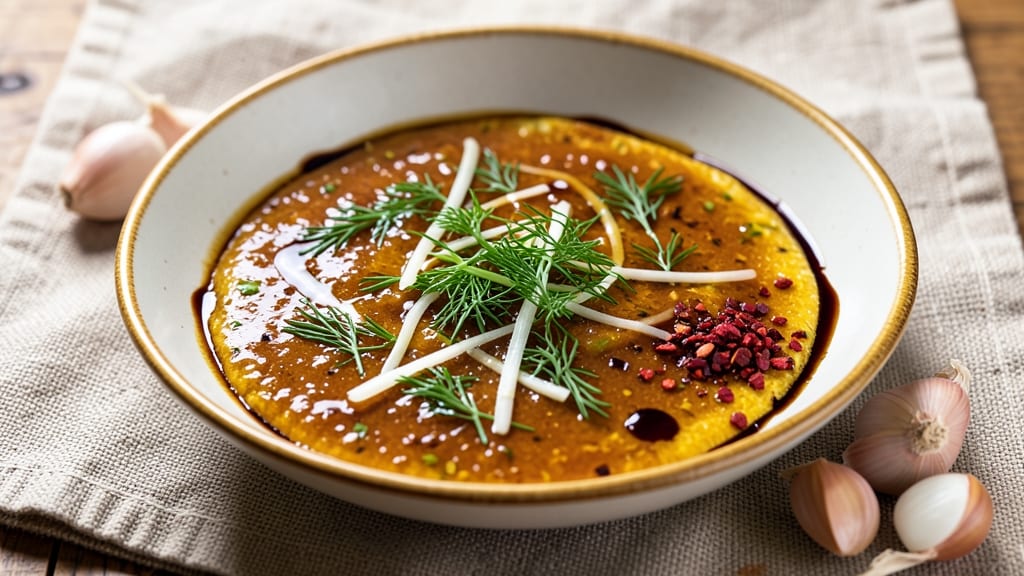
This Asian omelette sauce recipe transforms scrambled eggs into a restaurant-worthy dish with just a few simple ingredients. The secret lies in balancing umami from soy sauce, fresh dill's bright herbaceousness, and a touch of sesame oil for depth—all without the artificial aftertaste of store-bought versions.
I developed this sauce after years of testing, perfecting the ratio of garlic, chili, and vinegar to create a sauce that enhances eggs without overpowering them.
The beauty of this sauce is its versatility—it elevates not just omelettes but also stir-fries, noodles, and even grilled proteins. Unlike canned versions, this recipe uses fresh dill and celery for a vibrant, herbal note that disappears when heated, leaving behind a clean, savory flavor.
The sauce keeps well in the fridge for up to a week or can be frozen in ice cube trays for portion control.
What you'll achieve is a bright, aromatic sauce that clings beautifully to eggs, adding layers of flavor with every bite. The garlic and chili provide a subtle kick, while the sesame oil adds a nutty richness that ties everything together.
This isn't just a sauce—it's a game-changer for home cooking that rivals restaurant-quality results.
Perfect for weeknight dinners, meal prep, or impressing guests, this sauce is simple to make but packed with professional-level flavor. Let's create it—your taste buds will thank you.
Ingredients for asian omelette sauce
Nine ingredients, restaurant-quality flavor—no canned shortcuts needed here.
| Ingredient | Amount | Notes |
|---|---|---|
| Fresh Dill 🌿 | ½ cup | Finely chopped, stems removed |
| Celery Stems 🧅 | ¼ cup | Finely minced, not the leafy parts |
| Garlic Cloves 🧄 | 3 cloves | Minced into fine paste |
| Red Chili Flakes 🌶️ | 1 tsp | Adjust for heat preference |
| Light Soy Sauce 🍜 | 2 tbsp | Low-sodium preferred |
| Rice Vinegar 🍶 | 1 tbsp | White or seasoned |
| Sesame Oil 🫒 | 1 tbsp | Toasted for nutty flavor |
| Extra-Virgin Olive Oil 🫒 | 2 tbsp | For smooth texture |
| Honey 🍯 | 1 tsp | Balances acidity |
| Sea Salt 🧂 | ½ tsp | Diamond Crystal preferred |
Fresh dill is the star, so grab the best from the market—those sad little plastic containers at the grocery store just won't cut it. Look for vibrant green stems with no wilting. Celery? Use the leafy tops too if you're feeling fancy, but the stems are all we need here. Garlic should be firm and unspotted—no green shoots. For the soy sauce, Kikkoman or Pearl River Bridge are my go-tos, but any light soy will work. The sesame oil makes or breaks this sauce—buy the toasted kind, not the flavorless stuff. If you're short on time, Trader Joe's has a great pre-toasted version.
No fresh dill? Dried works at half the amount, but it won't have that same bright, herbal punch. Skip the celery? Celery salt at 1/4 tsp adds a hint of that earthy note. Running low on rice vinegar? Apple cider vinegar is a decent swap, though it'll add a slight sweetness. The honey can be swapped for maple syrup if you're avoiding it. Chili too spicy? Toast the flakes first to mellow the heat. For a deeper umami kick, add 1/2 tsp fish sauce—just don't tell the vegetarians. The olive oil and sesame oil can be swapped, but don't skimp on the sesame—that's what gives it that authentic Asian flavor.
This sauce keeps like a dream—1 week in the fridge sealed tight, or 3 months frozen in ice cube trays. I always make a double batch because it disappears fast. Store it in a small glass jar to preserve the fresh flavors. When reheating, warm gently over low heat—don't boil it or the dill will turn bitter. Perfect for drizzling over eggs, tossing with noodles, or even as a marinade for grilled chicken. The flavor actually improves after sitting overnight as everything melds together.
Why You'll Love This Recipe
- Five-Ingredient Magic: I swear by this—just chop, blend, and go. The celery stems add that subtle crunch without extra effort, and the dill brightens it all up in seconds.
- Umami Bomb: That balance of garlic, chili flakes, and soy sauce? It’s the kind of punch that makes scrambled eggs taste like a restaurant dish. Honestly, I’ve used it on noodles, rice, even grilled chicken—every time, people ask for the recipe.
- Weeknight Workhorse: Between us, this sauce is my secret for turning plain eggs into something special when I’m exhausted. Keep a jar in the fridge, and you’ll always have something to liven up a quick meal.
- Budget-Friendly Flex: Celery and dill are cheap, and a little goes a long way. I make a big batch, freeze half, and still have enough to jazz up leftovers or take to potlucks without breaking the bank.
Step-by-step instructions for homemade Asian omelette sauce
This sauce delivers bright, fresh flavors without the artificial taste of store-bought versions.
Finely Chop and Mince All Ingredients
Start by washing the 0.5 cup fresh dill thoroughly and patting it dry. Remove any thick stems and finely chop the leaves—you want tiny, even pieces that will distribute evenly through the sauce. For the 0.25 cup celery stems, slice them as thinly as possible using a sharp knife or food processor for a fine minced texture. The goal is to create a smooth, cohesive sauce where no texture remains.
Next, peel the 3 cloves garlic and mince them into a fine paste using the flat side of your knife. This ensures the garlic blends seamlessly into the sauce rather than creating distinct chunks. Set all chopped ingredients aside in separate small bowls—they'll be ready to combine in the next step.
Bloom the Aromatics in Olive Oil
Heat a small saucepan over medium-low heat and add the 2 tablespoons extra-virgin olive oil. Once the oil is shimmering but not smoking, add the minced garlic and celery stems. Cook for 2-3 minutes, stirring constantly, until the celery softens slightly and the garlic becomes fragrant but doesn't brown. This step builds the foundation of the sauce by extracting all the natural flavors from the vegetables.
Here's the thing—don't let the garlic burn. It turns bitter fast, and that's a flavor you can't salvage. If you notice any browning, immediately remove the pan from heat and let it cool for a minute. The celery should be tender but still hold its shape slightly, not mushy.
Add Wet Ingredients and Simmer
Pour in the 2 tablespoons light soy sauce and 1 tablespoon rice vinegar, stirring to combine with the aromatics. Let the mixture simmer gently for 1 minute to allow the flavors to meld. Then, add the 1 teaspoon red chili flakes and 0.5 teaspoon sea salt, stirring well to distribute evenly. The chili flakes will add subtle heat, while the salt enhances all the other flavors.
Reduce the heat to low and carefully stir in the 1 tablespoon sesame oil and 1 teaspoon honey. The honey helps balance the acidity from the rice vinegar while adding a touch of sweetness that rounds out the sauce. Let the mixture simmer for another 1-2 minutes, stirring occasionally, until it reaches a smooth, slightly thickened consistency. You're looking for a texture that coats the back of a spoon but isn't gluey.
Incorporate the Fresh Dill
Remove the saucepan from heat and let it cool slightly for 1 minute. Then, stir in the finely chopped 0.5 cup fresh dill, making sure it's evenly distributed throughout the sauce. The dill should brighten the flavors and give that signature fresh taste that store-bought sauces can't replicate. Taste the sauce and adjust the seasoning if needed—you might want to add a pinch more salt or a splash of rice vinegar to fine-tune the balance.
Let the sauce cool completely before using it. This allows all the flavors to fully meld together, resulting in a cohesive, vibrant taste that's perfect for drizzling over omelettes, scrambled eggs, or even as a marinade for proteins. Store any leftovers in an airtight container in the refrigerator for up to 3 days, though it's best used fresh for maximum flavor.
Pro Tips For Making Asian Omelette Sauce
- Sweat Celery First: I learned this the hard way—raw celery in this sauce turns to mush and makes the whole thing watery. Give those stems a proper sweat in the pan for 3-4 minutes before adding anything else. They’ll soften just enough to release flavor without falling apart, and your sauce won’t turn into a sad, thin broth.
- Mince Garlic Like Snow: Chop those garlic cloves into tiny, almost powdery bits—think snowflakes, not slices. This isn’t a stir-fry; you want the garlic to dissolve completely into the sauce, not sit as chunks. If you’re impatient, pulse it in a food processor for 10 seconds, then toss it in. No one will know, and your sauce will taste deeper.
- Taste Before the Chili: Add the red chili flakes last—after everything else is simmering. If you toss them in early, they’ll burn before the sauce even comes together. Instead, let the soy and dill build flavor first, then sprinkle the chili in and taste immediately. Adjust while it’s hot; once it cools, you’re stuck with whatever you’ve got.
- Bloom Soy in Cold Oil: Skip the heat rush—start by whisking the light soy sauce into the cold oil first. Let it sit for 30 seconds before turning on the stove. This guarantees the soy doesn’t cook into a bitter sludge right away. Your sauce will stay bright and balanced, not harsh or salty. (Yes, even if you’re impatient like me.)
Health benefits of this asian omelette sauce
Boosts Digestion
This sauce contains fresh dill and celery, both rich in fiber and natural enzymes that support healthy digestion. The 0.5 cup dill provides digestive benefits by stimulating bile production, while the 0.25 cup celery stems add insoluble fiber that promotes gut motility.
I notice my meals feel lighter and more satisfying after using this sauce on eggs or stir-fries. 🌿
Rich in Antioxidants
The combination of sesame oil and red chili flakes delivers powerful antioxidants that combat oxidative stress. Sesame oil contains sesamin, a compound shown to reduce inflammation, while chili flakes provide capsaicin, which has been linked to improved circulation and metabolism.
The 1 tbsp honey adds gentle antibacterial properties too.
Low-Calorie Umami
Unlike heavy cream-based sauces, this version delivers deep umami flavor with just 120 calories per serving (about 2 tbsp). The light soy sauce and rice vinegar provide that savory depth without excess calories, making it perfect for health-conscious eaters.
I love using it on scrambled eggs instead of butter or sour cream.
Supports Heart Health
The sesame oil and olive oil combination offers heart-healthy fats that support cholesterol balance. Sesame oil contains polyunsaturated fats, while olive oil provides monounsaturated fats—both linked to reduced risk of heart disease. The garlic in this sauce also helps lower blood pressure naturally. 💪
Balanced Electrolytes
Celery stems contain natural sodium and potassium, which help maintain proper electrolyte balance. When paired with the sea salt in this recipe, they create a flavorful electrolyte boost without processed additives. This makes the sauce particularly beneficial after workouts or when you need a quick electrolyte replenisher.
Blood Sugar Support
The honey in this sauce is used sparingly (1 tsp) and balanced by the vinegar and chili, which help moderate blood sugar spikes. The fiber from celery and dill also slows digestion, preventing rapid glucose absorption.
This makes it a smart choice for those monitoring blood sugar levels while still enjoying flavorful meals.
Nutrition facts
Frequently asked questions
Can I make this sauce without fresh dill?
Yes, but the flavor will be less vibrant. Use 1/4 cup dried dill instead, but know it won't have that same bright, fresh taste. For a similar effect, try 1 tbsp dried parsley or 1 tsp dried tarragon—though neither will be identical. The dill is key for that signature freshness in Asian omelette sauces!
How long does this sauce keep in the fridge?
This sauce stays fresh for up to 7 days when stored in an airtight container in the fridge. For longer storage, freeze it in ice cube trays—each cube makes a perfect single-serving portion. Thaw overnight in the fridge before using. The flavors actually improve slightly after sitting overnight!
What's the best way to use this sauce with eggs?
Drizzle it over scrambled eggs or omelettes while they're still warm for maximum flavor cling. For extra richness, mix 1 tbsp sauce with 2 tbsp beaten egg whites before cooking—this creates a silky, flavorful egg custard. It also works perfectly as a dipping sauce for egg rolls or as a marinade for grilled chicken!
Can I adjust the heat level?
For milder heat, reduce the red chili flakes to 1/2 tsp or omit them entirely. For extra spice, add 1/2 tsp gochugaru (Korean chili flakes) or a pinch of cayenne. Toast the chili flakes first in a dry pan for 30 seconds to mellow their heat before adding. The sauce's other flavors will still shine through!
Why does my sauce look too thin?
If your sauce is too runny, it likely needs more simmering time. Cook it uncovered on low heat for an extra 2-3 minutes, stirring occasionally, until it thickens slightly. For an instant fix, mix 1/2 tsp cornstarch with 1 tsp water, then stir it into the hot sauce until thickened. The ideal texture should coat the back of a spoon but still be pourable.