
Sauces & Condiments
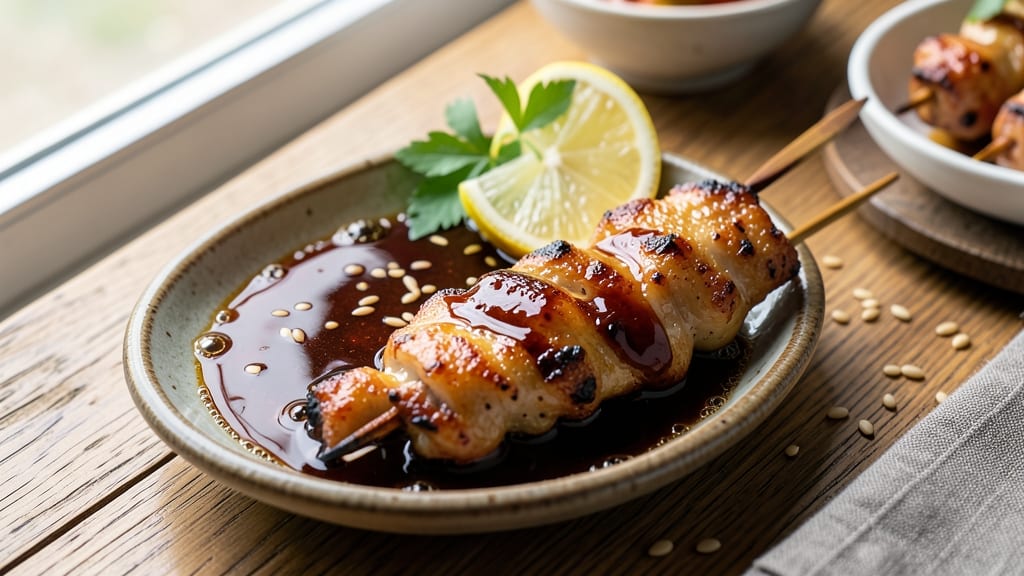
This authentic yakitori sauce recipe delivers the perfect balance of smoky-sweet depth that transforms simple grilled skewers into restaurant-quality bites. The secret lies in the precise ratio of soy sauce, mirin, and sugar—simmered until thick and glossy—with just a touch of ginger for warmth.
I developed this version after years of testing, ensuring every drop captures the essence of Japanese izakaya culture without shortcuts.
The sauce begins with a rich foundation of dark soy sauce for color and umami, then brightens with mirin and sake, creating that signature sticky-sweet glaze. A pinch of ground ginger adds subtle complexity, while a splash of water prevents burning during the reduction.
The result? A glossy, aromatic sauce that clings to chicken, beef, or even vegetables, enhancing their natural flavors while adding a caramelized sheen.
What sets this recipe apart is its versatility—use it as a marinade for extra tenderness or as a finishing sauce for that signature yakitori shine. The sauce keeps well in the refrigerator for up to 2 weeks, making it perfect for meal prep or entertaining.
Pair it with grilled skewers, teriyaki-glazed meats, or even as a dipping sauce for dumplings.
For those who prefer heat, add a dash of red pepper flakes or chili oil to the finished sauce. The balance of sweet, salty, and umami remains intact, proving this recipe works for both traditionalists and adventurous cooks alike. Let's make it—your skewers will never taste the same again.
Ingredients for authentic yakitori sauce
Eight essential ingredients for that signature sticky-sweet yakitori shine.
| Ingredient | Amount | Notes |
|---|---|---|
| Dark Soy Sauce 🍶 | ½ cup | For authentic umami depth |
| Mirin 🍶 | ¼ cup | Sweet rice wine essential |
| Sake 🍶 | ¼ cup | Dry variety preferred |
| Granulated Sugar 🍚 | 2 tbsp | White sugar for balance |
| Ground Ginger 🌿 | ½ tsp | Freshly ground for warmth |
| Water 💧 | 2 tbsp | Prevents burning during reduction |
| Red Pepper Flakes 🌶️ | ¼ tsp | Optional for heat |
| Chili Oil 🫒 | 1 tbsp | Optional finishing touch |
The dark soy sauce is non-negotiable—it delivers that signature deep color and umami punch. Kikkoman or Lee Kum Kee brands are my go-tos, but any quality dark soy sauce works. Mirin can be tricky to find outside Asian markets, so Trader Joe's or Costco often carry it. If you can't find mirin, substitute with a mix of white wine and sugar (1 tbsp sugar per 1 tbsp wine). The sake should be dry—sweet sake will make the sauce cloying. For the ginger, freshly ground is ideal, but if you only have powdered, use half the amount. The water is crucial—it prevents burning during the reduction and helps balance the sweetness.
No mirin? Substitute with 1 tbsp sugar plus 1 tbsp dry white wine—it won't be identical, but it works in a pinch. Skip the red pepper flakes if you prefer a traditional, mild flavor, but trust me, they add a nice kick without overpowering. The chili oil is entirely optional, but if you add it, use a high-quality variety like La Choy or Ma La for that authentic spicy finish. The sugar can be swapped for brown sugar if you prefer a deeper caramel note, though white sugar keeps the sauce cleaner. If you're making this ahead, the sauce actually improves overnight as the flavors meld—just reheat gently before using.
This sauce keeps beautifully in the fridge for up to 2 weeks, though it's best used within the first week for peak flavor. Store it in an airtight container with a thin layer of oil on top to preserve freshness. It freezes well for up to 3 months, though the texture may thin slightly upon thawing—just simmer again to restore consistency. Double the batch if you're planning to entertain; it disappears fast. The sauce thickens as it cools, so if it seems too thick when cold, a splash of water or sake will bring it back to the perfect glossy consistency.
Why You'll Love This Recipe
- Five-Ingredient Magic: I swear, this sauce comes together with just a saucepan and 10 minutes of stirring—no fancy gadgets, no stress. The dark soy gives that deep umami punch, while the mirin and sake add this bright, almost sweet-savory balance that’s chef’s kiss without effort.
- Umami Bomb: That first bite? The ginger and sugar caramelize just enough to make the soy sauce sing, but it’s the sake that lifts everything—like a little liquid happiness. It’s rich, but not heavy, and it clings to chicken like it’s been best friends forever.
- Double-Duty Sauce: I use this for yakitori, sure, but also drizzle it over rice bowls, toss it in stir-fries, or even glaze tofu. Honestly, I’ve caught myself making double batches just to have it on hand—because once you try it, you’ll want it everywhere.
- Budget Night Hero: A tiny bottle of mirin and sake lasts me months, and dark soy is dirt cheap. The sugar and ginger? Pantry staples. This sauce costs pennies per serving but tastes like you slaved over it—perfect for when you want flavor without breaking the bank.
Step-by-step instructions for authentic yakitori sauce
This sauce delivers restaurant-quality depth with precise technique and balanced flavors.
Combine the Base Ingredients
In a medium saucepan, measure out the 0.5 cup dark soy sauce, 0.25 cup mirin, and 0.25 cup sake. Pour them together and stir gently to mix. The dark soy sauce will give that signature deep color and umami richness, while the mirin and sake provide the sweet-savory balance essential for authentic yakitori.
Add the 2 tbsp granulated sugar and 0.5 tsp ground ginger to the pan. The sugar will dissolve completely as it heats, while the ginger adds subtle warmth that complements the smoky notes. Stir well to ensure the sugar fully incorporates—any undissolved sugar could burn during reduction.
Simmer and Reduce the Sauce
Place the saucepan over medium-low heat and bring the mixture to a gentle simmer. You'll see small bubbles form around the edges, but avoid letting it boil vigorously—this could cause the alcohol to evaporate too quickly and alter the flavor balance.
Simmer uncovered for 10-12 minutes until the sauce reduces by about half and coats the back of a spoon. You're looking for a syrupy consistency that will cling beautifully to grilled skewers. Stir occasionally to prevent sticking, and watch for the aroma to deepen—this is when the flavors begin to meld perfectly.
Add Water and Adjust Seasoning
Once the sauce has reduced, remove the pan from heat and let it cool slightly for 2 minutes. This brief rest prevents a sudden temperature shock when you add the 2 tbsp water. Stir in the water along with the 0.25 tsp red pepper flakes, which adds a subtle heat that enhances the overall complexity.
Taste the sauce and adjust the seasoning if needed. If it needs more depth, add a pinch of salt. If it's too sweet, you can balance it with a splash more dark soy sauce. The goal is a harmonious blend where the sweet, salty, and umami notes work together seamlessly.
Finish with Chili Oil (Optional)
Return the sauce to low heat and stir in the 1 tbsp chili oil just before serving. The chili oil adds a vibrant finish and a hint of spice that brightens the sauce. If you prefer a smoother texture, you can drizzle it over the skewers instead of mixing it in.
Let the sauce cool completely before storing. It will thicken further as it sits, developing even more complex flavors. This sauce keeps well in the refrigerator for up to 2 weeks, making it perfect for batch cooking and grilling sessions.
Pro Tips For Making Authentic Yakitori Sauce
- Simmer Low and Slow: The second you add the sugar, drop the heat to a bare simmer—no boiling, no splattering. I learned this after watching my first batch turn into a sticky mess that needed scraping off the pan. Keep it at a whisper of heat for 8-10 minutes to let the flavors meld without burning.
- Use Fresh Ginger, Not Powder: Ground ginger loses its punch fast, but fresh grated ginger adds a bright, zesty kick that powder can’t match. If you’re short on time, use a tiny pinch of high-quality ground ginger (like ¼ teaspoon) and boost it with a splash of lemon juice—just a teaspoon—to cut through the sweetness.
- Balance the Sweetness First: Taste the sauce before adding all the sugar—especially if your dark soy sauce is already rich. Start with half the sugar, simmer, then adjust. I’ve ruined batches by dumping in all the sugar upfront and ending up with something cloying. The sauce should taste like a perfect harmony, not a dessert.
- Reduce the Sake Early: Add the sake first when you combine the ingredients, then let it cook off for 3-4 minutes before adding the sugar. This cuts down on alcohol sharpness and gives the sauce a deeper umami base. Skipping this step leaves a faint boozy aftertaste that doesn’t belong in yakitori sauce.
Perfect pairings for these flavors
Yakitori Skewers
This sauce is designed specifically for yakitori—Japanese chicken skewers—but works beautifully with beef, pork, or even tofu. For classic yakitori, marinate bone-in, skin-on chicken thighs in the sauce for 30 minutes to 2 hours before grilling.
The fat renders beautifully on the grill, creating crispy skin while keeping the meat juicy. I like to use thighs because they stay tender even with long grilling times. 🔥
For a mixed-skewer platter, alternate chicken with bell peppers, onions, and shiitake mushrooms. Brush the vegetables with the sauce during the last 2-3 minutes of grilling to caramelize their natural sugars.
The sauce's balance of sweet and umami enhances their flavors without overpowering them. Serve with steamed rice and pickled vegetables for a complete izakaya experience.
Grilled Meats
Use this sauce as a finishing glaze for grilled steak, pork chops, or salmon. Brush it on during the last 5 minutes of grilling to create a glossy, caramelized crust.
For ribeye steaks, I recommend 2 tbsp per side—the sauce pairs especially well with the steak's natural richness. The ginger in the sauce cuts through the fat, making each bite more balanced. 🥩
For pork belly, marinate slices in the sauce for 1 hour before roasting at 375°F for 45-60 minutes. The result is crispy, caramelized edges with tender meat inside. The sauce's sweetness complements the pork's natural fat perfectly. Serve with cucumber salad to balance the richness.
Vegetable Dishes
This sauce elevates grilled or roasted vegetables like eggplant, zucchini, and Brussels sprouts. Toss halved vegetables in 1 tbsp sauce before roasting at 400°F for 20-25 minutes.
The umami depth makes even simple vegetables feel gourmet. I especially love this with charred eggplant—the sauce's stickiness clings beautifully to the smoky surface. 🥬
For a quick side dish, drizzle the sauce over steamed bok choy or green beans in the last 2 minutes of cooking. The heat intensifies the sauce's flavors, creating a perfect balance of sweet, salty, and umami. Garnish with sesame seeds for extra texture and a nutty finish.
Dipping Sauce
Thin the sauce with 1-2 tbsp water to create a dipping sauce for gyoza, tempura, or spring rolls. The glossy consistency makes it ideal for soaking up flavors. I like to serve it chilled in small bowls with chopsticks for an authentic touch.
The red pepper flakes add a subtle kick that pairs perfectly with fried foods. 🍜
For a spicy variation, mix 1 tbsp chili oil into the thinned sauce and serve with edamame or seafood. The heat contrasts beautifully with the sauce's sweetness, making it a crowd-pleaser for any occasion. Keep a small pitcher on the table for easy dipping—it disappears fast!
Nutrition facts
Frequently asked questions
Can I make this yakitori sauce without mirin?
Yes! If you can't find mirin, substitute with 1 tbsp sugar plus 1 tbsp dry white wine—it won't be identical but works in a pinch. For extra authenticity, use a mix of 1 tbsp sugar and 1 tbsp sake instead. The sauce will still develop that signature sweet-savory balance, though the texture may be slightly thinner.
How long should I marinate chicken for yakitori?
For bone-in, skin-on chicken thighs, marinate for 30 minutes to 2 hours at room temperature. The longer it marinates, the more flavorful the skin becomes. If using boneless chicken or other proteins like beef or tofu, 1-2 hours is ideal. Never marinate longer than 4 hours to avoid over-softening the meat.
Why did my yakitori sauce turn too thick?
This happens when the sauce reduces too much or cools completely. To fix it, stir in 1-2 tbsp water or sake while reheating gently over low heat. If it's still too thick, add 1 tsp cornstarch mixed with 1 tbsp water and simmer until smooth. The sauce should coat the back of a spoon but remain pourable.
Can I use this sauce for non-meat dishes?
This versatile sauce works beautifully with grilled vegetables, tofu, or even seafood. Brush it on eggplant, mushrooms, or shrimp during the last 2-3 minutes of cooking for a caramelized finish. The umami depth enhances plant-based proteins, making them taste richer. For tofu, marinate for 15-30 minutes before grilling.
How do I store leftover yakitori sauce?
Store in an airtight container in the fridge for up to 2 weeks. For longer storage, freeze for 3 months—thaw in the fridge and reheat gently. To preserve freshness, add a thin layer of oil on top before sealing. The sauce thickens as it cools, so thin with 1 tsp water if needed before using.