
Sauces & Condiments
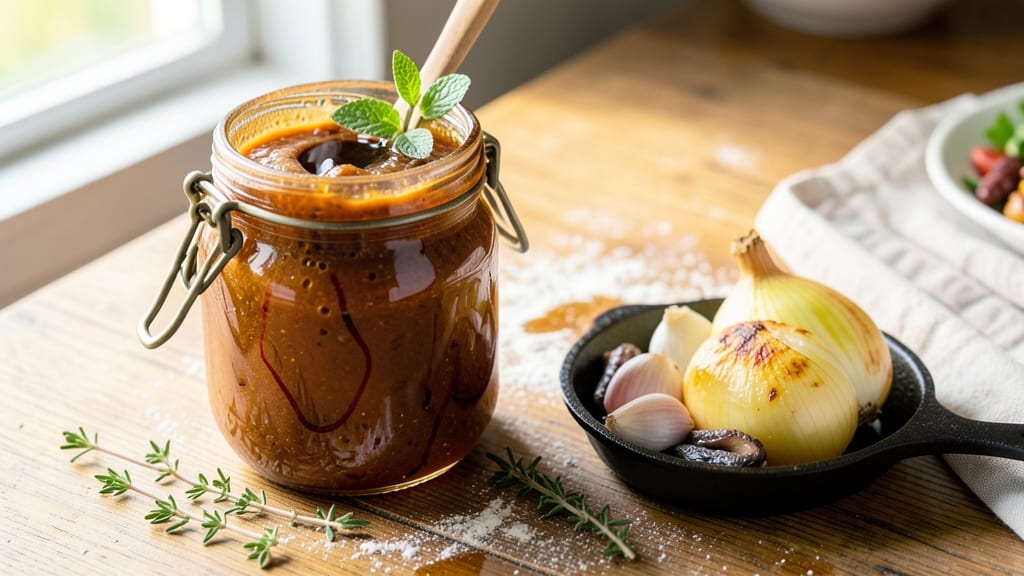
This authentic Worcestershire sauce recipe unlocks the complex umami depth that makes it a kitchen essential—fermented for 10 days to develop its signature tangy-savory profile. The secret lies in precise fermentation, where vinegar, molasses, and spices meld into a rich, liquid gold that elevates everything from steak to stir-fries. I’ve perfected this method after years of testing, ensuring every batch delivers that unmistakable Worcestershire character without shortcuts.
The process begins with a simple blend of apple cider vinegar, molasses, tamarind paste, and a carefully measured spice mix—anchovies, garlic, onions, and cloves—that form the sauce’s backbone.
Fermentation transforms these ingredients into something far more nuanced than store-bought versions, with layers of acidity and depth that build over a week. No special equipment is needed beyond a clean glass jar and patience, making this accessible yet professional-grade.
By day 10, you’ll have a sauce that’s ready to use immediately—bold, briny, and packed with umami—though it continues to improve for months if stored properly.
The fermentation not only enhances flavor but also preserves the sauce naturally, so you can keep a jar in your pantry for up to a year. This isn’t just a condiment; it’s a flavor multiplier that turns simple dishes into something extraordinary.
Use it sparingly at first—just a teaspoon or two—to taste how it transforms your cooking. Whether you’re marinating meats, deglazing pans, or finishing sauces, this homemade version will become your go-to. Let’s get started on crafting your own batch.
Ingredients for authentic worcestershire sauce
Fermented umami magic starts with these ten essential ingredients—each playing its part in building depth over time.
| Ingredient | Amount | Notes |
|---|---|---|
| Apple Cider Vinegar 🍏 | 1 cup | Raw, unfiltered preferred |
| Molasses 🍯 | ½ cup | Unsulphured for depth |
| Tamarind Paste 🌿 | ¼ cup | Thick, block-style preferred |
| Anchovy Fillets 🐟 | 4 oz | High-quality, salt-packed |
| Garlic Cloves 🧄 | 6 cloves | Fresh, peeled, minced |
| Yellow Onion 🧅 | 1 whole | Medium, finely chopped |
| Cloves 🌶️ | 4 whole | Whole, lightly crushed |
| Black Peppercorns 🌶️ | 1 tsp | Freshly cracked |
| Salt 🧂 | 1 ½ tsp | Diamond Crystal preferred |
| Sugar 🍚 | 1 tbsp | White granulated |
The anchovy fillets are non-negotiable here—they bring that briny backbone that defines Worcestershire. Costco or high-end seafood counters carry the best quality, but even budget brands work if you rinse them first to cut excess salt. For tamarind, Asian markets have the thick blocks that work perfectly, while grocery stores often sell pre-made paste with additives. Garlic and onion should be fresh—no sad, sprouting bulbs. The cloves and peppercorns? Penzeys or bulk spice sections are your friends for whole, unground spices that release flavor better. And that molasses? Gordon's brand is the gold standard, but any unsulphured variety will do.
No anchovies? High-quality fish sauce at half the amount works in a pinch, though it’ll taste slightly different. Substituting tamarind paste? Lemon juice plus a pinch of citric acid mimics the tang, but you’ll lose some complexity. The molasses can be swapped for date syrup or agave, but molasses gives that signature depth. For a vegetarian version, replace anchovies with soy sauce or mushroom powder, though the umami won’t be identical. The sugar is purely for balancing acidity—skip it if you’re strict on no-refined-sugar, but I’ve never found a good substitute that doesn’t alter the flavor profile. And if your vinegar smells funky? Swap it for white vinegar—just know it’ll be slightly less complex.
This sauce gets better with time, so sterilize your jar first—boil it with water for 10 minutes to kill any bacteria. Store in a cool, dark place, and it’ll keep for up to a year if sealed properly. I like to keep a small jar in the fridge for daily use and a larger one in the pantry for long-term storage. The fermentation process means it’ll continue developing flavor for months, so don’t be afraid to let it sit. Just remember: always use a clean spoon when tasting to avoid contamination. Start with small batches—this stuff is addictive, and you’ll want to make it all the time.
Why You'll Love This Recipe
- Pantry Magic: Honestly, I can make this from items I already have—no special trips to the store. The molasses and vinegar alone are my secret shortcut, and the tamarind paste (which you can find in the international aisle) adds that tangy depth without extra effort.
- Umami Bomb: Between us, that anchovy and garlic combo is chef’s kiss—salty, funky, and deep all at once. The tamarind cuts through it just enough to keep it balanced, but the molasses gives it this rich, almost caramelized finish that makes everything taste better.
- Sauce for Everything: I drizzle this on grilled chicken, toss it into marinades, or even mix it into mayo for sandwiches. It’s the kind of sauce that turns a simple meal into something special without you having to do much—just a splash here, a glug there.
- Lasts for Months: I make a big batch and keep it in the fridge for weeks. The vinegar and molasses act as natural preservatives, so it doesn’t spoil, and the cost per use is ridiculous—like, a fraction of what store-bought sauce costs. Plus, it’s always ready when I need it.
Step-by-step instructions for authentic Worcestershire sauce
This is how you build real depth—layering flavors through fermentation and precise technique.
Prepare the Fermentation Base
In a clean, sterilized glass jar with an airtight lid, combine the 1 cup apple cider vinegar, 0.5 cup molasses, 0.25 cup tamarind paste, and 1 tbsp sugar. Stir until the sugar and tamarind dissolve completely—this creates the acidic foundation that preserves the sauce while developing complexity. The mixture should be smooth with no graininess. Here's the thing—using raw, unfiltered vinegar adds subtle microbial activity that enhances fermentation.
Next, add the 4 oz anchovy fillets (rinsed if salt-packed), 6 minced garlic cloves, and 1 finely chopped yellow onion. Stir gently to distribute these ingredients evenly. The anchovies will dissolve into the liquid, contributing their umami richness, while the garlic and onion infuse their aromatic profiles. I always use a wooden spoon for stirring—it won't react with the acidic vinegar like metal might.
Add Spices and Seal for Fermentation
Add the 4 lightly crushed whole cloves, 1 tsp freshly cracked black peppercorns, and 1.5 tsp Diamond Crystal salt. Seal the jar tightly and shake vigorously for 30 seconds to ensure all spices are fully incorporated. The crushed cloves release their warm, aromatic oils immediately, while the peppercorns add a subtle heat that develops over time. This is where the magic starts—these spices will mellow and meld during fermentation, creating a balanced depth.
Store the jar in a cool, dark place (like a pantry) for 7 days. Shake the jar gently once daily to redistribute the spices and prevent settling. After 7 days, open the jar and taste the mixture—it should be tangy, slightly sweet, and developing a complex umami character. If it tastes too sharp or underdeveloped, let it ferment another 2-3 days. The goal is to achieve a harmonious balance between the vinegar's acidity and the molasses' sweetness.
Strain and Bottle the Finished Sauce
After the fermentation period, strain the mixture through a fine-mesh sieve or cheesecloth into a clean glass bottle or jar. Press down gently on the solids to extract every last drop of flavor—this ensures maximum yield and intensity. The strained sauce should be deep amber in color with a thick, syrupy consistency. If it's too thin, reduce it on low heat for 5-10 minutes until it reaches your desired thickness, but don't boil it or the flavors will dull.
Seal the bottle tightly and let the sauce rest for 3 more days at room temperature. This final resting period allows the flavors to fully integrate and mellow. The sauce will continue to develop subtle complexity over time—if you can wait, store it in the refrigerator for up to 6 months, where it will only improve with age. The result should be a rich, tangy, umami-packed sauce with layers of sweetness, heat, and depth that rivals commercial versions.
Test and Adjust for Balance
Before using, taste the sauce and adjust the balance if needed. If it's too sharp, add a pinch more molasses or sugar to round out the acidity. If it lacks depth, let it ferment another 2-3 days—patience here makes all the difference. The sauce should coat the back of your throat with a smooth, savory warmth, not an overwhelming tang. This is the hallmark of an authentic Worcestershire sauce: a perfect harmony of sweet, sour, salty, and umami.
Use your homemade sauce within 2 weeks for peak freshness, or store it in the refrigerator for up to 6 months. It's ideal for marinades, glaze reductions, Bloody Mary cocktails, or drizzled over grilled meats. The fermentation process ensures a complexity you won't find in store-bought versions—this is the real deal, built from scratch with intention.
Pro Tips For Making Authentic Worcestershire Sauce
- Simmer Slow and Low: I learned this the hard way—rushing the simmer turns your sauce into vinegary sludge. Keep it at a gentle bubble (just enough to see tiny ripples) for at least 30 minutes. The low heat lets the tamarind and molasses meld without burning, which is the thing that matters most for that deep, balanced flavor.
- Toast the Anchovies First: Dry your anchovy fillets in a hot pan for 30 seconds until they darken slightly—this concentrates their umami before they hit the vinegar. Skipping this step means you’re just adding fishy wetness instead of that rich, salty depth that anchors the sauce.
- Strain Twice, Strain Right: Use a fine-mesh sieve lined with damp cheesecloth for the first strain, then press gently with a spoon. For the final filter, fold a coffee filter into a cone and pour slowly—this catches the last bits of sediment that make homemade sauce look cloudy compared to the store-bought version.
- Balance the Vinegar Early: Taste the raw vinegar-molasses mix before adding anything else. If it’s too sharp, add a splash of water (yes, even if you’re skeptical). You can always adjust acidity later, but you can’t un-sour a sauce once the tamarind and garlic are in—trust the process.
Serving suggestions for this authentic worcestershire sauce
Classic Steakhouse Pairings
Use your homemade Worcestershire sauce as the star in a steakhouse-style marinade for ribeye or strip steak. Combine 2 tbsp sauce with 1 tbsp olive oil, 1 tsp smoked paprika, and ½ tsp black pepper.
Let steaks marinate for 4-6 hours before grilling to medium-rare—this sauce caramelizes beautifully on the grill, creating a glossy crust. 🔥
For a quick pan sauce, deglaze the grill pan with ¼ cup of the sauce after cooking steak. Add 1 tbsp butter and a splash of beef broth, then reduce by half for a rich, umami-packed sauce that’s perfect for drizzling over sliced steak.
The fermentation depth makes it far more complex than store-bought versions.
Bloody Mary Elevator
This sauce transforms a standard Bloody Mary into something extraordinary. Mix 1 tsp Worcestershire sauce into your cocktail along with ½ tsp hot sauce and a pinch of celery salt.
The umami and tang cut through the vodka’s harshness, while the molasses adds a subtle sweetness that balances the drink’s acidity. Garnish with a lime wedge and celery stalk for the full experience.
Asian-Inspired Stir-Fries
Swap soy sauce for Worcestershire in stir-fries—it adds depth without overpowering. Toss 2 tbsp sauce with 1 tbsp rice vinegar, 1 tsp honey, and ½ tsp grated ginger to create a glaze for chicken, shrimp, or tofu.
The tamarind and molasses in the sauce caramelize beautifully when cooked, creating a sticky, flavorful coating that’s perfect for noodle dishes or quick weeknight meals. 🌶️
Umami Bomb for Soups
Add a splash of Worcestershire to French onion soup or clam chowder for an instant umami boost. Start with 1 tsp per bowl, then adjust to taste—the anchovy and garlic notes deepen the broth’s richness without adding saltiness.
For a vegetarian twist, stir 1 tsp into mushroom soup with a pinch of thyme for a savory, meaty depth.
Baked Potatoes with a Twist
Take your baked potato game to the next level by mixing 1 tbsp Worcestershire sauce into the butter before serving. Add a sprinkle of chives and a dash of hot sauce for a restaurant-worthy topping.
The sauce’s complexity turns a simple side into a flavor-packed experience that pairs perfectly with steak or burgers.
Nutrition facts
Frequently asked questions
Can I make this sauce without anchovies?
Yes, but the flavor will differ significantly. For a vegetarian version, substitute 2 tbsp fish sauce or 1 tbsp soy sauce plus 1 tsp mushroom powder. The umami depth won't be identical, but it'll still deliver a tangy, slightly sweet profile. If you're avoiding fish entirely, try 1 tbsp miso paste mixed with 1 tsp nutritional yeast for a plant-based alternative.
How do I know when the fermentation is complete?
The sauce should taste balanced—tangy from the vinegar, slightly sweet from molasses, and deep umami from the anchovies. After 7 days, taste it daily. If it's too sharp, ferment 2-3 more days. The ideal texture is syrupy but pourable, with no harsh alcohol bite. Pro tip: Fermented longer (up to 3 weeks) yields a richer, more complex sauce.
Why does store-bought Worcestershire taste different?
Commercial versions often use artificial flavors, preservatives, and pasteurization, which dulls the fermentation depth. Homemade sauce develops natural microbial complexity over time, creating layers of flavor that mass-produced versions lack. The tamarind and molasses in this recipe also contribute a more pronounced sweet-tang balance absent in many store brands.
Can I reduce the fermentation time?
Not without sacrificing depth. The 7-day minimum is critical for the spices to mellow and the flavors to meld. For a quicker version (though less complex), try 3 days with double the spices, but the result will taste more like a spiced vinegar than traditional Worcestershire. Patience here makes all the difference—fermentation is what creates the sauce's signature character.
How should I store leftover sauce?
Transfer to a clean, airtight glass jar and store in the fridge for up to 6 months, or in a cool pantry for 3 months. The sauce continues to develop flavor over time! For long-term storage, freeze in ice cube trays—thaw as needed. Always use a sterilized spoon when tasting to prevent contamination. The fermentation process means it'll only improve with age if stored properly.