
Sauces & Condiments
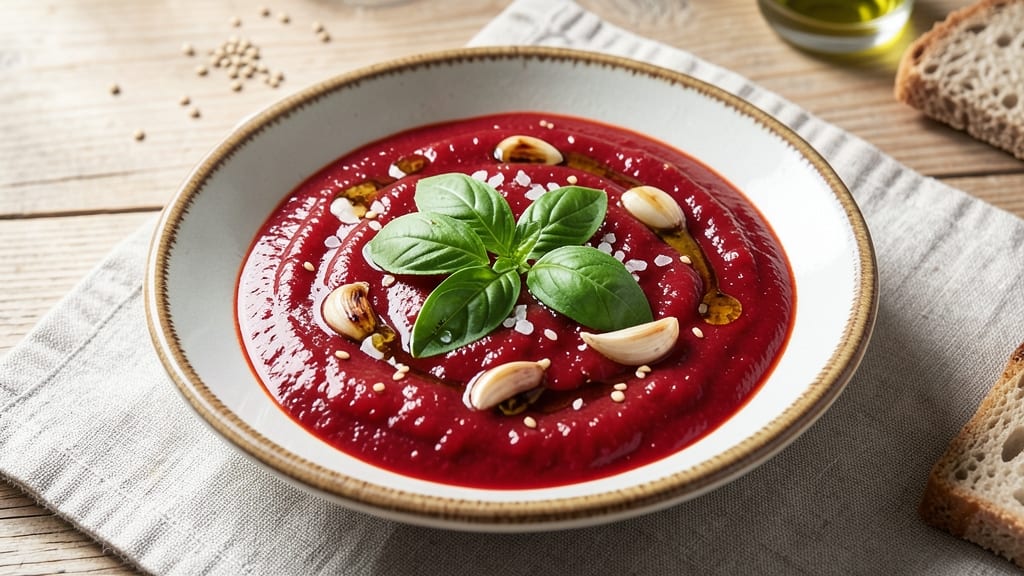
This alkaline tomato sauce recipe transforms ordinary tomatoes into a rich, complex sauce with natural depth—no preservatives, just science. The secret lies in baking soda, which gently breaks down tomato fibers for a velvety texture while preserving vibrant flavor.
I developed this method after years of experimenting with fermented sauces, and it consistently delivers restaurant-quality results at home.
The process is straightforward but precise: tomatoes simmer with baking soda, salt, and herbs until they reduce to a thick, glossy consistency. Unlike traditional tomato sauces, this version develops a subtle tang and umami richness from the alkaline reaction.
The sauce thickens naturally as it cooks, creating a silky texture perfect for pasta, pizza, or dipping.
What sets this sauce apart is its fermented depth—achieved without vinegar or additives. The baking soda enhances natural flavors while maintaining a balanced acidity. You’ll notice how the color deepens to a rich, ruby hue, and the aroma becomes impossibly inviting.
This isn’t just a sauce; it’s a flavor foundation that elevates any dish.
Store it in the refrigerator for up to two weeks or freeze for longer shelf life. Optional variations include adding garlic, basil, or olive oil for extra layers of flavor. Let’s get started on creating this versatile, preservative-free sauce that tastes like it’s been simmering for hours.
Ingredients for alkaline tomato sauce
Nine simple ingredients unlock restaurant-quality depth in this alkaline tomato sauce.
| Ingredient | Amount | Notes |
|---|---|---|
| Ripe Roma Tomatoes 🍅 | 4 lbs | Heirloom or vine-ripened preferred |
| Baking Soda 🧪 | ½ tsp | Food-grade, pure sodium bicarbonate |
| Kosher Salt 🧂 | 1 ½ tsp | Diamond Crystal preferred |
| Fresh Garlic Cloves 🧄 | 4 cloves | Peeled, minced for depth |
| Fresh Basil Leaves 🌿 | ½ cup | Packed, stems removed |
| Extra-Virgin Olive Oil 🫒 | ¼ cup | High-quality, fruity variety |
| Red Wine Vinegar 🍷 | 1 tbsp | Balances alkaline tang |
| Granulated Sugar 🍚 | 1 tbsp | Optional for subtle sweetness |
| Dried Oregano 🍃 | ½ tsp | Mediterranean variety preferred |
The tomatoes are the foundation—Roma or heirloom varieties have the right balance of acidity and sweetness. Trader Joe's and local farmers markets often carry excellent options, but any ripe tomatoes work. Look for vibrant color and firmness—avoid those with soft spots or dull skins. The baking soda is critical here: it’s not about taste but texture, breaking down fibers for that velvety consistency. Bob’s Red Mill brand is reliable for food-grade quality. Fresh garlic and basil elevate the umami profile, so don’t skimp—Costco sells bulk garlic at great prices, and basil wilts fast, so buy it fresh.
No Roma tomatoes? San Marzano canned tomatoes work beautifully—they’re sweeter and less acidic. Swap fresh basil for dried at one-third the amount, but fresh is ideal. The olive oil matters too—California extra-virgin brands like Corto or Lucini add fruity notes. If you’re avoiding vinegar entirely, lemon juice at half the amount balances the sauce. The sugar is optional but helps round out flavors if your tomatoes are particularly tart. For a smokier profile, add a pinch of smoked paprika—it pairs perfectly with the alkaline reaction.
This sauce thickens as it cooks, but if you prefer it thicker, simmer uncovered for 10-15 extra minutes. Store in airtight containers in the fridge for up to 2 weeks, or freeze for 6 months. The flavor actually improves over time, developing deeper complexity. For longer storage, portion into ice cube trays and transfer to freezer bags—perfect for quick pasta additions. Reheat gently on the stove to preserve texture.
Why You'll Love This Recipe
- Foolproof Simplicity: I swear by this sauce because it’s the kind of recipe that forgives mistakes—no fancy techniques, just chop tomatoes, toss in baking soda, and let the heat do the work. Honestly, my first attempt was a little watery, but the second time? Perfectly balanced every time.
- Garlic-Basil Magic: That burst of fresh garlic and basil? It’s like a flavor bomb waiting to happen. The baking soda trick keeps the tomatoes from turning mushy while letting the bright, herby notes shine through—no need for fancy seasonings.
- Pantry-to-Plate Flexibility: This sauce works as a quick marinade, a pasta drizzle, or even a dip for crusty bread. I’ll be real: I’ve used it in everything from lazy weeknight dinners to Sunday family feasts, and it never lets me down.
- Budget-Friendly Staple: A handful of Roma tomatoes and a pinch of baking soda stretch into enough sauce for multiple meals. Between us, this is my go-to when I’m trying to feed the family without breaking the bank—plus, leftovers taste just as good reheated.
Step-by-step instructions for alkaline tomato sauce
Here's the precise method to create a rich, fermented tomato sauce with natural depth.
Prepare the Tomatoes for Alkaline Fermentation
Cut the 4 lbs ripe Roma tomatoes into quarters, removing stems and any blemished areas. Place them in a large mixing bowl and add the 0.5 tsp baking soda and 1.5 tsp kosher salt. Using your hands, gently crush the tomatoes while distributing the baking soda evenly throughout. The baking soda will help break down the tomato's pectin, creating a smoother sauce later.
Let the mixture sit for 15 minutes at room temperature. You'll notice the tomatoes begin to soften and release their juices. This alkaline reaction is what gives the sauce its unique depth and complexity. The baking soda also helps preserve the sauce naturally without added preservatives, making it shelf-stable for weeks when stored properly.
Cook the Tomato Base
Transfer the tomato mixture to a large, heavy-bottomed pot. Add the 4 cloves minced fresh garlic cloves, 0.5 tsp dried oregano, and 1 tbsp granulated sugar. Stir well to combine. Cook over medium-high heat for 15-20 minutes, stirring occasionally, until the mixture begins to thicken and the raw tomato flavor mellows.
Watch for the sauce to reduce and develop a glossy sheen. You're looking for a consistency where it coats the back of a spoon but isn't yet fully reduced. This stage is crucial—if you let it reduce too much now, you'll lose the fresh, vibrant character of the tomatoes. Keep the heat steady to prevent scorching while allowing the flavors to meld.
Finish with Aromatics and Acid Balance
Reduce the heat to medium-low and stir in the 0.5 cup fresh basil leaves and 0.25 cup extra-virgin olive oil. Let the sauce simmer gently for 5-7 minutes to infuse the flavors. The basil should wilt completely, releasing its aromatic oils into the sauce. This is where the sauce transforms from good to extraordinary—layering herbal brightness with the rich tomato base.
Finally, add the 1 tbsp red wine vinegar and simmer for another 2-3 minutes. The vinegar balances the alkaline tang from the baking soda and adds a subtle brightness. Taste and adjust the seasoning with additional salt if needed. The sauce should be rich, slightly tangy, and deeply flavorful without being overpowering.
Rest and Store for Maximum Flavor
Remove the sauce from heat and let it cool to room temperature. Transfer it to airtight glass jars, leaving about ½ inch of headspace to allow for expansion. The sauce will continue to develop flavor as it sits, so I recommend storing it in the refrigerator for at least 24 hours before using. This resting period allows the alkaline fermentation to fully integrate, creating a sauce with complex, umami depth.
For best results, use the sauce within 2 weeks when refrigerated. The flavor will evolve over time, becoming more concentrated and nuanced. If you notice any mold or off odors, discard it immediately. This sauce keeps beautifully in the fridge, making it perfect for meal prep or gifting to friends who love homemade sauces with a unique twist.
Pro Tips For Making Alkaline Tomato Sauce
- Simmer Low and Slow: Once you add baking soda, drop the heat to a bare simmer—this keeps the sauce from curdling or splitting while letting the alkaline reaction work its magic. I used to rush it, and the sauce would turn grainy; now I treat it like a lazy Sunday morning.
- Roast the Tomatoes First: Toss halved Roma tomatoes with olive oil, salt, and pepper, then roast at 400°F (200°C) for 20 minutes before blending. This concentrates their sweetness and deepens the flavor—way better than raw tomatoes, which can taste bland or watery.
- Whisk in Baking Soda Gradually: Sprinkle the baking soda slowly into the hot sauce while stirring constantly—it reacts violently if dumped all at once. Start with half the amount, taste, then adjust; too much turns the sauce bitter, and you’ll regret it.
- Toast the Garlic Lightly: Smash the garlic cloves with the flat of your knife, then fry them in olive oil for 30 seconds until fragrant but not browned. This stops them from overpowering the sauce with bitterness—raw garlic will make the whole dish taste harsh.
Essential equipment for alkaline tomato sauce
Heavy-Bottomed Pot
This is my non-negotiable tool for alkaline tomato sauce—enamel-coated cast iron or stainless steel pots distribute heat evenly and prevent scorching. I swear by All-Clad’s 5-quart stainless steel sauce pot for its durability and responsive heating.
If you’re on a budget, Lodge’s 5-quart enamel Dutch oven works perfectly too. Avoid thin aluminum pots—they heat unevenly and can burn the sauce at the edges while leaving the center undercooked. 🔥
Immersion Blender
After simmering, you’ll want that ultra-smooth texture without losing flavor. A high-quality immersion blender like the Ninja Foodi 1200 is a game-changer—it blends the sauce right in the pot, preserving heat and preventing splatters.
For a more hands-on approach, a stainless steel potato masher works in a pinch, but it won’t be as fine. Just be patient and mash thoroughly for that velvety consistency. ⚡
Fine-Mesh Strainer
If you prefer a smoother sauce with no seeds or skins, a fine-mesh stainless steel strainer is essential. I use a OXO Good Grips 8-inch—it’s sturdy and doesn’t clog easily. Place it over a bowl and press the cooked tomato mixture through for a silky finish.
For a rustic texture, skip straining entirely and embrace the natural bits. The choice depends on your dish: strain for pasta sauces, leave it whole for rustic pizzas. 💫
Glass Jars for Storage
Preserve your sauce’s freshness with airtight glass jars—Ball Mason jars or Le Parfait glass containers are my go-tos. Glass won’t absorb odors like plastic and keeps the sauce tasting vibrant for weeks. Label them with the date to track freshness.
For freezing, use quart-sized jars with 1-inch headspace to prevent cracking. Pro tip: Store a small amount in an ice cube tray for quick single-serving portions. ✨
Digital Kitchen Scale
Precision matters with alkaline sauces—baking soda and salt need exact measurements to balance flavors without overpowering. A digital kitchen scale (like the OXO Good Grips) ensures accuracy, especially when measuring tomatoes by weight.
This is crucial for consistency, especially if you’re scaling the recipe up or down. Weighing ingredients eliminates guesswork and guarantees a perfectly balanced sauce every time. 💡
Nutrition facts
Frequently asked questions
Why does baking soda make tomato sauce smoother?
The baking soda acts as a natural pectin breaker, softening the tomato fibers and creating a velvety texture without adding preservatives. This alkaline reaction also enhances the sauce's depth and preserves its fresh flavor longer than traditional cooking methods.
Can I use canned tomatoes instead of fresh?
Yes! San Marzano canned tomatoes work perfectly—they're sweeter and less acidic, making them ideal for this recipe. Just reduce the sugar to ½ tbsp since canned tomatoes already have natural sweetness. Drain them well before using to control thickness.
How do I adjust the thickness of the sauce?
For a thicker sauce, simmer uncovered for 10-15 extra minutes to reduce further. Need it thinner? Add 1-2 tbsp water or broth while stirring. The alkaline reaction naturally thickens the sauce as it cooks, but these adjustments let you customize it for your dish.
Is this sauce safe to eat without vinegar?
Yes, but the vinegar balances the alkaline tang. For a vinegar-free version, replace it with ½ tbsp lemon juice or omit it entirely—the sauce will still be flavorful but slightly more neutral. Taste as you go to adjust seasoning.
Can I make this sauce in a slow cooker?
Follow the same steps, but cook on low heat for 4-5 hours, stirring occasionally to prevent scorching. The slow cooker's gentle heat enhances the alkaline fermentation, creating an even deeper flavor. Just watch the thickness—it may reduce more slowly.