
Sauces & Condiments
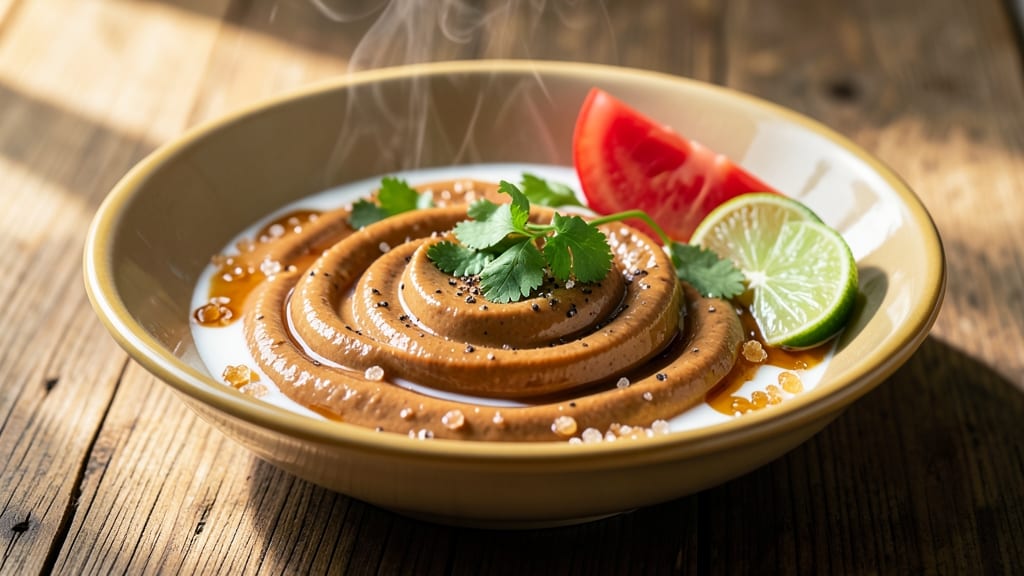
This authentic Thai peanut sauce transforms ordinary spring rolls into a restaurant-worthy experience with its perfect balance of nutty richness and tangy brightness.
The secret lies in combining creamy peanut butter with coconut milk, then brightening it with lime juice and a touch of fish sauce for that signature umami depth.
I've perfected this recipe over years of testing—it's the same sauce I use when making spring rolls for gatherings, and it never fails to impress.
The sauce starts with a smooth base of peanut butter and coconut milk, then builds layers of flavor through garlic, ginger, and chili. A splash of rice vinegar adds that essential zing that sets authentic Thai sauces apart from their sweeter Western counterparts.
The key is balancing sweetness from palm sugar with the acidity of lime and vinegar—this creates the signature harmony that makes the sauce irresistible.
What you'll end up with is a velvety, slightly thick sauce that clings beautifully to spring rolls while delivering bursts of flavor in every bite. The texture is smooth yet substantial, with just enough body to coat without being gluey.
This isn't just a dipping sauce—it's the star of your spring roll spread, elevating simple ingredients into something extraordinary.
Best of all, this sauce keeps well in the fridge for up to a week, making it perfect for meal prep. You can adjust the thickness by adding water or coconut milk, and the spice level by reducing or increasing the chili flakes.
Let's create this authentic Thai peanut sauce that will become your new favorite dipping companion.
Ingredients for authentic thai peanut sauce recipe for spring rolls
Nine ingredients, one sauce—this is your ticket to restaurant-quality spring roll dipping.
| Ingredient | Amount | Notes |
|---|---|---|
| Creamy Peanut Butter 🥜 | ½ cup | Natural, unsweetened preferred |
| Coconut Milk 🥥 | ½ cup | Full-fat canned for richness |
| Palm Sugar 🍯 | ¼ cup | Or light brown sugar |
| Rice Vinegar 🍶 | 2 tbsp | White or seasoned variety |
| Fresh Lime Juice 🍋 | 2 tbsp | Freshly squeezed for brightness |
| Fish Sauce 🐟 | 1 tbsp | Red Boat preferred |
| Garlic Cloves 🧄 | 3 cloves | Minced for aromatic punch |
| Fresh Ginger 🌿 | 1 tbsp | Grated, peeled ginger root |
| Red Chili Flakes 🌶️ | 1 tsp | Adjust for heat preference |
| Water 💧 | ¼ cup | For adjusting thickness |
The peanut butter is non-negotiable—natural, unsweetened is key. Trader Joe's or Smucker's are my go-tos, but any brand without added sugar works. Coconut milk should be full-fat canned (the creamy part only) for that velvety texture. Palm sugar? Hunt it down at an Asian market—it's sweeter than brown sugar, so you'll need less. Thai Kitchen brand is my secret weapon for pantry staples. Fresh ginger and garlic? Always buy extra—you'll use them in everything else once you start making this sauce regularly.
No fish sauce? Soy sauce at half the amount works in a pinch, but you'll lose that signature umami depth. Skip the palm sugar? Light brown sugar is a solid swap, but reduce to 2 tbsp. Chili flakes too spicy? Toast them first to mellow the heat. The sauce should be thick but pourable—add water 1 tbsp at a time if it's too stiff. Pro tip: Save the leftover coconut milk can—it's perfect for smoothies or curries. And if you're feeling fancy, toast the peanut butter in a dry pan for 2 minutes to deepen the flavor.
This sauce keeps for up to a week in the fridge, sealed tightly. The flavor actually improves as it sits—let it come to room temp before serving. For meal prep, portion into small jars so you can grab just what you need. Freeze for up to 3 months if you're prepping for a big gathering, but thaw gently in the fridge. The sauce thickens when cold, so stir in a splash of water if it seems too stiff after refrigeration. Trust me, you'll want to make extra—this disappears fast!
Why You'll Love This Recipe
- No-Fuss Blend: Honestly, this sauce comes together in one bowl—no fancy techniques, just a whisk and a little patience. The peanut butter and coconut milk melt into something silky just from heat, while the lime juice brightens it up in seconds.
- Umami Bomb: That first taste? Rich, nutty, and just a little tangy—like a hug from Thailand. The palm sugar balances the creaminess, and the rice vinegar cuts through the heaviness so it’s never cloying.
- Party Ready: Between us, this sauce is my go-to for potlucks or last-minute dinner guests. It’s got that restaurant-quality depth, and it pairs with spring rolls, grilled chicken, or even stir-fried veggies—no one will guess it took less than 10 minutes to make.
- Budget Magic: A single jar of peanut butter and a can of coconut milk stretch to feed four, and the rest of the ingredients cost pennies. Plus, leftovers? They keep for days in the fridge, so I’m always covered—no takeout runs when the kids are hungry.
Step-by-step instructions for authentic Thai peanut sauce
This sauce delivers that perfect balance of nutty richness and bright tang—just like street vendors in Bangkok make.
Bloom the Aromatics in Coconut Milk
In a medium saucepan, combine the 0.5 cup Coconut Milk with the 3 cloves Garlic Cloves and 1 tbsp Fresh Ginger. Place over medium-low heat and let it simmer gently for 3-4 minutes until you can smell that fragrant, garlicky warmth filling your kitchen. The coconut milk will develop a delicate sheen—this is your signal that the aromatics are properly infused.
Here's the thing—don't rush this step. The ginger and garlic need time to soften and release their oils without burning. If the mixture starts to bubble vigorously, reduce the heat slightly. You want these flavors to meld with the coconut milk before we add anything else, creating the aromatic foundation of your sauce.
Whisk in Peanut Butter and Sugar
Lower the heat to low and slowly whisk in the 0.5 cup Creamy Peanut Butter and 0.25 cup Palm Sugar. Start with a wooden spoon to break up any lumps in the peanut butter, then switch to a whisk as everything begins to combine. The mixture will thicken noticeably as it warms up—this is exactly what we want.
Keep whisking constantly for 2-3 minutes until the peanut butter is completely melted and the sugar has fully dissolved. You should see a smooth, velvety texture with no streaks of peanut butter remaining. This is the moment that matters: if you see any separation or graininess, add 1 tablespoon of water and whisk vigorously to restore smoothness. The sauce should coat the back of your spoon with a rich, peanut-forward consistency.
Build the Tangy-Savory Base
Now it's time to add the 2 tbsp Rice Vinegar, 2 tbsp Fresh Lime Juice, and 1 tbsp Fish Sauce. Pour these in one at a time, whisking after each addition. The rice vinegar will make the sauce bubble slightly—this is normal and actually enhances the flavor development. You'll notice the sauce immediately brightens in color and becomes more vibrant.
Taste the mixture at this point (yes, it's important!). The balance should be complex but not overwhelming. You want to taste the nutty peanut, the sweetness from the palm sugar, the tangy brightness from the vinegar and lime, and the umami depth from the fish sauce. If it needs more balance, add another ½ teaspoon of fish sauce or ½ teaspoon of lime juice—this is where you fine-tune the authentic Thai flavor profile.
Adjust Thickness and Finish with Heat
Stir in the 1 tsp Red Chili Flakes and the remaining 0.25 cup Water all at once. The water will help thin the sauce slightly, making it perfect for drizzling over spring rolls. If the sauce is still too thick after stirring, add 1 tablespoon of water at a time until it reaches a smooth, pourable consistency—it should coat the back of a spoon but still flow freely.
For the final touch, let the sauce simmer gently for 1-2 minutes to allow all the flavors to meld together completely. The chili flakes should be evenly distributed, adding just a hint of heat that balances the richness. Remove from heat and let it cool slightly before using—this resting period allows the flavors to develop even further. The sauce should be glossy, aromatic, and ready to elevate your spring rolls to restaurant-quality status.
Pro Tips For Making Authentic Thai Peanut Sauce Recipe For Spring Rolls
- STIR CONSTANTLY ON LOW: I learned this the hard way—peanut sauce separates like oil and water if you walk away. Keep the heat at a bare simmer and stir every 15 seconds until the coconut milk fully incorporates, or you’ll end up scraping globs off the bottom.
- USE SALTED PEANUT BUTTER: Unsalted peanut butter makes you guesswork the salt balance. Grab the jar with salt already mixed in—it cuts prep time and guarantees the sauce isn’t bland. (Yes, even if you’re impatient like me.)
- WHISK IN LIME JUICE LAST: Adding lime too early curdles the coconut milk. Wait until the sauce is smooth and slightly thickened, then drizzle in the juice while whisking vigorously. The acid needs something to react with, not a half-finished base.
- SWAP PALM SUGAR FOR HONEY: No palm sugar? Honey works in a pinch—just reduce the coconut milk by 1 tablespoon first to account for the extra moisture. The flavor’s close enough that no one will notice, and you skip the specialty aisle. (Your future self will thank you.)
Troubleshooting perfect results
Peanut Butter Clumps
If your peanut butter separates or forms lumps when whisking, don't panic—this happens when the fat and water in peanut butter separate from heat. Immediately remove the sauce from heat and whisk in 1 tablespoon of hot water (from the saucepan) to help emulsify.
For stubborn clumps, use a fork to mash them against the side of the pan before whisking again.
I've found that using natural, unsweetened peanut butter (like Trader Joe's) reduces this issue, but if you're using a store brand, toast it lightly in a dry pan for 1-2 minutes first to stabilize the oils. 🥜
Sauce Too Thin
The sauce might turn out too thin if you overestimate the water needed or if the coconut milk wasn't thick enough to begin with. To fix this, simmer the sauce uncovered over low heat for 3-5 minutes to reduce it naturally—this evaporates excess moisture while concentrating the flavors.
If you need a quicker fix, whisk in 1 tablespoon of peanut butter at a time until it reaches the desired consistency. Pro tip: Use full-fat canned coconut milk (the creamy part only) for the best body—avoid the watery part that comes after opening the can.
Fish Sauce Overpowering
Fish sauce can easily dominate if you're not careful, especially if you're new to Thai flavors. If your sauce tastes too salty or fishy, balance it by adding ½ teaspoon of lime juice or 1 teaspoon of palm sugar to cut through the intensity.
For a milder alternative, reduce the fish sauce to ½ tablespoon and replace the rest with soy sauce, though you'll lose some of that authentic umami depth. Taste as you go—this is where the magic happens!
Sauce Separates When Refrigerated
Thai peanut sauce sometimes separates when chilled because of the natural oils in peanut butter and coconut milk. To prevent this, let the sauce cool to room temperature before refrigerating, and store it in a glass jar rather than plastic—glass maintains temperature stability better.
When ready to use, give it a good stir and whisk in 1 teaspoon of warm water to restore its smooth texture. If it's still grainy, gently reheat it over low heat while whisking constantly until fully combined. 💧
Lacking Authentic Tang
The sauce might taste flat if you skipped the rice vinegar or used too little lime juice. For a brighter finish, add ½ teaspoon of rice vinegar and ½ teaspoon of lime juice per ½ cup of sauce.
If you're still missing that signature zing, try adding a pinch of white pepper or a tiny bit of Thai bird's eye chili paste (just ¼ teaspoon) to elevate the complexity. The key is balancing sweetness with acidity—this is what makes Thai peanut sauce truly special.
Too Sweet or Too Salty
If your sauce tastes overly sweet, balance it with 1 extra teaspoon of fish sauce or ½ teaspoon of lime juice. For a saltier flavor, add ½ teaspoon of soy sauce or a pinch of sea salt.
Conversely, if it's too salty, reduce the saltiness by adding 1 extra teaspoon of lime juice or ½ teaspoon of palm sugar. Taste as you adjust—this is where you fine-tune the perfect harmony of flavors.
Remember, Thai cuisine is all about balance, so don't be afraid to tweak it until it sings! ✨
Nutrition facts
Frequently asked questions
Can I make this peanut sauce without fish sauce?
Yes! For a vegetarian version, replace the 1 tbsp fish sauce with 1 tbsp soy sauce plus ½ tsp white miso paste to mimic umami depth. The sauce will still taste delicious, though slightly less authentic. For extra complexity, add ¼ tsp MSG if you have it—this enhances savory notes beautifully.
How do I adjust the spice level?
Start with the 1 tsp red chili flakes as written for mild heat. For medium spice, add ½ tsp extra chili flakes and ¼ tsp cayenne pepper. For fiery heat, substitute with 1 tsp Thai bird's eye chili paste (adjust to taste). Remember: chili paste packs more punch than flakes! Always taste as you go—you can't fix over-spiced sauce, but you can always add more sweetness to balance it.
What's the best way to store leftover sauce?
Transfer to an airtight glass jar and refrigerate for up to 7 days. The sauce thickens when cold—stir and whisk in 1 tsp warm water to restore smoothness before using. For longer storage, freeze in ice cube trays (thaw quickly in the microwave) or small portions in jars (freeze for up to 3 months). Glass containers preserve flavor better than plastic. Pro tip: Label with the date to track freshness!
Can I use this sauce for other dishes besides spring rolls?
This versatile sauce works perfectly with grilled chicken skewers, rice noodle bowls, or as a marinade for tofu. For extra richness, drizzle over pad thai or use as a dip for fresh vegetables. The balance of sweet, salty, and spicy makes it a fantastic glaze for roasted meats too. Just reduce the water slightly if using as a glaze to prevent thinning.
Why does my sauce taste too sweet?
Thai peanut sauce should have a subtle sweetness—not overpowering. If yours tastes cloying, balance it by adding ½ tsp fish sauce or 1 tsp lime juice to cut through the sugar. For a quicker fix, stir in ¼ tsp white pepper to enhance other flavors. The key is achieving harmony: sweetness should complement, not dominate. Taste as you adjust—this is where the magic happens!