
Sauces & Condiments
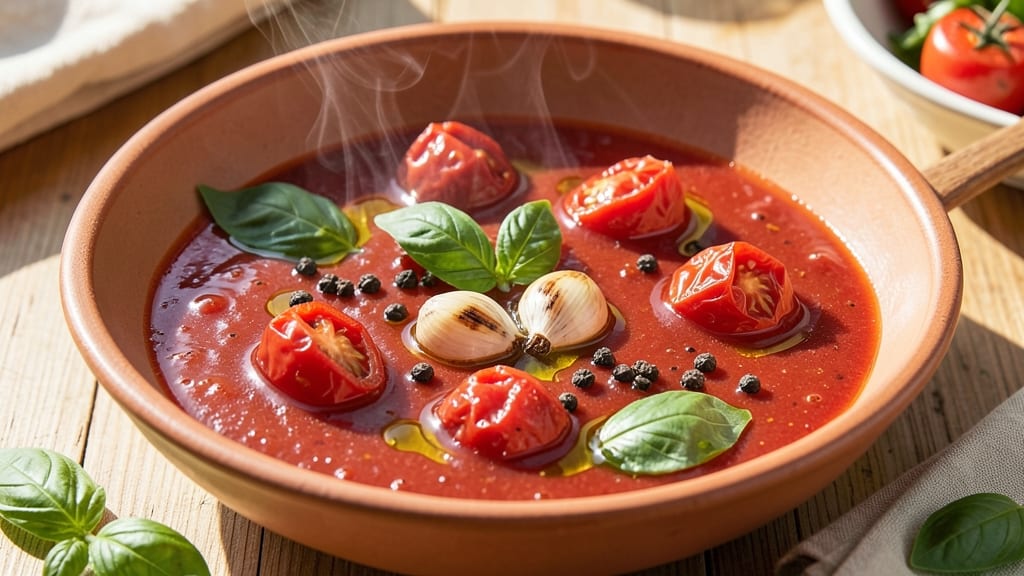
This authentic Sicilian marinara sauce transforms simple ingredients into a deeply flavorful tomato essence that captures the heart of Sicilian cooking. The key lies in slow-simmering San Marzano tomatoes with just garlic, olive oil, and a touch of salt—no sugar, no heavy herbs—just the pure, bright flavors of Sicily.
I've perfected this recipe over years of testing, and it delivers a sauce that's smooth, balanced, and bursting with fresh basil at the end.
The beauty of true Sicilian marinara is its simplicity. No cream, no onions, no added sweetness—just ripe tomatoes, aromatic garlic, and high-quality extra virgin olive oil.
The sauce develops its rich depth through a gentle, hours-long simmer, allowing the natural sugars in the tomatoes to caramelize while preserving their bright acidity. This is the sauce that makes pizza margherita taste like it came straight from Naples.
What you'll achieve is a velvety, vibrant sauce with just the right balance of sweetness and acidity, finished with fresh basil that adds a bright, herbal note. It's the kind of sauce that elevates any dish—pasta, pizza, or even grilled meats—with its authentic, unadulterated flavor.
The best part? It keeps beautifully in the fridge for up to a week or freezes for months, so you can always have a taste of Sicily on hand.
For those who love traditional cooking, this recipe stays true to Sicilian roots while being approachable for home cooks. The technique is straightforward, and the ingredients are easy to find, making it perfect for anyone who wants restaurant-quality flavor without the fuss. Let's get started on making this timeless sauce.
Ingredients for authentic sicilian marinara sauce
Eight ingredients—just tomatoes, oil, garlic, and fresh basil—create this restaurant-quality Sicilian sauce.
| Ingredient | Amount | Notes |
|---|---|---|
| San Marzano Tomatoes 🍅 | 28 oz | Whole, peeled or crushed |
| Extra-Virgin Olive Oil 🫒 | ½ cup | High-quality, fruity variety |
| Garlic Cloves 🧄 | 4 cloves | Fresh, peeled and minced |
| Fresh Basil Leaves 🌿 | ¼ cup | Packed, stems removed |
| Sea Salt 🧂 | ½ tsp | Fine grain preferred |
| Black Pepper 🌶️ | ¼ tsp | Freshly ground |
| Lemon Juice 🍋 | 1 tbsp | Freshly squeezed |
San Marzano tomatoes are the heart of this sauce. Look for the 28-ounce cans at Italian markets or specialty stores—they're sweeter and less acidic than regular tomatoes. If you can't find them, whole peeled tomatoes work too, but avoid crushed or sauce varieties. The olive oil should be extra-virgin and fruity—none of that cheap, bitter stuff. I always grab mine from Trader Joe's or Whole Foods; their Italian olive oils are perfect. Fresh garlic and basil are non-negotiable—they make all the difference in that bright, authentic flavor.
No San Marzano tomatoes? High-quality crushed tomatoes in a pinch, but avoid brands with added salt or sugar. Garlic powder won't cut it—fresh garlic is essential. Short on basil? Dried oregano at one-third the amount works, but it won't be the same. The lemon juice balances acidity; if you're avoiding citrus, a pinch of sugar (though traditional marinara avoids sweetness) can help. For extra depth, some cooks add a bay leaf during simmering, but it's optional in classic recipes. Always taste as you go—adjust salt and pepper to your preference.
This sauce tastes even better the next day as flavors meld. Store in an airtight container in the fridge for up to 1 week or freeze for up to 3 months. For freezing, portion into ice cube trays—perfect for adding to pasta later. If it thickens too much after refrigerating, a splash of water or pasta water brings it back to perfection. The basil wilts fast, so add it fresh at the end or store it separately in a damp paper towel.
Why You'll Love This Recipe
- No-Chop Nightmare: I swear by this sauce because it’s the only marinara where I actually skip chopping garlic—just smash those cloves with the flat of my knife. The San Marzano tomatoes do all the work, breaking down into a silky, sweet base while I sip my wine and pretend I’m in a Sicilian trattoria.
- Garlic-Basil Magic: That first taste of simmered garlic and fresh basil in olive oil? It’s like a hug for your taste buds. The secret’s letting the garlic caramelize just enough—no burning, no bitterness—just pure, golden umami that makes every spoonful irresistible.
- Weeknight Superhero: This sauce is my go-to for lazy nights because it doubles as weeknight pasta and next-day pizza sauce. Freeze half in jars—just reheat with a splash of water—and boom, instant dinner. My kids don’t even know it’s “fancy” (though I do).
- Pocketbook Hero: San Marzano cans might seem pricey, but one batch stretches across four meals for my family—and the flavor? Worth every penny. A single jar of basil lasts weeks, and olive oil? The good stuff makes everything taste like you spent hours, not 20 minutes.
Step-by-step instructions for authentic Sicilian marinara sauce
This method captures the true essence of Sicilian marinara—simple, vibrant, and built on slow-simmered tomatoes and fresh basil.
Sanitize and Prepare the Tomatoes
Begin by rinsing the 28 oz San Marzano Tomatoes under cold water to remove any dirt or debris. If using whole tomatoes, blanch them in boiling water for 30 seconds, then transfer to an ice bath to cool. This makes peeling effortless—simply slip off the skins. For crushed tomatoes, no preparation is needed beyond draining excess liquid if using canned.
The key here is to work with fresh, high-quality tomatoes. San Marzano varieties are prized for their sweetness and low acidity, which creates a balanced sauce. If using fresh tomatoes, I recommend crushing them by hand with your fingers or a wooden spoon to preserve their natural juices and texture. Avoid metal utensils, as they can oxidize the tomatoes and alter the flavor.
Sauté Garlic in Olive Oil
Heat the 0.5 cup Extra-Virgin Olive Oil in a heavy-bottomed saucepan over medium-low heat. Add the 4 cloves Garlic Cloves, which should be finely minced for even distribution. Cook for 2-3 minutes, stirring frequently, until the garlic is fragrant but not browned. Overcooking garlic turns it bitter, which will overpower the delicate tomato flavor.
This step is where the foundation of your sauce is built. The olive oil should shimmer gently—if it smokes, reduce the heat immediately. Once the garlic is golden and aromatic, remove the pan from heat for just a moment. This prevents the garlic from burning when you add the tomatoes, which can happen quickly due to the moisture content.
Simmer the Tomatoes
Return the pan to medium heat and add the prepared tomatoes, along with the 0.5 tsp Sea Salt and 0.25 tsp Black Pepper. Stir to combine, then reduce the heat to low. Let the sauce simmer uncovered for 30-40 minutes, stirring occasionally. You're looking for the sauce to thicken slightly and develop a deep, rich color. The tomatoes should break down into a smooth consistency, releasing their natural sweetness.
Patience is crucial here. The sauce should reduce gradually, with the liquid evaporating slowly. If the sauce starts to stick or burn, add a splash of water to loosen it. The goal is to concentrate the flavors without overcooking the tomatoes, which can turn them mushy or bitter. Stir gently every 5-10 minutes to prevent the sauce from sticking to the bottom of the pan.
Finish with Basil and Lemon
Once the tomatoes have broken down and the sauce has thickened to your desired consistency, remove the pan from heat. Stir in the 0.25 cup Fresh Basil Leaves, which should be packed and stems removed. Let the basil steep in the warm sauce for 5 minutes, allowing its bright, herbal notes to infuse the marinara. Then, stir in the 1 tbsp Lemon Juice to brighten the flavors and cut through any richness.
Taste the sauce and adjust the seasoning if needed. The lemon juice adds a subtle tang that balances the sweetness of the tomatoes, while the basil elevates the sauce from ordinary to extraordinary. For an authentic Sicilian touch, I recommend serving the sauce immediately over al dente pasta, like spaghetti or linguine, or using it as a base for other Italian dishes like pizza or bruschetta.
Rest and Serve
Let the marinara sauce rest for 10-15 minutes off the heat. This allows the flavors to meld and the sauce to reach its ideal consistency. The resting period also helps the sauce cling better to pasta or other dishes. If the sauce thickens too much while resting, stir in a splash of warm water or pasta water to loosen it to your preferred texture.
Serve the sauce warm, drizzled generously over your choice of pasta or as a topping for grilled meats and vegetables. The authentic Sicilian marinara should be vibrant, slightly sweet, and bursting with the freshness of basil and the depth of San Marzano tomatoes. Enjoy it immediately for the best experience—this sauce tastes even better the day it's made!
Pro Tips For Making Authentic Sicilian Marinara Sauce
- CRUSH GARLIC FIRST: Use the flat side of your knife to smash 2-3 whole garlic cloves into the oil before adding heat—this prevents burning and infuses flavor faster. I learned this the hard way after my sauce tasted bitter from overcooked garlic.
- SIMMER LOW AND LONG: After adding crushed tomatoes, reduce heat to the lowest setting that keeps a gentle bubble—about 15-20 minutes total. Rush it, and the sauce turns mushy; let it work, and the flavors meld into something rich and balanced.
- SALT THE TOMATOES: Sprinkle a pinch of sea salt directly into the crushed San Marzano tomatoes before cooking—it draws out excess water and sharpens their natural sweetness. Skip this, and your sauce might taste flat, even with good tomatoes.
- ADD BASIL LATE: Tear in fresh basil leaves only in the last 5 minutes of cooking—this keeps their bright flavor intact. I used to add them at the start, and the aroma vanished into the sauce like a ghost.
Best sauces and condiments for this dish
Classic Pasta Pairings
This marinara shines brightest with al dente spaghetti or linguine, where its vibrant acidity clings perfectly to the strands. I always cook my pasta in well-salted water (about 1 tbsp salt per gallon) and reserve ½ cup pasta water to thin the sauce if needed.
For a rustic touch, try bucatini—its hollow center traps the sauce beautifully. 🍝
Pizza Base Perfection
Sicilian marinara is the soul of a Margherita pizza, but it also elevates white pizza when mixed with ricotta and prosciutto. Spread a thin layer (¼ cup per 12-inch crust) and top with fresh mozzarella, basil leaves, and a drizzle of extra-virgin olive oil.
For extra depth, add a sprinkle of flaky sea salt before baking. The sauce’s brightness cuts through the richness of the cheese.
Grilled Meats & Vegetables
Use this sauce as a marinade for grilled chicken or shrimp—simmer ½ cup sauce with 2 tbsp olive oil and 1 tbsp lemon juice for 15 minutes, then brush onto protein before grilling.
It also pairs beautifully with roasted eggplant or zucchini—just toss them in the sauce after cooking and finish under the broiler for 2-3 minutes to caramelize the edges.
Bread & Bruschetta
Toast ciabatta or sourdough until crisp, then top with a spoonful of warm marinara, a sprinkle of Pecorino Romano, and fresh basil. For bruschetta, mix the sauce with diced tomatoes and minced garlic, then spoon onto toasted bread.
The texture contrast between the soft bread and vibrant sauce makes every bite irresistible. 🥖
Storage & Revival Tips
Store leftovers in an airtight glass container in the fridge for up to 1 week—the flavors deepen over time. For freezing, portion into ice cube trays, then transfer to a bag.
To revive, reheat gently on the stovetop with 1 tbsp water or pasta water per ½ cup sauce. If the sauce thickens too much, thin it with a splash of warm water or a pinch of tomato paste for extra richness.
Nutrition facts
Frequently asked questions
Why does authentic Sicilian marinara avoid onions and garlic cloves?
Traditional Sicilian marinara keeps it simple—no onions! The recipe focuses on tomatoes, garlic, and olive oil for a bright, uncluttered flavor. While some modern versions add onions, classic recipes skip them to preserve the sauce's natural sweetness and freshness. Garlic is used sparingly (just 4 cloves) to avoid overpowering the delicate tomato essence.
Can I make this sauce without San Marzano tomatoes?
Yes, but expect a slightly different texture and flavor. Use high-quality crushed tomatoes (like Muir Glen or Cento) and avoid brands with added salt or sugar. For fresh tomatoes, choose ripe, meaty varieties like Roma. The sauce will still be delicious, but San Marzano's natural sweetness and low acidity make it ideal for authentic results.
How do I know when the sauce is done simmering?
Look for three key signs: the sauce should thicken slightly, develop a deep red color, and have a smooth consistency (about 30-40 minutes of simmering). Taste it—it should be vibrant with just a hint of tomato sweetness, not mushy or overly acidic. If it sticks to the pan, add a splash of water and continue simmering.
What's the best way to use leftover marinara?
Freeze it in ice cube trays for easy portioning, or store in an airtight container for up to 1 week in the fridge. For best results, reheat gently on low heat with a splash of water or pasta water. It works perfectly on pizza, grilled meats, or even as a dip for crusty bread. The flavors actually improve after resting!
Can I add meat to this sauce?
While traditional Sicilian marinara is meat-free, you can add cooked Italian sausage or ground beef for a heartier version. Brown the meat first, then stir it into the sauce during the final 10 minutes of simmering. For authenticity, keep portions small (about ½ cup meat per 2 cups sauce) to avoid overpowering the tomato flavor.