
Sauces & Condiments
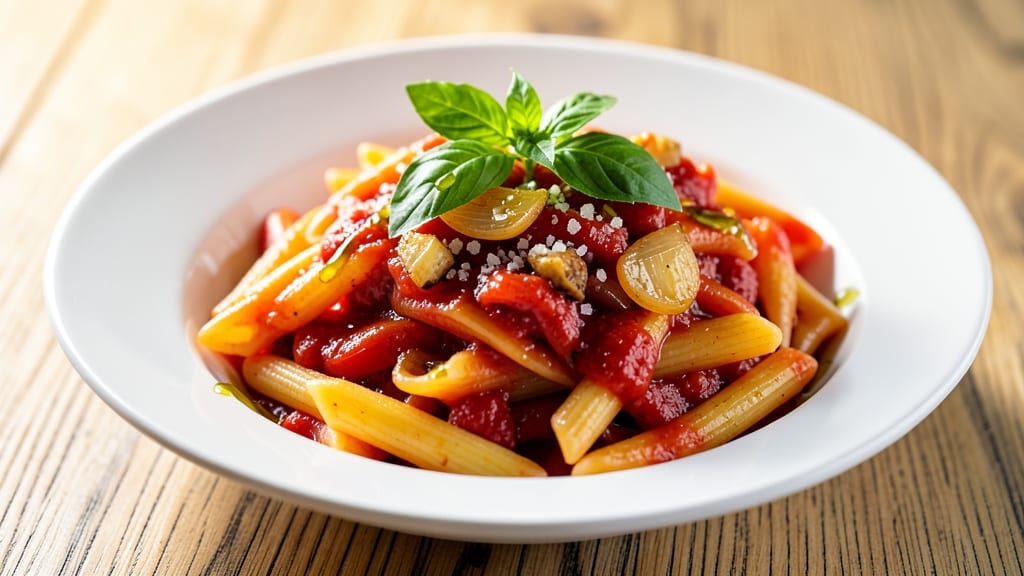
This authentic red sauce pasta recipe brings the soul of Italian nonna cooking to your kitchen—where sun-ripened tomatoes, aromatic herbs, and slow-simmered flavors transform simple ingredients into something extraordinary. The secret lies in balancing acidity and sweetness in the sauce, while achieving al dente pasta that holds its shape without turning mushy. I've perfected this technique over years of testing, ensuring every bite delivers that perfect harmony of tomato richness and basil brightness.
What sets this recipe apart is the attention to traditional methods: fresh basil added at the end to preserve its vibrant flavor, a proper simmer to develop depth, and the right pasta shape (penne or rigatoni) to cradle the sauce.
The sauce itself is a versatile base—use it as a classic marinara, spicy arrabbiata, or even a lighter tomato-basil for summer dishes. What you'll end up with is a dish that tastes like it's been simmering all day, even when prepared in under an hour.
The result is a plate of pasta where every strand is coated in a velvety, flavor-packed sauce that clings perfectly—no soggy noodles here. The aroma alone will have your kitchen smelling like a Roman trattoria, while the combination of textures (tender pasta, glossy sauce, crispy garlic) creates a satisfying bite.
This isn't just pasta; it's a restaurant-quality meal that proves authentic Italian cooking is within reach for any home cook.
Serve with freshly grated Parmesan and a sprinkle of red pepper flakes for heat, or keep it classic with a drizzle of olive oil and fresh basil.
The beauty of this recipe is its flexibility—use it for weeknight dinners, holiday gatherings, or even as a base for creative twists like adding mushrooms or white beans. Let's get cooking!
Ingredients for authentic red sauce pasta
Sun-ripened tomatoes, aromatic basil, and slow-simmered flavors transform these simple ingredients into restaurant-quality pasta.
| Ingredient | Amount | Notes |
|---|---|---|
| Penne or Rigatoni Pasta 🍝 | 12 oz | Dry pasta, al dente preferred |
| Extra-Virgin Olive Oil 🫒 | ½ cup | High quality, fruity variety |
| Yellow Onion 🧅 | 1 whole | Medium size, finely chopped |
| Garlic Cloves 🧄 | 4 cloves | Fresh, peeled, minced |
| Canned San Marzano Tomatoes 🍅 | 28 oz | Crushed or whole, no salt added |
| Fresh Basil Leaves 🌿 | 1 cup | Packed, stems removed |
| Tomato Paste 🍅 | 2 tbsp | High quality, no sugar added |
| Red Wine 🍷 | ½ cup | Bold dry variety, like Chianti |
| Vegetable Broth 💧 | 1 cup | Low sodium preferred |
| Salt 🧂 | 1 ½ tsp | Diamond Crystal kosher salt |
| Black Pepper 🌶️ | ½ tsp | Freshly ground preferred |
| Parmesan Cheese 🧀 | ½ cup | Freshly grated from block |
| Red Pepper Flakes 🌶️ | ½ tsp | Adjust for heat preference |
The tomatoes make all the difference here. San Marzano is the gold standard—sweeter, less acidic, and packed with flavor. Trader Joe's carries them year-round, but check the Italian section at Whole Foods for the freshest cans. Fresh basil should be bright green, not wilted—farmers markets or the produce section at Costco have the best quality. The Parmesan needs to be freshly grated from a wedge; pre-grated loses its texture and flavor. For the wine, any bold, dry red works—Cabernet Sauvignon or Chianti are classic choices, but whatever's open in your cabinet will do.
No San Marzano tomatoes? High-quality crushed tomatoes in a can will work—just look for brands with minimal additives. Fresh basil wilting? Dried basil at one-third the amount keeps the flavor, though it won't have that same bright punch. Running low on red wine? Substitute with extra vegetable broth—just add a splash of balsamic vinegar for depth. The tomato paste can be swapped for a few extra tablespoons of crushed tomatoes if needed, but don't skip it entirely—it's what builds that rich, concentrated flavor. For the pasta, penne or rigatoni are ideal, but any medium shape will work. Just make sure it's dry pasta—fresh won't hold up to the sauce.
Fresh basil and garlic should be stored in the fridge, wrapped in damp paper towels for up to 5 days. The tomato paste and crushed tomatoes keep for up to a year in the pantry, while the red wine can be refrigerated for 2-3 weeks after opening. The Parmesan wedge stays fresh for weeks when wrapped in parchment and foil. This sauce actually tastes better the next day as the flavors meld—make extra and freeze portions for up to 3 months. I always double the batch so I have leftovers for lunches, and the sauce reheats beautifully with a splash of water or broth.
Why You'll Love This Recipe
- No-Sweat Weeknight Fix: I swear by this when I’m staring at the fridge at 7:30 PM. Sauté onion and garlic in olive oil, toss in crushed tomatoes, simmer—done. The penne or rigatoni just needs 10 minutes in boiling water while the sauce works its magic. Honestly, I’ve made this 20 times, and it’s never failed me.
- San Marzano Magic: That canned tomato? It’s not just a shortcut—it’s the secret weapon. Sweet, meaty, and with zero bitterness, it builds a sauce so rich it tastes homemade (even if I didn’t spend hours simmering). The olive oil finish ties it all together like a warm hug in a bowl.
- Leftovers That Don’t Suck: Between us, most pasta leftovers turn into sad, gluey sludge. Not this one. The sauce thickens beautifully overnight, and reheating it? Just splash in a little water, stir, and boom—still vibrant, still packed with flavor. I’ve fed this to coworkers, my mom, and my picky teenager. No complaints.
- Budget Dinner for Crowds: A single can of San Marzano tomatoes and a bulb of garlic stretch to feed four for under $8. Swap rigatoni for penne if you’re short on time, and suddenly you’ve got a meal that’s hearty enough for game night but simple enough for a Tuesday. My college apartment survived on this—no joke.
Step-by-step instructions for authentic tomato-basil pasta
Here's how to build a sauce with depth and character using classic Italian techniques.
Sauté Onions and Garlic for Flavor Foundation
Heat the 0.5 cup extra-virgin olive oil in a large Dutch oven over medium-low heat. Add the finely chopped yellow onion and cook for 8-10 minutes until completely translucent and sweet-smelling. This slow cooking prevents burning and develops natural sweetness.
Reduce heat to low and add the 4 minced garlic cloves. Cook for exactly 30 seconds until fragrant—garlic burns quickly, so watch carefully. The goal is aromatic, not browned. Remove the pan from heat temporarily while you prepare the tomatoes.
Build the Sauce with Tomatoes and Wine
Return the pan to medium heat and add the 2 tbsp tomato paste, stirring constantly for 1 minute to cook out the raw flavor. Pour in the 0.5 cup red wine and scrape up any browned bits from the bottom—this releases flavor locked in the pan.
Add the 28 oz crushed San Marzano tomatoes and 1 cup vegetable broth. Stir well, then bring to a gentle simmer. Partially cover and cook for 20 minutes until the sauce thickens slightly. This initial reduction concentrates the flavors before adding the basil.
Add Basil and Season to Perfection
Remove the sauce from heat and stir in the 1 cup fresh basil leaves, 1.5 tsp salt, 0.5 tsp black pepper, and 0.5 tsp red pepper flakes. Let the basil steep for 5 minutes—this infuses the oil with bright, herbal notes. Taste and adjust seasoning, remembering the pasta will add saltiness.
Keep the sauce warm over low heat while you cook the pasta. The residual heat maintains temperature without overcooking the basil. For best results, use a saucepan with a tight-fitting lid to trap heat efficiently.
Cook Pasta to Al Dente Perfection
Bring a large pot of water to a rolling boil and add 1.5 tsp salt (the water should taste like seawater). Add the 12 oz penne or rigatoni pasta and cook for 1 minute less than package instructions for al dente texture. Reserve 1 cup pasta water before draining.
Drain the pasta, but don't rinse—surface starch helps the sauce cling. Immediately return the pasta to the pot and toss with 2 tbsp pasta water to prevent sticking. Add the pasta to the sauce and toss vigorously for 1-2 minutes until evenly coated.
Finish with Parmesan and Serve
Stir in the 0.5 cup freshly grated Parmesan cheese until melted and creamy. If the sauce is too thick, add reserved pasta water 1 tablespoon at a time until it reaches a silky consistency that coats the back of a spoon. The sauce should cling beautifully to each strand of pasta.
Serve immediately with additional Parmesan and fresh basil on top. The sauce should be vibrant red with visible basil flecks, balancing sweet tomato, bright acidity, and herbal depth. Each bite should deliver perfect al dente pasta with rich, layered flavor.
Pro Tips For Making Authentic Red Sauce Pasta
- CRUSH THE ONIONS: Dice them fine—think 1/8-inch pieces, not rough chunks—so they melt into the sauce instead of lingering as identifiable bits. I used to leave them bigger, and they’d just sit there like stubborn guests who refuse to leave.
- SAUTÉ GARLIC LOW AND SLOW: Once the onions are soft, drop in the garlic and immediately turn the heat down to medium-low. Garlic burns faster than you’d think, and once it’s blackened, the whole sauce takes on a bitter edge. Watch it like a hawk—it should just turn golden, not smoky.
- BREAK THE TOMATO SKINS: Before adding the crushed San Marzano tomatoes, give the cans a quick shake or use a fork to puncture the skins. This keeps the sauce silky instead of chunky, and it cooks down more evenly. (Yes, even if you’re using the best tomatoes—this is the thing that matters most.)
- SALT THE PASTA WATER LIKE THE SEA: Toss in at least 2 tablespoons of salt per quart of water—more if you’re salty like me—and don’t skimp. Under-seasoned pasta water means your sauce will taste bland no matter how much you stir it in at the end. (And no, you can’t fix it later.)
Regional styles of this authentic red sauce pasta
Roman Classic
The Roman style of red sauce pasta is all about simplicity and letting the ingredients shine. Here, you'll use a light tomato-basil sauce with just a touch of garlic and olive oil—no wine or heavy reduction.
Cook bucatini or spaghetti until al dente, then toss with the sauce and finish with Pecorino Romano instead of Parmesan. The key is using high-quality San Marzano tomatoes crushed by hand for texture, and adding fresh basil only at the very end to preserve its brightness.
Serve with a sprinkle of flaky sea salt for that authentic Roman trattoria touch. 🌿
Neapolitan Ragù
In Naples, red sauce pasta often means slow-cooked ragù with meat—traditionally pork or beef—that simmers for hours to develop deep, meaty flavors. For a vegetarian version, use lentils or mushrooms instead.
Cook the ragù in a heavy pot with tomato paste, red wine, and a splash of milk for richness. Pair with tubular pasta like paccheri or ziti, which hold the sauce perfectly. The sauce should be thick enough to coat a spoon but still cling to the pasta.
Finish with grated Pecorino and a crack of black pepper. 🍷
Sicilian Arrabbiata
Sicilian arrabbiata is fiery, bright, and full of chili heat—literally translating to "angry" sauce. Start with a garlic and chili oil base, then add crushed tomatoes, red pepper flakes, and a splash of vinegar for tang.
Cook orecchiette or rigatoni until al dente, then toss with the sauce and finish with fresh basil and extra chili flakes. The heat should be balanced with sweetness, so adjust with a pinch of sugar if needed. Serve with crusty bread to mop up the spicy sauce. 🌶️
Emilian Bolognese
Emilian Bolognese is the ultimate meaty red sauce, traditionally made with ground beef, pork, and pancetta in a slow-cooked tomato base. The sauce is thick, rich, and slightly sweet, with a touch of Marsala wine and milk for depth.
Serve with tagliatelle or fettuccine, and always finish with Parmigiano-Reggiano. The key is low and slow cooking—at least 2 hours—to develop the flavors. For a vegetarian twist, use mushrooms and lentils instead of meat. 🥩
Tuscan Cacciatore
Tuscan cacciatore is a rustic, hearty sauce with tomatoes, white wine, and a mix of meats like sausage, chicken, or pork. The sauce is chunky and slightly sweet, with herbs like rosemary and thyme instead of basil.
Cook rigatoni or pappardelle until al dente, then toss with the sauce and finish with fresh parsley and a drizzle of olive oil. The wine adds brightness, while the herbs give it a herbal, earthy depth.
Serve with a side of garlic bread to soak up the sauce. 🍷
Southern Italian Pasta al Pomodoro
In Southern Italy, pasta al pomodoro is the simplest yet most flavorful red sauce—just tomatoes, garlic, and olive oil, cooked down until intensely concentrated. Use San Marzano tomatoes and cook them low and slow until the sauce is thick and glossy.
Toss with spaghetti or linguine, and finish with fresh basil, red pepper flakes, and a sprinkle of flaky salt. The sauce should be bright, tangy, and slightly sweet, with no added sugar. Serve immediately for the best texture and flavor. 🍅
Nutrition facts
Frequently asked questions
Can I make this red sauce pasta recipe without wine? The red wine adds depth and acidity that balances the sweetness of the tomatoes, but you can substitute it with 1 cup vegetable broth or even apple cider vinegar (2 tbsp) for tang. Just
What's the best pasta shape for this sauce?
Tubular shapes like penne or rigatoni work perfectly—they trap the sauce inside while still delivering that satisfying first bite. For a Roman-style dish, try bucatini or spaghetti, while orecchiette is ideal for Sicilian arrabbiata. The key is choosing a shape with ridges or hollows to hold onto the sauce.
Why does my sauce turn out watery?
Watery sauce usually means one of two things: either you didn't simmer long enough to reduce the liquid, or you added too much pasta water. Always simmer uncovered for 20-30 minutes to thicken naturally, and only add reserved pasta water 1 tablespoon at a time if needed. Also check your tomato quality—San Marzano is less watery than regular canned tomatoes.
Can I make this sauce ahead of time?
This sauce actually tastes better the next day as flavors meld. Store in an airtight container in the fridge for up to 5 days or freeze for 3 months. When reheating, add a splash of water or broth to prevent thickening. The pasta should be cooked fresh to maintain perfect al dente texture, but you can reheat the sauce separately and toss with freshly cooked pasta.
How do I prevent the basil from turning bitter?
Basil loses its bright flavor when cooked too long or at high heat. Always add fresh basil after removing the sauce from heat and let it steep for just 5 minutes. For extra flavor, make a quick basil oil by blending 1 cup basil leaves with 0.5 cup olive oil, then strain and drizzle over the finished pasta. This preserves the herb's freshness while adding richness.