
Sauces & Condiments
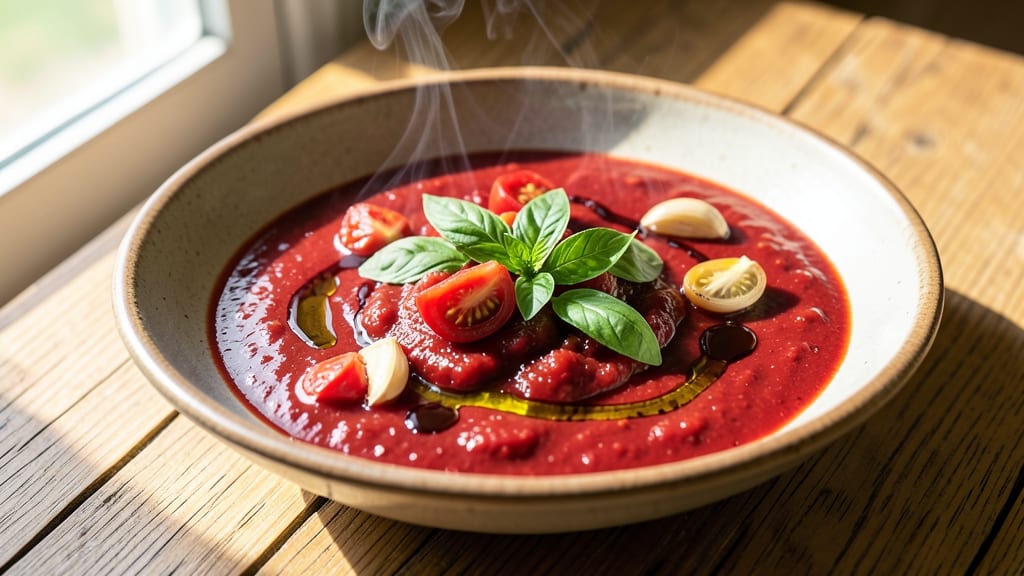
This authentic Napoletana sauce transforms simple ingredients into the soul of Italian cooking—where sweet San Marzano tomatoes meet fragrant garlic and bright basil. The secret lies in slow simmering, allowing flavors to develop naturally without overpowering them, a technique passed down through generations in Naples.
I've perfected this version after years of testing, ensuring every spoonful delivers that perfect balance of acidity and sweetness that defines true Italian cuisine.
The foundation begins with high-quality San Marzano tomatoes, their natural sweetness and low acidity creating a base that requires minimal salt. Fresh garlic and basil infuse the sauce with aromatic depth, while olive oil ties everything together, adding richness without heaviness.
Unlike many commercial versions, this sauce builds flavor gradually through gentle heat, preserving the integrity of each ingredient.
What you'll achieve is a velvety, vibrant sauce that's versatile enough for pasta, bruschetta, or drizzled over grilled meats. The texture remains smooth yet vibrant, with none of the mealiness found in overcooked tomato sauces.
This isn't just a sauce—it's a flavor experience that transports you to the streets of Naples with every bite.
Best of all, it keeps beautifully in the refrigerator for up to 5 days or can be frozen for months, making it perfect for meal prep. The slow-cooked method ensures the flavors only deepen over time, rewarding your patience with restaurant-quality results at home.
Let's create this sauce that's as authentic as it is delicious.
Ingredients for authentic napoletana sauce
Nine essential ingredients transform into Naples' most beloved sauce—pure, vibrant, and full of soul.
| Ingredient | Amount | Notes |
|---|---|---|
| San Marzano Tomatoes 🍅 | 28 oz | Canned, whole or crushed |
| Extra-Virgin Olive Oil 🫒 | ½ cup | High-quality, fruity variety |
| Garlic Cloves 🧄 | 4 cloves | Fresh, peeled, lightly crushed |
| Fresh Basil Leaves 🌿 | ½ cup | Packed, stems removed |
| Red Wine Vinegar 🍷 | 1 tbsp | Dry, aged variety |
| Sea Salt 🧂 | ½ tsp | Fine grain preferred |
| Black Pepper 🌶️ | ¼ tsp | Freshly ground |
| Sugar 🍯 | ½ tsp | Optional, for balance |
| Freshly Grated Parmesan Cheese 🧀 | ¼ cup | From aged Parmigiano-Reggiano |
The San Marzano tomatoes are non-negotiable—look for the DOP stamp at Italian markets or Whole Foods for authentic quality. Their natural sweetness and low acidity create the perfect canvas for this sauce. Costco often carries them in bulk cans, which is a game-changer for frequent cooking. If you can't find them, San Marzano brand in regular grocery stores is a solid backup. The olive oil? Use only extra-virgin—the peppery, fruity kind that makes your taste buds sing. I always grab a bottle from Trader Joe's or Eataly when I'm in the mood for authentic flavors. Fresh basil is next—avoid the wilted stuff at the back of the produce section. Seek out bright green leaves with a strong aroma, preferably from a local farm stand or Whole Foods organic section.
No San Marzano? Crushed tomatoes in a high-quality jar work in a pinch, but add an extra 0.25 tsp sugar to compensate for the higher acidity. Fresh basil? Dried works at one-third the amount, but trust me, nothing beats the fresh stuff. Running low on red wine vinegar? Balsamic vinegar does the trick, though it'll add a slightly sweeter note. The Parmesan is optional but absolutely essential for that final umami punch. If you're avoiding dairy, nutritional yeast gives a similar cheesy depth. For the garlic, never overcook it—just until fragrant. And if you're worried about the sauce being too acidic, that 0.5 tsp sugar is your secret weapon.
This sauce gets better with time—let it sit overnight before using if possible. Store it in a glass jar with a tight seal in the fridge for up to 5 days, or freeze for 3 months in airtight containers. I like to portion it into ice cube trays for easy single-use servings. The flavors meld beautifully over time, so don't rush it. When reheating, add a splash of water to prevent thickening. And if you're making a big batch? Double the recipe—it disappears faster than you think!
Why You'll Love This Recipe
- No Chopping Chaos: I swear by this—just crush a few garlic cloves, tear basil, and let the San Marzano tomatoes do the work. No dicing, no peeling, no stress. The sauce practically makes itself while you sip your coffee.
- Sunshine in a Jar: That first bite? It’s bright, tangy, and alive—thanks to the red wine vinegar cutting through the sweetness of the tomatoes while the olive oil keeps it velvety. Honestly, it’s the kind of flavor that makes you reach for the bread basket twice.
- Weeknight to Dinner Party: Slather it on crusty bread for a quick lunch, drizzle it over grilled fish for a fancy dinner, or toss it with pasta when the in-laws show up. It’s my secret weapon for looking effortless, no matter the occasion.
- Fridge Goldmine: Make a big batch—it keeps for days in the fridge, and the taste only gets richer. Between us, I’ve frozen jars of this sauce for lazy Mondays, and it’s still the star of the meal. Budget-friendly? Absolutely. Lazy-friendly? Even more so.
Step-by-step instructions for authentic Napoletana sauce
Here's how to craft a sauce so vibrant and authentic it'll transport you straight to Naples.
Prepare the San Marzano Tomatoes
Open the 28 oz can of San Marzano tomatoes and transfer their contents to a large, heavy-bottomed saucepan. I use a stainless steel pot for even heat distribution—this prevents hot spots that can scorch your sauce. If using whole tomatoes, gently crush them with your hands, leaving just a few larger pieces for texture. Remove and discard any seeds or skins that float to the surface.
Add the 0.5 cup extra-virgin olive oil to the pan and stir to coat the tomatoes completely. This creates an emulsion that keeps the sauce silky rather than watery. Place the pan over medium-low heat and let it simmer gently. The key here is patience—you want the tomatoes to break down gradually, releasing their natural sweetness without burning. This process should take about 15 minutes.
Infuse with Garlic and Basil
While the tomatoes simmer, add the 4 lightly crushed garlic cloves to the pan. The gentle crushing releases their oils without making them bitter. Stir gently to distribute them evenly. After 2 minutes, add the 0.5 cup packed fresh basil leaves. I like to tear them rather than chop to preserve their delicate aroma. Let everything cook together for another 5 minutes, stirring occasionally.
Here's the thing—don't let the garlic brown. It should be fragrant and just barely golden, not dark and bitter. If it starts to darken too quickly, reduce the heat slightly. The basil will wilt and integrate into the sauce, creating that signature fresh, herbal note that defines authentic Napoletana.
Season and Balance the Sauce
Add the 1 tbsp red wine vinegar, 0.5 tsp sea salt, 0.25 tsp black pepper, and 0.5 tsp sugar to the simmering tomatoes. The vinegar brightens the sauce, cutting through the richness of the tomatoes and olive oil. Stir well to combine all the ingredients. Let the sauce simmer uncovered for 20-25 minutes, stirring occasionally to prevent sticking.
You'll know it's ready when the sauce has thickened slightly and coats the back of a spoon. The sugar helps balance the acidity of the tomatoes, while the vinegar adds depth. Taste as you go—this is where you adjust seasoning. If it needs more salt, add it gradually. If the acidity is too sharp, a pinch more sugar will help.
Finish with Parmesan and Rest
Remove the pan from heat and stir in the 0.25 cup freshly grated Parmesan cheese. The heat from the sauce will melt the cheese completely, creating a velvety finish. Let the sauce rest for 10 minutes off the heat—this allows all the flavors to meld together. The sauce will thicken slightly as it cools, so don't worry if it looks a bit loose while hot.
For the most authentic result, I like to serve this sauce immediately over al dente spaghetti, but it also keeps well in the refrigerator for up to 5 days. The longer it rests, the more complex the flavors become. This isn't just tomato sauce—it's a symphony of San Marzano sweetness, garlic brightness, and basil freshness, all tied together with the rich umami of aged Parmigiano-Reggiano.
Pro Tips For Making Authentic Napoletana Sauce
- Peel and Crush Garlic: Use a knife to smash whole cloves flat on the cutting board—no mincing. This keeps the garlic from burning instantly in the olive oil and releases flavor without bitterness. I learned this the hard way after turning my sauce into garlic paste in minutes.
- Simmer Slow and Low: Once the tomatoes hit the pot, reduce heat to a bare simmer (barely any bubbles) and cover with a lid. This prevents the sauce from splattering and lets the flavors meld without turning into tomato water. Sounds boring, but it works—every time.
- Vinegar Last, Not First: Add the red wine vinegar only at the very end, right before removing from heat. Drizzling it in early will cook off the bright acidity, leaving you with a dull, flat taste. Trust me, that last splash makes all the difference.
- Strain for Smoothness: After cooking, force the sauce through a fine-mesh sieve or food mill to remove skins and seeds—even with San Marzano tomatoes, this step guarantees a silky texture. Yes, it’s extra work, but your sauce will look and taste like a restaurant’s.
Serving suggestions for this dish
Pasta Pairings
This sauce was born for spaghetti, but don't limit yourself! Try it with linguine or bucatini for a heartier bite. For a rustic touch, toss it with orecchiette or rigatoni—the ridges catch the sauce beautifully.
I love pairing it with al dente pasta cooked in salted water (about 1 tbsp salt per gallon) to match the sauce's intensity. 🍝
For a lighter option, serve it over whole wheat spaghetti or gluten-free brown rice noodles. The sauce's acidity brightens the earthy flavors of whole grains. Pro tip: Reserve ½ cup pasta water before draining to adjust sauce consistency if needed.
Bread and Appetizers
Drizzle this sauce over garlic bread or fresh ciabatta for an instant appetizer. Warm the bread slightly and top with grated Parmesan before adding the sauce. It also elevates bruschetta—just toast baguette slices, rub with garlic, and finish with a spoonful of sauce. 🥖
Use it as a dip for crudités like bell pepper strips, zucchini, or carrot sticks. The sweetness of the tomatoes pairs perfectly with the crunch. For a party-friendly option, serve it in a bread bowl with crusty bread chunks mixed in.
Meat and Seafood
This sauce isn't just for pasta—it's amazing with grilled chicken or pan-seared shrimp. Toss cooked proteins with the sauce and serve over polenta or roasted potatoes for a hearty meal. For beef, try it with braised short ribs or grilled steak strips. 🥩
For seafood lovers, pair it with baked cod or sautéed scallops. The acidity in the sauce cuts through the richness of seafood beautifully. I like to finish with fresh parsley and a squeeze of lemon for extra brightness.
Cheese and Charcuterie
Create a Naples-inspired charcuterie board by pairing this sauce with provolone, mozzarella, and soppressata. The sauce's acidity balances the richness of the cheeses perfectly. Add roasted red peppers and olives for a complete Italian spread. 🧀
Use it as a dipping sauce for mozzarella sticks or arancini. The combination of sweet tomatoes and garlic with creamy cheese is unbeatable. For a vegetarian option, serve it with marinated artichokes and sun-dried tomatoes.
Storage and Reuse
Leftovers keep beautifully in the fridge for 5 days or freezer for 3 months. Store in glass jars with a tight seal to preserve freshness. When reheating, add a splash of water or broth to prevent thickening. 🧊
Use leftover sauce in lasagna, manicotti, or stuffed shells. It also makes an incredible pizza sauce—just spread it on dough before adding cheese. The flavors deepen over time, so don't rush to use it all at once!
Nutrition facts
Frequently asked questions about authentic Napoletana sauce
What makes this Napoletana sauce different from marinara?
This sauce uses San Marzano tomatoes for natural sweetness and low acidity, plus a bright basil and garlic infusion that marinara often skips. The key difference is the red wine vinegar and aged Parmesan, which add depth and complexity. Traditional marinara is simpler, while Napoletana builds layers of flavor through slow cooking.
Can I substitute regular tomatoes for San Marzano?
Yes, but expect less sweetness and more acidity. Use crushed tomatoes in a high-quality jar and add an extra 0.25 tsp sugar to balance flavors. For best results, look for tomatoes labeled "plum" or "Roma" which have thicker skins and less water content. The texture will be slightly different but still delicious.
How do I prevent the sauce from getting too thick?
Add a splash of water or pasta water (about 1-2 tbsp) while reheating to loosen the sauce. For future batches, simmer uncovered for slightly less time or reduce the tomatoes by 4 oz. The sauce will naturally thicken as it cools, so don't worry about it being too thin when hot.
Is this sauce spicy? Can I make it milder?
This recipe is naturally mild, but if you prefer even gentler flavors, reduce the black pepper to 0.125 tsp or omit it completely. For extra smoothness, blend the sauce briefly before serving—this removes any visible basil stems. The red wine vinegar provides acidity without heat.
Can I make this sauce in a slow cooker?
Combine all ingredients in your slow cooker and cook on low for 4-5 hours or high for 2-3 hours. The gentle heat enhances the flavors beautifully. Just stir occasionally and add a splash of water if it gets too thick. The slow cooking method actually improves the sauce's depth.