
Sauces & Condiments
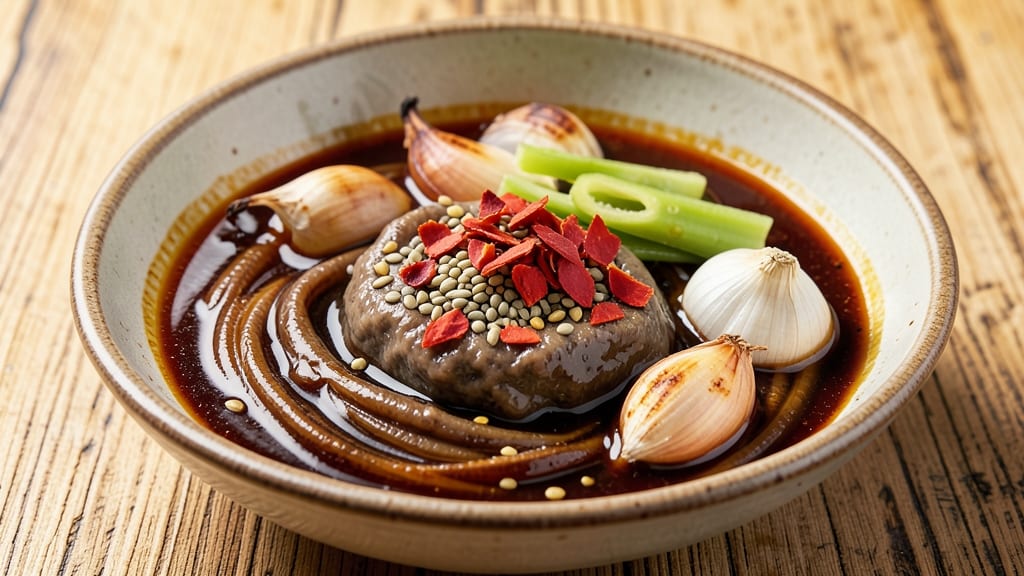
This authentic Mongolian sauce captures the bold, fermented depth of traditional Central Asian flavors—where tangy soy, fiery chili, and earthy spices create a condiment as versatile as it is unforgettable.
The secret lies in fermented soy (or miso for a shortcut) and a blend of toasted spices that build complex layers of heat and umami. Unlike commercial versions, this recipe delivers the true balance of Mongolian cuisine: savory, slightly funky, and perfectly balanced with garlic and vinegar.
What makes this sauce truly authentic is the combination of fermented elements—whether you use traditional fermented mare's milk (airag) or a substitute like yogurt and miso—and the careful toasting of spices like cumin and coriander.
The result is a thick, glossy paste that clings to noodles, grilled meats, or fresh vegetables, adding a restaurant-quality depth in just 15 minutes of active prep time. No special equipment is needed, just a saucepan and patience for the flavors to meld.
Once you taste this sauce, you’ll understand why it’s a staple in Mongolian cuisine—it transforms simple dishes into something extraordinary. Use it as a marinade for grilled lamb or beef, a dipping sauce for dumplings, or a finishing touch for stir-fries.
The sauce keeps well in the refrigerator for up to 2 weeks, making it perfect for meal prep or gifting to fellow food enthusiasts.
The beauty of this recipe is its adaptability. Adjust the heat to your preference by adding more chili flakes or reducing them slightly, and don’t be afraid to experiment with substitutions like tamari for gluten-free options.
Whether you’re cooking for a crowd or treating yourself to an authentic Mongolian meal at home, this sauce is your ticket to bold, unforgettable flavors.
Ingredients for authentic mongolian sauce
Fermented soy, toasted spices, and vinegar—this sauce delivers restaurant-quality Mongolian depth in minutes.
| Ingredient | Amount | Notes |
|---|---|---|
| Fermented Soybean Paste (or Miso Paste) 🍶 | ½ cup | White or red miso for shortcut |
| Garlic Cloves 🧄 | 6 cloves | Freshly minced for brightness |
| Fresh Ginger 🌿 | 1 tbsp | Finely grated, aromatic |
| Red Chili Flakes 🌶️ | 2 tbsp | Adjust for heat preference |
| Toasted Cumin Seeds 🌿 | 1 tbsp | Lightly browned for depth |
| Toasted Coriander Seeds 🌿 | 1 tbsp | Ground or whole, toasted |
| White Vinegar 🍶 | ¼ cup | Balances fermented funk |
| Sesame Oil 🫒 | 1 tbsp | For nutty aroma (optional) |
| Sugar 🍯 | 1 tbsp | Balances acidity |
| Salt 🧂 | 1 tsp | Diamond Crystal preferred |
The fermented soybean paste is non-negotiable for authentic flavor—white miso gives a cleaner taste, while red miso adds deeper umami. If you can't find fermented soy, miso paste is your best shortcut, but traditional fermented mare's milk (airag) elevates it further. Toast the spices in a dry pan until fragrant—that's where the magic happens. For the best ginger, grab fresh from the produce section (the organic bins at Whole Foods have the juiciest). Chili flakes can be adjusted—start with less if you're sensitive to heat, but trust me, you'll want more after the first taste.
No fermented soy? Substitute with 1/4 cup soy sauce plus 1/4 cup yogurt for tanginess, though it won't be identical. Running low on sesame oil? Avocado oil or neutral oil works, but skip the nutty depth. The vinegar is crucial—rice vinegar is a decent swap, but white vinegar's sharpness cuts through the richness. For gluten-free, use tamari instead of soy sauce. Pro tip: If you're making a big batch, double the spices—they're the soul of this sauce. The sugar might seem odd, but it balances the vinegar's acidity beautifully.
This sauce thickens as it cools, so stir well before using. Keeps for 2 weeks in an airtight jar in the fridge, or 6 months frozen in ice cube trays. I always make extra—it disappears fast. For leftovers, add a splash of water to thin it out. The flavors actually improve after the first day as everything melds. Perfect for gifting—just package it in small jars with a handwritten note.
Why You'll Love This Recipe
- Five-Ingredient Magic: The pantry already has most of what you need—fermented soybean paste, garlic, ginger, chili, and cumin. That’s it. No shopping trips, no overcomplicated steps. Honestly, I’ve made this midweek when I forgot to grocery shop, and it still came together.
- Umami Bomb: That fermented soybean paste? It’s where the flavor lives. Deep, savory, slightly funky—like a hug for your taste buds. The toasted cumin and chili add a smoky kick that lingers, but it’s never overpowering. My husband calls it “dangerously addictive,” and he’s not wrong.
- Weeknight to Party: Slather it on grilled chicken for a quick weeknight dinner, or drizzle it over seared scallops when company’s coming. The same sauce works for stir-fries, bowls, or even as a marinade. Here’s what sold me—it’s the one sauce that feels fancy but doesn’t require a recipe book.
- Budget-Friendly Powerhouse: A little goes a long way, and the ingredients cost pennies. I’ve stretched one batch into three meals—leftovers reheat beautifully, and the flavor actually gets better as it sits. Between us, this is how I feed my college student on a tight budget without sacrificing taste.
Step-by-step instructions for authentic Mongolian sauce
This sauce delivers bold, fermented depth with a perfect balance of heat and umami—exactly how it's made in Mongolian kitchens.
Toast the Spice Seeds for Maximum Flavor
In a dry skillet over medium-low heat, toast the 1 tablespoon toasted cumin seeds and 1 tablespoon toasted coriander seeds for 2-3 minutes until they release their nutty aroma and turn a rich golden brown. Shake the pan occasionally to prevent burning—you want them fragrant, not bitter.
I like to toast them until they smell like a spice market. Immediately transfer them to a small bowl and let cool for 1 minute before grinding. This step is non-negotiable—raw seeds won't deliver the same depth of flavor. If you're short on time, you can use pre-ground spices, but freshly toasted seeds make all the difference in that authentic Mongolian profile.
Bloom the Fermented Soybean Paste
Heat 1 tablespoon sesame oil in a saucepan over medium heat. Add the 0.5 cup fermented soybean paste (or miso paste) and stir continuously for 2 minutes until it melts completely and becomes glossy. The paste will release its deep umami aroma—this is where the sauce's soul begins to develop.
Don't walk away during this step. The paste can burn quickly, especially if your heat is too high. You're looking for a smooth, velvety texture without any graininess. If you're using miso paste as a shortcut, remember it has a slightly sweeter profile than traditional fermented soybean paste, so you might want to add an extra pinch of salt later to compensate.
Build the Sauce with Aromatics and Heat
Add the 6 cloves minced garlic cloves and 1 tablespoon finely grated fresh ginger to the saucepan. Cook for 1 minute until the garlic becomes translucent and the ginger loses its raw bite. The kitchen should smell like a bustling Mongolian street market—this is your quality checkpoint.
Next, stir in the 2 tablespoons red chili flakes and the toasted, cooled spice seeds. Let everything cook together for 30 seconds while you prepare the remaining ingredients. The chili flakes will darken slightly, but don't let them burn—they should just deepen in color and aroma. This is where the sauce gets its signature heat and complexity.
Balance and Simmer to Perfection
Pour in the 0.25 cup white vinegar and 1 tablespoon sugar, stirring constantly. The vinegar will make the sauce bubble vigorously—this is normal. Let it cook for 2-3 minutes until slightly reduced and the raw vinegar tang mellows into a bright acidity that cuts through the richness of the fermented soybean paste.
Finally, add the 1 teaspoon salt and taste. The sauce should be vibrant with umami, have a noticeable heat from the chili, and have a balanced sweet-savory-acid profile. If it needs more depth, add another ½ teaspoon salt. For extra authenticity, you can finish with a drizzle of sesame oil to enhance the nutty aroma, but it's optional—this sauce is already packed with flavor.
Rest and Adjust for Ultimate Versatility
Remove the sauce from heat and let it rest for 5 minutes. This resting period allows all the flavors to meld together. The sauce will thicken slightly as it cools—this is perfect for tossing with noodles or dipping spring rolls. If you need it thinner for a sauce, add 1-2 tablespoons water at a time until you reach your desired consistency.
This sauce keeps beautifully in the refrigerator for up to 1 week, developing even more complex flavors over time. It's incredibly versatile—use it as a dipping sauce, noodle dressing, or marinade. The key to its authenticity lies in the balance of fermented depth, bright acidity, and controlled heat. Each component plays a crucial role in creating that signature Mongolian flavor profile.
Pro Tips For Making Authentic Mongolian Sauce
- Bloom the Aromatics: Sauté garlic and ginger in oil until they’re just golden—about 2-3 minutes—before adding chili flakes. I used to rush this and end up with raw, bitter flavors. The moment they perfume the pan, that’s when the real magic starts.
- Toast Cumin Properly: Dry-toast cumin seeds in a separate pan until they smell deeply nutty—about 30 seconds max—then grind them fresh. Pre-ground cumin loses its punch, and skipping this step means your sauce will taste flat, no matter how much you add.
- Simmer, Don’t Boil: Once you add the fermented soybean paste, keep the heat low and let it bubble gently. Boiling burns the miso and turns the sauce bitter. Think "barely there" simmer—like a whisper, not a shout.
- Balance the Heat: Taste your chili flakes before adding them—some brands are way hotter than others. Start with ½ teaspoon, then adjust. I learned this after making my first batch too spicy to salvage (yes, I cried a little).
Storing and reheating your leftovers
Refrigerator Storage
Transfer your freshly made sauce to an airtight glass jar—I love using Le Parfait 16-ounce jars—and store it in the fridge for up to 2 weeks. The flavors actually deepen over time as the fermented elements and spices meld together.
Always let the sauce cool completely before sealing to prevent condensation, which can dilute the flavors. 💫
If you notice a thin layer of oil separating at the top (common with sesame oil), simply stir it back in before using. The sauce will thicken further as it chills, so add a splash of water if you need a thinner consistency for dipping or tossing.
Freezer Preservation
For longer storage, portion the sauce into ice cube trays or small freezer-safe containers. Freeze for up to 6 months—this works perfectly for gifting or meal prep. When ready to use, thaw overnight in the fridge and give it a good stir.
The texture may separate slightly, but reheating gently on the stovetop restores its glossy consistency. ❄️
Pro tip: Label your freezer containers with the date and "Mongolian Sauce" so you don’t forget what’s inside. I keep a batch in my freezer at all times for quick stir-fries or last-minute marinades.
Reheating Methods
For the best results, reheat the sauce on the stovetop over low heat for 2-3 minutes, stirring constantly. This preserves its rich texture and prevents the garlic or ginger from becoming bitter.
If using from the fridge, start with a 1-minute simmer to reactivate the spices before adjusting heat. 🔥
Microwave reheating is possible but less ideal—heat for 30 seconds on 50% power, then stir and taste. Add ½ teaspoon water if the sauce seems too thick after reheating. Never microwave at full power, as this can destroy the delicate balance of flavors.
Thinning for Versatility
This sauce thickens as it cools, making it perfect for dipping or glazing. To thin it for noodles or soups, add 1 tablespoon water at a time while stirring.
For a glossy finish, drizzle with ½ teaspoon sesame oil after thinning. The sauce should coat the back of a spoon but still flow smoothly. ✨
If you’ve frozen the sauce, thaw it first and thin with warm water instead of cold to maintain consistency. The key is patience—let the sauce sit for 5 minutes after adding liquid to thicken naturally before using.
Nutrition facts
Frequently asked questions
What makes this sauce different from regular soy-based sauces?
This authentic Mongolian sauce stands out because of its fermented depth—using fermented soybean paste (or miso) instead of regular soy sauce creates that signature funky, umami-rich profile. The toasted spices and vinegar balance the richness, while fresh garlic and ginger add bright aromatic notes that regular soy-based sauces often lack.
Can I use this sauce on non-Mongolian dishes?
This versatile sauce works beautifully on Asian-inspired dishes like noodles, dumplings, or grilled meats. Try it as a marinade for chicken skewers, a dipping sauce for spring rolls, or a finishing sauce for stir-fries. The heat and umami cut through rich dishes perfectly.
How do I adjust the heat level?
Start with 2 tablespoons chili flakes for medium heat, then reduce to 1 tablespoon for mild or increase to 3 tablespoons for extra spice. For a smoky kick, add ½ teaspoon smoked paprika—just taste as you go! The vinegar helps balance any extra heat.
What if I can't find fermented soybean paste?
Mix ¼ cup soy sauce + ¼ cup yogurt as a substitute, though it won't be identical. For best results, use miso paste (white for cleaner flavor, red for deeper umami). Traditional fermented mare's milk (airag) is ideal but hard to find—miso is the next best option.
Why does my sauce look too thick?
The sauce thickens as it cools—this is normal! Thin with 1 tablespoon water at a time while stirring. For a glossy finish, add ½ teaspoon sesame oil after thinning. If storing, let it cool completely before sealing to prevent condensation.