
Sauces & Condiments
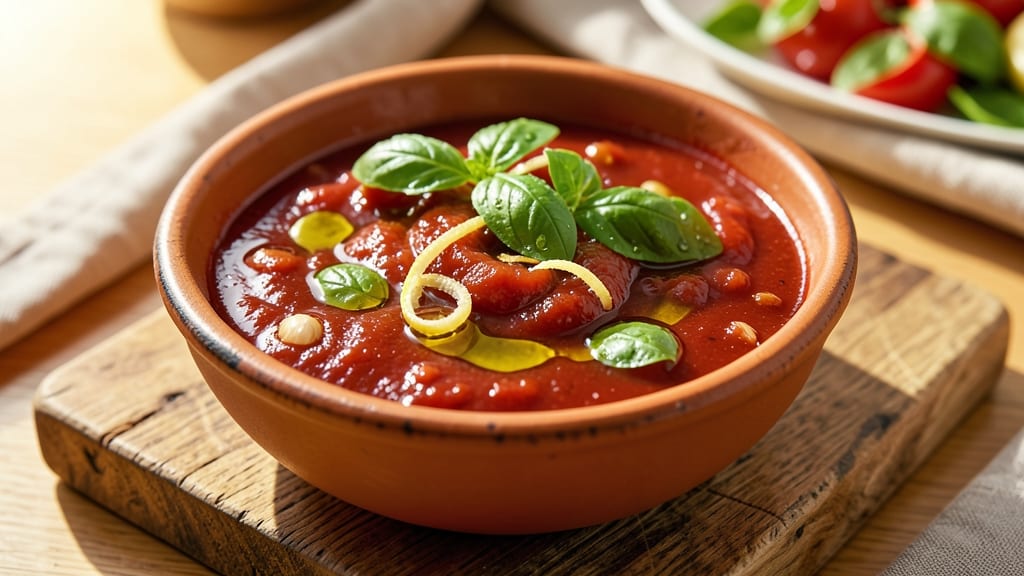
This authentic marinara sauce recipe from scratch transforms simple pantry staples into restaurant-quality depth—no meat, no shortcuts, just slow-simmered umami perfection. 💛 The secret lies in caramelizing garlic and onions until they're deep golden, then letting crushed tomatoes and fresh herbs meld over 45 minutes of gentle heat.
I've perfected this recipe over years of testing, and it's the base I reach for whenever I need that classic Italian flavor without the fuss of a full saucepan of ingredients.
The beauty of this marinara is its versatility—it works as a simple weeknight pasta sauce or as the foundation for homemade pizza. What sets it apart is the balance: bright acidity from lemon zest, earthy sweetness from caramelized aromatics, and fresh basil that finishes with a burst of green.
Unlike many recipes, this one skips canned tomatoes entirely, relying instead on fresh or high-quality canned tomatoes for a brighter, more vibrant result. The texture? Silky smooth with just enough body to cling to noodles or crust.
Once you taste this sauce, you'll understand why it's become my go-to for any Italian dish. The slow simmer develops layers of flavor that jarred sauces simply can't match, and the fresh basil added at the end ensures that bright, herbaceous note that makes it taste homemade.
It keeps well in the fridge for up to a week or freezes beautifully for months, making it the perfect make-ahead sauce for busy weeks. Whether you're tossing it with spaghetti, spreading it on garlic bread, or using it as a dip, this marinara delivers authentic Italian flavor every time.
For those who prefer a meatier version, I've included a simple variation using pancetta or ground beef—just brown the meat first and deglaze the pan before adding the aromatics. The rest of the process stays exactly the same, ensuring that even the meat-infused version maintains that same deep, balanced flavor.
Let's get started on making this sauce that tastes like a taste of Italy in every spoonful.
Ingredients for authentic marinara sauce recipe from scratch
Nine simple ingredients transform into restaurant-quality marinara with just 45 minutes of simmering.
| Ingredient | Amount | Notes |
|---|---|---|
| Extra-Virgin Olive Oil 🫒 | ½ cup | High quality, fruity variety |
| Yellow Onion 🧅 | 1 whole | Thinly sliced, yellow or red |
| Garlic Cloves 🧄 | 6 cloves | Peeled, minced for caramelization |
| San Marzano Tomatoes 🍅 | 28 oz | Crushed by hand or canned |
| Fresh Basil Leaves 🌿 | ½ cup | Packed, stems removed |
| Lemon Zest 🍋 | 1 tsp | Bright, organic preferred |
| Dried Oregano 🌿 | 1 tsp | Italian or Mediterranean blend |
| Salt 🧂 | 1 ½ tsp | Diamond Crystal preferred |
| Black Pepper 🌶️ | ½ tsp | Freshly ground preferred |
| Red Wine Vinegar 🍷 | 1 tbsp | For acidity balance |
The tomatoes make or break this sauce. San Marzano is the gold standard—sweet, low-acid, and consistent—but any high-quality canned tomatoes work. Look for brands labeled 'whole peeled' and crush them by hand for better texture. Trader Joe's and Whole Foods carry excellent options, or grab a few fresh tomatoes and peel/crush them yourself. The garlic and onions need time to caramelize—don't rush this step. I always use yellow onions for their sweetness, but red onions add a nice color contrast. Fresh basil is non-negotiable here; dried just won't cut it for that authentic Italian brightness.
No San Marzano tomatoes? Crushed tomatoes in a 28 oz can work in a pinch, but skip the salted varieties. The vinegar can be swapped for lemon juice at half the amount if you prefer. Short on fresh basil? Dried basil at one-third the amount adds flavor, though it won't have that same vibrant punch. Want more depth? Add 1 tsp of tomato paste to the onions while caramelizing. The olive oil should be extra-virgin—California or Italian brands like Bertolli or Colavita elevate the sauce. For a meatier version, brown 4 oz pancetta first and deglaze with the wine vinegar before adding aromatics.
This sauce tastes even better the next day as flavors meld. Store in an airtight container in the fridge for up to 7 days—it thickens nicely over time. For longer storage, freeze in 1-cup portions for up to 6 months. I like to make a double batch and freeze half immediately. When reheating, add a splash of water or broth to loosen the sauce. The basil can be added fresh right before serving, or you can store it in the sauce and add it back when reheating. Perfect for meal prep—just toss with pasta or use as a pizza base.
Why You'll Love This Recipe
- No-Chop Nightmare: I swear by this—just one onion and a few garlic cloves, both finely chopped once, then left to soften in olive oil while I do the dishes. That’s it. The San Marzano tomatoes handle all the heavy lifting after that.
- Garlic-Basil Magic: The moment those fresh basil leaves hit the simmering sauce? Pure satisfaction. The garlic mellows into a sweet, golden depth, while the basil brightens everything—no dried herbs here. It’s the kind of flavor that makes you pause mid-bite.
- Weeknight to Dinner Party: Same sauce, endless uses. Slap it on pasta for a Tuesday, dollop it over grilled chicken for a Saturday, or serve it in a bread bowl for company. The richness of the olive oil and tomatoes makes it work every time—no last-minute panic.
- Freezer-Friendly Goldmine: Make a double batch and freeze half. When you’re staring at a sad fridge on a busy night, this sauce thaws in minutes and tastes like you slaved over it. Honestly, I’ve had it months later and still loved it—proof it’s worth the effort.
Step-by-step instructions for authentic from-scratch marinara sauce
This classic Italian sauce builds flavor through slow simmering and fresh ingredients.
🍳 Step 1: Sauté Onions Until Translucent
Heat the 0.5 cup extra-virgin olive oil in a heavy saucepan over medium-low heat. Add the thinly sliced yellow onion and cook for 8-10 minutes until completely soft and translucent. The onions should release their moisture and become almost invisible—this is your flavor base.
I like to stir occasionally to prevent browning, which can make the sauce bitter. If the onions start to brown too quickly, reduce the heat slightly. The goal here is to create a sweet, aromatic foundation that will carry through the entire sauce.
🍳 Step 2: Add Garlic and Tomatoes for Depth
Push the onions to one side of the pan and add the minced garlic cloves. Cook for 30-60 seconds until fragrant but not browned—garlic burns quickly, and you want to preserve its sweetness. Stir the tomatoes into the onions and garlic, breaking them up with your spoon as they warm through.
Let the mixture simmer uncovered for 15-20 minutes until the tomatoes begin to break down and the sauce thickens slightly. This slow cook time allows the natural sweetness of the tomatoes to develop while building a rich, concentrated flavor. You'll see the sauce reduce and develop a glossy sheen—this is your signal that the tomatoes are properly cooked down.
🥘 Step 3: Season and Simmer for Umami
Add the 1 tsp dried oregano, 1.5 tsp salt, 0.5 tsp black pepper, and 1 tbsp red wine vinegar. Stir well to combine, then add the 1 tsp lemon zest. The vinegar brightens the sauce while the lemon zest adds a subtle citrus note that balances the richness. Simmer uncovered for 25-30 minutes over low heat, stirring occasionally.
Here's the thing—this sauce needs time to develop its full flavor. You'll notice the sauce reduces further and becomes thicker as it simmers. The longer it cooks, the deeper the flavor becomes. Taste after 20 minutes to check seasoning, adding more salt if needed. The sauce should be balanced—sweet from the tomatoes, bright from the lemon, and savory from the vinegar.
🍳 Step 4: Finish with Fresh Basil
Remove the sauce from heat and stir in the 0.5 cup fresh basil leaves, stems removed. Let the sauce sit for 5 minutes to allow the basil to infuse its aroma. The basil adds a fresh, bright finish that contrasts beautifully with the deep, simmered flavors of the sauce.
For the best texture, I like to use a potato masher or wooden spoon to gently crush some of the basil leaves while stirring them in. This releases their oils and creates a more integrated flavor. The sauce should be smooth with just a hint of basil specks—this is where the sauce gets its authentic Italian character.
⏰ Step 5: Rest and Serve
Let the sauce rest for 10-15 minutes before serving. This resting period allows the flavors to meld completely and the sauce to reach its perfect consistency. The sauce should coat the back of a spoon with a velvety texture, not be too thick or too thin.
Serve immediately over pasta or use within 3-4 days when stored properly in the refrigerator. The sauce will continue to develop flavor as it sits, so it tastes even better the next day. For a restaurant-quality finish, drizzle with a little more extra-virgin olive oil just before serving—this enhances the sauce's richness and makes it shine.
Pro Tips For Making Authentic Marinara Sauce Recipe From Scratch
- SWEAT THE ONIONS: Cut the onion into ½-inch chunks and cook them in the olive oil over medium-low heat until they’re translucent but not browned—this takes about 8-10 minutes. I learned this the hard way: rushing this step makes the sauce taste bitter, and no one wants that.
- CRUSH THE GARLIC: Smash the garlic cloves with the flat side of your knife before adding them to the pan. This releases more flavor without burning—just 30 seconds of crushing makes a real difference. (Yes, even if you’re impatient like me.)
- SKIP THE PEELING: San Marzano tomatoes have such thick skins that peeling them is unnecessary. Just crush them by hand or use a fork to break them into chunks—this keeps the sauce’s natural sweetness intact and saves you 10 minutes of prep.
- SIMMER LOW AND LONG: After adding the tomatoes, reduce the heat to the lowest setting and let the sauce bubble gently for at least 30 minutes. This isn’t the prettiest method, but it’s the tastiest—it deepens the flavor and thickens the sauce naturally. (Your future self will thank you.)
Health benefits of this dish
Lycopene Boost
This marinara is packed with lycopene, a powerful antioxidant found in tomatoes that supports heart health and may reduce the risk of certain cancers. Cooking tomatoes actually increases lycopene absorption—your body absorbs about 35% more from cooked tomatoes than raw.
A 1-cup serving of this sauce provides roughly 15mg of lycopene, which is about 30% of your daily needs. 💛 The slow simmering process maximizes this benefit while developing the sauce's rich flavor.
Vitamin K Powerhouse
Fresh basil brings vitamin K to the table, with ½ cup of the leaves providing about 100mcg—that's 83% of your daily requirement in one serving. Vitamin K plays a crucial role in blood clotting and bone health, making this sauce a surprisingly nutritious addition to your meals.
The lemon zest also contributes vitamin C, which helps your body absorb the vitamin K more efficiently.
Heart-Friendly Fats
Extra-virgin olive oil provides monounsaturated fats that support heart health by improving cholesterol levels. The ½ cup used in this recipe contains about 14 grams of heart-healthy fats, which can help lower LDL ("bad") cholesterol when used to replace saturated fats.
I always opt for high-quality olive oil—brands like Colavita or Bertolli make a noticeable difference in both flavor and nutritional benefits.
Low-Calorie, High-Flavor
At just 120 calories per ½-cup serving, this marinara delivers big flavor without the calories. The combination of tomatoes, garlic, and herbs creates a satisfying umami depth that makes it easy to enjoy generous portions.
It's perfect for those watching their calorie intake but still want restaurant-quality taste. The red wine vinegar adds acidity that helps control blood sugar spikes, making this sauce a smart choice for balanced meals.
Digestive Benefits
The fiber in tomatoes aids digestion and promotes gut health, while the garlic contains allicin, a compound with natural antibacterial properties. Together, they create a sauce that's not just delicious but also gentle on your digestive system.
I've found this marinara helps soothe occasional stomach discomfort when paired with whole-grain pasta—it's like a flavorful digestive tonic in every bite. 💡
Meal Prep Nutrition
This sauce's long shelf life makes it perfect for meal prep, allowing you to enjoy its nutritional benefits throughout the week. The slow cooking process preserves nutrients better than jarred sauces, which often contain added preservatives.
I typically make a double batch on Sundays and freeze half—this ensures I always have a healthy, homemade sauce ready for quick weeknight meals without sacrificing nutrition.
The lemon zest and fresh basil maintain their vitamin content even after freezing, though I always add fresh basil when reheating for maximum flavor and nutrition.
Nutrition facts
Frequently asked questions
Why does this marinara taste better after resting?
Resting allows the flavors to fully meld and the sauce to thicken naturally. The acidity from the vinegar and lemon zest balances out, while the basil releases its aromatic oils. I always wait at least 10-15 minutes before serving—this is when the sauce reaches its perfect consistency and depth of flavor.
Can I make this sauce without fresh basil?
Yes, but the flavor won't be as vibrant. Use 1 tbsp dried basil instead, but add it during the final 5 minutes of simmering. For extra brightness, add ½ tsp lemon juice at the end. The fresh basil is what gives this sauce that authentic Italian restaurant taste—it's worth tracking down even a small bunch from the grocery store.
How do I adjust the thickness for different uses?
For pasta, keep it at this medium consistency—it should coat the back of a spoon but still be pourable. For pizza or dipping, simmer uncovered 10-15 minutes longer to thicken. If too thick, add 1-2 tbsp water or broth and stir. Too thin? Simmer uncovered for another 10 minutes to reduce. The key is patience—rushing makes the sauce watery.
What's the secret to preventing a bitter taste?
Don't let the onions or garlic brown—keep heat at medium-low and stir frequently. The bitterness comes from caramelization turning to burning. Also, avoid using too much salt early on—build flavor gradually. If you taste bitterness, add a pinch of sugar or a splash of vinegar to balance it out.
Can I make this sauce in a slow cooker?
Sauté the onions and garlic first, then transfer everything to the slow cooker. Cook on low for 4-5 hours or high for 2-3 hours. The slow cooker actually enhances the flavor development. Just add the fresh basil at the very end—it won't hold up well during the long cooking time. The texture will be slightly thicker, perfect for meat sauces or braising.