
Sauces & Condiments
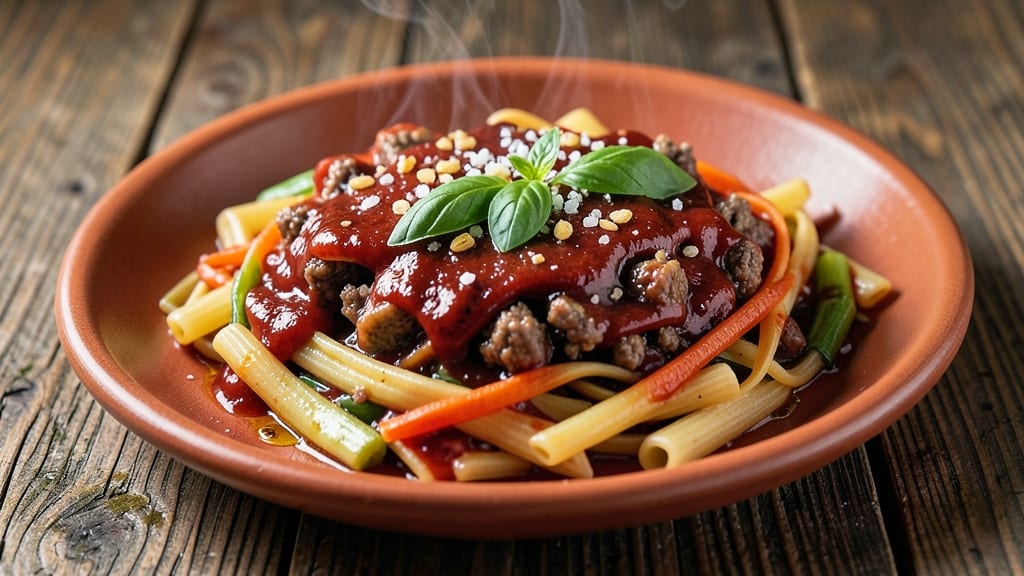
This authentic Italian red meat sauce recipe transforms simple ingredients into a rich, slow-simmered masterpiece that clings to pasta like a second skin. The secret lies in patience—browning the meat deeply, deglazing with wine, and letting it develop layers of umami over hours.
I've perfected this version after years of testing, and it delivers that restaurant-quality depth you crave without shortcuts.
The foundation starts with ground beef and pork, seared until rich and caramelized, then softened with onions, carrots, and celery until tender. A splash of red wine cuts through the richness before canned tomatoes and a touch of milk round out the flavors.
The long simmer—at least 2 hours—allows the sauce to thicken naturally, developing a velvety texture with just the right balance of meaty chunks and smooth sauce.
What you'll end up with is a sauce so deeply flavorful it elevates even the simplest pasta. The aroma alone—warm, savory, and slightly sweet—will have everyone asking for seconds.
This isn't just a sauce; it's the heart of an Italian meal, built to stand up to al dente tagliatelle, creamy polenta, or crusty bread. The beauty of it? Every batch tastes better as it sits, intensifying in flavor overnight.
Perfect for meal prep or Sunday dinners, this sauce keeps its depth for up to 5 days in the fridge. Freeze extras for those lazy weeknights when you still want to feel like you're dining in a Roman trattoria. Let's get started—your pasta is waiting for this transformation.
Ingredients for authentic italian red meat sauce
Simple ingredients, slow cooking—this sauce builds depth like no other.
| Ingredient | Amount | Notes |
|---|---|---|
| Ground Beef (80/20 blend) 🥩 | 1 ½ lb | For deep caramelization |
| Ground Pork 🐷 | ½ lb | Adds richness and fat |
| Yellow Onion 🧅 | 1 whole | Finely chopped, sweet variety |
| Carrot 🥕 | 1 whole | Finely diced, no need to peel |
| Celery Stalks 🧄 | 2 whole | Finely chopped, fresh preferred |
| Garlic Cloves 🧄 | 4 cloves | Minced, fresh preferred |
| Dry Red Wine 🍷 | ½ cup | Bold, like Cabernet Sauvignon |
| Canned San Marzano Tomatoes 🍅 | 28 oz | Crushed, no salt added |
| Whole Milk 🥛 | ¼ cup | Full-fat for creaminess |
| Tomato Paste 🍅 | 2 tbsp | High-quality, no additives |
| Olive Oil 🫒 | 2 tbsp | Extra-virgin for richness |
| Kosher Salt 🧂 | 1 ½ tsp | Diamond Crystal preferred |
| Freshly Ground Black Pepper 🌶️ | ½ tsp | Freshly cracked preferred |
| Dried Oregano 🍃 | 1 tsp | Italian preferred, not Mexican |
| Fresh Basil Leaves 🌿 | ¼ cup | Chopped, for finishing |
The meat is non-negotiable here. Ground beef and pork from the butcher section (not pre-ground) give the best texture—look for good marbling. I always grab mine from Whole Foods or Trader Joe's for quality, but any reputable grocery store's ground meat works. The San Marzano tomatoes? Worth the splurge—Mueller or Cirillo brands are my go-tos. The 80/20 beef blend (80% lean, 20% fat) is key for that rich, caramelized flavor. If you can't find it, go with 75/25, but don't skimp on the fat content.
No red wine? Dry vermouth or beef broth works in a pinch, but the acidity matters—don't use white wine. Fresh herbs are ideal, but dried oregano at half the amount gets you close if you're in a rush. The milk might sound odd, but it's what makes this sauce silky. Full-fat is a must—skim won't cut it. For the tomato paste, those little squeeze tubes from Trader Joe's are perfect—they're convenient and keep forever. The celery and carrots? Fresh is best, but frozen works if you're prepping ahead.
This sauce tastes better the next day—plan ahead. Keeps for 5 days in the fridge, 3 months frozen. I always make a double batch and portion it into containers. Freeze half right away for those lazy weeknights. The basil? Add it at the very end—it wilts fast. Store any leftovers with a thin layer of olive oil on top to keep it fresh. If it thickens too much, just stir in a splash of water or pasta water when reheating.
Why You'll Love This Recipe
- One-Pot Magic: I swear by this—just brown the meat, toss in the soffritto (onion, carrot, celery), and let it simmer. No extra pans, no stress. That 80/20 beef and pork blend? It renders fat perfectly, so you’re basically making flavor with minimal effort.
- Sofritto Secret: Here’s what sold me—the slow-cooked onion, carrot, and celery base. It’s not just veggies; it’s the backbone of the sauce, caramelizing into sweet, deep umami that turns bland meat into ridiculously good richness. (Yes, even on a Tuesday night.)
- Freezer-Friendly Staple: Between us, this sauce is my go-to for lazy Sundays or emergency dinners. Make a double batch, freeze half, and thaw it straight into pasta or lasagna later. The pork keeps it juicy, and the beef adds that hearty texture—no dry leftovers here.
- Budget Booster: Honestly? This recipe stretches a dollar further than takeout. Ground pork thins the beef, so you get more sauce for less, and the soffritto adds layers of flavor without fancy ingredients. It’s the kind of dish that makes you feel like you’re feeding a crowd without breaking the bank.
Step-by-step instructions for authentic Italian red meat sauce
Here's how to build deep, complex flavor through slow cooking and proper technique.
Build the Flavor Base with Aromatics
Heat the 2 tablespoons olive oil in a heavy Dutch oven over medium heat. Add the finely chopped yellow onion, diced carrot, and chopped celery stalks. Cook for 8-10 minutes until the vegetables soften and begin to caramelize—this is where the sauce gets its depth. Stir occasionally so nothing burns, but don't rush this step. The onions should turn translucent and the carrots should start to break down slightly.
Add the 4 minced garlic cloves and cook for 30 seconds until fragrant. Here's the thing—garlic burns fast, so keep your eye on the pan. When you can smell that rich, nutty aroma, it's time to move on. The vegetables should be tender but not mushy, forming a thick, flavorful base that will carry the entire sauce.
Brown the Meat for Maximum Flavor
Push the vegetable mixture to one side of the pot and add the 1.5 pounds ground beef (80/20 blend) and 0.5 pound ground pork to the empty space. Break the meat into small pieces with a wooden spoon and let it brown undisturbed for 5-7 minutes. You want deep caramelization here—this is where the meat develops its rich, umami flavor that will infuse the entire sauce.
Once the beef is well browned, stir it into the vegetables. The meat should release its juices and create a sticky, flavorful mixture. Add the 2 tablespoons tomato paste and cook for another 2 minutes, stirring constantly. This helps thicken the sauce and deepen its color. If the mixture starts to stick, add a splash of red wine to deglaze and scrape up all those delicious browned bits from the bottom of the pot.
Deglaze and Simmer with Wine and Tomatoes
Pour in the 0.5 cup dry red wine and let it simmer for 3-4 minutes until mostly evaporated. The alcohol will cook off, leaving behind concentrated flavor. Add the 28 ounces crushed San Marzano tomatoes and 1.5 teaspoons kosher salt, then stir well to combine. Bring the mixture to a gentle simmer and let it cook uncovered for 45 minutes, stirring occasionally. This long simmer allows the flavors to meld and the sauce to develop its characteristic depth.
After 45 minutes, taste the sauce. It should be rich and slightly tangy, but still have some acidity. If it's too acidic, add a pinch more salt or a small amount of sugar to balance it. The sauce should be thick enough to coat the back of a spoon but still have some body. This is the foundation of your authentic Italian sauce—simple but full of flavor.
Finish with Milk and Seasonings
Reduce the heat to low and stir in the 0.25 cup whole milk and 0.5 teaspoon freshly ground black pepper. The milk adds a subtle creaminess that balances the acidity of the tomatoes. Add the 1 teaspoon dried oregano and let the sauce simmer gently for another 15-20 minutes. This final simmer allows the milk to blend smoothly into the sauce, creating a velvety texture without making it too heavy.
Taste the sauce again and adjust the seasoning if needed. It should be rich, slightly sweet, and well-balanced with acidity and salt. If it needs more depth, let it simmer uncovered for another 10 minutes to reduce slightly. Once it reaches your desired consistency, remove the sauce from heat and stir in the 0.25 cup chopped fresh basil leaves. The basil adds a bright, fresh finish that cuts through the richness of the meat and tomatoes.
Rest and Serve Over Pasta
Let the sauce rest for 10-15 minutes before serving. This allows the flavors to fully meld and the sauce to thicken slightly as it cools. The resting period is crucial—it ensures that every bite is packed with flavor and texture. Serve the sauce over al dente pasta (like spaghetti or rigatoni) and garnish with additional fresh basil if desired.
Here's the thing about this sauce—it tastes even better the next day. If you have leftovers, store them in an airtight container in the refrigerator for up to 3 days. The flavors continue to develop over time, making it even more delicious when reheated gently. This is the kind of sauce that turns simple pasta into a restaurant-quality meal.
Pro Tips For Making Authentic Italian Red Meat Sauce
- CRUSH THE VEGETABLES: Dice the onion, carrot, and celery into tiny pieces—think rice-sized, not coin-sized. I used to cut them roughly, but this is the only way they dissolve into the sauce without leaving texture. (Yes, it takes 5 extra minutes, but you’ll taste the difference.)
- SWEAT DON’T BROWN: Cook the soffritto (onion, carrot, celery) over medium-low heat until soft and translucent—about 10 minutes. Let the meat handle the browning later, or you’ll end up with a bitter, caramelized mess instead of a rich, meaty base.
- BREAK THE MEAT APART: When the meat starts to brown, use a wooden spoon to physically break it into small clumps as it cooks. This ensures even cooking and prevents a single dense, undercooked lump in your sauce. (I learned this after serving a friend a sad, uneven-textured ragù.)
- SALT THE MEAT FIRST: Season the raw ground beef and pork with at least 1 teaspoon of salt before cooking. The fat will render better, and the meat will develop deeper flavor. Skipping this step means your sauce will taste flat, no matter how long you simmer it.
Essential equipment for this recipe
Heavy Dutch Oven
A heavy Dutch oven is non-negotiable for this sauce—it distributes heat evenly and prevents burning. I swear by my Le Creuset 5.5-quart with the stoneware lid, but a Lodge cast iron works just as well.
The deep sides help with browning meat and reducing sauce without sticking. Avoid non-stick pans—they can't handle the high heat needed for proper caramelization. 🔥
Wooden Spoon
Use a wooden spoon (not metal) to stir the sauce—it won't scratch your Dutch oven and won't react with acidic ingredients. I prefer olive wood spoons from OXO because they're heat-resistant and gentle on delicate sauces.
A long-handled spoon is ideal for stirring without burning your hands during the long simmer.
Fine-Mesh Strainer
A fine-mesh strainer helps remove any unwanted bits from the sauce, especially if you're using pre-chopped vegetables. I keep a stainless steel strainer from Cuisinart in my kitchen for this purpose.
It's also handy for draining any excess liquid from the tomatoes if needed. This step ensures your sauce is silky smooth.
Measuring Spoons
Precision matters with spices and liquids. Use stainless steel measuring spoons (like OXO's set) for accurate measurements of dried oregano, black pepper, and tomato paste. A digital kitchen scale is even better for weighing meat and tomatoes—it's more reliable than volume measurements for this recipe.
I always measure my San Marzano tomatoes by weight to ensure consistency.
Cheesecloth or Slotted Spoon
For finishing touches, a cheesecloth or slotted spoon helps remove basil stems or any large chunks you don't want in your sauce. I use a slotted spoon from Sur La Table to fish out any unwanted bits while keeping the flavorful liquid.
This ensures your final sauce is perfectly textured—no surprises at the table! 🌿
Instant-Read Thermometer
While not required, an instant-read thermometer helps gauge the doneness of your meat and sauce. I use a ThermoWorks Thermapen Neo to check that the sauce reaches a gentle simmer (200-210°F) for even cooking.
It's also useful for reheating leftovers safely—always aim for 165°F to kill any bacteria. This small investment ensures your sauce is both safe and perfectly cooked every time.
Nutrition facts
Frequently asked questions
Why does this recipe call for both beef and pork?
The combination of beef and pork creates the perfect balance of richness and depth. The beef provides a robust, savory flavor while the pork adds fat and tenderness that prevents the sauce from becoming too heavy. Traditional Italian ragù recipes often use this mix to achieve that signature meaty complexity that stands up to al dente pasta.
Can I make this sauce in a slow cooker?
Brown the meat and aromatics in a skillet first, then transfer everything to a slow cooker on low for 6-8 hours. The long cooking time enhances the flavors, but you'll need to add a splash of water or broth to prevent it from drying out. Stir in the milk and basil at the end, just like the stovetop version. Perfect for hands-off meal prep!
What's the deal with adding milk to meat sauce?
The milk might seem unusual, but it's a secret weapon in Italian cooking! It gently emulsifies the sauce, creating a silky texture while balancing the acidity of the tomatoes. The milk also adds subtle sweetness that rounds out the rich, meaty flavors. Traditional recipes often use a small amount—just enough to smooth the sauce without making it heavy.
How do I adjust this for a vegetarian version?
Replace the meat with mushrooms, lentils, or crumbled tempeh for texture. Sauté the vegetables first, then add your protein substitute. Use vegetable broth instead of wine and increase the tomato paste to 3 tablespoons for depth. The milk and herbs will still work beautifully to create a rich, umami-packed sauce that clings to pasta perfectly.
My sauce turned out too acidic—how can I fix it?
If the sauce tastes too tangy, balance it with a pinch of sugar or a splash of milk. For a deeper flavor, let it simmer uncovered for 10-15 minutes to reduce the acidity naturally. If it's still too sharp, try adding a small amount of tomato paste (1 tsp at a time)—it adds sweetness and thickness without overpowering. Always taste as you go!