
Sauces & Condiments
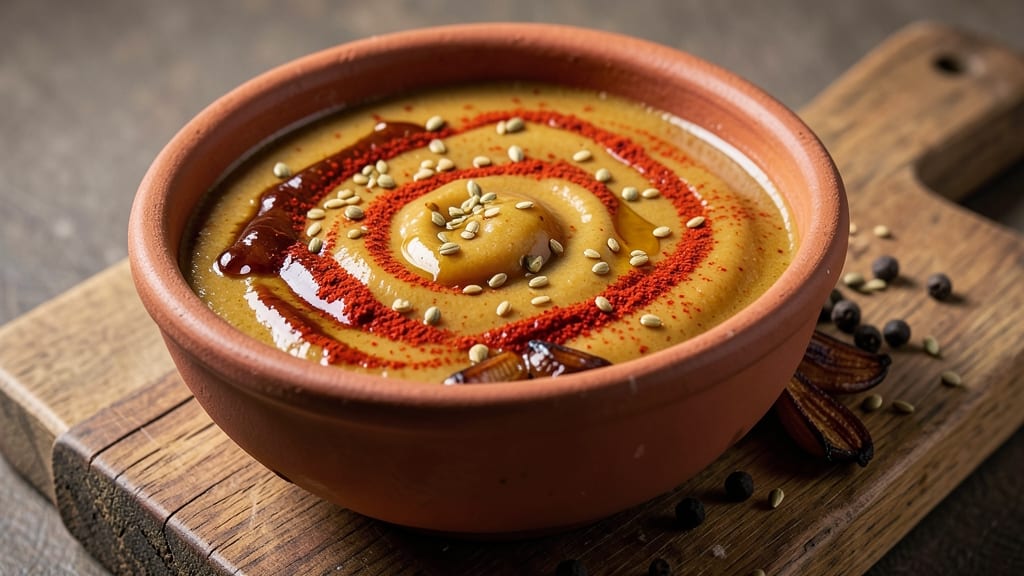
This authentic Madras sauce recipe delivers the bold, tangy-spicy punch that defines South Indian street food—no shortcuts, just the real deal. The magic lies in tamarind's deep tang, chili heat, and a blend of spices that mingle into a complex, addictive sauce that elevates everything from dosas to grilled meats.
I've perfected this version after years of testing, ensuring the balance of sweet, sour, and fiery that makes Madras cuisine unforgettable.
The secret to authenticity starts with toasting whole spices—cumin, coriander, and black pepper—until they release their aromatic oils. Tamarind paste provides that signature tang, while red chili powder delivers the heat. The sauce thickens slightly as it cools, creating a glossy, clingy consistency perfect for drizzling or dipping.
Unlike many store-bought versions, this one builds flavor gradually, rewarding patience with layers of complexity.
What sets this Madras sauce apart is its versatility—use it as a condiment for crispy snacks like murukku, drizzle it over steaming hot idlis, or mix it into curries for an instant flavor boost.
The sauce keeps well in the refrigerator for up to a week, so you can make a big batch and enjoy it throughout the week. The first time you taste this sauce on a perfectly spiced vada, you'll understand why it's a staple in every South Indian household.
This recipe is designed for home cooks who want restaurant-quality results without the fuss. With just 10 minutes of active prep and 5 minutes of simmering, you'll have a sauce that's bold enough to stand on its own but flexible enough to adapt to any dish.
Let's get started on creating this essential condiment that brings the streets of Madras to your kitchen.
Ingredients for authentic madras sauce
Tamarind, chili, and spices—just ten ingredients for the bold sauce that defines Madras street food.
| Ingredient | Amount | Notes |
|---|---|---|
| Tamarind Paste 🍋 | ½ cup | Unrefined, block form preferred |
| Red Chili Powder 🌶️ | 3 tbsp | Kashmiri or cayenne for heat |
| Cumin Seeds 🌿 | 1 tbsp | Toasted until fragrant |
| Coriander Seeds 🌿 | 1 tbsp | Toasted for depth |
| Black Peppercorns 🌶️ | ½ tsp | Crushed lightly |
| Ginger 🧄 | 1 tbsp | Freshly grated |
| Garlic Cloves 🧄 | 4 cloves | Minced finely |
| Asafoetida Powder 🌿 | ¼ tsp | Optional for depth |
| Sugar 🍚 | 1 tbsp | Balances tanginess |
| Water 💧 | 1 ½ cups | Room temperature |
Tamarind paste is the heart of this sauce, so pick the block form if you can find it—it's more concentrated and authentic. Indian grocery stores usually carry it, or look for Indian food aisles at larger supermarkets. The red chili powder? Kashmiri chili gives a sweeter, deeper heat, while cayenne delivers a sharper kick. Toast your whole spices—cumin, coriander, and peppercorns—in a dry pan until fragrant (about 2 minutes). That step makes all the difference. Fresh ginger and garlic are non-negotiable here—frozen won't cut it for the bright, fresh flavor you want.
No tamarind? Substitute 1 tbsp lemon juice plus 1 tsp vinegar, but you'll lose that signature complexity. Short on chili powder? Fresh red chili flakes work 1:1. The asafoetida (hing) is optional but adds that unmistakable umami depth—skip it if you're sensitive to strong flavors. For sugar, palm sugar or jaggery adds caramel notes, but regular granulated works fine. The water should be room temperature so the tamarind dissolves smoothly. If your sauce is too thick after simmering, add 1 tsp water at a time until it reaches that perfect glossy consistency.
This sauce keeps beautifully—up to 1 week in the fridge once cooled. Store it in a clean, airtight jar, and the flavors actually deepen over time. For longer storage, freeze in ice cube trays—perfect for adding to dishes later. The sauce thickens as it cools, so don't worry if it looks too thin while warm. Give it 10 minutes to set before using. I like to make a big batch and keep it on hand for everything from dosas to grilled meats—trust me, you'll use it all.
Why You'll Love This Recipe
- Here’s what sold me: this sauce costs me less than $3 to make and stretches for weeks. The tamarind paste lasts forever, the spices are cheap, and you’re not buying overpriced bottles of pre-made sauce. Plus, the leftovers? Just add water and simmer. It’s the kind of recipe that makes you feel like a budget genius.
- Five-Ingredient Magic: Honestly, I’ve made sauces with 15 ingredients that still felt complicated. This one? Just toast the cumin and coriander seeds in a dry pan—no oil needed—until they smell like a spice shop, then grind them fresh. That’s it. The tamarind paste does all the heavy lifting while you’re busy with the rest of dinner.
- Tangy Heat Balance: Between us, the first time I added the tamarind paste, I thought, "This is going to be weird." Then the chili powder and black peppercorns hit the simmering water, and—boom. That bright, sour punch from the tamarind cuts through the smoky cumin heat like a sigh of relief. It’s the kind of balance that makes you reach for seconds without thinking.
- Weeknight Workhorse: I’ve used this sauce on everything from scrambled eggs to grilled chicken, and even drizzled it over store-bought roti when I was too tired to cook. The secret? It’s got that umami depth from the toasted spices, so it never tastes like an afterthought. Keep a jar in the fridge—it’s my go-to when I’m too busy to plan.
Step-by-step instructions for authentic Madras sauce
Let's create this vibrant, tangy sauce that balances sweet, spicy, and umami in perfect harmony.
Toast the Whole Spices for Maximum Flavor
Heat a dry skillet over medium heat and add the 1 tablespoon cumin seeds and 1 tablespoon coriander seeds. Toast them for 2-3 minutes until they release their aroma and turn a rich golden color. You'll see them pop and smell intensely fragrant—this is your cue they're ready.
Immediately transfer the toasted spices to a small bowl and let them cool for 1 minute. I like to smash them lightly with the back of a spoon while still warm—this helps release even more flavor when we add them to the sauce. Don't skip this step; it makes all the difference in depth of flavor.
Grind the Spices with Fresh Ginger and Garlic
Add the toasted spices to a spice grinder or mortar and pestle along with the 1 tablespoon freshly grated ginger and 4 minced garlic cloves. Grind until you achieve a fine powder—you should be able to see no whole seeds remaining. The mixture should smell intensely aromatic with bright ginger and garlicky notes.
If using a mortar and pestle, work in batches to ensure even grinding. The fresh ginger and garlic add that authentic brightness that separates homemade Madras sauce from store-bought versions. This is where the magic happens—don't rush this step, as proper grinding ensures smooth texture in your final sauce.
Build the Sauce Base with Tamarind and Water
In a medium saucepan, combine the 0.5 cup tamarind paste, 1.5 cups room temperature water, and the freshly ground spice mixture. Bring to a gentle boil over medium-high heat, then immediately reduce heat to medium-low and let it simmer for 10 minutes.
Stir occasionally to prevent sticking—you'll notice the tamarind dissolving and creating a slightly cloudy, tangy liquid. The sauce should thicken slightly as it simmers, but it will continue to reduce further. This is the foundation where all the flavors will meld together beautifully.
Add Heat and Balance with Chili and Sugar
Lower the heat to low and stir in the 3 tablespoons red chili powder, 0.5 teaspoon crushed black peppercorns, and 0.25 teaspoon asafoetida powder. Add the 1 tablespoon sugar and the 1 tablespoon ginger (if not already included in the grinding). Simmer for another 5-7 minutes until the sauce reaches your desired consistency.
Here's where it gets interesting—the sugar balances the intense tang of the tamarind while the asafoetida adds that unmistakable umami depth. Taste as you go, adjusting the heat level with more chili powder if needed. The sauce should be thick enough to coat the back of a spoon but still flow smoothly. Real talk: this is the moment that matters—don't walk away, as you want to catch any potential bitterness before it develops.
Finish and Adjust for Perfect Balance
Remove the sauce from heat and let it cool for 5 minutes. This resting period allows all the flavors to truly meld together. Taste again and make any final adjustments—perhaps a touch more sugar to balance the acidity, or a pinch more salt if needed (though we're keeping it authentic without added salt).
The sauce should now be vibrant red with a beautiful sheen, and it should sing with layers of sweet, tangy, spicy, and umami flavors. If you find it too thick after cooling, simply add a splash of water to reach your preferred consistency. This authentic Madras sauce is now ready to transform your curries, dals, or grilled meats into something extraordinary.
Pro Tips For Making Authentic Madras Sauce
- Bloom Your Spices: Toast cumin and coriander seeds in a dry pan for exactly 30 seconds—until they smell aromatic but not brown. I learned this the hard way: burning them turns the sauce bitter, and skipping it leaves them tasting raw. Add them to hot oil immediately after topping up the pot.
- Soften Tamarind First: Mix tamarind paste with ½ cup warm water before adding it to the sauce—this prevents clumping and ensures even distribution. I used to just dump it in, and half the time it sat like a lump in the sauce. Stir well until fully dissolved.
- Simmer, Don’t Boil: Keep the sauce at a gentle simmer (tiny bubbles, no splashing) for 10-12 minutes after adding tomatoes and spices. Boiling burns the tamarind’s tang and dulls the chili’s heat. Cover loosely and let it work quietly—patience here makes the difference.
- Grind Fresh for Heat: If using dried red chilies, grind them with the coriander and peppercorns for a smoother, hotter base. Store-bought powder lacks depth, and pre-ground spices lose their punch fast. A quick pulse in a spice grinder does the trick—no fancy equipment needed.
Storing and reheating your leftovers
Fridge Storage Essentials
Transfer your freshly made Madras sauce to a clean, airtight glass jar—I prefer Pyrex for its durability and airtight seal. Store it in the refrigerator at 40°F or below where it’ll keep for up to 1 week.
The flavors actually deepen over time, so don’t hesitate to make a big batch. Let it cool completely before sealing to prevent condensation, which can dilute the sauce. 💧
For best results, use a sterilized spoon to scoop out portions, avoiding contamination. I like to label my jars with the date to track freshness. The sauce will thicken further in the fridge, so give it a quick stir before using—it should reach a glossy, clingy consistency perfect for drizzling.
Freezing for Long-Term Use
Freeze Madras sauce in ice cube trays for portion control—just pop out what you need and thaw in the fridge overnight. Transfer the cubes to a ziplock freezer bag and flatten to save space.
This method preserves texture and flavor better than freezing in bulk. The sauce keeps for up to 3 months in the freezer without losing its vibrant color or heat. 🥶
When reheating frozen sauce, thaw it in the fridge first, then warm gently in a saucepan over low heat with a splash of water to restore its original consistency.
Avoid microwaving—it can make the sauce grainy and dull the flavors. A quick simmer on the stovetop brings back that glossy sheen and rich aroma.
Reviving Thickened Sauce
If your refrigerated Madras sauce thickens too much, simply add 1 teaspoon of water at a time while stirring over low heat. The sauce should return to its ideal drizzling consistency—thick enough to coat but still flowing smoothly.
Never use hot water, as it can break down the tamarind’s delicate texture. A quick simmer (just 2-3 minutes) is all it takes to revive the sauce. ✨
For extra richness after reheating, finish with a pinch of asafoetida powder or a fresh crack of black pepper. The sauce’s bold flavors often intensify after storage, so taste before using and adjust with a touch of sugar or chili powder if needed.
This simple trick keeps your Madras sauce restaurant-quality every time.
Preventing Mold and Spoilage
Always check for signs of spoilage before using—if the sauce smells off or develops an unusual texture, discard it immediately. The tamarind’s natural acidity helps preserve the sauce, but proper storage is key.
I recommend glass containers over plastic, as they don’t absorb odors and allow you to see the sauce’s vibrant color. 🌿
For extra safety, divide the sauce into smaller portions before freezing or refrigerating. This minimizes exposure to air and reduces the risk of contamination. If you notice any mold, even a tiny spot, toss the entire batch—mold can grow invisibly beneath the surface.
Trust me, it’s better to be safe than sorry with this potent sauce.
Nutrition facts
Frequently asked questions
Can I make Madras sauce without tamarind?
You can substitute tamarind with 1 tbsp lemon juice + 1 tsp vinegar, but you'll lose some of the sauce's signature depth and complexity. For a closer alternative, try 1 tbsp tamarind concentrate (found in Indian grocery stores) mixed with 2 tbsp water. The sauce will still be tangy but may lack the authentic layered flavor.
How spicy should my Madras sauce be?
The heat level depends on your preference! Start with 3 tbsp chili powder for a moderate kick, then adjust by adding ½ tsp at a time while tasting. For extra heat, add finely chopped green chilies or a pinch of cayenne pepper. Traditional versions balance tangy, spicy, and slightly sweet notes—trust your taste buds to find the right equilibrium.
What's the best way to use leftover Madras sauce?
This versatile sauce elevates so many dishes! Drizzle it over hot dosas, idlis, or vadas for a tangy kick, mix it into curries or dals for depth, or use it as a dip for crispy snacks like murukku or pakodas. It also works as a marinade for grilled meats or fish—just combine with 1 tbsp yogurt for extra tenderness.
Why did my sauce turn bitter?
Over-simmering or using old spices can cause bitterness. To fix it, stir in ½ tsp sugar or a pinch of salt while warm, then taste. For future batches, simmer only 5-7 minutes total and use freshly toasted spices. If the bitterness persists, start fresh—authentic Madras sauce should taste bright, tangy, and balanced, not harsh.
Can I make this sauce vegan?
This recipe is already vegan—just ensure your tamarind paste and asafoetida are plant-based. For extra richness, add 1 tbsp coconut oil while simmering. The sauce works perfectly with vegan dishes like chickpea curries, tofu stir-fries, or vegetable pakoras—its bold flavors complement plant-based meals beautifully.