
Sauces & Condiments
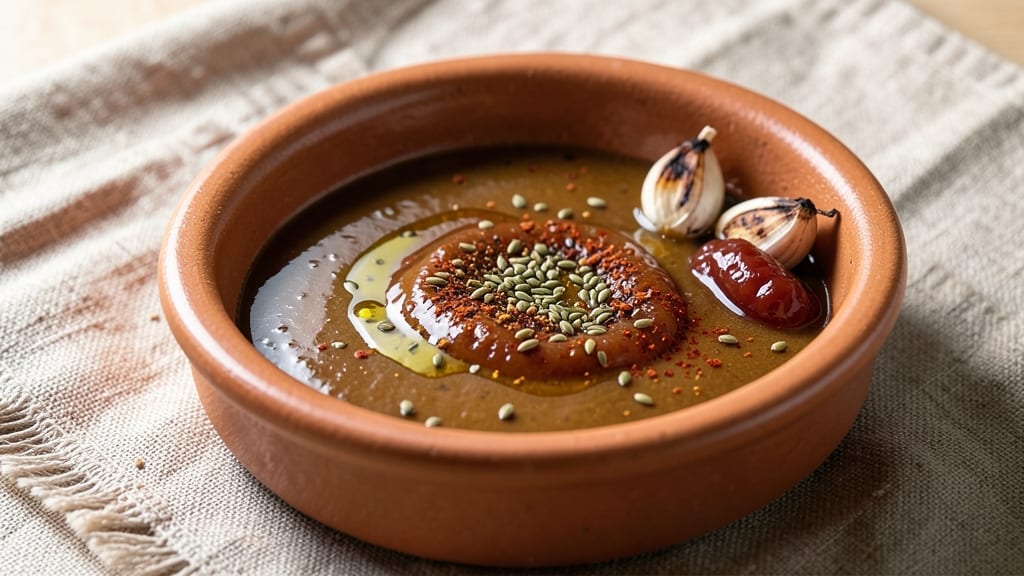
This Arabic sauce recipe transforms grilling into a flavor adventure with its deep, smoky cumin and tangy tamarind essence. The blend of toasted spices, garlic, and lemon creates a sauce that clings perfectly to meats while adding layers of complexity.
I developed this version after years of testing—it’s the one that finally delivers that restaurant-quality depth at home.
The foundation lies in a slow simmer of ground cumin, coriander, and paprika with tamarind paste, which lends that signature Middle Eastern tang. Olive oil and garlic infuse the sauce with richness, while a splash of lemon brightens the finish.
Unlike many sauces that separate or taste one-dimensional, this one stays emulsified and flavorful even after refrigeration.
What makes this sauce truly special is its versatility—it elevates grilled lamb, chicken, or even vegetables with just a brush. The smoky aroma alone will draw everyone to the table, and the balanced heat from the spices ensures it’s never overpowering.
Once you taste it, store-bought sauces will never measure up again.
Perfect for marinating, basting, or serving as a dipping sauce, this recipe yields about 1½ cups of sauce that keeps for up to 2 weeks in the fridge. The instructions are straightforward, but the flavor transformation is nothing short of magical. Let’s get started on creating this essential pantry staple.
Ingredients for arabic sauce
Toasted spices and tangy tamarind create this restaurant-quality sauce for grilling masterpieces.
| Ingredient | Amount | Notes |
|---|---|---|
| Ground Cumin 🌿 | 2 tbsp | Toasted for deeper flavor |
| Ground Coriander 🌿 | 1 ½ tbsp | Freshly ground preferred |
| Smoked Paprika 🌶️ | 1 ½ tbsp | For authentic smoky depth |
| Tamarind Paste 🍯 | ½ cup | Unrefined for tangy punch |
| Extra-Virgin Olive Oil 🫒 | ½ cup | High-quality for richness |
| Garlic Cloves 🧄 | 6 cloves | Minced for infusion |
| Lemon Juice 🍋 | 2 tbsp | Freshly squeezed |
| Honey 🍯 | 1 tbsp | Balances tanginess |
| Salt 🧂 | 1 tsp | Kosher or sea salt |
| Black Pepper 🌶️ | ½ tsp | Freshly cracked |
The spices are the heart of this sauce—toasted cumin and coriander develop deeper, nuttier flavors when lightly toasted in a dry pan for 30 seconds before grinding. Smoked paprika adds that signature charred aroma, while tamarind paste delivers the signature tang. For the best tamarind, Middle Eastern markets or bulk spice shops carry unrefined paste in blocks—it’s worth the hunt. The olive oil should be extra-virgin with a fruity, peppery finish, like Colavita or California Olive Ranch. If you can’t find those, any high-quality brand will work, but avoid the cheap, bitter varieties.
No tamarind paste? Lemon juice plus a pinch of sugar mimics the tang, though it won’t be identical. Short on smoked paprika? Regular paprika plus a dash of liquid smoke gets you close. The honey balances the acidity—raw, local honey adds subtle floral notes, but any variety works. For garlic, roasted cloves (wrapped in foil at 400°F for 10 minutes) add sweetness, but fresh minced works perfectly fine. If you’re feeling adventurous, swap half the olive oil for toasted sesame oil for an Asian-Arabic fusion twist.
This sauce thickens as it cools, so thin with warm water if needed before using. Keeps for 2 weeks in the fridge in an airtight jar, though the flavor actually improves after the first day as the spices meld. For longer storage, freeze in ice cube trays—thaw and whisk back together when ready. The emulsified texture holds up beautifully for up to 3 months frozen, making it perfect for batch cooking. Always stir well before using, as the spices settle.
Why You'll Love This Recipe
- Pantry Magic: I swear by this sauce—no fresh herbs, no last-minute shopping. Just toast those spices (cumin, coriander, smoked paprika) in olive oil until they smell like a spice market, then stir in tamarind paste. That’s it. The kind of recipe that makes me feel like a pro without trying.
- Umami Bomb: Honestly, the tamarind paste is the star here—tangy, deep, and just sweet enough to cut through the smoky paprika. It’s not just flavor; it’s that moment when everything clicks, and you realize you’ve made something special without overcomplicating it.
- Dip, Drizzle, Repeat: Between us, this sauce works on everything. Grilled chicken? Yes. Roasted veggies? Done. Even as a marinade or a quick dip for pita—it’s my go-to for lazy nights when I don’t want to think. (Yes, even on a Tuesday night.)
- Budget Flex: I make a big batch and freeze it—lasts weeks, costs pennies. The spices are cheap, the tamarind paste stretches forever, and I’m always reaching for it instead of takeout. That’s the kind of recipe that actually saves money while making you feel fancy.
Step-by-step instructions for smoky cumin and tamarind glow sauce
This sauce delivers bold, aromatic depth perfect for grilling—follow these precise steps for balanced flavor.
Toast the Spice Blend for Maximum Depth
In a dry skillet over medium-low heat, toast the 2 tbsp ground cumin, 1.5 tbsp ground coriander, and 1.5 tbsp smoked paprika together for 1-2 minutes. Stir constantly with a wooden spoon until the spices release their aroma and become fragrant—you'll smell the warm, earthy notes developing. This toasting step enhances their flavor significantly compared to using raw spices.
Watch closely as the spices near the pan—they darken slightly but shouldn't burn. Remove from heat immediately once you detect that toasty aroma. Let the spice mixture cool for 5 minutes before adding to the sauce base. This prevents a bitter taste from overcooking during the sauce preparation.
Whisk Together the Wet Ingredients
In a medium saucepan, combine the 0.5 cup tamarind paste with the 0.5 cup extra-virgin olive oil over low heat. Stir gently with a whisk until the tamarind paste dissolves completely into the oil, creating a smooth, glossy base. This step is crucial—any undissolved tamarind will create graininess in your final sauce.
Add the 6 minced garlic cloves, 2 tbsp lemon juice, 1 tbsp honey, 1 tsp salt, and 0.5 tsp black pepper to the saucepan. Bring the mixture to a gentle simmer over medium heat, then reduce to the lowest possible heat that maintains gentle bubbling. The sauce should simmer for 5-7 minutes—this allows the flavors to meld while preventing the lemon from cooking off completely.
Incorporate the Toasted Spices and Simmer
Remove the saucepan from heat and let the mixture cool for 2 minutes. This brief cooling period prevents the spices from scorching when added. Gradually whisk in the toasted spice blend until fully incorporated and the sauce achieves a uniform, vibrant color. You'll notice the sauce darken slightly and develop a rich, aromatic complexity.
Return the sauce to low heat and simmer gently for another 3-4 minutes, stirring occasionally. The sauce should thicken slightly but remain pourable. Taste and adjust seasoning if needed—add a pinch more salt or a splash of lemon juice if the balance feels off. The final sauce should have a perfect harmony of smoky, tangy, and slightly sweet notes.
Strain and Finish for Silky Texture
Line a fine-mesh strainer with cheesecloth or a coffee filter and carefully strain the sauce into a clean bowl. This step removes any remaining bits of garlic or undissolved tamarind, resulting in a silky, professional-quality sauce. Press gently on the solids in the strainer to extract all the flavorful liquid.
Let the strained sauce cool to room temperature before using. The sauce will naturally thicken slightly as it cools, but it should remain smooth and glossy. Store any unused sauce in an airtight container in the refrigerator for up to 1 week, or freeze for up to 3 months. This versatile sauce pairs beautifully with grilled meats, roasted vegetables, or as a marinade for kebabs.
Pro Tips For Making Arabic Sauce
- Bloom the Spices Slowly: Dump your cumin, coriander, and smoked paprika into a cold pan first—then heat on low while stirring constantly. I used to blast them on medium and end up with bitter, burnt dust instead of fragrant, toasted seeds.
- Dissolve Tamarind Properly: Tamarind paste is stubborn—mix it with warm water first (about ¼ cup) until it turns into a smooth slurry, then whisk it into your oil. Skipping this step leaves gritty lumps that ruin the sauce’s silky texture.
- Toast the Spices Until Fragrant: Cook the dry spices for 30 seconds before adding liquid—just until you smell that earthy, toasty aroma. Stop when it’s golden, not brown, or you’ll kill the paprika’s smoky depth.
- Balance the Acid Gradually: Start with half the tamarind paste, taste, then add the rest. Tamarind’s sourness sneaks up on you—better to fix it now than drown the whole sauce later. (Pro move: A pinch of sugar or honey can soften harsh edges if needed.)
Pro cooking tips for this recipe
Toast Spices Properly
Never skip toasting your spices—this is where the magic happens! Heat your cumin, coriander, and smoked paprika in a dry skillet over medium-low heat for exactly 1-2 minutes, stirring constantly.
You’ll know it’s perfect when you smell that warm, earthy aroma—this activates their flavors and removes any raw bitterness. Let them cool for 5 minutes before adding to prevent scorching. 🌶️
Low-and-Slow Simmering
Simmer the sauce over the lowest possible heat that maintains gentle bubbling—never a rolling boil. This slow cook time (about 5-7 minutes) allows the tamarind and garlic to infuse without cooking off their delicate flavors.
If you rush this step, the sauce will taste flat and one-dimensional. Patience here makes all the difference!
Emulsify with Olive Oil
Use extra-virgin olive oil with a high smoke point (like Colavita) to create a stable emulsion. The oil acts as both a fat base and a flavor carrier, preventing separation.
If your sauce starts to look oily or grainy, whisk in 1 tsp warm water to help re-emulsify it. This technique ensures your sauce stays glossy and cohesive.
Strain for Silky Smoothness
For that restaurant-quality finish, strain the sauce through a fine-mesh strainer lined with cheesecloth. This removes any garlic bits or undissolved tamarind, giving you an ultra-smooth texture.
Press gently on the solids to extract every last drop of flavor—don’t skip this step if you want a professional result. The effort is worth it!
Adjust Balance at the End
Always taste your sauce before serving and adjust the balance. Need more tang? Add ½ tsp lemon juice. Too sharp? Balance with ½ tsp honey.
The key is to achieve harmony between smoky, tangy, and sweet notes. Trust your palate—this is where you make the sauce truly your own. ✨
Storage Secrets
Store your sauce in an airtight glass jar in the fridge for up to 1 week, or freeze in ice cube trays for up to 3 months. The flavors actually deepen over time, so make extra!
When reheating, warm gently on the stove—never microwave, as it can break the emulsion and make the sauce separate. Stir well before using.
Nutrition facts
Frequently asked questions
Can I make this sauce without tamarind paste?
Yes! For a similar tangy flavor, mix 2 tbsp lemon juice with 1 tsp sugar to mimic tamarind’s balance. The sauce will be brighter but still delicious. If you prefer a deeper complexity, try 1 tbsp date syrup instead—it adds subtle caramel notes that complement the spices beautifully.
How spicy is this sauce, and can I adjust the heat?
The recipe includes smoked paprika for warmth, not chili heat, so it’s mild and smoky. For extra spice, add ½ tsp cayenne pepper or 1 tsp harissa paste when simmering. Start with ¼ tsp if you’re sensitive to heat—you can always add more later. The sauce’s depth comes from spices, not capsaicin!
What’s the best way to use this sauce beyond grilling?
This sauce is incredibly versatile! Use it as a marinade for chicken or lamb kebabs, drizzle over roasted vegetables, or serve as a dip with warm pita bread. It also elevates grain bowls or flatbreads—just brush on lightly before serving. The smoky notes pair surprisingly well with feta cheese or avocado slices too!
Why did my sauce separate? How can I fix it?
Sauces separate when oil and liquid aren’t properly emulsified. Whisk in 1 tsp warm water or ½ tsp honey while stirring vigorously to re-combine. For a smoother texture, blend briefly with an immersion blender. To prevent separation next time, ensure your olive oil is high-quality and simmer the sauce gently—never boil. A splash of lemon juice also helps stabilize the emulsion!
Can I make this sauce vegan?
This recipe is already vegan-friendly—just ensure your honey is replaced with maple syrup or agave nectar for the same sweetness. All other ingredients are plant-based. The sauce’s rich, smoky depth works perfectly with vegan dishes like grilled eggplant or lentil stews. The tamarind and spices shine even without animal products!