
Sauces & Condiments
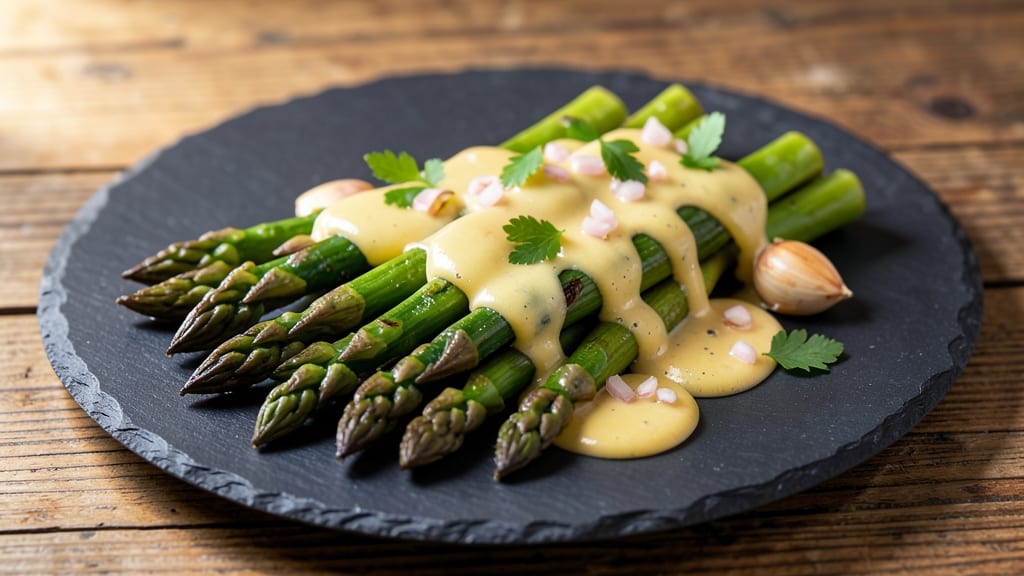
This asparagus with lemon butter sauce recipe transforms simple spring vegetables into a restaurant-worthy side dish that pairs perfectly with grilled meats or fish. The secret lies in balancing tender-crisp asparagus with a bright, herby lemon butter sauce that cuts through richness while adding vibrant flavor.
With just 15 minutes of active prep and 10 minutes of cooking, you'll have a dish that looks elegant yet requires minimal effort.
The process begins with properly cleaning and trimming the asparagus—removing the tough ends while preserving the delicate tips. Then, we use a combination of roasting and sautéing to achieve that perfect tender-crisp texture that holds up beautifully under the sauce.
The lemon butter comes together in moments, with fresh lemon juice and herbs brightening the rich butter base.
What you'll end up with is asparagus spears that are perfectly cooked—bright green and slightly charred at the edges—tossed in a glossy, tangy-sweet sauce that clings to every bite.
The sauce's acidity balances the earthiness of the asparagus, while the butter adds just enough richness to make this dish feel indulgent. It's the kind of side that elevates any main course without stealing the spotlight.
This recipe works equally well for weeknight dinners or special occasions, scaling effortlessly from a single serving to a full dinner party side. The sauce can be made ahead and reheated, making it perfect for meal prep. Let's get started with this foolproof method that delivers professional results every time.
Ingredients for asparagus with lemon butter sauce
Bright green asparagus meets rich lemon butter sauce in this elegant yet simple spring side dish.
| Ingredient | Amount | Notes |
|---|---|---|
| Fresh Asparagus Spears 🌱 | 1 ½ lb | Trim tough ends, leave tips intact |
| Unsalted Butter 🧈 | ½ cup | Cold, cut into small cubes |
| Fresh Lemon Juice 🍋 | ¼ cup | From 2-3 lemons, freshly squeezed |
| Shallot 🧅 | 1 small | Minced finely, 2 tbsp equivalent |
| Fresh Parsley 🌿 | ¼ cup | Chopped finely, stems removed |
| Garlic Cloves 🧄 | 2 cloves | Minced finely, 1 tsp equivalent |
| Diamond Crystal Kosher Salt 🧂 | ½ tsp | For seasoning asparagus |
| Ground Black Pepper 🌶️ | ¼ tsp | Freshly cracked, preferred |
| Extra-Virgin Olive Oil 🫒 | 1 tbsp | For roasting asparagus |
| Heavy Cream 🥛 | ¼ cup | Optional for richer sauce |
| Fresh Thyme Leaves 🌿 | 1 tsp | Chopped finely, optional garnish |
The asparagus quality makes all the difference—look for bright green spears with tight tips at the grocery store. Whole Foods or local farmers markets often carry the freshest, most tender varieties. Trim the woody ends by bending spears until they snap naturally—this ensures perfect texture. For the butter, Plugrá or Land O'Lakes unsalted work beautifully, but avoid salted versions to control seasoning. The shallot adds subtle sweetness without overpowering the bright citrus notes, so don't skip it.
No shallot? One small garlic clove minced extra-fine works in a pinch, though it's more pungent. Fresh herbs are ideal, but dried parsley at one-third the amount suffices if needed. The lemon juice should be freshly squeezed—bottled juice lacks the vibrant acidity. For a richer sauce, the heavy cream adds luxurious texture, though the original recipe shines without it. If you prefer extra zing, add a pinch of red pepper flakes to the finished sauce. The olive oil should be high-quality extra-virgin to complement the butter's richness.
Asparagus keeps for 3-4 days in the fridge, wrapped in damp paper towels. The sauce components can be prepped ahead and refrigerated for 2 days, though it's best made fresh. Reheat gently over low heat with a splash of water or milk to prevent separation. This dish reheats beautifully—ideal for meal prep. For serving, arrange spears on a platter and drizzle with sauce, garnishing with fresh thyme leaves for an elegant touch.
Why You'll Love This Recipe
- Five-Ingredient Magic: That’s all it takes—just asparagus, butter, lemon, shallot, and parsley. No fancy techniques here, just a knife, a pan, and 15 minutes of your time. I swear, even when I’m too tired to think, this still tastes like I tried.
- Bright & Buttery Bliss: The lemon cuts through the richness of the butter so perfectly, it’s like a flavor hug. That crisp-tender asparagus with the shallot’s sweetness? It’s the kind of dish that makes you want to eat it straight from the pan—no judgment here.
- Weeknight to Dinner Party: Same recipe, different vibes. Toss it on the table for a lazy Tuesday or serve it at a fancy dinner—no one will question why it’s so good. Honestly, I’ve even used the leftovers in salads, and it’s still a win.
- Zero-Waste Winner: You’ll use every part of the asparagus (even the woody ends, if you’re feeling bold). And the sauce? It’s rich but not heavy, so it won’t break the bank or your diet. Plus, the parsley adds that fresh pop that makes it feel special without the fuss.
Step-by-step instructions for asparagus with lemon butter sauce
Bright, zesty lemon butter transforms simple asparagus into an elegant spring centerpiece.
Prepare and Roast the Asparagus
Preheat your oven to 425°F and line a baking sheet with parchment paper. Trim the tough ends from the 1.5 lb fresh asparagus spears, leaving the tender tips intact. This ensures even cooking without fibrous texture. Arrange the spears in a single layer on the prepared sheet, leaving ½-inch space between each spear for proper air circulation.
Drizzle the asparagus with the 1 tablespoon extra-virgin olive oil and toss gently to coat evenly. Sprinkle with ½ teaspoon Diamond Crystal kosher salt and ¼ teaspoon ground black pepper. Roast for 12-15 minutes until the edges are deep green with slight char and the tips are tender when pierced with a fork. The asparagus should hold its shape but yield slightly to pressure.
Create the Lemon Butter Base
While the asparagus roasts, melt the ½ cup unsalted butter in a small saucepan over low heat. I like to use a light-colored pan so I can monitor the color changes. Once fully melted and foamy, remove from heat and whisk in the ¼ cup fresh lemon juice and 1 teaspoon finely chopped fresh thyme leaves. The mixture should become pale yellow with a bright citrus aroma.
Return the pan to low heat and add the 1 small minced shallot and 2 cloves minced garlic. Cook for 1-2 minutes until the shallots soften and become translucent. This step builds flavor without letting the garlic burn—watch closely as it can happen quickly. The sauce should smell vibrant and fresh, with no bitter notes.
Finish with Cream and Herbs
Remove the sauce from heat and stir in the ¼ cup heavy cream (if using). The cream will create a velvety texture that balances the bright acidity of the lemon. Return to low heat for 1 minute to warm through, then whisk in the ¼ cup finely chopped fresh parsley. This final herb addition adds freshness and color contrast to the golden sauce.
Taste and adjust seasoning with additional salt or lemon juice if needed. The sauce should coat the back of a spoon with a glossy finish. If it's too thick, whisk in 1 teaspoon warm water to reach your desired consistency—it should be thick enough to cling to the asparagus but still flow smoothly.
Combine and Serve
Transfer the roasted asparagus to a serving platter and immediately drizzle with the warm lemon butter sauce. Toss gently to coat each spear evenly. The sauce should cling to the asparagus with a glossy sheen, enhancing its natural green color. Garnish with additional chopped parsley and thyme leaves for visual appeal and extra aroma.
Serve immediately while the asparagus is still warm and the sauce remains velvety. The contrast between the tender-crisp asparagus and the bright, tangy sauce creates a perfect balance of textures and flavors. This dish pairs beautifully with grilled fish, roasted chicken, or even as a vegetarian main course with crusty bread.
Pro Tips For Making Asparagus With Lemon Butter Sauce
- Trim the Tough Ends: Cut the asparagus spears at a 45-degree angle—this makes them look intentional and stops them from rolling around in the pan. I used to skip this, and the ends would either burn or stay raw.
- Sweat the Shallot: Cook the shallot in the butter until it’s just translucent, not browned—this keeps the sauce silky instead of bitter. After burning two batches, I learned to pull it out the second it turns soft, not golden.
- Salt the Butter Early: Add a pinch of salt to the cold butter before melting it—this seasons the sauce from the start and cuts down on mid-cooking adjustments. I was skeptical until I tried it; the flavor is way more balanced.
- Finish with Zest: Toss in a few strips of lemon zest with the parsley at the end—it brightens the sauce without overpowering the butter. Sounds weird, but it works: the zest dissolves just enough to add depth.
Make-ahead tips for this dish
Prep Ahead Sauce
Make the lemon butter sauce up to 2 days in advance and store it in an airtight container in the refrigerator. When ready to use, reheat gently over low heat with 1 teaspoon water to prevent thickening.
I've found that prepping the sauce ahead actually enhances the flavors—it gives the shallots and garlic time to meld beautifully with the citrus. 💫
Roast Asparagus Early
Roast the asparagus 1-2 hours before serving to keep it perfectly tender-crisp. Store cooked asparagus in an airtight container in the fridge, but don't let it sit too long—it's best served warm. If reheating, warm in a 350°F oven for 5-7 minutes with a splash of water to maintain moisture.
Freezer-Friendly Prep
For meal prep, blanch asparagus in boiling water for 2 minutes, then plunge into ice water. Drain and store in a freezer bag for up to 3 months.
When ready to cook, roast from frozen at 400°F for 15-18 minutes—just add 1 extra minute to the cooking time. The sauce can be made separately and combined after reheating.
Sauce Variations
Make the sauce richer by adding 1 tablespoon white wine when melting the butter. For extra brightness, add ½ teaspoon grated lemon zest to the finished sauce. I've also found that a pinch of cayenne pepper adds a subtle kick that pairs perfectly with the lemon.
Store variations separately in small containers for easy customization later. 🌶️
Portion Control
Divide the sauce into ¼ cup portions in small ramekins for individual servings. Store these in a single airtight container with parchment between layers to prevent sticking. This makes it easy to reheat just what you need—perfect for family-style dinners where everyone serves themselves.
Garnish Prep
Chop all garnishes—parsley and thyme—ahead of time and store in a small container with a damp paper towel to keep them fresh. These stay vibrant in the fridge for 3 days and can be sprinkled on just before serving.
I like to keep them in a separate container so they don't wilt in the sauce mixture. ✨
Nutrition facts
Frequently asked questions
Can I use frozen asparagus for this recipe?
Fresh asparagus gives the best texture, but frozen works in a pinch! Thaw completely first, then pat very dry with paper towels to remove excess moisture. Roast at 400°F for 15-18 minutes instead of 425°F, and add 1 extra tablespoon olive oil to prevent drying. The sauce will still taste amazing, though the texture won't be quite as tender-crisp.
What's the best way to trim asparagus ends?
Hold each spear near the base and bend it gently—it will naturally snap at the point where the tough, woody section ends. Discard the broken-off ends and save the tender tips. For thicker stalks, you can also trim about ½-inch from the bottom at an angle. This simple trick ensures perfectly even cooking every time!
Can I make this sauce without butter?
For a lighter version, substitute with ½ cup olive oil and add 1 tablespoon lemon juice while cooking to prevent bitterness. Or use ¼ cup dairy-free butter alternative for a similar texture. The sauce will still have that bright citrus flavor, just with a different richness.
How do I prevent the sauce from separating?
Keep heat low when melting butter and adding lemon juice—high heat causes separation. If it thickens too much, whisk in 1 teaspoon warm water or milk. For extra insurance, whisk constantly when adding cream. The sauce should be glossy and smooth, not grainy.
What's the best way to reheat leftovers?
Reheat asparagus and sauce together in a 350°F oven for 5-7 minutes with 1 tablespoon water to maintain moisture. For stovetop, warm over low heat for 2-3 minutes, stirring constantly. Avoid microwaving—it makes the asparagus soggy. The sauce reheats beautifully this way!