
Sauces & Condiments
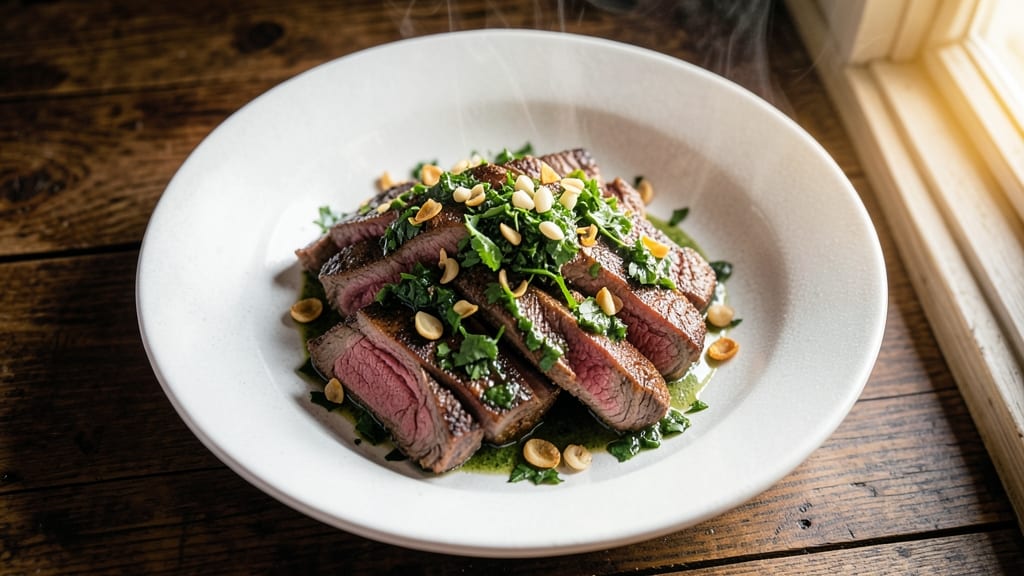
This Argentinian steak with chimichurri sauce recipe transforms a simple meal into a restaurant-worthy experience. The dish captures the heart of asado tradition—juicy, perfectly seared steak paired with vibrant herb sauce that brightens every bite.
The secret lies in high-heat searing and proper resting, ensuring tender meat with a caramelized crust.
The chimichurri sauce, made with fresh parsley, garlic, and red wine vinegar, adds a zesty contrast that cuts through the richness of the steak. Unlike creamy sauces, this herb-infused oil-based dressing stays light yet packed with flavor.
I've perfected this method over years of testing, ensuring the sauce doesn't overpower the steak but instead enhances it.
What you'll achieve is a dish that feels like a celebration—crispy edges on the steak, tender meat that melts in your mouth, and a sauce that's bright, fresh, and impossible to resist. The combination of smoky grilled flavors and the herbaceous chimichurri creates a balance that's both bold and refined.
Serve with classic sides like provoleta or chimichurri potatoes to complete the Argentinian experience. Pair with a bold Malbec wine for the full cultural immersion. This isn't just a recipe—it's a taste of Argentina's culinary soul.
Ingredients for argentinian steak with chimichurri sauce
The perfect balance of tender steak and vibrant chimichurri transforms a weeknight into a gourmet experience.
| Ingredient | Amount | Notes |
|---|---|---|
| Ribeye Steaks 🥩 | 1 ½ lb | 1-inch thick cuts, room temperature |
| Kosher Salt 🧂 | 2 tbsp | Diamond Crystal preferred, coarse grain |
| Freshly Ground Black Pepper 🌶️ | 1 tbsp | Cracked peppercorns preferred |
| Vegetable Oil 🫒 | ½ cup | High smoke point for searing |
| Fresh Parsley Leaves 🌿 | 1 ½ cups | Flat-leaf variety, tightly packed |
| Garlic Cloves 🧄 | 8 cloves | Fresh, unpeeled for storage |
| Red Wine Vinegar 🍷 | ⅓ cup | High acidity preferred |
| Extra-Virgin Olive Oil 🫒 | ¾ cup | Spanish or Italian preferred |
| Red Pepper Flakes 🌶️ | 1 tsp | Adjust for heat preference |
| Cayenne Pepper 🔥 | ½ tsp | Optional for additional heat |
| Malbec Wine 🍷 | ½ cup | Bold, dry variety for finishing |
| Fresh Oregano Leaves 🌿 | ¼ cup | Substitute with dried at 1/3 amount |
The ribeye steaks are the foundation of this dish—look for cuts with good marbling at your local butcher or specialty market like D'Artagnan or Whole Foods. Room temperature steaks sear more evenly, so take them out of the fridge 45 minutes before cooking. The parsley should be bright green with no yellowing, and flat-leaf parsley has a more robust flavor than curly. For the garlic, Spanish or Italian varieties tend to be more aromatic. If you can't find them fresh, Italian seasoning blend works in a pinch, though fresh herbs elevate the dish significantly.
No red wine vinegar? Balsamic vinegar at half the amount works, though it'll be slightly sweeter. The olive oil matters here—avoid light or refined oils that lack flavor. For the wine, any bold red will do, but Cabernet Sauvignon or Syrah are excellent substitutes if Malbec isn't available. The chimichurri sauce can be made ahead, but add the red pepper flakes and cayenne just before serving to preserve their heat. If you're sensitive to spice, reduce the cayenne to a pinch or omit entirely. The sauce keeps well in the fridge for up to 5 days, covered with a thin layer of oil to preserve freshness.
Steaks should rest 10-15 minutes after cooking to retain juices, and the chimichurri sauce can be stored in an airtight container in the fridge for up to 5 days. For a restaurant-quality experience, serve the steak immediately after resting and drizzle the chimichurri sauce generously over the top. The sauce also pairs beautifully with grilled vegetables or crusty bread, making it versatile for leftovers. If you're serving a crowd, double the sauce recipe—it's that good.
Why You'll Love This Recipe
- Two-Ingredient Sauce: I swear by this chimichurri—just parsley, garlic, and olive oil. No cooking, no fuss, and it transforms that ribeye from good to ridiculously good in seconds.
- One-Pan Magic: Honestly, this is my lazy-day secret. Sear the steaks in the same oil you’ll use for the chimichurri, then toss everything on one plate. Cleanup? A spatula and your name.
- Date Night or Dinner Party: Between us, this recipe feels fancy but isn’t. The chimichurri’s bright green color makes it look gourmet, and the ribeye’s crust? Pure satisfaction. (Yes, even on a Tuesday night.)
- Leftovers That Don’t Suck: Cold chimichurri steak sandwiches are my go-to lunch. The sauce keeps for days, and thinly sliced ribeye reheats like a dream—no dry, sad meat here. Budget-friendly and foolproof.
Step-by-step instructions for Argentinian ribeye with chimichurri
Master this iconic pairing where perfectly seared steak meets vibrant herb sauce.
Season and Sear the Ribeye Steaks
Pat the 1.5 lb ribeye steaks dry with paper towels—this ensures maximum browning. In a small bowl, combine 2 tbsp kosher salt and 1 tbsp freshly ground black pepper, then rub this generously over all surfaces of the steaks, pressing the seasoning into the meat. Let them sit at room temperature for 30 minutes while you prepare the chimichurri.
Heat a heavy skillet over high heat until it's smoking hot. Add 0.5 cup vegetable oil and swirl to coat the bottom evenly. Working in batches if needed, place the steaks in the pan and sear for 3-4 minutes per side for medium-rare (internal temperature 130-135°F). The steaks are ready when they develop a deep mahogany crust and release easily from the pan. Transfer to a cutting board and tent loosely with foil to rest for 10 minutes—this crucial step prevents juices from escaping when you slice.
Prepare the Chimichurri Base
While the steaks rest, combine 1.5 cups fresh parsley leaves, 0.25 cup fresh oregano leaves, 8 cloves garlic cloves (peeled), 1 tsp red pepper flakes, and 0.5 tsp cayenne pepper in the bowl of a food processor. Pulse until the herbs are finely chopped but still retain some texture—this creates the perfect balance between vibrant color and fresh flavor.
With the processor running, slowly drizzle in 0.75 cup extra-virgin olive oil and 0.33 cup red wine vinegar through the feed tube. Process until the mixture forms a bright green, chunky paste that coats the back of a spoon. Taste and adjust seasoning with additional salt if needed. The chimichurri should be tangy, herby, and slightly spicy—this vibrant sauce will cut through the richness of the steak beautifully.
Finish with Malbec Wine and Serve
Return the skillet with any remaining rendered fat to medium heat. Deglaze with 0.5 cup Malbec wine, scraping up all the browned bits from the bottom of the pan. Simmer for 2-3 minutes until reduced by half, creating a rich, wine-infused reduction that complements the chimichurri's bright acidity.
Slice the steaks against the grain into ½-inch thick portions. Spoon the chimichurri generously over each serving, then drizzle with the wine reduction. The contrast of the herbaceous, tangy chimichurri with the deep, caramelized steak creates a perfect balance of flavors in every bite. Serve immediately with crusty bread or roasted potatoes to soak up any remaining sauce.
Pro Tips For Making Argentinian Steak With Chimichurri Sauce
- SEAR WITHOUT FEAR: Use a screaming-hot cast-iron or heavy skillet—so hot that a drop of water sizzles like a rocket—then walk away for 2 minutes before adding the ribeye. I learned this the hard way: rushing the sear steals the crust’s depth, and you end up with a sad, gray steak instead of that perfect caramelized bark.
- SALT THE PARSLEY FIRST: Toss the fresh parsley leaves with a pinch of kosher salt before chopping—this softens the stems and keeps the chimichurri from tasting like a mouthful of grass. My grandmother swore by this, and she was right: the sauce clings better to the steak, too.
- DON’T SKIP THE REST: Let the steak rest under foil for at least 5 minutes—yes, even if you’re starving—so the juices redistribute instead of pooling on your plate. I was skeptical until I tried it: a 5-minute rest turns a good steak into a hero steak.
- STORE CHIMICHURRI WET: Wrap the finished chimichurri in plastic wrap, pressing out all air, then refrigerate. The oil stays fresh longer, and you won’t wake up to a sad, wilted pile of parsley. (I used to just toss it in a jar—big mistake.)
Dietary considerations for this recipe
Gluten-Free Adaptations
This recipe is naturally gluten-free, but always double-check your ingredients. The ribeye steaks, chimichurri sauce, and Malbec wine reduction are all inherently safe for gluten-free diets. The only potential concern is the kosher salt—some brands may contain anti-caking agents with gluten.
I recommend using Diamond Crystal kosher salt, which is certified gluten-free. The crusty bread on the side should be replaced with gluten-free options like Schär Artisan Baker or Canyon Bakehouse breads to keep the meal fully compliant. 🌾
Dairy-Free Considerations
While the recipe doesn't contain dairy, the chimichurri sauce can sometimes be served with cheese-laden sides like provoleta. If you're avoiding dairy, skip the cheese or opt for dairy-free alternatives like nutritional yeast sprinkled on the steak.
The sauce itself is completely dairy-free, so no adjustments are needed there. Always check wine labels if you're sensitive to dairy additives in wine finishes.
Nut-Free Modifications
This recipe doesn't contain nuts, but cross-contamination can be a concern if you're highly sensitive. The chimichurri sauce is made with olive oil and herbs, so it's safe as-is.
However, if you're serving with sides that might contain nuts (like some chimichurri potato recipes with pesto), prepare those separately using nut-free ingredients. I recommend keeping the steak and sauce preparation area completely clear of any nut products to avoid accidental contamination.
Low-Carb Options
The ribeye steak is already low-carb, but the traditional sides might not be. Swap regular potatoes for cauliflower mash or zucchini noodles to keep the meal keto-friendly. The chimichurri sauce remains perfect for low-carb diets as it's just herbs, vinegar, and oil.
For extra flavor without carbs, serve with grilled asparagus or a simple sautéed spinach dish. This keeps the meal under 10g net carbs per serving.
Spice Sensitivity Adjustments
If you're sensitive to heat, reduce the red pepper flakes to ½ tsp or omit the cayenne pepper entirely. The chimichurri will still have vibrant flavor without the spice. For a milder but still flavorful option, add 1 tsp dried basil instead of the cayenne.
The steak's natural richness will still shine through, and the sauce will provide freshness without any heat. 🌶️
Nutrition facts
Frequently asked questions
What's the best cut of steak for this Argentinian recipe?
Ribeye or sirloin work perfectly, but flank steak or skirt steak are traditional choices for asado. They're leaner with great flavor when marinated briefly. For extra tenderness, choose 1-inch thick cuts—thinner slices can dry out during high-heat searing.
Can I make chimichurri ahead of time?
Yes! The sauce keeps well in an airtight container in the fridge for 5-7 days. Store it with a thin layer of olive oil on top to preserve freshness. Just add the red pepper flakes and cayenne right before serving to keep the heat vibrant. The herbs stay bright and flavorful when stored properly.
How do I know when the steak is cooked to perfection?
For medium-rare, use a meat thermometer—130-135°F internal temp is ideal. The steak should feel slightly springy when pressed. For medium, aim for 140-145°F. Let it rest 10-15 minutes before slicing—this keeps juices locked in. A perfect crust should be deep mahogany with caramelized edges.
What sides pair best with this dish?
Classic Argentinian sides include provoleta (grilled provolone), chimichurri potatoes, or grilled asparagus. For a complete meal, add a simple green salad with lime dressing or crusty bread to soak up the sauce. The wine reduction also works well drizzled over roasted vegetables.
Why does my chimichurri turn watery?
This happens when the parsley releases too much moisture. Use dry parsley and pulse it in the food processor until just chopped—not pureed. Add the oil and vinegar gradually while processing, and press the mixture through a fine-mesh sieve to remove excess liquid. A good chimichurri should coat the back of a spoon without dripping.