
Sauces & Condiments
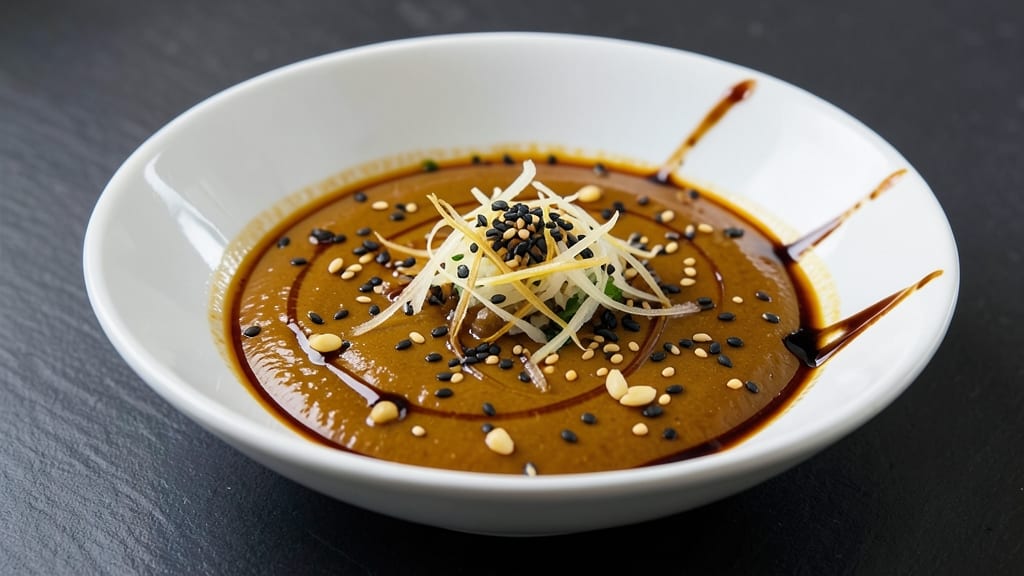
This Asian sesame sauce recipe transforms simple pantry staples into a nutty-tangy elixir that elevates stir-fries, noodles, and bowls instantly. The secret lies in balancing toasted sesame oil, rich soy sauce, and a touch of sweetness—creating a sauce that’s both bold and versatile.
I’ve refined this recipe over years of testing, ensuring it delivers that signature umami depth with every drizzle.
The magic happens when you whisk together sesame oil, soy sauce, rice vinegar, and a hint of honey—the combination delivers a perfect harmony of salty, sweet, and tangy. Optional additions like minced garlic, grated ginger, or a dash of chili can customize the flavor to suit your dish.
This sauce isn’t just for dipping; it’s a marinade, a glaze, or the star of your next meal.
What you’ll end up with is a smooth, glossy sauce that clings to every bite, adding layers of flavor without overpowering. It’s the kind of condiment that turns a simple meal into something extraordinary—think crispy tofu, fresh greens, or grilled meats all transformed by a single drizzle.
The best part? It keeps well in the fridge for up to a week, ready to enhance your cooking whenever inspiration strikes.
Whether you’re prepping for a weeknight stir-fry or planning a weekend feast, this sauce is your foolproof secret weapon. Let’s make it—your taste buds will thank you.
Ingredients for asian sesame sauce
Eight simple ingredients transform into a nutty-tangy sauce that elevates every dish instantly.
| Ingredient | Amount | Notes |
|---|---|---|
| Toasted Sesame Oil 🫒 | ½ cup | High-quality, nutty aroma |
| Light Soy Sauce 🍶 | ½ cup | Kikkoman preferred |
| Rice Vinegar 🍶 | ¼ cup | White or seasoned |
| Honey 🍯 | ¼ cup | Pure, unprocessed |
| Sesame Seeds 🥜 | ¼ cup | Toasted lightly |
| Garlic Cloves 🧄 | 3 cloves | Minced finely |
| Fresh Ginger 🌿 | 1 tbsp | Grated finely |
| Red Chili Flakes 🌶️ | 1 tsp | Adjust for heat |
| Salt 🧂 | ½ tsp | Kosher or sea |
| Water 💧 | ¼ cup | Room temperature |
Sesame oil is the heart of this sauce—look for toasted varieties at Asian markets or the international aisle. Kikkoman soy sauce is my go-to for that classic umami punch, but any good light soy will work. Fresh ginger and garlic? Buy them pre-minced if you're short on time, but fresh is always better. The sesame seeds? Toast them in a dry pan for 2 minutes until fragrant—trust me, it makes all the difference. If you can't find toasted sesame oil, lightly toast regular sesame oil before using, then let it cool.
No sesame oil? Avocado oil or neutral oil works in a pinch, but the flavor won't be the same. Short on rice vinegar? Apple cider vinegar or white wine vinegar both work, though they'll change the tang slightly. Honey too sweet? Maple syrup or agave are great swaps. Want it spicier? Add a dash of sriracha or gochujang instead of chili flakes. The water is key for thinning—adjust to your desired consistency, but start with the full amount and thin as needed. This sauce keeps well for up to 2 weeks in the fridge, so make extra!
Store in a clean glass jar with a tight seal—it'll keep for up to 2 weeks in the fridge. For longer storage, freeze in ice cube trays and transfer to a baggie. Thaw overnight in the fridge before using. This sauce is incredibly versatile—drizzle over noodles, toss with tofu, or use as a marinade. The flavor actually improves after a day or two as everything melds together. If it thickens, just whisk in a splash of water or vinegar to loosen it up.
Why You'll Love This Recipe
- Five-Ingredient Magic: This sauce is that easy—just whisk together toasted sesame oil, soy sauce, rice vinegar, honey, and sesame seeds. No peeling, no chopping, no fancy techniques. I’ve made it while microwaving leftovers, and it still comes out perfect.
- Umami Bomb: That first drizzle of toasted sesame oil? Instant flavor explosion. The balance of salty soy, tangy vinegar, and sweet honey makes it addictive—drizzle it on noodles, toss with stir-fry, or even slather it on grilled chicken. It’s the kind of sauce that turns "meh" meals into "wow."
- Pantry Staple Power: Honestly, I keep this in my fridge like ketchup. A splash elevates takeout, a spoonful turns a sad salad into a star, and it’s the secret weapon for quick lunches. No fancy ingredients, just basics you already own.
- Leftovers’ Best Friend: This sauce doesn’t spoil fast—store it for up to two weeks, and it only gets better. Use half on dinner, save the rest for breakfast eggs or a drizzle over rice. It’s my go-to when I’m too tired to cook but still crave flavor. (Yes, even on a Tuesday night.)
Step-by-step instructions for Asian sesame sauce
This nutty-tangy sauce comes together in minutes with simple ingredients and bold flavors.
Sauté Aromatics in Toasted Sesame Oil
Heat the 0.5 cup toasted sesame oil in a small saucepan over medium heat. Add the 3 cloves minced garlic and 1 tablespoon finely grated ginger, stirring constantly for 30 seconds until fragrant—you'll smell that warm, citrusy aroma that signals they're ready. Be careful not to let them brown, as garlic burns quickly and turns bitter.
Here's the thing—this step builds the sauce's aromatic foundation. The garlic should turn golden but stay soft, almost translucent. If you see any dark spots forming, immediately reduce the heat to low and keep stirring. Once the aromatics are perfumed, remove the pan from heat and let it cool for 1 minute—this prevents a sudden temperature spike when you add the other ingredients.
Combine Wet Ingredients
Return the pan to medium-low heat and add the 0.5 cup light soy sauce, 0.25 cup rice vinegar, and 0.25 cup honey. Stir gently to combine, letting the mixture simmer for 2-3 minutes until it begins to thicken slightly. You'll see the sauce transform from a thin liquid into something more cohesive, with a glossy sheen that indicates the honey is helping bind everything together.
Taste the mixture now—it should balance sweet, salty, and tangy notes. If it's too sharp, add a pinch more honey. If it's too sweet, stir in a splash of the 0.25 cup water to balance it out. The goal is harmony, not overwhelming any single flavor. Keep the heat at medium-low throughout this process to prevent the sauce from separating.
Finish with Spices and Seeds
Reduce the heat to low and stir in the 1 teaspoon red chili flakes, 0.5 teaspoon salt, and 0.25 cup sesame seeds. Let the mixture simmer for another 1-2 minutes, stirring occasionally, until the sesame seeds are lightly toasted and release their nutty aroma. You'll see tiny bubbles form around the seeds, and the sauce will take on a deeper, richer color.
This is where the sauce gets its texture and complexity. The sesame seeds add crunch and depth, while the chili flakes bring a subtle heat that lingers. If you prefer a smoother sauce, you can strain it through a fine-mesh sieve to remove the seeds—but I like the contrast of textures. Once the seeds are toasted, remove the pan from heat immediately to preserve their freshness.
Cool and Adjust Consistency
Let the sauce cool to room temperature, stirring occasionally. This step is crucial because the sauce will thicken as it cools. If it becomes too thick for your liking, thin it with 1-2 tablespoons of water at a time until you reach your desired consistency. The sauce should coat the back of a spoon smoothly but still be pourable.
Taste again and adjust seasoning if needed. You might need a touch more soy sauce for saltiness, a splash of vinegar for tang, or a drizzle of honey for sweetness. The sauce should be vibrant, with layers of flavor that dance on your tongue. Once it's perfect, transfer it to a clean jar or airtight container and store it in the refrigerator for up to 2 weeks—it only gets better with time as the flavors meld.
Pro Tips For Making Asian Sesame Sauce
- Whisk in Stages: Start with soy sauce and honey first—let them warm slightly together before adding vinegar and sesame oil. I learned this the hard way: dumping everything in at once just makes a thin, bitter mess. The oil separates if you rush it.
- Toast Seeds Fresh: Skip the pre-toasted sesame seeds from the jar—they’re dry and flavorless. Dry-toast your own in a small pan over medium-low for 2-3 minutes, stirring constantly, until they’re golden and fragrant. Yes, it’s an extra step, but it’s the thing that makes the sauce actually taste homemade.
- Balance the Honey: Don’t eyeball the honey—use a scale or measure it precisely. Too much and the sauce turns cloying; too little and the sweetness gets lost in the soy. I now use 1 tablespoon per 3 tablespoons soy sauce, and it’s foolproof.
- Save the Oil: Strain the sauce through a fine-mesh sieve into a clean jar, then press the leftover seeds with a spoon to extract every last drop of oil. That sludge at the bottom? It’s pure flavor—don’t waste it. Store the strained sauce in the fridge for up to 2 weeks.
Troubleshooting your asian sesame sauce
Sauce Too Thin?
If your sauce ends up too thin after cooling, don’t panic—simmer it uncovered over low heat for 5-7 minutes to reduce the liquid. Stir occasionally to prevent scorching. For a quicker fix, whisk in 1 tablespoon of cornstarch mixed with 1 tablespoon water until thickened.
I’ve found this trick works best when the sauce is still warm, as the starch activates more effectively. 🔥
Sauce Too Thick?
Thick sauce? Thin it gradually with warm water or rice vinegar—start with 1 tablespoon at a time, whisking well between additions. Avoid cold liquids, which can cause the sauce to separate.
If it’s still too thick after thinning, try reheating it gently while stirring to help it emulsify back together. For a smoother texture, strain out any sesame seeds before thinning. 💧
Grainy or Separated?
If your sauce looks grainy or separates, it’s likely due to overheating or improper emulsification. Whisk vigorously while adding 1-2 tablespoons of warm water to help re-emulsify. For stubborn separation, blend it briefly with an immersion blender—this breaks up any oil or seed clumps.
If the sesame oil separates, stir in ½ teaspoon of xanthan gum to stabilize it. 💡
Lacks Depth of Flavor?
Need more umami or complexity? Boost the flavor by adding 1 teaspoon of fish sauce or ½ teaspoon of msg while reheating. For a deeper nutty taste, toast 1 extra tablespoon of sesame seeds in a dry pan until golden and stir them in.
If it’s too bland, a splash of dark soy sauce (instead of light) adds richness. Taste as you go—small adjustments make a big difference. 🌟
Sesame Oil Overpowering?
If the sesame flavor dominates, balance it by adding 1 extra tablespoon of rice vinegar or ½ teaspoon of salt to cut through the richness. For a milder taste, strain out some of the sesame seeds before serving.
If the oil smell is too strong, let the sauce sit uncovered in the fridge for 30 minutes to allow some of the aromatic compounds to dissipate. 🥜
Preventing Future Issues
To avoid common problems, always stir constantly while heating to prevent scorching. Use high-quality toasted sesame oil—cheaper oils can separate more easily. For a foolproof emulsion, whisk the wet ingredients together first before adding them to the oil.
Store in a glass jar (not plastic) to maintain freshness and prevent flavor transfer. Keep it refrigerated, and give it a good stir before using—flavors meld beautifully overnight! ✨
Nutrition facts
Frequently asked questions
Can I make this sesame sauce without sesame oil?
You can substitute with avocado oil or neutral oil (like vegetable or canola), but the flavor won’t be as rich or nutty. For a closer match, toast 1 tablespoon of sesame seeds in a dry pan until golden, then grind them into a paste with 1 tablespoon of water before adding to the sauce. This adds depth without the full sesame oil aroma.
How long does homemade sesame sauce last?
Store it in an airtight glass container in the fridge for up to 2 weeks. For longer storage, freeze in ice cube trays (thaw overnight in the fridge). The flavor actually improves as it sits—let it rest for 30 minutes before using for the best taste.
What’s the best way to use this sauce?
This versatile sauce works as a drizzle for noodles, marinade for tofu or chicken, or dip for dumplings. For extra shine, reheat gently before using. Try it on cold soba noodles, grilled fish, or as a glaze for baked wings—the possibilities are endless!
Why did my sauce separate?
Separation usually happens from overheating or adding cold liquids too quickly. Fix it by whisking in 1 tablespoon of warm water while stirring vigorously. For stubborn separation, blend briefly with an immersion blender. To prevent it, always stir constantly over low heat and avoid sudden temperature changes.
Can I make this sauce spicier?
Add ½ teaspoon of sriracha or gochujang for heat, or swap chili flakes for 1 teaspoon of finely chopped fresh chili. For a smoky kick, toast ½ teaspoon of smoked paprika with the sesame seeds. Adjust to taste—start with less if you’re sensitive to spice!