
Sauces & Condiments
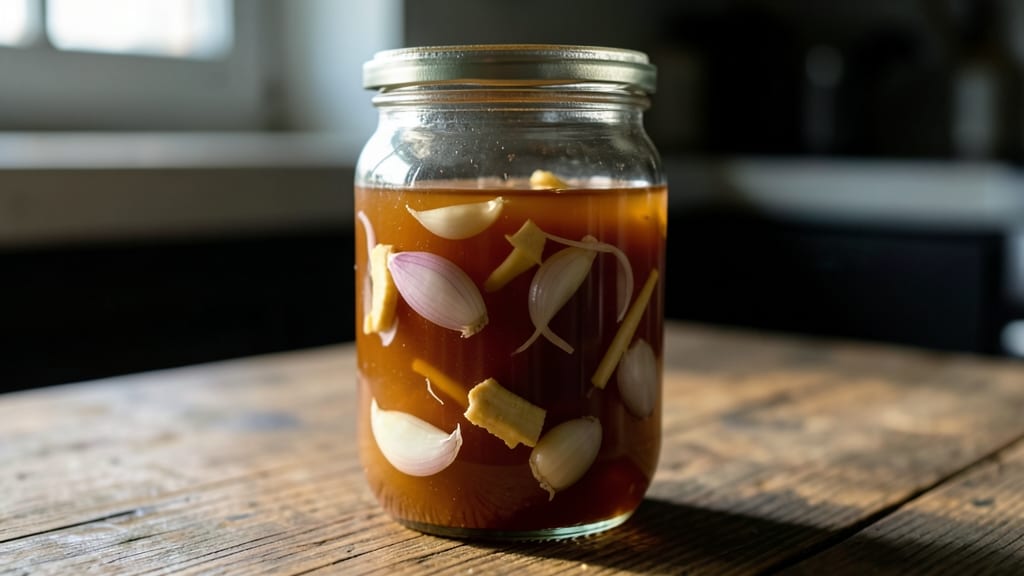
This authentic Vietnamese fish sauce delivers the complex, salty-sweet umami that defines Southeast Asian cuisine. 🌟 The traditional fermentation process transforms simple ingredients—anchovies, salt, and water—into a liquid gold that enhances everything from noodle soups to marinades.
What sets this version apart is the precise balance of salt and time, ensuring a clean, fermented flavor without overpowering bitterness.
At its core, this recipe follows the same methods used for generations in Vietnamese households, where fermentation occurs in clay pots or glass jars. The key is patience: allowing 3-6 months for the flavors to develop while preventing mold through proper salt concentration.
Unlike commercial versions, this homemade sauce delivers depth and authenticity that store-bought simply can't match.
By the time fermentation completes, you'll have a rich, amber-colored sauce with layers of savory, briny, and slightly sweet notes. The texture remains smooth and liquid, perfect for drizzling or reducing into glazes.
Each batch improves with age, rewarding your wait with a sauce that becomes the backbone of your kitchen.
Store it in a cool, dark place for up to a year, and you'll always have the essence of Vietnam at your fingertips. Here's how to make it the traditional way.
Ingredients for authentic vietnamese fish sauce
Four pounds of anchovies meet salt and water for a fermented umami masterpiece.
| Ingredient | Amount | Notes |
|---|---|---|
| High-Quality Anchovies 🐟 | 2 lbs | Fresh or frozen, heads-on preferred |
| Diamond Crystal Kosher Salt 🧂 | 1 ½ cups | Fine grain for even dissolution |
| Distilled Water 💧 | 4 cups | Filtered or distilled preferred |
| White Vinegar 🍶 | ½ cup | Acts as natural preservative |
| Brown Sugar 🍯 | ¼ cup | Lightly packed for sweetness |
| Garlic Cloves 🧄 | 6 cloves | Crushed for aromatic depth |
| Shallots 🧅 | 2 whole | Sliced thin for subtle sweetness |
| Fresh Ginger 🌿 | 1 inch | Thinly sliced for zesty brightness |
The anchovies make or break this—look for small, fresh ones at Asian markets or well-stocked seafood counters. Trader Joe's and Whole Foods carry good frozen options, but if you can find live ones, even better. The salt needs to be Diamond Crystal kosher (it dissolves perfectly), and the water should be distilled to avoid impurities. I always double-check the anchovies for any fishy smell before using—if they smell off, toss them. For the sugar and aromatics, organic shallots and ginger add subtle complexity that store-bought versions miss.
No fresh anchovies? High-quality canned anchovies in oil work in a pinch, but drain them well. Short on vinegar? Lemon juice at half the amount gets you close. The garlic and shallots can be swapped for 1 small yellow onion if needed, but fresh is ideal. If you're making a big batch, use a food processor to crush the anchovies—it speeds up fermentation. The brown sugar can be omitted if you prefer a saltier profile, but it helps balance the umami. Store your aromatics in airtight containers in the fridge until ready to use.
This isn't a quick process—ferment for 3-6 months in a clean glass jar with a tight lid. Keep it in a cool, dark place (like a pantry) and stir weekly. Once fermented, strain through cheesecloth into a sterilized jar. The sauce keeps for up to a year unopened, and even longer once opened if you keep it submerged in brine. I always make a double batch—one for immediate use, one to age. The longer it sits, the deeper the flavor becomes.
Why You'll Love This Recipe
- Five-Ingredient Magic: I swear by this recipe—just anchovies, salt, water, vinegar, and sugar. That’s it. No fancy tools, no waiting for hours; it’s the kind of simplicity that makes me feel like I’ve cracked a secret.
- Umami Bomb: The moment the anchovies steep into that salty-sweet brine? Pure flavor explosion. That deep, savory punch you find in Vietnamese dishes—now bottled in your pantry, ready to transform anything from stir-fries to marinades.
- Pantry Game-Changer: I keep a jar of this in my fridge for everything: quick noodle bowls, dipping sauces, even in my homemade salad dressings. It’s my secret weapon for adding that authentic Vietnamese soul to meals without extra effort.
- Budget-Friendly Luxury: High-quality anchovies might sound pricey, but a little goes a long way. This recipe stretches into months of use, and the cost per serving? A fraction of store-bought fish sauce. Plus, the sugar and vinegar are staples I already had. Smart spending, big flavor.
Step-by-step instructions for authentic Vietnamese fish sauce
Transform simple ingredients into complex umami magic through precise fermentation techniques.
🍳 Step 1: Prepare the Anchovy Base
Rinse the 2 lbs high-quality anchovies under cold water to remove any surface salt or impurities. I use a colander for this—hold it under running water for about 30 seconds while gently pressing the anchovies with your fingers. This ensures they're clean but not broken apart.
Transfer the rinsed anchovies to a large mixing bowl. Using your hands or a potato masher, crush them into a coarse paste—think of it like making guacamole but with anchovies. You want to break them down enough to release their oils and flesh, but leave some texture. This creates the perfect foundation for flavor extraction during fermentation.
👨🍳 Step 2: Combine the Brine Components
In a separate bowl, whisk together the 4 cups distilled water, 1.5 cups Diamond Crystal kosher salt, 0.5 cup white vinegar, and 0.25 cup brown sugar until the salt and sugar are completely dissolved. I like to use a whisk for this step because it creates a smooth, even brine without any graininess. The vinegar acts as a natural preservative while the brown sugar adds subtle sweetness that balances the saltiness.
Here's the thing—don't worry if the mixture looks cloudy at first. The salt needs time to fully dissolve, especially with cold water. Give it about 2 minutes of whisking to ensure complete integration. The resulting brine should be clear with a golden hue from the brown sugar.
🥘 Step 3: Layer and Ferment the Mixture
Combine the crushed anchovies with the prepared brine in a large, non-reactive container—glass or food-grade plastic works best. I prefer a wide-mouth mason jar for this because it allows for easy mixing later. Add the 6 crushed garlic cloves, 2 thinly sliced shallots, and 1 inch of thinly sliced fresh ginger to the mixture.
Use a wooden spoon to gently stir everything together, ensuring the anchovies are fully submerged in the brine. The key here is to create an even distribution of flavors. Press down gently on the anchovies to help them sink. Cover the container with a clean cloth or lid and let it ferment at room temperature for 3-5 days, stirring once daily.
⏰ Step 4: Strain and Age for Depth of Flavor
After the initial fermentation period, strain the mixture through a fine-mesh sieve or cheesecloth into a clean container. I use a wooden spoon to press all the liquid out of the solids—this extracts maximum flavor. The strained liquid is your raw fish sauce, but it needs more time to develop its signature complexity.
Transfer the strained sauce to a glass jar or bottle and store it in a cool, dark place for an additional 2-4 weeks. This aging period allows the flavors to meld and deepen. I like to check it weekly—you'll notice the color darken slightly and the aroma become more intense. The sauce should smell rich, salty, and slightly funky—this is exactly what you want for authentic Vietnamese fish sauce.
🔥 Step 5: Test and Adjust for Balance
After aging, taste your fish sauce. It should be intensely salty with deep umami notes, but also have a subtle sweetness from the brown sugar and a hint of garlic-ginger brightness. If it's too salty, add a splash of water to dilute. If it needs more depth, let it age another week or two. The perfect balance is when you can taste all the components working together harmoniously.
Once balanced, your authentic Vietnamese fish sauce is ready to use! Store it in the refrigerator for up to 6 months, or extend its shelf life by adding a splash of vinegar before sealing. This sauce is the secret weapon in many Vietnamese dishes—use it sparingly to enhance flavors rather than overwhelm them.
Pro Tips For Making Authentic Vietnamese Fish Sauce
- Rinse Anchovies First: Dump those anchovies straight from the can and you’ll end up with cloudy, gritty sauce. Give them a quick rinse under cold water—just 10 seconds—to wash off excess salt and preservatives. Trust me, your final product will be clearer and smoother.
- Salt in Stages: Don’t dump all the kosher salt at once. Start with half, stir until fully dissolved, then add the rest. This prevents clumping and ensures even distribution—no one wants grainy bits lurking in their sauce.
- Simmer Slow and Steady: After the initial boil, drop the heat to a gentle simmer. Too much heat and you’ll cook off the vinegar’s acidity or even scorch the sugar. Think "barely bubbling," not "rolling boil"—this keeps the flavors balanced.
- Strain Twice: One strainer pass won’t cut it. Use a fine-mesh sieve first to catch big debris, then fold a coffee filter into a second sieve for that silky texture. Skip this, and you’ll taste fish bits in every bite—no matter how much you stir.
Storing and reheating this authentic vietnamese fish sauce
Fermenting Safely
Your fish sauce needs a cool, dark pantry with consistent temperatures between 65-75°F to prevent spoilage. I store mine in a quart-sized mason jar with a tight lid, but avoid metal containers—they can react with the acidity.
The key is stirring daily during the first 5 days to distribute flavors and prevent mold. If you see any white or black spots, toss it immediately—this means fermentation went wrong. 🌡️
Refrigerator Storage
Once fully fermented and strained, transfer your sauce to a sterilized glass bottle with an airtight lid. The fridge extends shelf life to 6-12 months, but the flavor actually improves with age.
I like to use amber glass bottles to block light, which preserves color and prevents oxidation. Label with the date—after 6 months, the sauce may become more concentrated and salty.
Freezing for Long-Term
For batches you won't use within a year, freeze in ice cube trays or small jars. Portion into 1-tablespoon servings (standard for recipes) to avoid thawing the whole bottle. When ready to use, thaw in the fridge overnight—the texture remains smooth, though it may separate slightly.
Stir before using to redistribute flavors. Freezer life is up to 18 months, but quality declines after 12. ❄️
Reviving Stale Sauce
If your fish sauce develops a dull aroma or tastes flat, revive it by adding 1 teaspoon of white vinegar per cup and letting it sit for 24 hours. The acidity cuts through any oxidation.
For cloudiness, strain through a fine-mesh sieve again. I’ve also had success adding a pinch of sugar to restore balance—just enough to brighten the flavors without overpowering.
Preservative Boost
Extend shelf life by adding 1 tablespoon of vinegar per pint before sealing. This lowers pH, preventing bacterial growth. I also recommend using distilled water instead of tap to avoid impurities that can spoil fermentation.
For extra insurance, store opened bottles in the freezer—this keeps them fresh for up to 2 years while maintaining quality. The vinegar addition is subtle and won’t alter the final taste significantly. 💡
Nutrition facts
Frequently asked questions
Can I use canned anchovies instead of fresh?
Yes, but with adjustments! Use 1 can (4 oz) of high-quality canned anchovies in oil for every ½ lb of fresh anchovies called for. Drain them thoroughly and rinse to remove excess salt. The oil from canned anchovies adds richness, so you might want to reduce the vinegar slightly (¼ cup instead of ½ cup) to balance the flavors.
How do I know when my fish sauce is ready?
Look for these signs: The liquid should turn amber-colored with a rich, funky aroma (like fermented soy sauce). When you taste it, the saltiness should be balanced with deep umami and subtle sweetness. If it smells sharp or tastes too harsh, let it ferment another 1-2 weeks. Never rush it—authentic fish sauce needs time to develop.
What if mold appears during fermentation?
Discard it immediately! Mold means contamination, and eating it can cause illness. To prevent mold, ensure your container is completely submerged in brine (no exposed surfaces) and stir daily during the first 5 days. Use distilled water and keep the temperature between 65-75°F for safe fermentation.
Can I make a smaller batch?
Scale down the recipe by half using 1 lb anchovies, ¾ cup salt, 2 cups water, and ¼ cup vinegar. Keep all other ingredients proportional. A smaller batch ferments faster (try 2-3 months instead of 3-6) but still needs the same care. Store in a small glass jar for easy handling.
Why does my fish sauce smell so strong?
That's normal! The funky aroma comes from fermentation breaking down proteins into umami compounds. If it smells rotten or putrid (like spoiled meat), discard it. A properly fermented sauce should smell salty, slightly sweet, and complex—like a mix of soy sauce, garlic, and ocean breeze. The stronger the smell, the deeper the flavor!