
Sauces & Condiments
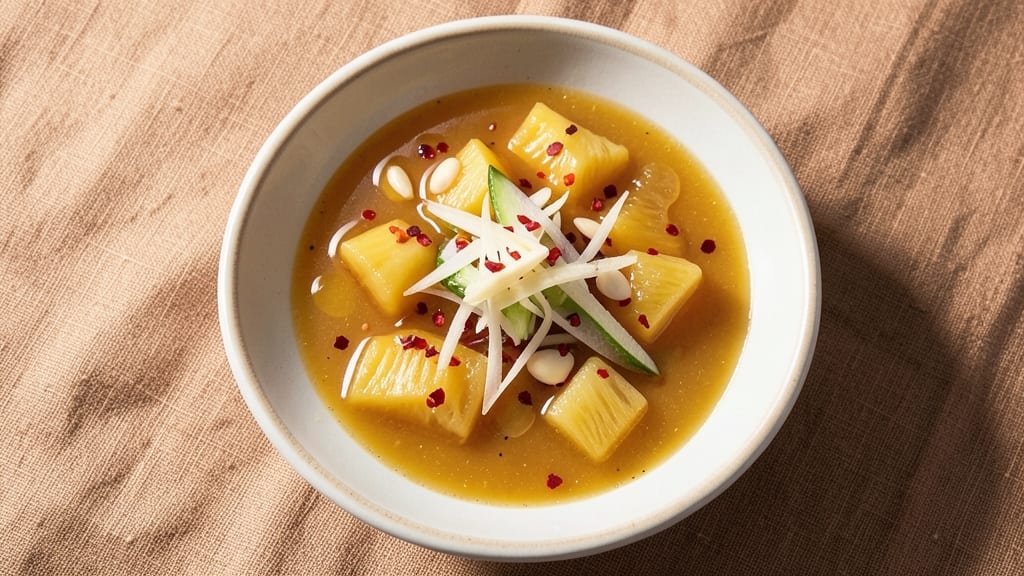
This Asian pineapple sauce recipe transforms grilled meats into a tropical feast with its perfect balance of sweet, tangy, and spicy flavors. The secret lies in simmering fresh pineapple with aromatic ginger, garlic, and a touch of chili—creating a glossy, versatile sauce that elevates everything from satay to pork skewers.
I developed this recipe after craving a sauce that could stand up to bold flavors while keeping prep simple and efficient.
The magic happens when you reduce the sauce just enough to concentrate the flavors without losing that bright, fruity essence. A splash of rice vinegar adds tang, while a pinch of red pepper flakes delivers subtle heat.
This sauce isn’t just for savory dishes—it also shines as a glaze for roasted vegetables or a drizzle over coconut rice. The best part? It keeps well in the fridge for up to a week, so you can make a big batch and enjoy it all week long.
What makes this sauce truly special is its ability to adapt to any dish while bringing a burst of tropical brightness.
Whether you're serving it alongside grilled chicken, drizzling it over noodles, or using it as a dessert dip for fresh fruit, the sweet-spicy profile will leave everyone asking for seconds. The texture is smooth yet clingy, ensuring every bite is packed with flavor.
Ready to elevate your meals with this game-changing sauce?
Once you taste the results, you’ll want to keep this recipe on hand for every summer gathering or weeknight dinner. The process is straightforward—simmer, blend, and adjust—but the impact is undeniable. Let’s get started on creating a sauce that’s as versatile as it is delicious.
Ingredients for asian pineapple sauce
Bright tropical flavors start with these simple, fresh ingredients for a versatile sauce.
| Ingredient | Amount | Notes |
|---|---|---|
| Fresh Pineapple 🍍 | 1 cup | Diced, fresh preferred |
| Fresh Ginger 🌿 | 1 tbsp | Grated, aromatic variety |
| Garlic Cloves 🧄 | 3 cloves | Minced, fresh preferred |
| Red Chili Flakes 🌶️ | 1 tsp | Adjust for heat preference |
| Rice Vinegar 💧 | 1 tbsp | Seasoned preferred |
| Soy Sauce 🥢 | 1 tbsp | Light or regular |
| Honey 🍯 | 1 tbsp | Wildflower preferred |
| Sesame Oil 🫒 | 1 tsp | Toasted, for aroma |
| Salt 🧂 | ½ tsp | Kosher or sea salt |
| Water 💧 | ½ cup | For thinning if needed |
Pineapple is the star here, so grab the freshest you can find—Trader Joe's or Costco usually have great options. Look for pineapple that's vibrant yellow with no soft spots. The ginger and garlic should be fresh too; Penzeys bulk bins are perfect for this if you want to splurge. Red chili flakes can be adjusted to taste—start with less if you're sensitive to heat. I always buy extra ginger because it freezes so well, and it's the secret to that deep, aromatic flavor in this sauce.
No fresh pineapple? Canned crushed pineapple, drained works in a pinch, but it won't have the same bright flavor. Short on ginger? Ground ginger at half the amount is fine, but fresh is always better. The soy sauce can be tamari for gluten-free, and if you're avoiding honey, maple syrup works beautifully. Sesame oil adds that nutty aroma, but if you're out, neutral oil plus a pinch of toasted sesame seeds will do. The rice vinegar is key for that tangy balance—don't skip it.
This sauce keeps for up to a week in the fridge, so make a big batch. Store it in a glass jar with a tight lid to preserve those bright flavors. If it thickens too much, just add a splash of water or pineapple juice to loosen it up. I love using it as a dip for grilled meats, but it's also amazing drizzled over noodles or even as a glaze for roasted veggies. Freezes well too—just thaw in the fridge before using.
Why You'll Love This Recipe
- No Chopping Needed: I swear, the only prep is peeling the pineapple and mincing ginger—no dice, no julienne, no stress. That bright, tangy balance hits the spot without a single knife fight.
- Sweet Heat Magic: Between the pineapple’s natural sweetness and the chili flakes’ slow burn, this sauce is ridiculously addictive. Honestly, I’ve caught myself sneaking extra spoonfuls straight from the jar.
- Dresses Everything: Slather it on grilled chicken, toss it with noodles, or drizzle it over rice bowls—it works just as well as a dip or a marinade. My lazy weeknights thank me.
- Fridge Hero: Makes twice as much as you’ll need, and it actually tastes better after a day in the fridge. Plus, the ginger and vinegar keep it fresh for ages—no sad, watery leftovers here.
Step-by-step instructions for Asian pineapple sauce
This tropical sauce comes together in minutes—bright, balanced, and perfect for grilled meats.
Prepare the Base Ingredients
In a small bowl, combine the 1 cup diced fresh pineapple with the 1 tablespoon grated fresh ginger and 3 minced garlic cloves. Let this mixture sit for 5 minutes at room temperature—this allows the ginger and garlic to soften slightly and release their aromas. You'll notice the pineapple juices beginning to pool, which is exactly what we want for a flavorful foundation.
While the mixture rests, take a moment to adjust the heat level if needed. If you prefer less spice, reduce the 1 teaspoon red chili flakes to ½ teaspoon. For extra heat, add an additional ½ teaspoon. The chili flakes will infuse the sauce with warmth, balancing the sweetness of the pineapple beautifully.
Cook the Aromatics
Transfer the pineapple-ginger-garlic mixture to a small saucepan and place it over medium heat. Cook for 3-4 minutes, stirring occasionally, until the mixture begins to soften and the pineapple releases its juices. You'll see the edges of the pineapple pieces start to caramelize slightly—that's your signal to move to the next step.
Once the mixture is heated through and fragrant, add the 1 tablespoon rice vinegar and 1 tablespoon soy sauce. Stir well and let it simmer for 1-2 minutes until the vinegar's sharpness mellows and the soy sauce deepens in flavor. This step is crucial for building the sauce's umami backbone, which complements the tropical sweetness of the pineapple.
Sweeten and Finish
Reduce the heat to low and stir in the 1 tablespoon honey and 1 teaspoon sesame oil. The honey will begin to dissolve almost immediately, creating a glossy sheen. Taste the sauce at this point—it should have a harmonious balance of sweet, tangy, and slightly spicy flavors. If the sauce is too thick, add 1-2 tablespoons of the ½ cup water to reach your desired consistency.
Finally, season with the ½ teaspoon salt and give it one last taste. The salt enhances all the flavors, tying everything together. If you're using this sauce immediately, you can serve it warm or at room temperature. For best results, let it cool slightly before drizzling over grilled meats or using as a dip.
Adjust and Serve
Let the sauce sit for 5 minutes before serving—this allows the flavors to meld even further. If you find the sauce is too thick after cooling, thin it with a splash more of the reserved water. The ideal consistency should coat the back of a spoon lightly but still cling to your food.
This sauce pairs wonderfully with grilled chicken, pork skewers, or even as a dipping sauce for spring rolls. The bright, tropical notes cut through rich meats beautifully, creating a perfect balance. Store any leftovers in an airtight container in the refrigerator for up to 5 days, though it's likely to disappear much faster!
Pro Tips For Making Asian Pineapple Sauce
- CHAR THE GINGER FIRST: Toss fresh ginger slices into a dry pan over medium-high heat for 30 seconds before adding oil—it releases more aroma and caramelizes just enough to deepen the sauce’s warmth. I used to add it raw, and the flavor always felt muted until I tried this.
- PEEL GARLIC IN HALVES: Split garlic cloves lengthwise (no peeling) to avoid bitter alicin buildup, then lightly toast them in the same pan as the ginger. The skins slip off easily afterward, and the garlic won’t overpower the pineapple’s sweetness.
- DILUTE VINEGAR LAST: Mix rice vinegar with a splash of water (1:1 ratio) after removing the pan from heat—this prevents the sauce from curdling or losing its bright acidity. I learned this the hard way when my sauce turned cloudy mid-stir.
- USE COLD PINEAPPLE CORE: Freeze the pineapple core for 15 minutes before grating it—it yields finer, more uniform texture and reduces mess. No blender? Grate it while frozen, then thaw in the sauce for natural sweetness without chunkiness.
Common mistakes when making your asian pineapple sauce
Overcooking the Pineapple
Pineapple breaks down quickly when heated, so avoid simmering it too long—once it softens and releases juices after 3-4 minutes, it’s ready. Overcooking turns it mushy and dulls the bright tropical flavor.
I’ve ruined this sauce before by letting it cook too long, and trust me, you’ll taste the difference. Keep an eye on it and remove it from heat as soon as it’s fragrant and just starting to caramelize slightly. 🍍
Skipping the Resting Time
Letting the pineapple-ginger-garlic mixture sit for 5 minutes before cooking is crucial—it allows the ginger and garlic to soften and release their aromas. Skipping this step means your sauce will taste raw and underdeveloped.
I’ve made this mistake, and the flavor just isn’t as vibrant. Don’t rush it; patience here makes all the difference.
Ignoring the Vinegar
The 1 tablespoon rice vinegar is what balances the sweetness and adds that essential tang. If you skip it or use too little, the sauce will taste flat and one-dimensional. I once forgot to add it entirely, and the result was disappointingly bland.
Seasoned rice vinegar adds a subtle depth, so don’t substitute with white vinegar—it’s too harsh and can overpower the other flavors.
Using Bottled Pineapple Juice
Fresh pineapple is non-negotiable for this sauce—bottled pineapple juice lacks the bright, complex flavor you need. The natural sugars and acids in fresh pineapple create a depth that canned juice simply can’t match.
I’ve tried using juice as a shortcut, and while it works in a pinch, the sauce just doesn’t have the same zing. If you’re short on time, use canned crushed pineapple, drained, but it won’t be as vibrant.
Over-salting Early
Salt is the glue that ties all the flavors together, but adding it too early can make the sauce taste flat. Wait until the very end to season with the ½ teaspoon salt.
I’ve made the mistake of salting too soon, and the sauce ended up tasting dull. Taste as you go—you can always add more salt later, but you can’t take it out. 🧂
Not Adjusting Heat Levels
The 1 teaspoon red chili flakes should be adjusted to your taste—some people love heat, while others prefer it mild. Start with the full amount if you enjoy spice, but don’t be afraid to reduce it to ½ teaspoon if you’re sensitive.
I’ve seen people skip this step entirely, and the sauce loses that little kick that makes it special. Taste as you go and adjust before the sauce thickens.
Nutrition facts
Frequently asked questions
Can I make this sauce without fresh pineapple?
You can use canned crushed pineapple, drained as a substitute, but the flavor won't be as bright. For best results, stick with fresh pineapple—its natural enzymes and sugars create that signature tropical depth. If you must substitute, reduce the honey slightly since canned pineapple is already sweetened.
How spicy should this sauce be?
The 1 teaspoon red chili flakes provides a subtle kick, but you can adjust to taste. For mild heat, reduce to ½ teaspoon. If you love spice, add an extra ½ teaspoon or swap in 1 teaspoon sriracha for a smoother heat. Always taste before serving!
Can I use this sauce for desserts?
This sauce works beautifully as a glaze for grilled pineapple slices or as a dip for coconut milk ice cream. For desserts, reduce the chili flakes to ¼ teaspoon (or omit entirely) and add a pinch of cinnamon for warmth. The sweet-tangy balance makes it perfect for tropical treats.
How do I store leftovers?
Transfer the sauce to an airtight container and refrigerate for up to 5 days. If it thickens, stir in 1-2 tablespoons water or pineapple juice to restore consistency. For longer storage, freeze for up to 3 months—thaw overnight in the fridge before using.
What if my sauce tastes too sweet?
Add ½ teaspoon more rice vinegar to balance the sweetness, or a pinch of salt to enhance other flavors. If it's still too sweet, stir in ½ teaspoon grated lime zest for acidity. The key is adjusting gradually—taste as you go!