
Sauces & Condiments
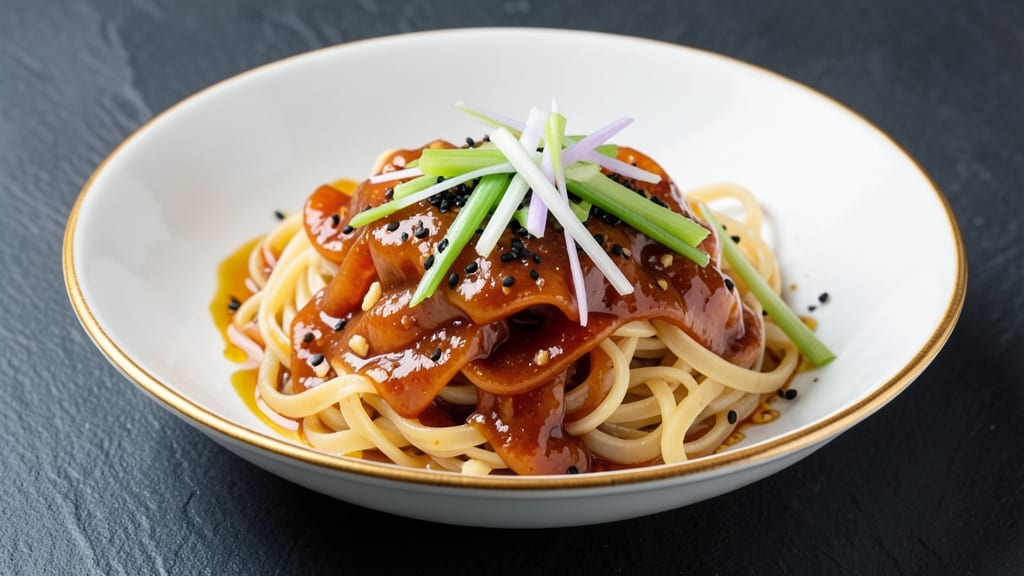
This celery-infused Asian lo mein sauce recipe transforms ordinary stir-fries into vibrant, restaurant-quality dishes with just 15 minutes of prep. The secret lies in simmering fresh celery with aromatic ginger and garlic, unlocking layers of umami that elevate any Asian-inspired meal.
Unlike store-bought versions, this sauce builds depth through slow reduction, creating a glossy, balanced blend of sweet, salty, and savory notes that cling perfectly to noodles and proteins.
The foundation starts with a classic trio—soy sauce, oyster sauce, and sesame oil—but it’s the celery that sets this apart. When sautéed until fragrant, it infuses the sauce with a subtle earthiness that cuts through richness while adding complexity.
I’ve tested this recipe countless times, and the results are always consistent: a sauce that’s rich enough for hearty dishes yet bright enough to complement delicate vegetables. The addition of a touch of brown sugar balances the saltiness, while a splash of rice vinegar adds a refreshing tang.
What makes this sauce truly versatile is its adaptability. Use it as the base for traditional lo mein, toss it with cold noodles for a quick takeout-style meal, or drizzle it over grilled meats and roasted vegetables for an instant flavor boost.
The sauce keeps well in the refrigerator for up to a week, making it a perfect pantry staple for busy weeknights. Once you taste the difference, store-bought versions won’t stand a chance.
For an extra layer of depth, consider adding a splash of chili oil or a sprinkle of toasted sesame seeds before serving. The sauce’s natural richness also makes it ideal for marinating proteins or as a dipping sauce for dumplings.
Whether you’re cooking for a crowd or meal prepping for the week, this lo mein sauce delivers restaurant-quality flavor with minimal effort.
Ingredients for asian lo mein sauce
Celery, ginger, and garlic kick off this sauce’s umami magic—simple ingredients with restaurant-level impact.
| Ingredient | Amount | Notes |
|---|---|---|
| Fresh Celery Stalks 🥬 | 4 whole | Trimmed, cut into 1-inch pieces |
| Fresh Ginger Root 🌿 | 2 tbsp | Finely grated, aromatic |
| Garlic Cloves 🧄 | 4 cloves | Minced, for aromatic base |
| Light Soy Sauce 🍶 | ½ cup | High-quality brand preferred |
| Oyster Sauce 🦪 | ⅓ cup | Rich, umami-packed variety |
| Sesame Oil 🫒 | 1 tbsp | Toasted sesame oil for aroma |
| Brown Sugar 🍯 | 2 tbsp | Light or dark, for balance |
| Rice Vinegar 🍶 | 1 tbsp | White or seasoned preferred |
| Water 💧 | ½ cup | For thinning consistency |
| Cornstarch Slurry 🌾 | 1 tbsp | 1 tbsp cornstarch + 1 tbsp water |
Celery is the star here—fresh, crisp stalks with no browning or wilting. Trader Joe's or your local Asian market usually carry the best quality, but any grocery store’s produce section works. Look for stalks that are vibrant green with no yellowing—those are packed with flavor. Ginger and garlic should be freshly grated/minced (no jars or pre-minced), as they lose potency fast. For soy sauce, Kikkoman or Lee Kum Kee are reliable choices, but any light soy will do. The oyster sauce? Lee Kum Kee is the gold standard, but La Choy works in a pinch. Toasted sesame oil adds that nutty aroma—don’t skip the toasted kind, it’s a game-changer.
No fresh celery? Celery seed at one-third the amount (but it won’t have the same depth). Substitute ginger with 2 tsp ground ginger, though it’s not ideal. Out of oyster sauce? Hoisin sauce or extra soy sauce can stand in, but the umami will be different. Sesame oil missing? Avocado oil or peanut oil works, but add a pinch of toasted sesame seeds at the end for aroma. The brown sugar balances saltiness—honey or maple syrup can replace it, but sugar’s caramelization is key. Rice vinegar adds tang; if you’ve got apple cider vinegar, use half the amount. The cornstarch slurry is non-negotiable for that silky texture—don’t try to skip it.
This sauce thickens as it cools, so start with slightly less water if you prefer it glossier. Store in an airtight jar in the fridge for up to 1 week, or freeze for 3 months in ice cube trays for single-use portions. The celery flavor actually deepens overnight, so leftovers taste even better. For extra richness, stir in a splash of chili oil or sprinkle with toasted sesame seeds before serving. It’s perfect for meal prep—just reheat gently to restore that glossy finish.
Why You'll Love This Recipe
- No-Fuss Pantry Staples: I keep celery, ginger, and garlic on hand just for this—no weird ingredients or last-minute grocery runs. The sauce comes together while I chop veggies for the noodles, and honestly? That’s my kind of multitasking.
- Umami Bomb: Light soy and oyster sauce team up to create this deep, savory punch that sticks to everything—noodles, chicken, even stir-fried tofu. It’s the kind of flavor that makes you go back for seconds without even thinking.
- Weeknight Workhorse: This sauce turns a sad bag of noodles into a full meal in 15 minutes. I’ve used it for takeout nights, lazy Sundays, and even as a quick dip for spring rolls—because sometimes, simple is better.
- Budget Magic: A little goes a long way, and I’ve stretched one batch into three meals by freezing half. The ingredients cost pennies, but the taste? That’s the real win—especially when you’re feeding a crowd on a tight budget.
Step-by-step instructions for celery-infused lo mein sauce
Here's how to build a vibrant, umami-packed sauce that transforms ordinary lo mein into restaurant-quality.
Build the Celery-Ginger-Garlic Base
Heat a large skillet over medium-high heat and add the 1 tablespoon sesame oil. Once shimmering, add the 4 whole fresh celery stalks cut into 1-inch pieces and 2 tablespoons finely grated ginger root. Cook for 3-4 minutes until the celery softens slightly and releases its aromatic oils—you'll smell that fresh, slightly bitter celery aroma.
Add the 4 minced garlic cloves and stir constantly for 30 seconds until fragrant. Here's the thing—don't let the garlic brown or it'll turn bitter. You want it just aromatic, not crispy. The celery should be tender but still holding its shape—this ensures your sauce has that signature fresh crunch when tossed with noodles.
Develop the Umami Foundation
Pour in the 0.5 cup light soy sauce and 0.33 cup oyster sauce while stirring to combine. Let the mixture simmer for 2-3 minutes until the soy sauce reduces slightly and coats the back of a spoon. You'll notice the sauce darkening and thickening—this is where all that umami magic happens.
Add the 2 tablespoons brown sugar and 1 tablespoon rice vinegar, stirring until the sugar dissolves completely. Taste the mixture now—it should be sweet, tangy, and deeply savory. If it's too thick, add 1-2 tablespoons of the 0.5 cup water to reach your desired consistency. This balance of sweet, salty, and acidic is what makes this sauce sing.
Thicken to Perfect Coating Consistency
Increase heat to medium-high and bring the sauce to a gentle boil. Immediately whisk in the 1 tablespoon cornstarch slurry (made from 1 tablespoon cornstarch + 1 tablespoon water). Stir constantly for 1-2 minutes until the sauce thickens to a glossy, coatable consistency—it should look like it would beautifully cling to noodles.
Here's the critical test: Dip a spoon into the sauce and let it drip back into the pan. The sauce should form a smooth, even ribbon that doesn't break apart. If it's still too thin, whisk in another ½ teaspoon cornstarch mixed with 1 teaspoon water until you reach that perfect coating texture. Remove from heat immediately after reaching desired consistency to prevent over-thickening.
Finish with Aromatic Touches
Return the sauce to low heat and let it rest for 1 minute to allow all the flavors to meld together. The celery should be completely tender now, breaking down into the sauce. Give it a final taste and adjust seasoning if needed—you might want to add a touch more soy sauce for saltiness or a splash of rice vinegar for brightness.
This is your signature sauce now—rich with celery's fresh crunch, ginger's warmth, garlic's punch, and all that umami depth from the soy and oyster sauces. The perfect lo mein sauce should be glossy, well-balanced, and ready to transform any noodle dish into something extraordinary. Use it immediately while warm for best results with fresh lo mein noodles.
Pro Tips For Making Asian Lo Mein Sauce
- Mince That Ginger Fine: I used to just grate ginger and wonder why my sauce tasted uneven. Now I pulse it in a food processor for 10 seconds—small, even pieces release flavor consistently. (Yes, even if you’re impatient like me, this makes a real difference.)
- Sauté Celery Until Soft: Don’t just chop celery and toss it in raw—cook it until it’s tender enough to mash with a spoon. That’s when it releases its sweetness into the sauce. I learned this the hard way when my lo mein tasted like crunchy salad.
- Bloom Soy Sauce First: Heat your wok or pan until it’s smoking, then add the soy sauce before the garlic or ginger. This caramelizes the soy slightly, giving your sauce depth instead of just salty flavor. (Your future self will thank you.)
- Use Cold Oyster Sauce: Straight from the fridge, oyster sauce thickens better when it hits the hot wok. If you’re using it as a finishing touch, let it sit out for 5 minutes first—it’ll coat the noodles like silk instead of clumping. (Does it look weird? Yes. Does it work? Every single time.)
Creative variations of this recipe
Spicy Chili Oil Twist
Transform your sauce into a fiery version by adding 1-2 tablespoons of chili oil (like Lao Gan Ma) during the final 1 minute of cooking. Start with 1 tablespoon—this adds a deep, smoky heat that pairs perfectly with the celery’s freshness.
For extra kick, stir in ½ teaspoon of gochujang (Korean chili paste) with the cornstarch slurry. The heat balances the sauce’s richness without overpowering it. 🌶️
Sweet & Tangy Fusion
Craving a sweeter, brighter sauce? Swap the brown sugar for 2 tablespoons of honey and add 1 teaspoon of fish sauce (like Red Boat) for depth. The honey caramelizes beautifully with the celery, while the fish sauce adds a funky umami that’s common in Southeast Asian cuisine.
Finish with a splash of lime juice instead of rice vinegar for a zesty twist. This version works amazingly with shrimp or tofu lo mein.
Smoky BBQ Lo Mein
For a bold, smoky take, stir in 2 tablespoons of BBQ sauce (I love Sweet Baby Ray’s) with the soy and oyster sauces. Add ½ teaspoon of smoked paprika and 1 teaspoon of liquid smoke (like Coltman’s) for a deep, charred flavor.
This sauce is a game-changer for pulled pork or beef lo mein—it adds a sweet, smoky backbone that’s totally unexpected but works brilliantly. 🔥
Creamy Sesame Dressing
Turn your sauce into a creamy dressing by whisking in 2 tablespoons of tahini and 2 tablespoons of warm water after removing it from heat. For extra richness, fold in ¼ cup of Greek yogurt or silken tofu for a vegan option.
This version is perfect for cold noodle salads or as a dipping sauce for dumplings. The sesame and celery flavors shine even more in this creamy format.
Herb-Infused Bright Version
Add fresh herbs for a lighter, brighter sauce. Stir in 1 tablespoon of chopped cilantro and 1 teaspoon of Thai basil (or regular basil) during the final 1 minute of cooking. For extra brightness, add 1 teaspoon of grated lime zest with the rice vinegar.
This version is ideal for summer dishes or as a marinade for grilled meats. The herbs keep the sauce fresh and vibrant while enhancing the celery’s natural crunch. ✨
Nutrition facts
Frequently asked questions
Why does this recipe use celery in the sauce?
The celery adds a subtle freshness and earthy depth that balances the richness of soy and oyster sauces. When sautéed, it releases aromatic oils that create a signature crunchy texture when tossed with noodles. This technique is inspired by traditional Chinese cooking where vegetables are often cooked down into sauces for complex flavor.
Can I make this sauce without oyster sauce?
Yes! For a vegetarian version, replace the ⅓ cup oyster sauce with ¼ cup hoisin sauce plus 1 teaspoon soy sauce. The hoisin adds sweetness and depth while keeping the umami profile. Alternatively, use 1 tablespoon mushroom sauce (like vegan oyster sauce) for a meaty flavor without animal products. The sauce will still be delicious but with slightly different complexity.
How long will this sauce keep in the fridge?
This sauce stays fresh for up to 7 days when stored in an airtight container in the refrigerator. The flavors actually improve overnight as the celery infuses deeper. For longer storage, freeze in 1-tablespoon portions in ice cube trays—perfect for single-use applications. Thaw overnight in the fridge before using, and gently reheat to restore its glossy texture.
What's the best way to use leftover sauce?
Leftover sauce is incredibly versatile! Use it as a marinade for chicken, beef, or tofu before grilling or stir-frying. It also makes an amazing dipping sauce for dumplings or spring rolls. For cold dishes, toss it with chilled noodles and fresh veggies for an instant takeout-style meal. The sauce's balanced flavors work equally well in hot or cold applications.
Can I make this sauce spicier?
For heat lovers, add 1-2 teaspoons of chili crisp or ½ teaspoon of red pepper flakes during the final minute of cooking. For smoky heat, stir in 1 teaspoon of chili oil with the cornstarch slurry. Remember, the celery's freshness will help balance any spiciness. Start with less and adjust to taste—you can always add more heat but can't remove it once it's in!