
Sauces & Condiments
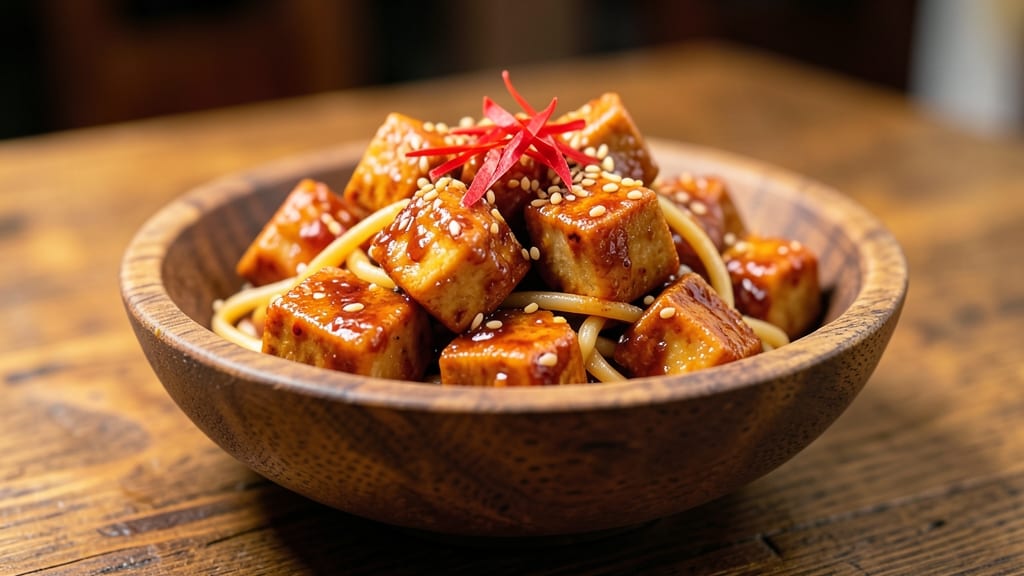
This Asian ginger sauce recipe transforms ordinary dishes into vibrant, flavor-packed meals with just a few simple ingredients. The bright, zesty umami drizzle elevates stir-fries, bowls, and grilled proteins—all while keeping prep under 15 minutes.
I developed this sauce after years of testing, balancing fresh ginger's sharp kick with sweet, tangy, and savory elements for perfect harmony.
The secret lies in simmering fresh ginger with garlic, soy sauce, and a touch of honey until fragrant, then blending with vinegar and sesame oil for a glossy, versatile finish.
Unlike store-bought versions, this homemade sauce delivers deeper flavor and adjustability—sweeter, spicier, or richer in seconds. It's the kind of condiment that turns a simple meal into something extraordinary.
What makes this sauce special is its versatility: drizzle it over noodle bowls, use it as a marinade for tofu or chicken, or serve it as a dipping sauce for spring rolls.
The ginger's warmth lingers, while the vinegar keeps it bright and refreshing. With ingredients you likely already have, this sauce becomes your new kitchen essential.
Store it in the fridge for up to a week, or freeze for longer shelf life—perfect for meal prep or gifting. Once you try this, you'll never reach for bottled sauce again. Let's get started!
Ingredients for asian ginger sauce
Nine simple ingredients transform into this zesty, umami-packed sauce that'll change your weeknight meals forever.
| Ingredient | Amount | Notes |
|---|---|---|
| Fresh Ginger Root 🌿 | ½ cup | Peeled and grated finely |
| Garlic Cloves 🧄 | 4 cloves | Minced or grated |
| Soy Sauce 🥢 | ½ cup | Light or dark preferred |
| Rice Vinegar 🍶 | ¼ cup | White or seasoned |
| Honey 🍯 | 2 tbsp | Or maple syrup for vegan |
| Sesame Oil 🫒 | 1 tbsp | Toasted for best flavor |
| Water 💧 | ¼ cup | For thinning if needed |
| Red Pepper Flakes 🌶️ | ½ tsp | Adjust for heat preference |
| Sesame Seeds 🌾 | 1 tsp | Toasted for garnish |
| Salt 🧂 | ½ tsp | Kosher or sea salt |
Fresh ginger is the star here—look for knobby, firm roots with no soft spots or mold. Trader Joe's and Whole Foods usually carry the freshest, but any grocery store works. If you can't find fresh, powdered ginger works in a pinch (use half the amount). The garlic should be fresh too—smell it first, it should be pungent, not musty. For the soy sauce, I always grab Kikkoman or La Choy—they're reliable and affordable. Toast your sesame seeds in a dry pan for 30 seconds before adding to the sauce—they'll add a nutty depth you won't get otherwise.
No rice vinegar? Apple cider vinegar or white wine vinegar both work, though rice vinegar gives that authentic tang. Running low on honey? Maple syrup or agave are perfect swaps. The sesame oil is non-negotiable for that signature flavor—don't use vegetable oil. If you want it spicier, add more red pepper flakes or a dash of Sriracha or gochujang. For a sweeter version, bump the honey up to 3 tablespoons. The sauce thickens as it cools, so if it's too thick, add water one teaspoon at a time until it reaches your desired consistency.
This sauce keeps beautifully—1 week in the fridge in an airtight jar, or 3 months in the freezer if you make a big batch. I like to portion it into small jars so I can grab one for my lunchbox. The flavors actually deepen after a day or two, so make it a day ahead if possible. If you're meal prepping, this sauce is your secret weapon—drizzle it over everything from stir-fries to grilled chicken. And if you make extra? Gift it in pretty jars—it's always a hit.
Why You'll Love This Recipe
- Five-Ingredient Magic: I swear by this—just peel and grate ginger, crush garlic, and toss in pantry staples. No fancy tools, no stress, and honestly, it’s the kind of sauce that makes me feel like I’ve earned my chef’s hat.
- Umami Bomb: That balance of salty soy, bright vinegar, and sweet honey? It’s ridiculously good. The ginger’s zing cuts through everything, and the garlic? Oh, it’s the kind of flavor that lingers in the best way—like a hug for your taste buds.
- Meal Prep MVP: This sauce keeps for weeks in the fridge, and it’s my go-to for stir-fries, grilled chicken, or even drizzled over rice bowls. Between us, I’ve used it to jazz up takeout leftovers, and suddenly, it’s gourmet.
- Budget Hack: Fresh ginger and garlic are cheap, and soy sauce lasts forever. For under $5, I’ve got a sauce that turns basic proteins into something special. My wallet and taste buds both win—no guilt, just flavor.
Step-by-step instructions for Asian ginger sauce
This bright, zesty sauce comes together in minutes with simple pantry staples.
Prepare the Ginger and Garlic Base
Peel the 0.5 cup fresh ginger root using a spoon to scrape off the skin, then grate it finely using a box grater or microplane. You want the texture to be almost paste-like, with no visible chunks. In a small bowl, mix the grated ginger with the 4 cloves minced garlic—this helps mellow the garlic's sharpness as it cooks.
Set these aside while you gather the remaining ingredients. The key here is freshness—ginger loses its punch when stored too long, so use it within a week of peeling. If you're short on time, you can use 1 tablespoon of ginger paste instead, but freshly grated delivers the best flavor.
Simmer the Sauce Ingredients
In a small saucepan, combine the ginger-garlic mixture, 0.5 cup soy sauce, 0.25 cup rice vinegar, 2 tablespoons honey, and 0.5 teaspoon salt. Bring to a gentle simmer over medium heat, stirring constantly to prevent sticking. Let it cook for 5-7 minutes until the mixture reduces slightly and becomes fragrant—you'll notice the aroma deepen as the flavors meld.
Here's where the magic happens: the vinegar brightens the soy sauce, while the honey adds a touch of sweetness that balances the heat. If you prefer a smoother sauce, strain it through a fine-mesh sieve to remove any lingering ginger fibers, but I like the subtle texture for extra depth.
Finish with Sesame Oil and Heat
Remove the sauce from heat and stir in the 1 tablespoon sesame oil and 0.5 teaspoon red pepper flakes. The sesame oil adds nutty richness, while the red pepper flakes introduce a subtle kick. Taste and adjust seasoning—you might want to add a pinch more salt or a splash of 0.25 cup water if the sauce is too thick for your liking.
This is the moment to taste and decide if it needs more sweetness, acidity, or heat. I often add a splash of extra rice vinegar for brightness or a drizzle of honey for balance. The sauce should coat the back of a spoon with a glossy sheen, indicating it's ready to drizzle.
Garnish and Store
Transfer the sauce to a bowl and sprinkle with 1 teaspoon toasted sesame seeds for added texture and aroma. Toast the seeds in a dry skillet over low heat for 1-2 minutes until fragrant—this step elevates the sauce from good to restaurant-quality.
Use the sauce immediately over stir-fries, noodle bowls, or grilled meats, or store it in an airtight container in the refrigerator for up to 5 days. The flavors actually improve as it sits, deepening over time. For a quicker version, blend all ingredients together and skip the simmering step—though you'll miss out on that complex, layered flavor development.
Pro Tips For Making Asian Ginger Sauce
- PEEL GINGER FAST: Use a spoon’s edge to scrape off the skin in one smooth motion instead of peeling with a knife—saves time and avoids wasting ginger. I learned this the hard way after wasting half a root trying to slice through the skin.
- MINCE GARLIC FINE: Chop garlic into tiny, even pieces (almost like paste) so it dissolves completely into the sauce. Lumpy garlic ruins the texture—trust me, you’ll taste the difference.
- LOW HEAT FOR SOY: Simmer the sauce on low heat after adding soy sauce—high heat makes it bitter. Let it bubble gently for 3-4 minutes to blend flavors without turning harsh.
- SWEETEN WITH HONEY LAST: Stir in honey only at the very end to preserve its natural sweetness. If you add it too early, the heat dulls its bright flavor—your sauce will taste flatter if you skip this.
Common mistakes when making this dish
Overcooking Ginger
Fresh ginger turns bitter when overcooked, ruining the delicate balance of this sauce. I’ve learned the hard way—simmer for no longer than 7 minutes over medium heat.
The moment it smells fragrant and slightly sweet, remove it from heat immediately. If you’re using a thermometer, keep it below 200°F to preserve the ginger’s zing. 🌶️
Skipping the Simmer
Blending all ingredients raw might seem faster, but you’ll miss the depth of flavor that comes from simmering. The 5-7 minute simmer allows the ginger and garlic to soften and release their oils, while the vinegar and soy sauce meld together.
Trust me, the extra 2 minutes of cooking makes all the difference in the final product.
Using Low-Quality Ingredients
Don’t cut corners with stale ginger, old soy sauce, or cheap sesame oil. Fresh ginger should smell sharp and citrusy, not musty. Use Kikkoman or La Choy soy sauce for authentic flavor, and always opt for toasted sesame oil over the lighter, less flavorful varieties.
The quality of these ingredients directly impacts the sauce’s depth of flavor.
Ignoring the Toasted Sesame Seeds
Toasted sesame seeds add a nutty crunch and aroma that raw seeds can’t match. Skipping this step means missing out on that extra layer of complexity. Toast them in a dry pan for just 1-2 minutes until fragrant—don’t walk away, or they’ll burn.
The aroma alone will make your sauce taste more restaurant-quality. 🌾
Not Tasting as You Go
Every batch of this sauce is slightly different based on the freshness of ingredients and your taste preferences. Taste the sauce at every stage—after simmering, after adding sesame oil, and before serving.
Adjust with more honey, vinegar, or salt as needed. This sauce is all about balance, and your palate is the best tool for getting it right.
Storing Improperly
This sauce thickens as it cools, so store it in an airtight container with a splash of water if it’s too thick for your liking.
The fridge is ideal for up to 5 days, but if you’re not using it within that time, freeze it in ice cube trays for easy portioning. Never store it in a metal container—glass or plastic works best to preserve the flavors.
Nutrition facts
Frequently asked questions
Can I make this sauce without fresh ginger?
Yes, but the flavor will be less vibrant. Use 1 tablespoon of ginger paste (not powder) as a substitute, but reduce the amount by half. For a powdered option, 1 teaspoon of ground ginger works in a pinch, though it lacks the bright, fresh notes of fresh ginger. Toast the powder in a dry pan for 30 seconds first to deepen its aroma.
How can I adjust the heat level?
Start with the 0.5 teaspoon red pepper flakes as written for mild heat. For medium spice, add 1 teaspoon. Want it fiery? Swap in 1 tablespoon of gochujang or Sriracha instead of red pepper flakes. Always taste before serving—you can't easily remove excess heat once added!
What are the best ways to use this sauce?
This versatile sauce works as a drizzle for stir-fries, noodle bowls, and grilled proteins. Use it as a marinade for tofu or chicken (30 minutes minimum), or serve it as a dipping sauce for spring rolls or dumplings. For extra richness, stir a spoonful into miso soup or ramen. The possibilities are endless!
Why did my sauce turn cloudy?
Cloudiness usually means the sauce separated due to overheating or adding sesame oil too early. Let the sauce cool slightly before stirring in the oil. If it's already cloudy, whisk in 1 teaspoon of cornstarch mixed with 1 tablespoon water and heat gently until smooth. For prevention, always simmer on medium-low heat.
Can I make this sauce vegan?
Simply replace the 2 tablespoons honey with 2 tablespoons maple syrup or agave. Check your soy sauce is vegan (most are, but some contain fish). For extra umami, add 1 teaspoon of mushroom powder or 1 tablespoon of coconut aminos if you're avoiding soy. The sauce will still pack incredible flavor!