
Sauces & Condiments
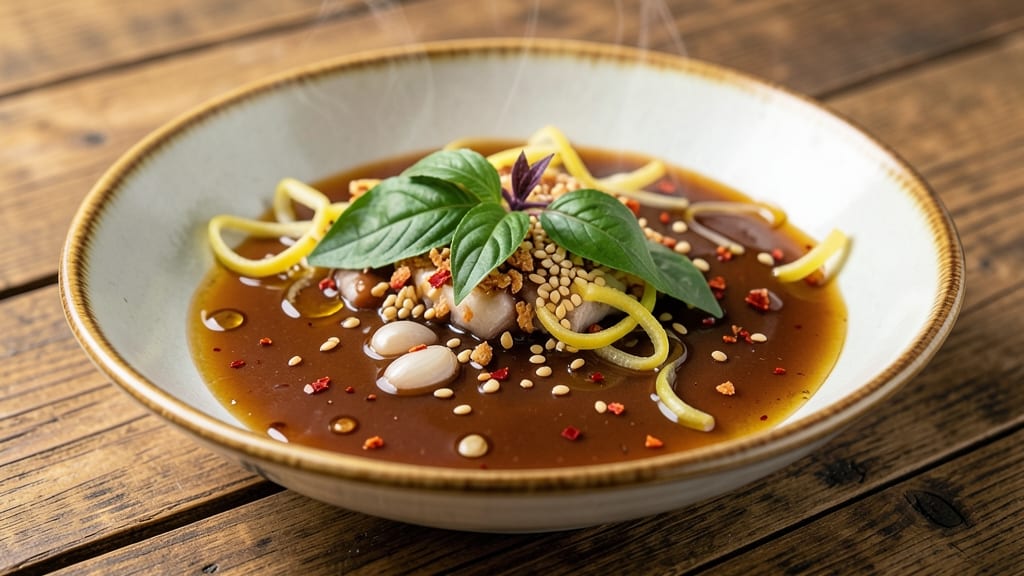
This Asian fusion sauce recipe transforms ordinary stir-fries and bowls into restaurant-quality meals with its perfect balance of umami, sweetness, and tang. The secret lies in combining traditional soy-based flavors with modern depth—ginger, garlic, and a touch of chili create layers of complexity that elevate any dish.
I developed this sauce after years of experimenting with Asian-inspired recipes, and it never fails to impress.
The magic happens with simple ingredients: soy sauce, sesame oil, rice vinegar, and a blend of fresh aromatics. What makes this sauce special is its versatility—use it as a marinade for proteins, a drizzle over noodle bowls, or a stir-fry glaze.
The sauce builds flavor as it sits, so letting it rest for at least 30 minutes before serving allows the ingredients to meld into a harmonious, deeply flavorful liquid.
By the time you're done, you'll have a sauce that's rich, aromatic, and perfectly balanced—sweet enough to complement savory dishes but never overpowering. The umami depth from soy and sesame oil pairs beautifully with the bright acidity of rice vinegar, while fresh ginger and garlic add warmth and complexity.
This isn't just a sauce; it's a flavor enhancer that transforms simple ingredients into something extraordinary.
Store leftovers in an airtight container in the refrigerator for up to 2 weeks, or freeze for longer storage. Whether you're cooking for a crowd or prepping meals for the week, this sauce is your secret weapon for adding depth and excitement to every bite. Let's get started!
Ingredients for asian fusion sauce
Nine simple ingredients create restaurant-quality fusion sauce for stir-fries and bowls.
| Ingredient | Amount | Notes |
|---|---|---|
| Soy Sauce 🍶 | ½ cup | Light or dark variety preferred |
| Sesame Oil 🫒 | 2 tbsp | Toasted for authentic flavor |
| Rice Vinegar 🍶 | ¼ cup | White or seasoned preferred |
| Fresh Ginger 🧄 | 2 tbsp | Finely grated, fresh preferred |
| Garlic Cloves 🧄 | 3 cloves | Minced, fresh preferred |
| Red Chili Flakes 🌶️ | 1 tsp | Adjust to taste for heat |
| Honey 🍯 | 1 tbsp | Or maple syrup for vegan option |
| Sesame Seeds 🌾 | 1 tbsp | Toasted for garnish |
| Salt 🧂 | ½ tsp | Kosher or sea salt preferred |
| Water 💧 | ¼ cup | For thinning if needed |
The soy sauce is the flavor anchor—Kikkoman or Lee Kum Kee are my go-tos, but any good-quality brand works. Sesame oil is where the magic happens; toasted sesame oil from Trader Joe's or Costco adds that nutty depth. Fresh ginger and garlic are non-negotiable here—they're the aromatic backbone. Grab a microplane for the ginger (it's a game-changer) and mince the garlic finely so it blends smoothly. If you're short on time, jarred minced garlic works in a pinch, but fresh is always better. The rice vinegar should be bright and acidic—seasoned rice vinegar adds a subtle sweetness that balances everything beautifully.
No sesame oil? Avocado oil or neutral oil at half the amount works, but the flavor won't be the same. Short on ginger? Ginger powder at one-third the amount gets you close, but fresh is ideal. The honey adds that perfect sweetness—maple syrup or agave are great vegan swaps. Chili flakes can be omitted if you prefer no heat, or gochujang paste at half a teaspoon for a deeper, spicier kick. The sesame seeds are for garnish, but if you're feeling lazy, skip them—the sauce will still be delicious. For a smoother sauce, strain it through a fine-mesh sieve after blending. If it's too thick, add water one teaspoon at a time until it reaches your desired consistency.
This sauce tastes even better the next day as the flavors meld together. Store it in an airtight container in the fridge for up to 2 weeks, or freeze for 3 months. I like to portion it into small jars so I can grab just what I need for a quick stir-fry or noodle bowl. The sauce thickens as it sits, so give it a quick stir before using. If you're prepping for a crowd, double the recipe—it's worth making extra. The sauce also freezes beautifully, so you'll always have a flavor boost ready whenever you need it.
Why You'll Love This Recipe
- Pantry Magic: I swear by this sauce—no specialty ingredients, just what’s already lurking in my cabinet. Five minutes of stirring, and suddenly my stir-fry, grilled chicken, or even scrambled eggs taste like I spent hours in a dim-sum joint.
- Umami Bomb: That combo of soy, garlic, and ginger? It’s the kind of punch that makes you pause mid-bite. Honestly, the sesame oil finish is what turns "meh" into "I’d drive 20 minutes for this again."
- Weeknight Swiss Army: Slap it on noodles, drizzle over roasted veggies, or toss with cold rice—it’s my go-to when I’m too tired to decide. (Yes, even on a Tuesday night when I’m surviving on coffee and takeout dreams.)
- Leftovers’ Best Friend: Make a double batch—it keeps for weeks in the fridge and freezes like a champ. I’ve used this to revive sad-looking takeout, dress up a sad salad, or even deglaze my pan after cooking. Waste not, want not.
Step-by-step instructions for Asian fusion sauce
This sauce brings bold umami and sweetness together in minutes—perfect for stir-fries, bowls, or dipping.
Toast the Sesame Seeds for Depth
Heat a dry skillet over medium heat and add the 1 tablespoon sesame seeds. Toast them for 1-2 minutes, stirring constantly, until they turn a rich golden brown and release a nutty aroma. This step is non-negotiable—it adds texture and flavor that raw seeds can't match.
Transfer the toasted seeds to a small bowl and set aside. We'll use them later as a garnish, but toasting them first ensures they contribute both crunch and aroma to your dish. If you're short on time, you can skip this step, but your sauce will miss a subtle depth of flavor.
Bloom the Ginger and Garlic
In a medium saucepan, combine the 2 tablespoons fresh ginger and 3 cloves garlic cloves with the 2 tablespoons sesame oil over medium-low heat. Cook for 2-3 minutes, stirring frequently, until the ginger becomes fragrant and the garlic turns golden around the edges but doesn't burn.
This is where the magic starts—ginger and garlic release their oils and aromas, forming the aromatic base of your sauce. If the garlic starts to brown too quickly, reduce the heat slightly. You're aiming for a fragrant, not burnt, flavor profile here.
Build the Sauce Base
Add the 0.5 cup soy sauce, 0.25 cup rice vinegar, 1 tablespoon honey, 1 teaspoon red chili flakes, and 0.5 teaspoon salt to the saucepan. Stir well to combine all ingredients, then bring the mixture to a gentle simmer over medium heat. Let it cook for 5-7 minutes, stirring occasionally, until the sauce thickens slightly.
The sauce should reduce enough to coat the back of a spoon but still remain pourable. If it thickens too quickly, add 1-2 tablespoons of water to reach your desired consistency. Taste as you go—adjust the balance of sweetness (honey), acidity (vinegar), or heat (chili flakes) to your preference.
Finish and Garnish
Remove the sauce from heat and stir in the toasted sesame seeds. Let the sauce sit for 2-3 minutes to allow the flavors to meld together. The sesame seeds will add a subtle crunch and nutty aroma that complements the smooth sauce.
For best results, use the sauce immediately on stir-fries, noodle bowls, or grilled proteins. If you need to store it, transfer to an airtight container and refrigerate for up to 5 days. Give it a good stir before using, as the flavors continue to develop over time.
Pro Tips For Making Asian Fusion Sauce
- LOW-HEAT GINGER: Toss that ginger into your pan on medium-low—high heat turns it bitter fast. I learned this the hard way when my sauce tasted like a pharmacy instead of a restaurant.
- MINCE GARLIC FINE: No, "chopped" isn’t good enough—aim for a paste-like texture. A knife works, but I now use the flat side of my blade to smash cloves first, then pulse in a food processor for consistency that actually matters.
- SALT THE SOY: Plain soy sauce? Balance it with a pinch of sugar (½ tsp) and a splash of water (1 tbsp) before mixing. My first batches tasted flat until I realized restaurant-style soy needs a little sweetness to cut through the salt.
- STIR CONSTANTLY: Let that sauce simmer for 3–4 minutes while stirring every 20 seconds—sesame oil burns in seconds. I used to walk away, and the aroma of smoke ruined perfect batches. Keep your spoon moving.
Troubleshooting perfect results
Thin Sauce Fix
If your sauce thickens too much during cooking, don’t panic—simply add water or rice vinegar one teaspoon at a time. I’ve found that ¼ cup water works best for most cases, but if you want to preserve the sauce’s balance, use vinegar instead.
Stir gently to avoid breaking the emulsion, and return to heat just until combined. The goal is to reach a pourable consistency—thin enough to drizzle but thick enough to cling to food. 💧
Overpowering Heat
Too much spice? Balance it with honey or maple syrup—just ½ teaspoon at a time—to tame the heat while keeping the sauce’s depth. Alternatively, add 1 teaspoon of sesame oil to smooth out harsh flavors.
If the sauce tastes too salty, dilute with 1 tablespoon of water or rice vinegar to lighten the flavor. Trust me, these small adjustments make all the difference. 🌶️
Grainy Texture
If your sauce has a gritty texture, it likely means the ginger or garlic wasn’t minced finely enough. Fix this by straining the sauce through a fine-mesh sieve into a clean bowl, pressing gently with a spoon to extract every last drop.
For next time, use a microplane for ginger and finely minced garlic—it makes a world of difference. If you’re short on time, blend the sauce briefly to break up any remaining texture. ✨
Flat Flavor
A bland sauce usually means the aromatics didn’t bloom properly. To revive it, add ½ teaspoon of toasted sesame oil and ½ teaspoon of grated fresh ginger directly to the sauce. Let it sit for 5 minutes to allow the flavors to meld.
If it still lacks depth, a splash of fish sauce (½ teaspoon) or soy sauce (1 teaspoon) can add that missing umami punch. The key is to build layers of flavor gradually. 💡
Separation Issues
If your sauce separates into oil and liquid, whisk vigorously to re-emulsify. For a more permanent fix, blend the sauce briefly with an immersion blender or transfer to a blender and pulse until smooth.
If the oil separation persists, reduce the amount of sesame oil in future batches—1 tablespoon is plenty for this recipe. The secret is gentle heat and constant stirring to keep everything cohesive. 🔥
Nutrition facts
Frequently asked questions
Can I make this sauce without sesame oil?
Yes, but the flavor will be different. Use 1 tablespoon neutral oil (like avocado or vegetable) plus an extra ½ teaspoon toasted sesame seeds for depth. For authenticity, toasted sesame oil adds nutty richness that's hard to replicate.
How spicy should this sauce be?
The 1 teaspoon chili flakes gives mild heat—adjust to taste! For more kick, add ½ teaspoon gochujang paste (Korean chili paste). If you prefer no heat, simply omit the chili flakes entirely. The sauce's sweetness balances any spice beautifully.
Can I use this sauce as a marinade?
This sauce works perfectly as a marinade for chicken, tofu, or shrimp. Let proteins marinate for 30-60 minutes (longer for tougher cuts like beef). For extra tenderness, add 1 tablespoon cornstarch to thicken the marinade before applying.
What if I don't have rice vinegar?
Use apple cider vinegar or white wine vinegar in equal amounts. For a sweeter profile, reduce honey to ½ tablespoon to compensate. The acidity is more important than the specific vinegar type for this recipe.
How long can I store this sauce?
Store in an airtight container in the fridge for up to 2 weeks or freeze for 3 months. The flavors actually improve over time! Thaw frozen portions in the fridge overnight for best results. Always stir before using as settling may occur.