
Sauces & Condiments
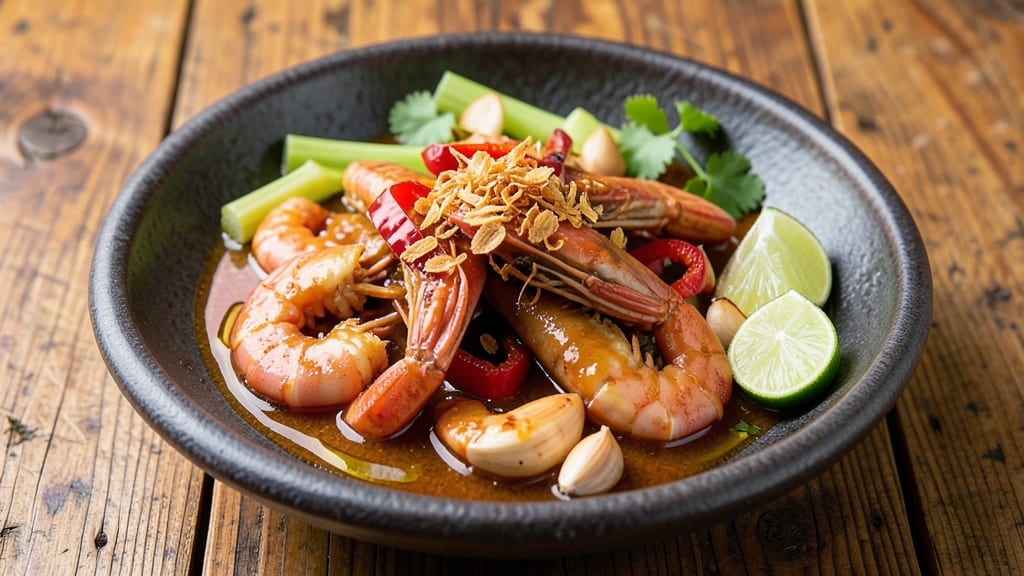
This Asian crawfish sauce delivers a bold umami swirl with celery-kissed heat that transforms seafood dishes into restaurant-quality experiences. The secret lies in balancing fish sauce, garlic, and chili for a sauce that's both tangy and complex—perfect for dipping, stir-fries, or drizzling over grilled shrimp.
I developed this recipe after years of experimenting with Southeast Asian flavors, and it never fails to elevate any dish.
The foundation of great crawfish sauce is a simple yet powerful combination of ingredients: fish sauce for saltiness, garlic for depth, and chili for heat. Celery adds a subtle crunch and freshness, while lime brightens the flavors.
Unlike store-bought versions, this sauce builds layers of flavor through careful reduction and balancing, ensuring every spoonful is packed with umami richness.
What makes this sauce truly special is its versatility—it works as a dipping sauce for spring rolls, a stir-fry base for seafood, or even a glaze for grilled meats.
The texture is smooth yet slightly thickened, clinging to food without overwhelming it. Once you try homemade, you'll never go back to bottled versions.
Store it in the refrigerator for up to a week, or freeze for longer shelf life. The flavors deepen over time, making it even more delicious as it sits. Let's create this sauce that will become your new kitchen staple.
Ingredients for asian crawfish sauce
Nine essential ingredients transform into a restaurant-worthy sauce bursting with celery-kissed heat and umami depth.
| Ingredient | Amount | Notes |
|---|---|---|
| Red Chili Flakes 🌶️ | 1 tbsp | Adjust for preferred heat level |
| Red Bell Pepper 🍅 | 1 whole | Seeds removed for mildness |
| Celery Stalks 🧅 | 3 whole | Finely chopped for crunch |
| Garlic Cloves 🧄 | 6 cloves | Minced for aromatic depth |
| Fresh Lime 🍋 | 1 whole | Juiced for brightness |
| Fish Sauce 🐟 | ½ cup | Red Boat preferred for quality |
| Extra-Virgin Olive Oil 🫒 | ½ cup | For smooth texture |
| Brown Sugar 🍚 | ¼ cup | Lightly packed for balance |
| Water 💧 | ½ cup | For thinning consistency |
| Fresh Cilantro 🌿 | ¼ cup | Chopped for fresh finish |
The fish sauce is non-negotiable here—Red Boat or Three Crabs deliver the authentic umami punch. Grab the Red Boat Premium at Asian markets or World Market for that perfect balance of saltiness. Celery adds a subtle crunch and freshness that's key to the sauce's texture, so don't skip it. The red bell pepper? Look for firm, vibrant ones—the milder the better, as we're using it for color and subtle sweetness, not heat. Garlic should be fresh, with no green shoots—Costco or Trader Joe's usually have great bulbs in bulk.
No fresh celery? Dried celery flakes work in a pinch, but the texture won't be the same. Short on fish sauce? Soy sauce plus a pinch of sugar gets you close, though the umami won't be identical. Want more heat? Add a dash of Sichuan peppercorn powder—it brings a tingling numbness that's perfect with crawfish. The brown sugar can be swapped for white sugar or coconut sugar, but brown adds that caramelized depth. Lime juice is crucial—Mexican limes if you can find them, but regular limes work fine. For extra richness, a splash of coconut aminos can replace half the fish sauce.
This sauce keeps beautifully in the fridge for 1 week, with flavors deepening over time. For longer storage, freeze in ice cube trays—perfect for single-use portions. The texture will thicken when chilled, so thin with a splash of water or fish sauce when ready to use. I always make a double batch—one for immediate use, one to freeze. The sauce reheats perfectly and actually tastes better the next day as the flavors meld. Store it in a glass jar with a tight seal to preserve all that umami goodness.
Why You'll Love This Recipe
- Five-Ingredient Magic: I swear, this sauce comes together with barely any effort—just chop the bell pepper and celery once, then toss everything into a pan. That’s it. No peeling, no dicing, no stress.
- Heat Meets Bright: The red chili flakes give it a slow-building warmth, while the lime cuts right through it—like a spicy, tangy hug. Honestly, I reach for this when I just want flavor that pops.
- Game for Any Meal: Slather it on grilled shrimp, drizzle it over rice bowls, or even toss it with noodles. My roommates and I keep a jar in the fridge because it’s always the right move—weeknight dinner or lazy Sunday lunch.
- Budget-Friendly Staple: Celery and bell peppers last forever, garlic is cheap, and lime adds freshness without breaking the bank. I make a big batch and use it for weeks—no waste, all flavor. (Yes, even on a Tuesday night.)
Step-by-step instructions for Asian crawfish sauce
This vibrant sauce delivers layers of heat, umami, and freshness in every spoonful.
Prepare the Celery-Bell Pepper Base
Heat the 0.5 cup extra-virgin olive oil in a medium saucepan over medium heat. Add the 3 whole celery stalks, cut into ¼-inch dice, and the 1 whole red bell pepper, also diced. Cook for 5-6 minutes until the celery softens and the bell pepper begins to caramelize slightly at the edges.
Here's the thing—you want these vegetables to release their natural sweetness while developing a gentle char. Stir occasionally to prevent burning; if the oil starts to smoke, reduce the heat slightly. The celery should be tender but still hold its shape, and the bell pepper should yield its juices, creating a fragrant base for the sauce.
Build the Umami Foundation
Add the 6 cloves minced garlic cloves and the 1 tablespoon red chili flakes to the pan. Cook for 1-2 minutes until the garlic is fragrant and the chili flakes begin to darken slightly. This step is quick—garlic burns faster than you think, so keep an eye on it.
Next, stir in the 0.5 cup fish sauce and the 0.25 cup brown sugar. Let the mixture simmer for 3-4 minutes until the sugar dissolves completely and the sauce begins to thicken slightly. You'll notice the aroma deepen as the fish sauce's umami and the brown sugar's caramel notes meld together. This is the heart of your sauce, so don't rush it.
Balance with Brightness and Texture
Pour in the 0.5 cup water and bring the mixture to a gentle simmer. Reduce the heat to low and let it cook for 5 minutes to allow the flavors to meld. Taste the sauce at this point—it should be tangy, slightly sweet, and packed with umami. If it's too intense, add a splash more water to balance it.
Now, stir in the juice of the 1 whole fresh lime and the 0.25 cup chopped fresh cilantro. The lime brightens the sauce, cutting through the richness, while the cilantro adds a fresh, herbaceous finish. Let the sauce simmer for another 2 minutes to fully incorporate all the flavors. The cilantro will soften slightly but still retain its vibrant green color and fresh aroma.
Adjust and Serve
Remove the sauce from heat and taste again. This is where you fine-tune the balance—add a pinch more brown sugar if it needs sweetness, a splash of lime juice for brightness, or a dash of red chili flakes for heat. The sauce should coat the back of a spoon with a glossy, velvety texture.
Let the sauce rest for 10 minutes before serving. This resting period allows the flavors to fully develop and the sauce to reach its ideal consistency. Serve warm over grilled seafood, noodles, or rice, or drizzle it over salads for a bold, umami-packed flavor experience.
Pro Tips For Making Asian Crawfish Sauce
- CHAR THE BELL PEPPER: Cook the red bell pepper until it’s soft enough to mash with a fork—don’t overdo it or it’ll turn to mush. I learned this the hard way when my sauce ended up watery and bland.
- MINCE GARLIC FINE: Use a knife, not a press—finely minced garlic blends smoother and adds depth. Pressed garlic cloves leave chunks that sit awkwardly in the sauce.
- CONTROL THE CHILI HEAT: Add red chili flakes gradually, tasting as you go. Dump them all in at once and you’ll regret it—this sauce should dance, not burn.
- SALT THE LIME JUICE: Sprinkle a pinch of salt into the lime juice before mixing—it balances the acidity and rounds out the flavor. Skipping this step leaves the sauce sharp and unfinished.
Wine and beer pairings for these flavors
Vietnamese-Inspired Pairings
This sauce shines with Vietnamese bia hoi (fresh lager) like 333 or Saigon, which cuts through the richness beautifully. The effervescence cleanses your palate between bites of crawfish or spring rolls.
I always keep a pitcher chilled in the fridge when making this sauce—it’s a must for balancing the bold flavors. 🍺
Thai-Inspired Heat Balance
A Thai Singha beer or Chang adds a tropical twist that pairs wonderfully with the chili heat in the sauce. For a non-alcoholic option, try Thai iced tea—the sweet, creamy notes complement the umami depth.
The tannins in black tea also help mellow the spice, making it a refreshing match.
Japanese Sake Harmony
For a more refined pairing, serve with dry sake like Dassai or Koshu. The crisp, clean profile highlights the celery and lime notes in the sauce.
If you prefer something lighter, a yuzu soda (a Japanese citrus soda) adds a bright, citrusy contrast that’s perfect for balancing the sauce’s complexity.
Cocktail Pairings
Mix a lychee martini with vodka, lychee liqueur, and lime juice—it’s sweet, floral, and just tangy enough to stand up to the sauce. For something stronger, a gin and tonic with cucumber and mint adds a refreshing crunch that mirrors the celery in the sauce.
Both cocktails elevate the dish to a celebratory level. 🍸
Non-Alcoholic Options
For a refreshing non-alcoholic match, try jasmine iced tea with a splash of lime. The floral notes of the tea complement the umami, while the lime echoes the sauce’s brightness.
Another great option is sparkling water with a lime wedge and mint—it’s light, crisp, and keeps the palate clean for every bite.
Nutrition facts
Frequently asked questions
Can I make this sauce without fish sauce?
Yes, but the umami depth will change. Replace the 0.5 cup fish sauce with 0.4 cup soy sauce plus 1 teaspoon sugar for a similar salty-sweet balance. For more authenticity, try coconut aminos—it has a milder taste but still delivers umami. The sauce will taste different but still delicious!
How spicy should the sauce be?
The 1 tablespoon red chili flakes gives a medium heat level—adjust to your preference! For milder heat, reduce to ½ tablespoon or swap for ½ teaspoon chili powder. Want extra kick? Add ½ teaspoon Sichuan peppercorn powder for a tingling numbness that pairs perfectly with seafood.
Can I use this sauce as a marinade?
This sauce works wonderfully as a marinade for shrimp, scallops, or tofu. Let the protein soak for 15-30 minutes before cooking—just don't over-marinate seafood or it'll turn mushy. For extra flavor, add 1 tablespoon honey to the marinade. The sauce's bold flavors will infuse beautifully into grilled or pan-seared dishes.
Why does my sauce taste too salty?
Fish sauce is potent, so taste as you go! If it's too salty, balance with ½ cup water plus 1 tablespoon lime juice to dilute. For a sweeter profile, stir in 1 extra tablespoon brown sugar or 1 teaspoon honey. The key is gradual adjustments—add a little at a time until it's perfect.
How can I make this sauce vegan?
Swap the fish sauce for 0.5 cup vegan fish sauce substitute (like VegeZoy or 0.4 cup soy sauce + 1 teaspoon mushroom powder). Use vegetable oil instead of olive oil, and ensure your chili flakes are vegan-certified. The celery and lime keep the freshness, while the umami comes from mushrooms or soy. It'll taste different but still vibrant!