
Sauces & Condiments
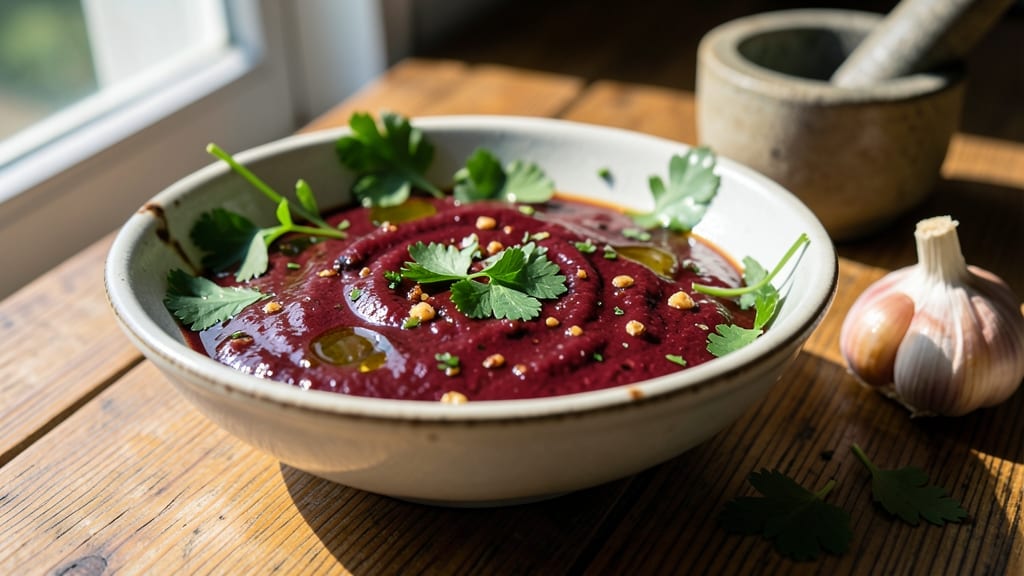
This Argentinian steak sauce recipe transforms simple ingredients into a vibrant chimichurri that adds bold, herbaceous punch to every bite. The secret lies in finely chopping fresh parsley and garlic, then blending with red wine vinegar and olive oil for a sauce that's bright, tangy, and impossible to resist. I've perfected this version over years of grilling, and it never fails to elevate grilled meats, empanadas, or even roasted vegetables.
The beauty of chimichurri is its simplicity—just five key ingredients that come together in minutes. Fresh parsley provides the signature green color and fresh herb flavor, while garlic and oregano add depth.
The vinegar and olive oil create the perfect balance of acidity and richness, ensuring the sauce stays fresh and vibrant. Unlike some sauces that turn slimy, this one maintains its texture and flavor for days when stored properly.
What makes this sauce truly special is how it transforms ordinary dishes into extraordinary meals. A drizzle over perfectly grilled steak or chicken adds layers of flavor without overpowering the meat.
It works equally well as a marinade or a finishing touch for empanadas, grilled vegetables, or even as a vibrant salad dressing. The bright, herby notes cut through rich meats, creating a perfect balance that's both refreshing and satisfying.
Ready in just 10 minutes, this sauce requires no cooking—just chopping and blending. The result is a versatile, restaurant-quality condiment that's perfect for any occasion. Whether you're hosting a barbecue or simply looking to elevate your weeknight dinner, this chimichurri will become your new go-to sauce. Let's make it!
Ingredients for argentinian steak sauce
Five ingredients, bold flavors—this vibrant chimichurri transforms every bite into a restaurant-quality experience.
| Ingredient | Amount | Notes |
|---|---|---|
| Fresh Flat-Leaf Parsley 🌿 | 1 ½ cups | Stems removed, finely chopped |
| Garlic Cloves 🧄 | 6 cloves | Peeled, finely minced |
| Red Wine Vinegar 🍷 | ½ cup | Balsamic works too, but red wine preferred |
| Extra-Virgin Olive Oil 🫒 | ¾ cup | High-quality, fruity variety |
| Dried Oregano 🌿 | 1 tsp | Mexican oregano preferred |
| Kosher Salt 🧂 | 1 ½ tsp | Adjust to taste |
| Ground Black Pepper 🌶️ | ½ tsp | Freshly cracked preferred |
| Red Chili Flakes 🔥 | ½ tsp | Optional for heat |
The parsley is non-negotiable—bright green, fresh leaves from a trusted source like Whole Foods or your local farmers' market make all the difference. Skip the dried stuff, even though it's tempting. For garlic, peel and mince finely—you want it almost paste-like. The vinegar? Red wine vinegar gives that signature tang, but balsamic adds depth if you're in a pinch. I always grab extra-virgin olive oil from California or Spain—the fruity notes elevate everything. Pro tip: if your parsley has woody stems, blanch them briefly to soften before chopping.
No red wine vinegar? White wine vinegar or apple cider vinegar work in a bind, though the flavor shifts slightly. Short on parsley? Cilantro or basil at half the amount changes the vibe but keeps it herby. The oregano is key—Mexican oregano has a deeper flavor than Italian, but regular dried works if that's what you've got. For heat, skip the chili flakes if you prefer it mild, or double for spice lovers. The salt and pepper are simple but crucial—Diamond Crystal kosher salt dissolves better than table salt, and freshly cracked pepper adds a nice bite.
This sauce thrives on freshness but keeps beautifully. Store in an airtight jar with a layer of olive oil on top to preserve color and flavor. Good for 5-7 days in the fridge, or freeze for up to 3 months in ice cube trays for perfect portions. The longer it sits, the more the flavors meld—trust me, it tastes better the next day. Perfect for drizzling, marinating, or even mixing into mayo for a chimichurri twist on sandwiches.
Why You'll Love This Recipe
- Five-Ingredient Magic: I swear by this sauce because it’s the kind of recipe that makes you feel like a pro—just pulse parsley, garlic, and vinegar in a food processor, drizzle in olive oil, and toss in oregano. No fancy techniques, no waiting for reductions, just done.
- Umami Bomb: That red wine vinegar cuts through the richness of steak like a dream, while the garlic and parsley add this bright, herby punch. It’s the kind of flavor that lingers—like the last bite of a perfect grilled skirt steak, but way easier to replicate at home.
- Weeknight Superhero: Between us, this sauce is my go-to for everything: tossing over grilled chicken, drizzling on roasted potatoes, or even mixing into a quick pasta. Honestly, I’ve used it as a marinade, a finishing sauce, and even a dip for crusty bread—no judgment.
- Stays Fresh Forever: Make a big batch (it keeps for weeks in the fridge) and forget about last-minute sauce shopping. The vinegar and olive oil preserve it beautifully, so you’re always ready for spontaneous steak nights or last-minute dinner guests. Plus, it’s cheap—way cheaper than store-bought.
Step-by-step instructions for bold Argentinian chimichurri
This vibrant sauce delivers the perfect balance of fresh herbs, bright acidity, and smoky depth—every bite of your steak deserves this.
Finely Chop the Fresh Parsley
Remove stems from the 1.5 cups fresh flat-leaf parsley and chop it meticulously into small, even pieces—think fine dice, not coarse. I use a sharp chef's knife and rock-chop method for consistency. The smaller the pieces, the more evenly the sauce will distribute over your steak. You want a uniform texture that won't overwhelm the dish.
Here's the thing—don't skip this step. Packed parsley releases its oils most effectively when finely chopped, giving your chimichurri that signature vibrant green color and intense herby punch. If you're feeling fancy, pulse the parsley in a food processor for 3-4 seconds, but don't overdo it or you'll get a paste instead of a sauce.
Mince the Garlic and Combine Dry Ingredients
Peel and finely mince the 6 cloves garlic—this should yield about 1 tablespoon of minced garlic. Add it to a medium bowl along with the chopped parsley, 1 teaspoon dried oregano, 1.5 teaspoons kosher salt, 0.5 teaspoon ground black pepper, and 0.5 teaspoon red chili flakes. Mix everything together with a wooden spoon until thoroughly combined.
I like to press the garlic into the parsley with the back of the spoon to break down the fibers and release more flavor. The oregano adds earthy depth while the chili flakes bring subtle heat. Don't worry if it looks dry right now—we're about to transform this into something luscious.
Gradually Incorporate the Vinegar
Slowly drizzle in the 0.5 cup red wine vinegar while stirring continuously. This gradual approach prevents the vinegar from clumping the herbs. You'll notice the mixture immediately brightens in color and starts to take on a saucy consistency. Keep stirring until all the vinegar is absorbed and the herbs are completely wetted.
This is where the magic happens—the vinegar's acidity begins to break down the herb fibers, creating that signature chimichurri texture. If you're using balsamic vinegar instead, you'll get a slightly sweeter, more complex flavor profile. Either works, but stick with red wine vinegar for classic authenticity.
Finish with Olive Oil for Emulsion
With the mixture still in the bowl, begin adding the 0.75 cup extra-virgin olive oil in a slow, steady stream while stirring vigorously. This gradual incorporation creates an emulsion that binds all the ingredients together. You'll see the sauce transform from a dry herb mixture to a glossy, vibrant green sauce.
I use my hands here—dipping a spoon in the mixture and whisking it back in helps create a smoother texture. The olive oil not only adds richness but also helps distribute the flavors evenly. Once all the oil is incorporated, give it one final stir to ensure everything is perfectly combined.
Rest and Adjust Seasoning
Cover the bowl with plastic wrap and let the chimichurri rest at room temperature for at least 15 minutes. This resting period allows all the flavors to meld together and the sauce to reach its full potential. After resting, taste and adjust the seasoning—you might need a touch more salt or vinegar to balance the flavors.
Here's the crucial part: chimichurri tastes even better after it's had time to develop. If you're making it ahead, it actually improves over time, especially if refrigerated for up to 3 days. The flavors deepen and the texture becomes even more cohesive. Serve it immediately over your perfectly grilled steak for that authentic Argentinian experience.
Pro Tips For Making Argentinian Steak Sauce
- CHOP GARLIC SMALL: Tiny minced garlic (almost paste-like) blends better than chunks—your sauce won’t have awkward texture surprises. I learned this after tasting a batch where I’d been lazy and the garlic bits stayed stubbornly identifiable.
- SWEAT OREGANO FIRST: Toast the dried oregano in the oil for 10 seconds before adding vinegar—it releases aroma and prevents that "dusty" aftertaste. Yes, it’s a tiny step, but it makes the sauce smell like a Buenos Aires parrilla.
- USE COLD PARSLEY: Add chopped parsley at the very end, straight from the fridge—it keeps its vibrant color and bright flavor instead of wilting into sad, limp bits. (Your sauce will look like it belongs in a restaurant, not a weeknight shortcut.)
- DILUTE GRADUALLY: Start with just 1 tablespoon vinegar, taste, then add more—this sauce is meant to be tangy but balanced, not a mouth-puckering punch. I’ve ruined batches by dumping in the whole bottle without testing, and you don’t want that either.
Health benefits of this argentinian steak sauce
Herb-Packed Antioxidant Boost
This chimichurri is a nutrient powerhouse thanks to its fresh parsley and garlic. Parsley contains vitamin K (essential for blood clotting) and vitamin C (supports immunity), while garlic provides allicin, a compound with anti-inflammatory and antimicrobial properties.
Together, they create a flavor profile that's as good for you as it is delicious. 🌿
Heart-Healthy Fats
The extra-virgin olive oil in this sauce delivers monounsaturated fats, which help lower bad cholesterol (LDL) while raising good cholesterol (HDL). A single tablespoon of this oil provides 120mg of heart-healthy fats, making it a smart addition to grilled meats.
The red wine vinegar also contains polyphenols, which support cardiovascular health.
Digestive Benefits
The dried oregano in chimichurri contains carvacrol, a compound that aids digestion and may help reduce bloating. Meanwhile, the garlic acts as a natural prebiotic, promoting gut health by feeding beneficial gut bacteria.
This makes the sauce not just flavorful, but also a gut-friendly companion to rich, fatty meats like steak. 💪
Low-Calorie, High-Flavor
With only about 120 calories per 2-tablespoon serving, this sauce delivers big flavor without the guilt. The vinegar and herbs create a bright, tangy profile that cuts through rich meats, helping you enjoy indulgent dishes while keeping calories in check.
It’s perfect for those watching their waistline but still craving bold flavors.
Anti-Inflammatory Properties
The combination of garlic, parsley, and olive oil gives this sauce natural anti-inflammatory benefits. Garlic reduces inflammation, while parsley contains apigenin, a compound that may help lower inflammation markers. Regular consumption of these ingredients has been linked to reduced risk of chronic diseases like heart disease and diabetes.
Vitamin K for Bone Health
One of the standout nutrients in chimichurri is vitamin K, primarily from the parsley. A ½-cup serving provides more than 100% of your daily vitamin K needs, which is crucial for bone health and proper blood clotting.
This makes the sauce not just a condiment, but a nutrient-dense addition to your meals. 💡
Nutrition facts
Frequently asked questions
Can I make this Argentinian sauce without fresh parsley?
Fresh parsley is essential for authentic chimichurri flavor, but you can substitute with ½ cup fresh cilantro or ½ cup fresh basil if needed. For dried parsley, use 2 tablespoons (not a direct swap), but the texture and flavor won't be the same. The vibrant green color comes from fresh parsley—no substitute matches it perfectly!
How long does this sauce keep in the fridge?
This chimichurri stays fresh for 5-7 days when stored in an airtight jar with a layer of olive oil on top. The oil preserves the herbs and prevents browning. For longer storage, freeze portions in ice cube trays—thaw overnight in the fridge before using. The flavors actually improve over time!
What's the best way to use leftover chimichurri?
Beyond steak, try it as a marinade for chicken or shrimp (30 minutes max), a vibrant salad dressing, or mixed into mayo for sandwiches. It also elevates grilled vegetables, roasted potatoes, or even scrambled eggs. For extra richness, stir in 1 teaspoon honey before serving on meats.
Why does my chimichurri turn brown or slimy?
Exposure to air causes browning—always store with olive oil on top. Sliminess happens when herbs sit too long in liquid. For best texture, use within 3 days of making. If it separates, whisk vigorously before using. The key is fresh ingredients and proper storage!
Can I make this sauce spicier?
Add 1 teaspoon cayenne pepper or 2 tablespoons minced jalapeño for serious heat. For smoky depth, include ½ teaspoon smoked paprika. Always taste first—chimichurri's bright acidity balances heat perfectly. Start with ½ teaspoon extra chili flakes if you're unsure!