
Sauces & Condiments
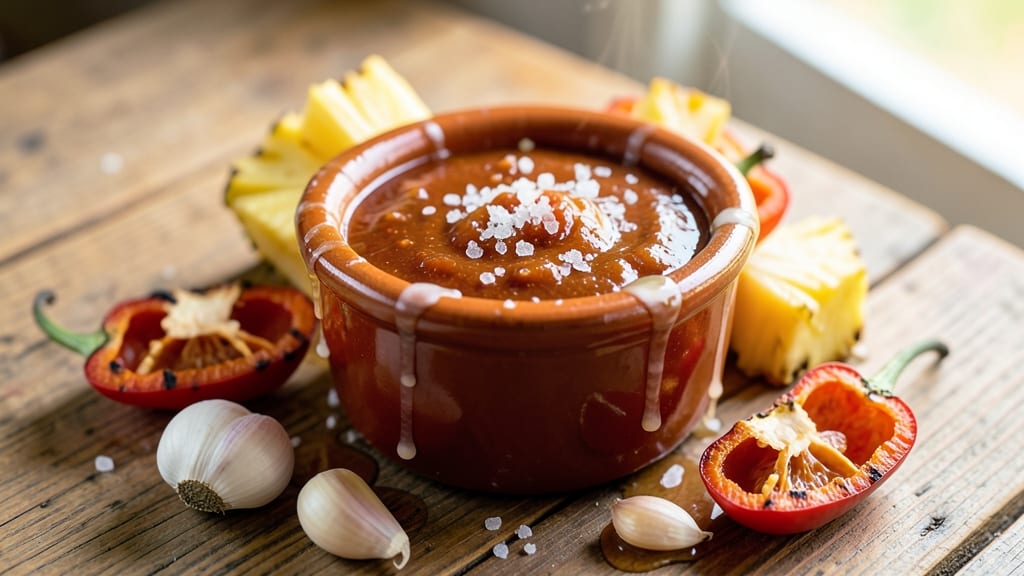
This Aruba hot sauce recipe brings the island’s bold flavors to your kitchen with a fiery blend of Scotch bonnet peppers and sweet pineapple. The result? A balanced, vibrant sauce that’s perfect for adding heat and tropical sweetness to any dish.
I’ve perfected this recipe to deliver a smooth, well-rounded heat—no overwhelming burn, just a gradual build that lingers.
The secret lies in the combination of fresh Scotch bonnet peppers (or habanero for a slightly milder kick) and ripe pineapple, which softens the heat while adding a bright, fruity depth.
Garlic and vinegar form the backbone of the sauce, ensuring it’s tangy and complex. The pasteurization process guarantees safety while preserving that fresh, homemade flavor—no canning skills required.
What you’ll end up with is a versatile hot sauce that’s hotter than store-bought but smoother and more flavorful. Use it as a dipping sauce for wings, a marinade for grilled meats, or a finishing touch on tacos and seafood.
The heat level is medium-high, so adjust the pepper quantity to suit your tolerance—just remember, Scotch bonnets pack a punch.
Storage is simple: refrigerate for up to 3 months or extend shelf life with proper canning if you’re feeling ambitious. The best part? Every batch tastes fresh, with no artificial additives or preservatives. Let’s make this island-inspired sauce that’ll elevate your meals from ordinary to extraordinary.
Ingredients for aruba hot sauce
Nine simple ingredients transform into a fiery, tropical hot sauce with island flair.
| Ingredient | Amount | Notes |
|---|---|---|
| Scotch Bonnet Peppers 🌶️ | 4 whole | Seeds removed for milder heat |
| Fresh Pineapple 🍍 | 1 cup | Ripe, finely diced chunks |
| Garlic Cloves 🧄 | 6 cloves | Fresh, minced for depth |
| White Vinegar 💧 | 1 cup | Distilled or apple cider |
| Granulated Sugar 🍚 | ½ cup | Balances heat and sweetness |
| Salt 🧂 | 1 ½ tsp | Kosher or sea salt |
| Black Peppercorns 🌶️ | ½ tsp | Freshly cracked for aroma |
| Allspice Berries 🍃 | ½ tsp | Crushed for warmth |
| Water 💧 | 1 cup | For thinning if needed |
Scotch bonnets are the heart of this sauce, so pick the freshest, firmest ones—they should be bright red and free of soft spots. Trader Joe's and Latin markets often carry them, but if you can't find them, habaneros work in a pinch (use half the amount). The pineapple needs to be ripe—yellow with a little give—for that perfect sweetness. I always grab a fresh pineapple and dice it myself, but pre-cut works if you're short on time. For the vinegar, apple cider vinegar adds a subtle fruitiness, but white vinegar keeps it classic.
No Scotch bonnets? Habaneros or Thai bird's eye chiles will give you similar heat—just start with 2 and adjust. Want less sweetness? Cut the sugar to 1/4 cup or swap it for agave. The allspice is non-negotiable—it adds that warm, earthy note that makes this sauce taste like Aruba. If you can't find whole berries, ground allspice at half the amount works too. The black peppercorns? Toast them lightly in a dry pan first—trust me, it makes a difference. And if your sauce ends up too thick, just add a splash of water (or more vinegar for tang).
This sauce keeps beautifully—3 months in the fridge if you store it in a clean glass jar with a tight seal. For longer storage, sterilize jars and lids and process in a water bath for 10 minutes (standard canning method). I always make extra—freeze portions in ice cube trays for easy single-use servings. The flavor actually improves over time, so don't rush to use it all up. Just give it a shake before each use to redistribute the peppers.
Why You'll Love This Recipe
- No Chopping Chaos: I’ll be real—this sauce only needs two ingredients chopped (pineapple and garlic), and the Scotch bonnet’s heat is already dialed in. That’s it. No dicing, no mincing, no stress—just a knife for two things and a blender. Honestly, I’ve made it while scrolling through my phone.
- Sweet Heat Balance: Here’s what sold me—the pineapple’s tang cuts through the Scotch bonnet’s fire just right, while the sugar rounds it out like a hug. The vinegar ties it all together, so you get this bright, fruity kick that’s addictive but never overpowering. (Yes, even on a Tuesday night.)
- Party in a Bottle: This sauce is my go-to for tacos, grilled shrimp, or even drizzled over roasted veggies—but it’s also the star of my “impress guests” charcuterie board. A few drops on deviled eggs or a sprinkle on popcorn? Suddenly, you’re serving something that tastes like a vacation.
- Lasts All Week: Between us, I make a big batch and it still tastes fresh after seven days. The vinegar preserves the flavor, and the sugar keeps mold at bay. Plus, it’s cheap—Scotch bonnets and pineapple stretch far, so you’re not breaking the bank for a flavor punch that feels luxurious.
Step-by-step instructions for Aruba hot sauce
Here's how to make this fiery Caribbean condiment with perfect balance—spicy, sweet, and tangy.
Prepare the Scotch Bonnet Peppers
Put on gloves—Scotch Bonnet peppers are serious business! Cut the 4 whole Scotch Bonnet peppers in half lengthwise and carefully remove all seeds and membranes using a small spoon. This step controls the heat level while keeping the sauce's signature punch. Leave the peppers whole if you want milder heat, or chop them finely for more intensity.
Place the prepared peppers in a medium saucepan and set aside. The peppers will soften as they cook, releasing their vibrant heat and aroma. Don't skip this preparation—raw peppers can make the sauce too harsh and uneven in flavor.
Cook the Base Ingredients
Add the 1 cup of finely diced fresh pineapple, 6 cloves of minced garlic, 1 cup of white vinegar, and 0.5 cup of granulated sugar to the saucepan with the peppers. Bring everything to a boil over medium-high heat, then reduce to a simmer. Let it cook uncovered for 15-20 minutes, stirring occasionally, until the pineapple softens and the mixture reduces slightly.
You'll notice the colors deepen and the aroma becomes irresistible. The sugar helps balance the heat while the vinegar preserves the sauce. If the mixture looks too thick, add the 1 cup of water gradually to reach your desired consistency. This step builds the foundation of your sauce.
Season and Simmer
Add the 1.5 teaspoons of salt, 0.5 teaspoon of freshly cracked black peppercorns, and 0.5 teaspoon of crushed allspice berries to the saucepan. Stir well to combine all ingredients thoroughly. Return the mixture to a gentle simmer and cook for an additional 10-15 minutes, allowing the flavors to meld together.
Taste the sauce as it cooks—this is where you'll decide if it needs more sweetness, heat, or tang. Remember, you can always adjust the seasoning later, but building the right balance now is crucial. The allspice berries add a warm, earthy note that complements the fiery peppers beautifully.
Blend and Bottle
Remove the sauce from heat and let it cool completely. Once cool, transfer the mixture to a blender or food processor and blend until smooth. For a chunkier texture, leave some of the pineapple and pepper pieces. Strain the sauce through a fine-mesh sieve if you prefer a completely smooth consistency.
Pour the finished sauce into clean, sterilized bottles or jars. Seal tightly and store in the refrigerator for up to 3 months. This hot sauce will keep for longer if you add a splash of vinegar to each bottle before sealing, but the flavor will be at its peak within the first month.
Rest and Enjoy
Let the sauce sit in the refrigerator for at least 24 hours before using. This resting period allows all the flavors to fully develop and mellow slightly, creating a more complex and balanced taste. The colors will deepen and the heat will become more refined.
Use your Aruba hot sauce to spice up grilled meats, seafood, or even drizzle it over fresh fruit for a sweet and spicy twist. Start with small amounts—this sauce packs serious heat! The perfect balance of sweet pineapple, fiery Scotch Bonnet peppers, and warm spices makes it a versatile condiment for any dish.
Pro Tips For Making Aruba Hot Sauce
- CHAR THE PEPPERS LOW AND SLOW: I learned this the hard way—blasting Scotch Bonnets on high heat turns them bitter and smoky. Instead, simmer them in a splash of vinegar (or water) over medium-low for 10-15 minutes until they’re soft and their flesh collapses easily. This pulls out the heat and sweetness without burning the capsaicin into oblivion.
- PEEL THE GARLIC LIKE A PRO: Skip the messy clove-by-clove peeling—smash the whole head with the flat side of your knife first, then shake it in a jar. The skins will slide right off, leaving you with clean, exposed cloves. (Yes, even if you’re impatient like me.) For this sauce, mince 4-5 cloves while they’re fresh—don’t skip this step, or the garlic flavor will taste like an afterthought.
- STRAIN THE PINEAPPLE PUREE: After cooking the pineapple down, resist the urge to blend it into a thick paste. Instead, strain it through a fine-mesh sieve to remove fibers—this keeps the sauce silky smooth. I used to skip this, and the texture always felt gritty. (Your future self will thank you.)
- BALANCE HEAT AND SWEET IN STAGES: Taste as you go, but don’t dump all the sugar at once. Add half the sugar first, let it simmer 5 minutes, then adjust—this lets the vinegar and pineapple’s natural acidity mellow out. I was skeptical until I tried it: the heat lingers longer without clashing with a sudden sweet overload.
Pro cooking tips for this dish
Pepper Prep Matters
Never underestimate the power of proper pepper prep—this is where the magic (and heat control) happens. Always wear gloves when handling Scotch bonnet peppers, as their oils can irritate skin. For milder heat, keep the peppers whole and remove only the seeds; for extra intensity, finely chop them before cooking.
I like to toast the peppers in a dry pan for 1-2 minutes before adding them to the sauce—this deepens their flavor without adding moisture. 🌶️
Vinegar Selection Tips
White vinegar is the classic choice, but apple cider vinegar adds subtle fruity notes that complement the pineapple beautifully. For a smokier profile, swap in 1/4 cup smoked vinegar—just reduce the cooking time by 5 minutes to prevent over-reduction.
If your vinegar smells sharp or harsh, let it sit open for 10 minutes before using to mellow its acidity. The goal is bright, clean tang, not overpowering sourness.
Sweetness Balance Tricks
The sugar isn't just for sweetness—it helps caramelize the pineapple and peppers during cooking, creating depth. For a less sweet version, reduce sugar to 1/4 cup and add 1/2 teaspoon of ground cinnamon instead.
If your sauce tastes too sweet after blending, add 1 extra tablespoon of vinegar per 8 ounces of sauce to rebalance. Trust your taste buds: the pineapple's natural sweetness should support the heat, not overpower it.
Allspice Substitutes
Can't find allspice berries? Ground allspice works in a pinch (use 1/4 teaspoon instead of 1/2 teaspoon of whole berries), but whole berries add textural complexity that ground versions miss.
For a warm, earthy alternative, add 1/4 teaspoon of ground nutmeg or 1/8 teaspoon of cinnamon, but reduce the cooking time by 3 minutes to prevent bitterness. The allspice is what gives this sauce its Aruban soul—don't skip it if possible!
Blending Textures
For a smooth sauce, blend until completely silky—use an immersion blender if you're working with a small batch. For chunky texture, pulse the blender 3-4 times and leave some pineapple and pepper pieces.
Pro tip: Freeze the sauce for 1 hour before blending—it becomes easier to puree and yields a smoother consistency. Strain through a fine-mesh sieve if you want to remove any lingering pepper skins or seeds.
Heat Level Adjustments
If your sauce is too hot, blend in 1 extra tablespoon of pineapple per 8 ounces of sauce—fruit fat helps mellow the capsaicin. For milder heat, reduce the number of Scotch bonnets to 2 next time.
To intensify the heat, add 1/2 teaspoon of cayenne pepper to the simmering mixture. Remember: heat builds over time, so taste as you go! The ideal sauce should warm your mouth gradually, not overwhelm it instantly. 🔥
Nutrition facts
Frequently asked questions
Can I substitute habanero peppers for Scotch bonnets?
Yes, but use half the amount—habaneros are hotter! For the same heat level as 4 Scotch bonnets, try 2 habaneros. Toast them first to mellow their sharpness slightly. If you prefer milder heat, remove seeds and membranes completely before cooking.
How do I adjust the heat level if my sauce is too spicy?
Add 1 extra tablespoon of pineapple per 8 ounces of sauce to balance the heat. The fruit's natural sugars help mellow the capsaicin. For a smoother result, blend in 1/2 teaspoon of honey or 1 tablespoon of coconut milk—both work well with tropical flavors.
Can I make this hot sauce without a blender?
Simmer the cooked mixture for an extra 5 minutes, then press it through a fine-mesh sieve or cheesecloth. For texture, leave some pineapple chunks—just chop them finely before cooking. The result will be slightly chunkier but still delicious.
How long does homemade hot sauce last?
Unopened, store-bought hot sauces last months—but this homemade version shines fresh! Refrigerate for up to 3 months in a clean glass jar. For longer storage, can it using a water bath method (10 minutes). The flavor actually improves over time, so make a big batch!
What are the best ways to use this hot sauce?
Drizzle it over grilled fish or shrimp, mix into tropical salsas, or use as a marinade for chicken or pork. Try it on tacos, nachos, or even popcorn for a sweet-spicy kick! Start with small amounts—this sauce packs serious flavor.