
Sauces & Condiments
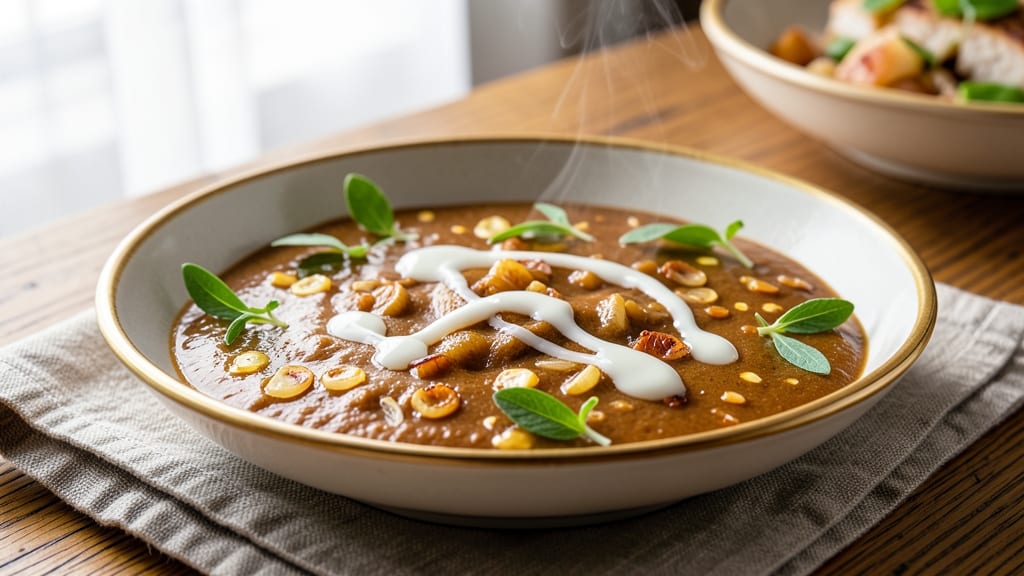
This Armoricaine sauce recipe transforms simple ingredients into Brittany's signature creamy, velvety sauce that elevates seafood and poultry. The secret lies in balancing rich butter and cream with the bright acidity of vinegar and celery, creating a harmonious blend that's both elegant and approachable.
I developed this version after years of perfecting the technique—it's the kind of sauce that makes even weeknight dinners feel like a French bistro experience.
The foundation of Armoricaine sauce begins with shallots and celery, gently cooked until soft and sweet, then deglazed with white wine vinegar to build depth. Cream and butter come together to create a luxurious, velvety texture that coats every bite, while fresh tarragon adds that signature herbal brightness.
What makes this sauce truly special is how it balances richness with acidity—creamy enough to feel indulgent, yet bright enough to cut through delicate fish or tender poultry.
What you'll achieve is a sauce that's perfectly balanced—creamy without being heavy, tangy without overpowering. The texture is smooth and luxurious, with just the right amount of body to cling to proteins while enhancing their natural flavors.
This sauce works beautifully with sole, halibut, or even roasted chicken, transforming simple dishes into something restaurant-worthy.
One of the best aspects of Armoricaine sauce is its versatility—it keeps well in the refrigerator for up to 3 days, making it perfect for meal prep. The flavors actually deepen as it sits, allowing you to make a big batch and use it throughout the week.
Whether you're serving it over fish, drizzled over roasted vegetables, or paired with grilled meats, this sauce delivers that authentic French bistro experience at home.
Ingredients for armoricaine sauce
Eight ingredients, French bistro magic in your saucepan—creamy, tangy, and restaurant-worthy.
| Ingredient | Amount | Notes |
|---|---|---|
| Unsalted Butter 🧈 | ¾ cup | Cold, cubed for easier melting |
| Heavy Cream 🥛 | 1 cup | Full-fat for best texture |
| Shallots 🧅 | ½ cup | Finely diced, about 4-5 cloves |
| Celery Stems 🥬 | ½ cup | Finely diced, about 2 stalks |
| White Wine Vinegar 🍷 | ¼ cup | Dry, not balsamic |
| Fresh Tarragon 🌿 | ¼ cup | Chopped, stems removed |
| Salt 🧂 | ½ tsp | Diamond Crystal preferred |
| Ground Black Pepper 🌶️ | ¼ tsp | Freshly ground |
The shallots and celery are your flavor foundation—fresh is key. I grab mine from the produce section at Whole Foods when I can, but the regular grocery store stuff works fine if it's crisp and vibrant. For tarragon, fresh is non-negotiable—dried just won't give you that signature brightness. The white wine vinegar should be dry (like Bragg or Heinz), not that sweet balsamic stuff. And butter? Plugrá or Land O'Lakes unsalted melts the smoothest—no salted here, we control the seasoning.
No white wine vinegar? Apple cider vinegar works in a pinch—just add a pinch of sugar to balance. Fresh tarragon missing? Dried at one-third the amount gets you close, but it won't be the same. The celery can be swapped for fennel if you're feeling fancy. For the cream, half-and-half works too, but full-fat gives you that luxurious texture. And if you're worried about the butter, olive oil in a 1:1 swap keeps it light—though traditionalists will scoff.
This sauce gets better with time—make a big batch and store it. Keeps for 3-4 days in the fridge, covered tightly. For longer storage, freeze in ice cube trays—6 months with no texture loss. Reheat gently on low, stirring constantly. I always double the recipe because once you taste it, you'll want it on everything—fish, chicken, even grilled veggies. Just don't tell the French you're making it at home.
Why You'll Love This Recipe
- Pantry-Friendly Magic: I swear by this sauce because it uses ingredients I already have—no last-minute grocery runs. The shallots and celery stems soften into a silky base while the butter and cream add richness without needing anything fancy. Honestly, it’s the kind of recipe that makes me feel like a chef, even when I’m just heating a pan.
- Rich Yet Bright: That white wine vinegar kick is what makes this sauce sing—sharp enough to cut through fatty meats but creamy enough to feel luxurious. The butter and heavy cream turn it velvety, while the vinegar keeps it from being heavy. Between us, it’s the perfect balance for seafood or chicken, and it’s not too sweet or too heavy.
- Leftovers That Shine: I make a double batch because this sauce actually gets better the next day. The flavors meld into something deeper, and it’s still perfect for drizzling over roasted veggies or tossing with pasta. No sad, watery leftovers here—just rich, creamy goodness waiting to be used.
- Weeknight Workhorse: Twenty minutes, one pot, and zero stress. The shallots and celery stems soften quickly, so I’m not stuck chopping for hours, and the vinegar adds brightness without extra effort. It’s my go-to for when I need something fancy-feeling but can’t spend all day cooking. (Yes, even on a Tuesday night.)
Step-by-step instructions for Brittany's creamy celery-vinegar sauce
Here's how to make this velvety sauce that balances sharp vinegar with rich cream.
Sauté Shallots and Celery Until Soft
Melt the 0.75 cup unsalted butter in a medium saucepan over medium-low heat. Add the 0.5 cup finely diced shallots and 0.5 cup finely diced celery stems, stirring occasionally. Cook for 8-10 minutes until the vegetables soften and the butter takes on a golden hue.
Here's the thing—you want the vegetables to become almost translucent without browning. If you see them darkening, reduce the heat slightly. This step builds the sauce's aromatic foundation, so don't rush it. The celery should be completely tender, and the shallots should lose their raw bite.
Deglaze with White Wine Vinegar
Pour in the 0.25 cup white wine vinegar and bring to a gentle simmer. Let it reduce by about half, which should take 3-4 minutes. You'll notice the sauce thicken slightly as the vinegar's acidity cuts through the butter's richness.
This reduction step is crucial—it balances the sauce's acidity and prepares it for the cream. Stir occasionally to prevent sticking, and keep the heat at medium-low. The vinegar should smell bright and tangy, not cooked down into oblivion.
Add Heavy Cream and Simmer Gently
Lower the heat to low and slowly pour in the 1 cup heavy cream, whisking constantly to prevent curdling. Add the 0.5 tsp salt and 0.25 tsp ground black pepper, then let the sauce simmer gently for 5-6 minutes until it thickens slightly.
Real talk: this is where the sauce transforms from tangy to velvety. You'll see it coat the back of a spoon, but it shouldn't be thick enough to cling in globs. If it starts to separate, whisk vigorously to re-emulsify it. The sauce should be silky, not gluey.
Finish with Fresh Tarragon
Remove the pan from heat and stir in the 0.25 cup chopped fresh tarragon. Let the sauce steep for 2-3 minutes to infuse the tarragon's anise-like aroma. Taste and adjust seasoning if needed—you might need a touch more salt to balance the vinegar.
This final step gives the sauce its signature herbal brightness. The tarragon should be just visible in the finished sauce, not overpowering. If you're serving it immediately, strain out the tarragon stems for a smoother texture. For extra flavor, leave them in and remove them before serving.
Serve Warm Over Your Favorite Dish
Keep the sauce warm over low heat until ready to serve. It pairs beautifully with grilled fish, roasted chicken, or even mashed potatoes. The sauce should coat the back of a spoon but remain pourable—if it thickens too much, whisk in 1-2 tablespoons of warm water or reserved cooking liquid.
Each bite should deliver that perfect balance of creamy richness and bright acidity. The celery's subtle sweetness and tarragon's herbal notes tie everything together. Serve immediately while warm for the best texture and flavor.
Pro Tips For Making Armoricaine Sauce
- SWEEAT SHALLOTS LOW: If you rush this step, you’ll taste raw onion in your sauce. Use a wide pan and keep heat gentle—just enough to make them translucent without browning. I learned this the hard way when my sauce ended up tasting like a sad office salad.
- SALT THE CREAM: Heavy cream needs seasoning before it hits the pan. Mix in a pinch of salt (and a few white peppercorns if you’re fancy) while warming it—this balances the acidity later. Skipping this means your sauce will taste flat, even if everything else is perfect.
- DEGLAZE WITH VINEGAR: That white wine vinegar isn’t just for acidity—it’s the cleanup crew. Add it after the shallots and celery have cooked down, then let it bubble for 30 seconds to lift all the browned bits. Ignore this, and your sauce will look dull and taste like it’s missing something.
- WHISK IN BUTTER LAST: Cold butter breaks when you add it too soon. Warm the cream-butter mix together off the heat first, then whisk it back in. This gives you a silky finish instead of a lumpy mess—trust me, your sauce will thank you.
Essential equipment for armoricaine sauce
Medium Saucepan
Start with a 3-quart stainless steel saucepan—I swear by All-Clad for its even heat distribution and durability. A medium size gives you enough room to stir without splattering while keeping the sauce hot enough to thicken properly.
Avoid nonstick pans here; the butter and cream need to caramelize slightly for that authentic depth of flavor. 🔥
Whisk for Smoothness
Invest in a balloon whisk (like the OXO Good Grips) for blending the cream and butter seamlessly. The flexible wires cut through the sauce better than a flat whisk, preventing lumps when combining the cold cream with the hot butter base.
I keep mine in my kitchen drawer for all my French sauces—it’s a game-changer for velvety textures.
Fine-Mesh Strainer
For a silky finish, strain the sauce through a fine-mesh sieve (I use Hamilton Beach) before serving. This removes any tiny tarragon stems or celery bits that might make the sauce gritty.
If you’re serving immediately, skip this step—just fish out the stems with tongs. For restaurant-quality presentation, though, straining is a must.
Thermometer for Precision
A kitchen thermometer (like the Thermoworks Thermapen) helps monitor the sauce’s temperature—ideal range is 180–190°F. This ensures the cream heats gently without curdling. I’ve burned Armoricaine sauce more times than I’d admit when I skipped this step.
The thermometer also helps troubleshoot if the sauce separates or thickens too much.
Wooden Spoon for Stirring
Use a heatproof wooden spoon (I prefer Oxo Good Grips) to stir the sauce—it won’t scratch your pan like metal utensils. Wood also helps distribute heat evenly, preventing hot spots that can cause the butter to brown unevenly. Plus, it’s gentle on your saucepan’s surface over time.
Double Boiler (Optional)
If you’re nervous about the cream curdling, use a double boiler (or a heatproof bowl over a saucepan of simmering water) to temper the cream before adding it to the hot butter base. This is especially helpful if you’re making the sauce ahead of time or in a hot kitchen.
Just pour the cream into the bowl and let it warm gradually before whisking it into the saucepan.
Nutrition facts
Frequently asked questions
Why does Armoricaine sauce have vinegar in it?
The white wine vinegar is essential for balancing the sauce's richness. It cuts through the butter and cream, preventing the sauce from tasting too heavy. The acidity also helps preserve the fresh flavors of the shallots and celery while adding a bright, tangy note that complements seafood and poultry perfectly. Think of it as the sauce's secret weapon for depth!
Can I make Armoricaine sauce ahead of time?
This sauce actually improves as it sits. Store it in an airtight container in the fridge for up to 3-4 days. The flavors meld beautifully, and reheating gently on low heat brings back its velvety texture. For longer storage, freeze it in ice cube trays—just thaw and reheat before using. Pro tip: Double the recipe so you always have some ready!
What if my sauce separates or curdles?
Don't panic! If the sauce separates, whisk vigorously to re-emulsify it. If it curdles, remove from heat and slowly stir in 1-2 tablespoons of warm water or reserved cooking liquid while whisking. For prevention, always add cold cream to the warm butter base gradually and keep heat at low. A kitchen thermometer helps—aim for 180-190°F to avoid overheating.
What's the best way to use leftover Armoricaine sauce?
This versatile sauce works wonders beyond just fish or poultry! Drizzle it over grilled vegetables, roasted potatoes, or even use it as a creamy dip for bread. It also makes an excellent pasta sauce—toss with linguine and fresh herbs. For a quick upgrade, stir in some cooked shrimp or crab meat for a seafood twist. The possibilities are endless!
Can I substitute any ingredients if I don't have tarragon?
While fresh tarragon gives the sauce its signature flavor, you can use dried tarragon at one-third the amount or substitute with fennel fronds or a pinch of anise seeds for a similar anise-like note. For a completely different but still delicious profile, try chives or parsley. Just remember, nothing quite matches tarragon's unique brightness in this sauce.