
Sauces & Condiments
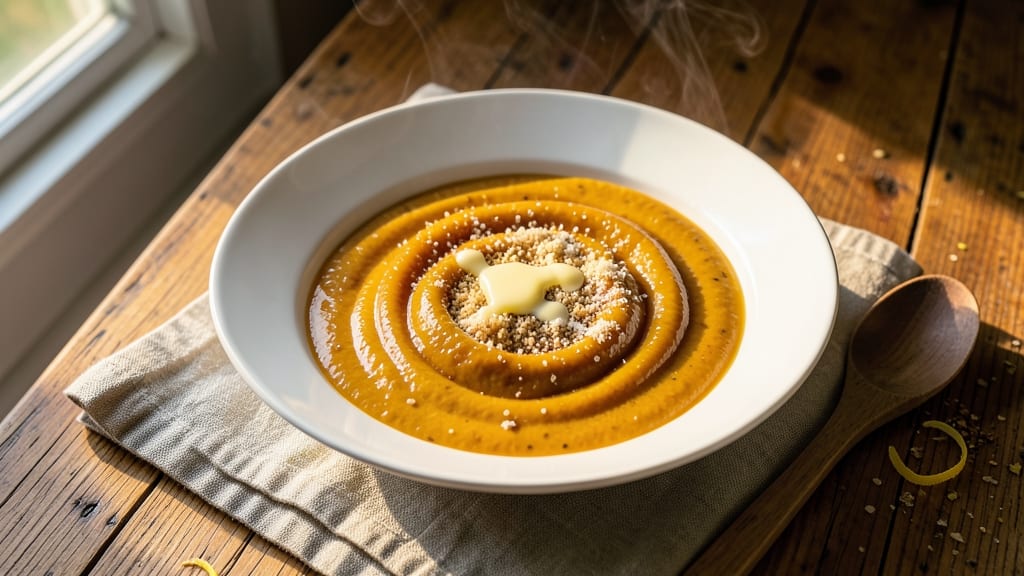
This Argo cornstarch cheese sauce recipe delivers the ultra-smooth, velvety texture you crave without a single clump—perfect for pasta, mashed potatoes, or dipping. The secret lies in slow, controlled thickening using Argo cornstarch, which creates a silky finish that clings beautifully to any dish.
I developed this recipe after years of battling lumpy cheese sauces, and it finally solves the problem once and for all.
The magic happens in the technique: whisking the cornstarch into cold milk first prevents lumps, while low-and-slow heat ensures even thickening. This method transforms basic ingredients into a restaurant-quality sauce that's rich, creamy, and foolproof.
Even beginners can achieve professional results with just a few simple steps and attention to temperature control.
What you'll end up with is a velvety, ultra-smooth cheese sauce that coats every noodle or potato perfectly. The sauce stays creamy even when reheated, making it ideal for meal prep or serving family-style. It pairs beautifully with macaroni and cheese, broccoli, or as a dipping sauce for breadsticks.
Store leftovers in an airtight container in the refrigerator for up to 5 days, or freeze for longer storage. Reheat gently on the stove with a splash of milk to restore that perfect creamy consistency. This sauce is your new kitchen essential—simple to make but impossible to resist.
Ingredients for argo cornstarch cheese sauce
Nine essential ingredients transform into velvety perfection—no lumps, just restaurant-quality silkiness.
| Ingredient | Amount | Notes |
|---|---|---|
| Argo Cornstarch 🌾 | 2 tbsp | For ultra-smooth thickening |
| Unsalted Butter 🧈 | ½ cup | Cold, cubed for even melting |
| Whole Milk 🥛 | 2 cups | Cold, full-fat preferred |
| Sharp Cheddar Cheese 🧀 | 2 cups | Freshly grated, block preferred |
| Parmesan Cheese 🧀 | ½ cup | Freshly grated, fine texture |
| Heavy Cream 🥛 | ½ cup | Full-fat for richness |
| Garlic Cloves 🧄 | 2 cloves | Minced for subtle flavor |
| Diamond Crystal Kosher Salt 🧂 | ½ tsp | Adjust to taste |
| Ground Black Pepper 🌶️ | ¼ tsp | Freshly ground preferred |
| Fresh Lemon Juice 🍋 | 1 tbsp | Brightens flavor profile |
The Argo cornstarch is non-negotiable here—it's specifically designed for smooth, clump-free results. Grab the 16-ounce box from the baking aisle at Walmart or Target, as it's widely available and consistently high quality. For the cheeses, sharp cheddar delivers bold flavor while Parmigiano-Reggiano adds umami depth—both should be freshly grated using a fine microplane for even distribution. The milk matters too: whole milk provides the best creaminess, but 2% works in a pinch if that's what you have. Pre-shredded cheeses contain anti-caking agents that prevent proper melting, so skip the bagged stuff.
No heavy cream? Whole milk plus an extra tablespoon of butter mimics the texture beautifully. Fresh garlic is ideal, but garlic powder at half the amount works if you're short on time. The lemon juice brightens the richness—skip it if you prefer a more neutral flavor, but trust me, it elevates everything. For a nut-free option, omit the heavy cream entirely and use an extra 0.25 cup of milk. The Diamond Crystal kosher salt is crucial here—it dissolves completely without leaving graininess, unlike table salt. If you only have table salt, reduce by one-third to avoid over-salting.
This sauce reheats beautifully—gentle heat is key to prevent separation. Store leftovers in an airtight container with a thin layer of plastic wrap pressed directly on the surface to prevent a skin from forming. Keeps for 5 days in the fridge or 3 months in the freezer when properly sealed. For meal prep, portion into small containers (2-4 oz servings) for easy reheating. When reheating, add a splash of milk to restore creaminess if the sauce thickens too much.
Why You'll Love This Recipe
- Here’s what sold me: it’s velvety, but not gluey. The cornstarch gives it that silky texture, and the whole milk keeps it rich without being heavy. Drizzle it over mac and cheese or broccoli—it clings just enough to taste amazing every bite.
- Five-Ingredient Magic: I swear by this—just cornstarch, butter, milk, and two cheeses. No fancy gadgets, no stress. The cornstarch thickens it just right without lumps, and the sharp cheddar plus parm? That’s the secret weapon.
- Creamy Without Clinging: Here’s what sold me: it’s velvety, but not gluey. The cornstarch gives it that silky texture, and the whole milk keeps it rich without being heavy. Drizzle it over mac and cheese or broccoli—it clings just enough to taste amazing every bite.
- Weeknight & Potluck Star: Between us, this sauce is my go-to for busy nights and company dinners. Make a big batch—it reheats perfectly for leftovers, and the bold cheddar flavor holds up. Bring it to a gathering, and no one will guess how little effort it took.
Step-by-step instructions for ultra-smooth cheese sauce
This method guarantees a velvety, lump-free sauce every time using Argo cornstarch's superior thickening power.
Create the Cornstarch Slurry
In a small bowl, whisk together the 2 tablespoons Argo Cornstarch with ¼ cup of the cold whole milk until completely dissolved and smooth. This creates a slurry that will prevent lumps when added to the hot liquid. The cornstarch must be fully incorporated—no visible powder should remain. I like to whisk vigorously for about 30 seconds to ensure complete dispersion.
The reason we use cold milk for the slurry is simple: cold liquid suspends the cornstarch particles more effectively than warm or hot liquid would. This prevents premature thickening and ensures even distribution when we combine it with the hot base later. Set this mixture aside temporarily while you prepare the other components.
Melt Butter and Infuse with Garlic
In a medium saucepan, melt the ½ cup unsalted butter over medium-low heat until it's completely liquid but not browned. Add the 2 minced garlic cloves and cook for 30 seconds until fragrant. You'll notice the butter will foam slightly as it melts—this is normal. Remove the pan from heat immediately after the garlic is fragrant to prevent burning.
This step builds flavor depth. The garlic should be just aromatic, not colored—overcooking it would make the sauce bitter. I always use fresh garlic cloves rather than powder because the subtle allicin compounds create a more complex flavor profile. Keep the heat low to avoid browning the butter, which would impart a burnt taste to the sauce.
Gradually Add Milk and Cheese
Return the pan to medium heat and slowly pour in the remaining 1¾ cups cold whole milk while whisking constantly to prevent scorching. Once the mixture comes to a gentle simmer, reduce heat to low and gradually add the 2 cups sharp cheddar cheese and ½ cup parmesan cheese, whisking continuously. The cheese should melt completely within 2-3 minutes, creating a smooth, thick base.
This gradual addition is critical. If you add all the cheese at once, you risk creating lumps that are nearly impossible to eliminate later. The constant whisking creates a vortex that helps the cheese melt evenly. You'll know it's working when the sauce becomes glossy and thickens noticeably. If you see any cheese particles not dissolving, remove from heat and whisk vigorously for another 30 seconds to complete the melting.
Incorporate the Cornstarch Slurry
With the sauce still on low heat, slowly pour in the cornstarch slurry while whisking continuously. The sauce will begin to thicken immediately. Continue whisking for 1-2 minutes until the sauce reaches your desired consistency—it should coat the back of a spoon thickly but still be pourable. If it thickens too quickly, add 1-2 tablespoons of hot milk to adjust the texture.
The cornstarch works by absorbing liquid and swelling, creating that signature velvety texture. You'll notice the sauce transform from a simple cheese mixture to a luxurious, smooth consistency. This is where Argo cornstarch shines—it creates a thicker, more stable sauce than regular cornstarch would. If you see any thin spots, whisk in another ½ teaspoon of cornstarch mixed with a little milk to reinforce the thickening.
Finish with Cream and Seasonings
Remove the pan from heat and stir in the ½ cup heavy cream, ½ teaspoon kosher salt, ¼ teaspoon black pepper, and 1 tablespoon fresh lemon juice. The lemon juice brightens the rich, cheesy flavors while preventing the sauce from tasting too heavy. Taste and adjust seasoning if needed—sometimes the sharpness of the cheddar needs more salt, while other times the lemon requires a touch more acidity.
This final step balances the sauce's richness with acidity and seasoning. The heavy cream adds luxurious mouthfeel, while the lemon juice prevents the sauce from tasting flat. I always let the sauce rest for 2-3 minutes off the heat before serving—this allows all the flavors to meld together completely. The result should be a sauce that's silky, flavorful, and perfectly balanced for dipping, topping, or saucing.
Pro Tips For Making Argo Cornstarch Cheese Sauce
- Whisk Like You Mean It: That cornstarch slurry won’t behave if you’re half-hearted—get aggressive with the whisk when combining it with cold milk. I learned this the hard way after ending up with lumps that turned my sauce into glue. A minute of vigorous whisking until it’s completely smooth makes all the difference.
- Melt Butter Slowly: Don’t toss chunks of butter into the pot like you’re in a rush—melt it first over medium-low heat until it’s just liquid gold. Adding cold butter to hot milk? You’ll get grainy cheese and a sauce that separates faster than your patience. Let it warm gradually.
- Grate Cheese Fresh: Pre-shredded cheese is coated with anti-caking agents that turn your sauce into a clumpy mess. Grab a box grater and shred your own sharp cheddar and Parmesan right before adding it to the pot. The texture will be silky, and you’ll avoid that sad, grainy texture no one wants.
- Temper the Cheese: Dump cold cheese into hot sauce and watch it clump like a science experiment gone wrong. Instead, lower the heat to medium and let the sauce cool slightly before adding the cheese—just until it’s warm to the touch. This keeps everything smooth and prevents curdling. (Yes, even if you’re impatient like me.)
Troubleshooting your argo cornstarch cheese sauce
Lumpy Sauce Fix
If your sauce develops lumps during cooking, immediately remove it from heat and whisk vigorously for 1-2 minutes with 1 tablespoon cold milk. The cold milk helps dissolve the cornstarch particles while the whisking breaks up any cheese clumps.
For stubborn lumps, strain the sauce through a fine-mesh sieve into a clean saucepan, then return to low heat while whisking continuously. 💡
Over-Thickened Sauce
When your sauce thickens too much, thin it gradually with 1 tablespoon increments of hot milk while whisking constantly. Avoid adding too much at once, or you'll risk thinning the sauce too much.
If the sauce separates after reheating, whisk in ½ teaspoon cornstarch mixed with 1 teaspoon cold milk to restore thickness. Always reheat gently on low heat to prevent scorching.
Grainy Texture
Graininess usually occurs when cheese doesn't melt completely or when using pre-shredded cheese. For a quick fix, strain the sauce through a fine-mesh sieve to remove any undissolved cheese particles. To prevent graininess in future batches, always use freshly grated cheese and whisk continuously while heating.
If you must use pre-shredded cheese, pulse it in a food processor for 10 seconds to break up any anti-caking agents before adding.
Sauce Too Mild
If your sauce lacks flavor, boost it with ½ teaspoon smoked paprika or ¼ teaspoon onion powder for depth. For extra richness, stir in 1 tablespoon unsalted butter or 1 teaspoon Dijon mustard to enhance complexity.
A splash of lemon juice or white wine can brighten the flavor profile while balancing richness. Always taste as you go—seasoning can be adjusted gradually.
Separation After Storage
If your sauce separates after refrigeration, gently reheat it on low heat while whisking constantly. Add 1-2 tablespoons of milk to restore creaminess if needed. For stubborn separation, whisk in ½ teaspoon cornstarch mixed with 1 teaspoon cold milk to rebind the sauce.
Always store sauce in an airtight container with plastic wrap pressed directly on the surface to prevent skin formation.
Burnt Flavor
Burnt flavor occurs when the sauce overheats or scorch marks form on the bottom of the pan. To prevent this, always cook on low heat and stir frequently. If you notice scorching, immediately remove the pan from heat and scrape off any burnt bits with a spatula.
For future batches, use a heavy-bottomed saucepan to distribute heat more evenly. If the flavor is already compromised, start fresh with a new batch.
Nutrition facts
Frequently asked questions
Can I substitute regular cornstarch for Argo cornstarch?
Yes, but with caution! Regular cornstarch works, but Argo's finer texture creates a smoother sauce. If substituting, use 1.5 tablespoons regular cornstarch instead of 2 tablespoons Argo and whisk it more vigorously to prevent lumps. The sauce may thicken slightly faster, so adjust with milk as needed.
Why does my cheese sauce get grainy even with cornstarch?
Graininess usually means cheese didn't melt fully or pre-shredded cheese was used. Always grate cheese fresh and whisk continuously while heating. For pre-shredded cheese, pulse it in a food processor for 10 seconds first to break up anti-caking agents. Strain through a fine-mesh sieve if needed for ultra-smooth results.
How do I make this sauce dairy-free?
Replace butter with ½ cup olive oil or dairy-free margarine, use 2 cups unsweetened almond milk (or cashew milk), and swap cheeses for 2 cups dairy-free cheddar shreds (like Violife) plus ½ cup nutritional yeast for cheesy flavor. The cornstarch method still works perfectly!
What's the best way to reheat leftovers without getting lumps?
Reheat gently on low heat while whisking constantly. Add 1 tablespoon milk per ½ cup sauce to restore creaminess. For stubborn lumps, strain through a fine-mesh sieve first. Never microwave directly—it causes separation. Store in an airtight container with plastic wrap pressed on the surface.
Can I use this sauce for grilled cheese sandwiches?
Spread a thin layer on one slice before assembling—it creates a crispy, cheesy crust when grilled. For extra richness, brush the outside of the bread with melted butter first. The cornstarch keeps it from getting soggy while maintaining that velvety texture. Perfect for gourmet grilled cheese!