
Sauces & Condiments
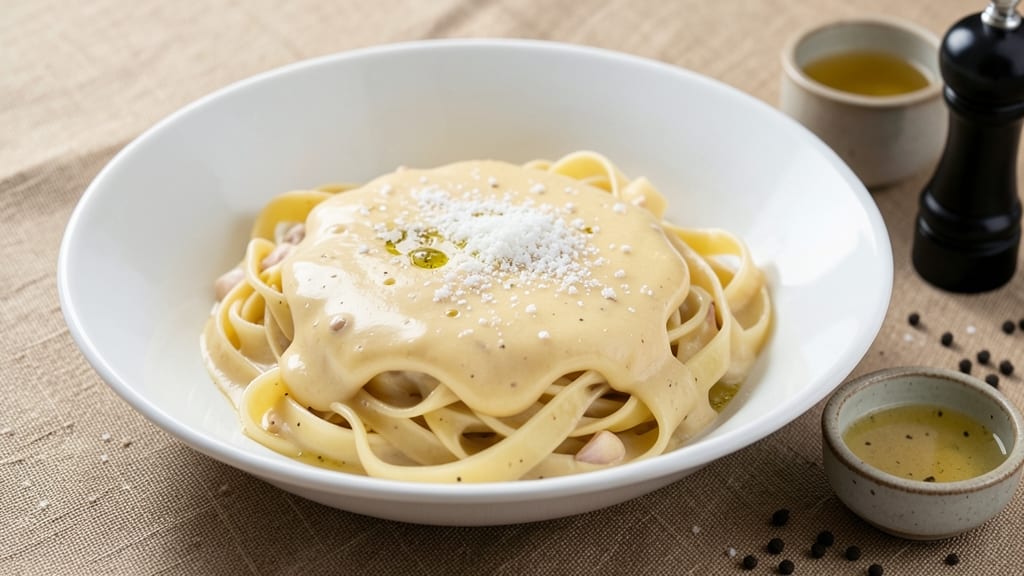
Alfredo sauce recipe with powdered parmesan cheese transforms creamy pasta nights with restaurant-quality smoothness in just 10 minutes. The secret lies in the powdered cheese—it dissolves completely without lumps, creating that signature velvety texture we all crave. I’ve perfected this method after years of testing, and it never fails to impress, even with picky eaters.
This recipe relies on three key ingredients: powdered parmesan, heavy cream, and a touch of butter. The powdered cheese eliminates the need for grating, saving time while delivering the same rich, nutty depth.
Garlic and black pepper add subtle layers of flavor, while a splash of pasta water ensures the sauce clings perfectly to every strand of fettuccine or penne.
What you’ll end up with is a silky, ultra-creamy sauce that coats pasta like a dream—no clumps, no grit, just pure, velvety goodness. The texture is so smooth it feels almost decadent, yet it comes together faster than store-bought versions.
This is the kind of sauce that turns a simple weeknight dinner into a cozy, restaurant-worthy meal.
Scalable for any portion, this alfredo works as a dipping sauce for breadsticks or as the star of your favorite pasta dish. Let’s make it—your taste buds will thank you.
Ingredients for alfredo sauce recipe with powdered parmesan cheese
The secret to ultra-smooth alfredo lies in these seven simple ingredients.
| Ingredient | Amount | Notes |
|---|---|---|
| Powdered Parmesan Cheese 🧀 | ½ cup | High-quality, lump-free preferred |
| Heavy Cream 🥛 | 1 ½ cups | Full-fat for best texture |
| Unsalted Butter 🧈 | ½ cup | Cold for smooth incorporation |
| Garlic Cloves 🧄 | 3 cloves | Minced for subtle flavor |
| Ground Black Pepper 🌶️ | ½ tsp | Freshly ground for best flavor |
| Pasta Water 💧 | ¼ cup | Starchy water for binding |
| Extra-Virgin Olive Oil 🫒 | 1 tbsp | For richness and balance |
The powdered Parmesan is the game-changer here—Kraft brand or Barilla powdered Parmesan are my go-tos, but any high-quality powder works. Skip the pre-grated stuff; it clumps like crazy. Heavy cream needs to be cold when you start, so pull it from the fridge right before using. The butter should be cold too—cut it into small cubes for easier melting. Garlic? Fresh is best, but if you're in a pinch, jarred minced works. Just taste it first—some brands have a metallic aftertaste.
No powdered Parmesan? Freshly grated Parmigiano-Reggiano works, but you'll need to melt it gently with the butter first. Heavy cream too rich? Swap half for whole milk or half-and-half—the sauce will still be creamy, just lighter. Out of olive oil? Butter or cream cheese can take its place, though the flavor shifts slightly. The pasta water is non-negotiable—it's what makes the sauce cling. If you forget to save some, a splash of milk or broth works in a bind, though it won't be quite as sticky.
This sauce keeps for 3-4 days in the fridge, though it's best used fresh. For leftovers, store it in an airtight container with a thin layer of plastic wrap pressed directly on the surface to prevent a skin from forming. Freezes beautifully for up to 3 months—just thaw in the fridge overnight. Pro tip: Make a double batch. The second day is even better as flavors meld. I always keep a small jar in the freezer for lazy nights when I just want restaurant-quality pasta without the fuss.
Why You'll Love This Recipe
- Here’s what sold me: the powdered Parmesan dissolves perfectly into the warm cream, no lumps, no stress. That rich, nutty depth? It’s like the sauce knows exactly what it’s doing—smooth as silk, every time.
- Five-Ingredient Magic: I swear by this recipe—no fancy techniques, just melt butter, simmer cream, and sprinkle that powdered Parmesan. The garlic hits just right, and the pepper adds this little kick that makes it taste homemade (even though it’s basically foolproof).
- Creamy Without Clumping: Here’s what sold me: the powdered Parmesan dissolves perfectly into the warm cream, no lumps, no stress. That rich, nutty depth? It’s like the sauce knows exactly what it’s doing—smooth as silk, every time.
- Weeknight to Date Night: Between us, this sauce works for everything—dump it on fettuccine for a lazy Tuesday, drizzle it over grilled chicken for a fancy-ish dinner, or even slather it on garlic bread when friends drop by. No judgment, no overthinking.
Step-by-step instructions for ultra-smooth alfredo sauce
Here's how to make creamy, lump-free alfredo sauce that clings perfectly to pasta.
Melt Butter and Infuse with Garlic
In a medium saucepan, melt the 0.5 cup unsalted butter over medium-low heat. I like to use a heavy-bottomed pan to prevent scorching. Once the butter has melted completely and starts to foam, add the 3 minced garlic cloves and stir constantly for 1-2 minutes until fragrant but not browned.
Watch the garlic closely—it burns quickly and turns bitter. You'll know it's ready when the pan smells wonderfully aromatic. Remove from heat immediately after the garlic is fragrant to preserve its delicate flavor. This step builds the flavor foundation for your sauce.
Gradually Incorporate Powdered Parmesan
Return the pan to medium-low heat and slowly whisk in the 0.5 cup powdered parmesan cheese over 1-2 minutes. Add it gradually to prevent clumping—think of it like dissolving sugar in hot tea. The powder should dissolve completely into the butter, creating a smooth, thick paste.
I stir continuously with a whisk, breaking up any lumps immediately. This is where the magic happens—the powdered cheese transforms into a velvety base. If you see any clumps forming, add a few drops of pasta water to help dissolve them completely. The sauce should now be thick and creamy, with no visible powder.
Warm the Heavy Cream
Reduce the heat to low and slowly pour in the 1.5 cups heavy cream while whisking constantly. The cream should warm gradually to prevent curdling. Let the mixture simmer gently for 3-4 minutes until it begins to thicken slightly.
This slow warming process is crucial—it allows the cream to incorporate smoothly without breaking. You'll see the sauce transform from a thin liquid to a thick, velvety consistency. Taste and adjust seasoning with the 0.5 teaspoon ground black pepper if needed. The sauce should be rich but not overly salty.
Finish with Olive Oil and Pasta Water
Remove the pan from heat and stir in the 1 tablespoon extra-virgin olive oil and 0.25 cup pasta water. The olive oil adds richness and helps balance the richness of the cream. The pasta water contains starch that will help the sauce cling perfectly to your noodles.
Return the pan to low heat and let the sauce simmer for another 1-2 minutes until it reaches your desired consistency. It should coat the back of a spoon smoothly. If it's too thick, add more pasta water 1 tablespoon at a time until it reaches a perfect coating consistency.
Keep Warm and Serve Immediately
Transfer the sauce to a clean saucepan or a heatproof bowl and keep it warm over low heat or in a thermos until ready to serve. The sauce should maintain its creamy texture but not boil—this would cause it to separate. Toss the sauce with cooked pasta immediately before serving.
For the best results, serve the alfredo sauce right away while it's hot. The sauce will continue to thicken slightly as it sits, so adjust the consistency just before serving if needed. This method ensures a perfectly smooth, creamy sauce that clings beautifully to every strand of pasta.
Pro Tips For Making Alfredo Sauce Recipe With Powdered Parmesan Cheese
- Bloom the Butter First: The powdered Parmesan needs fat to dissolve properly, so melt your butter over medium-low heat until it’s just starting to foam—about 2 minutes. Skipping this step means you’ll end up with gritty clumps instead of a silky sauce. (Yes, even if you’re impatient like me.)
- Minimize Garlic Burn: Crush your garlic cloves flat with the side of your knife before adding them to the butter. This exposes more surface area so they infuse flavor without turning bitter. I used to chop them and learned the hard way—burnt garlic ruins the whole dish.
- Whisk in the Powdered Cheese Slowly: Dumping all the powdered Parmesan at once creates lumps. Instead, sprinkle it in while whisking constantly, then let it sit for 30 seconds before adding the cream. This gives the cheese time to bloom properly, avoiding that chalky aftertaste.
- Finish with Cold Cream: Take your heavy cream straight from the fridge and stir it in at the very end over low heat. The cold cream cools the sauce slightly and prevents curdling, giving you that signature velvety texture. (Your future self will thank you.)
Regional styles of this dish
Classic Italian Style
In Italy, Alfredo sauce traditionally uses freshly grated Parmigiano-Reggiano and heavy cream, but powdered parmesan delivers the same rich flavor without the mess. Roman chefs often add a splash of white wine (about 1/4 cup) to deglaze the pan before incorporating the cream, adding depth.
The sauce is lighter than American versions, with just enough cream to coat pasta beautifully. 🍝
American Comfort Twist
Americanized Alfredo sauce often includes extra butter and cream for maximum richness, making it perfect for hearty dishes like fettuccine alfredo or chicken parmesan. Many recipes add cream cheese (about 2 oz) for extra thickness and tanginess.
The powdered parmesan makes this version foolproof—no clumps, just velvety smoothness that pairs perfectly with garlic bread.
Cajun-Inspired Spicy Alfredo
For a bold Southern twist, stir in 1/2 teaspoon Cajun seasoning or 1/4 teaspoon cayenne pepper after the sauce is complete. Add a pinch of smoked paprika for depth, and top with chopped green onions and crumbled bacon.
This version works amazingly with shrimp or chicken for a creamy, spicy fusion dish. 🌶️
Lighter Mediterranean Version
Swap heavy cream for Greek yogurt (about 1 cup) and add 1 tablespoon lemon juice for a tangy, lighter sauce. Use powdered feta cheese (about 1/4 cup) instead of parmesan for a Mediterranean touch.
This version pairs perfectly with grilled vegetables or whole wheat pasta for a balanced meal.
Vegetarian-Friendly Adaptation
For a plant-based version, replace butter with olive oil and use vegetable cream (like Silk brand) instead of heavy cream. Add nutritional yeast (about 2 tablespoons) for a cheesy flavor, and garlic powder for depth.
This sauce works beautifully with mushroom or spinach pasta for a satisfying vegetarian dish. 🌱
Gourmet Upgrade
Elevate your sauce with truffle oil (about 1/2 teaspoon) or white truffle paste (about 1/2 teaspoon) for a luxurious touch. Add a pinch of fresh nutmeg to enhance the parmesan flavor.
This version is perfect for special occasions and pairs beautifully with lobster or scallops for an elegant meal. ✨
Nutrition facts
Frequently asked questions
Why does powdered parmesan work better than grated for Alfredo sauce?
Powdered parmesan dissolves completely without lumps, creating that signature velvety texture. Grated cheese often leaves gritty bits, even when melted. The powder also blends faster with the cream and butter, saving time while delivering the same rich, nutty flavor.
Can I make this sauce without heavy cream for a lighter version?
Swap half the heavy cream for whole milk or half-and-half to cut calories while keeping richness. For extra creaminess, use Greek yogurt (1 cup) instead—it adds tanginess and thickens beautifully. Just reduce the butter slightly to balance the fat content.
What if my sauce gets too thick after cooking?
Simply stir in 1 tablespoon of pasta water at a time until you reach a smooth, coatable consistency. The starch in pasta water acts as a natural thickener, but it also helps thin the sauce when needed. Avoid adding milk or water directly—it can dilute the flavor.
How do I prevent the sauce from separating when reheating?
Keep the heat low and stir constantly to prevent curdling. If it starts to split, whisk in 1 tablespoon cold butter or a splash of heavy cream to restore smoothness. For leftovers, reheat only until warmed through—overheating is the #1 cause of separation.
What's the best pasta shape for this sauce?
Wide, flat noodles like fettuccine or tagliatelle work best—they create more surface area for the sauce to cling. For heartier dishes, try penne or rigatoni. Avoid thin strands like spaghetti unless you prefer a lighter coating.