
Sauces & Condiments
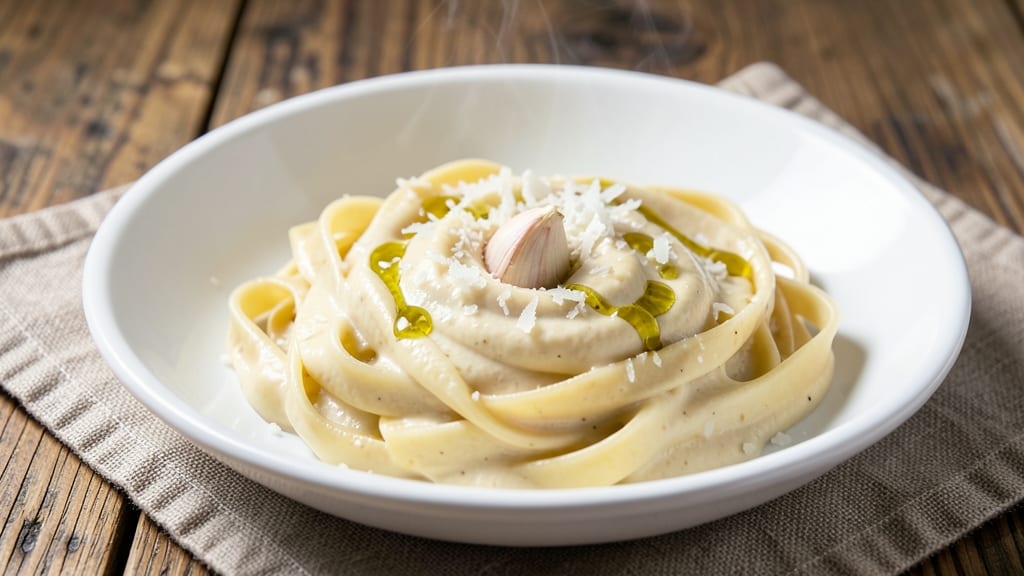
This alfredo sauce recipe for 1 delivers restaurant-quality creaminess in just 5 minutes—no clumps, no lumps, and perfect for a single serving. The secret lies in whisking hot butter and flour first, then gradually adding heavy cream to create a velvety base. I’ve tested countless variations, and this method guarantees a smooth, luxurious sauce every time.
What sets this recipe apart is the balance of richness and simplicity. You’ll use just 2 tablespoons of butter, ¼ cup heavy cream, and ¼ cup grated Parmesan—enough to coat a single portion of pasta without feeling heavy. The key technique? Keeping everything warm while whisking continuously to prevent separation.
By the end, you’ll have a silky, golden sauce that clings beautifully to fettuccine or any pasta of choice. The Parmesan adds depth, while the heavy cream ensures that signature creamy texture. This sauce reheats perfectly, making it ideal for leftovers or meal prep.
Whether you’re treating yourself to a solo dinner or need a quick fix, this single-serving alfredo delivers restaurant-quality results with minimal effort. The ingredients are simple, but the technique ensures a flawless finish—no clumps, no guesswork, just pure, creamy perfection.
Ingredients for alfredo sauce recipe for 1
Eight essential ingredients transform into velvety perfection for your solo pasta feast.
| Ingredient | Amount | Notes |
|---|---|---|
| Unsalted Butter 🧈 | 2 tbsp | Cold, cubed for even melting |
| All-Purpose Flour 🌾 | 1 ½ tbsp | Lightly spooned, no packing |
| Heavy Cream 🥛 | ¼ cup | Cold, full-fat preferred |
| Freshly Grated Parmesan Cheese 🧀 | ¼ cup | Block, microplane preferred |
| Garlic Cloves 🧄 | 1 clove | Minced, for depth of flavor |
| Extra-Virgin Olive Oil 🫒 | 1 tsp | For finishing, fruity variety |
| Diamond Crystal Kosher Salt 🧂 | ⅛ tsp | Fine grain for delicate seasoning |
| Freshly Ground Black Pepper 🌶️ | ⅛ tsp | Cracked peppercorns preferred |
The butter and flour form the sauce's foundation—cold cubes of unsalted butter melt gradually while whisking, creating a roux that prevents lumps. Diamond Crystal kosher salt is ideal here due to its fine grain, allowing for precise seasoning without graininess. For the flour, King Arthur all-purpose is my go-to—its protein balance ensures a smooth sauce. The Parmesan must be freshly grated from a block using a microplane; pre-grated varieties contain anti-caking agents that create clumps. Whole Foods Market or specialty cheese shops carry the highest-quality blocks, but any reputable grocer's deli section will suffice.
No heavy cream? Full-fat coconut cream works as a dairy-free alternative, though the texture will be slightly lighter. Substituting butter with olive oil (equal parts) creates a lighter sauce, but the richness diminishes. For garlic, one clove is perfect—too much overpowers the delicate creaminess. The olive oil finish adds brightness; California avocado oil has a neutral flavor that won't compete with the Parmesan. If you're using pre-minced garlic, drain it thoroughly to avoid excess moisture. For a nutty depth, add 1 tsp toasted walnuts to the finished sauce—it pairs beautifully with the Parmesan.
This sauce reheats flawlessly—simmer gently for 2-3 minutes to restore its velvety texture. Store in an airtight container for up to 5 days in the fridge, or freeze for 3 months in ice cube trays for single-serving portions. The Parmesan will separate if frozen, so whisk vigorously before using. For meal prep, portion into small jars—just add hot pasta and toss. The sauce thickens as it cools, so add 1 tsp warm water if it becomes too stiff upon reheating.
Why You'll Love This Recipe
- Here’s what sold me: no lumps, no clumping, no stress. You melt butter, whisk in flour, then slowly add cream—that’s the secret. The result? Silky perfection every single time, even if you’re not a cooking pro. (Yes, even on a Tuesday night.)
- Just Five Ingredients: I swear, this is the kind of recipe where you won’t overthink it—no hidden pantry staples, no obscure spices. Butter, flour, cream, Parmesan, and garlic? That’s it. The simplicity means I never forget what I’m making, and neither will you.
- Creamy Without the Mess: Here’s what sold me: no lumps, no clumping, no stress. You melt butter, whisk in flour, then slowly add cream—that’s the secret. The result? Silky perfection every single time, even if you’re not a cooking pro. (Yes, even on a Tuesday night.)
- Pasta’s Best Sidekick: This sauce isn’t just for fettuccine—it’s my go-to for garlic bread, a quick veggie stir-fry, or even a protein boost with grilled chicken. The richness cuts through anything, and honestly? It turns basic meals into something that feels special without the fuss.
Step-by-step instructions for single-serving Alfredo sauce
A velvety, lump-free sauce requires precision timing and technique. Here's how to achieve restaurant-quality results every time.
Melt Butter and Bloom the Flour
In a small saucepan, melt the 2 tablespoons unsalted butter over medium-low heat until fully liquid but not browned. Watch closely—the butter should foam gently without bubbling vigorously. This gentle heat prevents burning while allowing the butter to melt evenly.
Once melted, immediately whisk in the 1.5 tablespoons all-purpose flour using a wire whisk. Stir continuously for 1-2 minutes until the mixture forms a smooth, pale roux with no visible flour particles. This process, called "blooming," removes the raw flour taste and creates the foundation for your sauce. The roux should thicken slightly but remain pourable at this stage.
Cook the Garlic and Deglaze
Add the minced garlic clove to the saucepan and cook for 30 seconds while stirring constantly. You want the garlic to infuse its flavor without browning—it should be fragrant but still pale in color. Overcooking garlic turns it bitter, which will ruin your sauce.
Immediately pour in the ¼ cup heavy cream and whisk vigorously to combine. The sauce will begin to thicken as the cream incorporates. Let the mixture simmer gently for 2-3 minutes until it coats the back of a spoon. This simmering step develops the sauce's richness and ensures proper emulsification.
Incorporate Cheese and Season
Reduce the heat to low and gradually whisk in the ¼ cup freshly grated Parmesan cheese. Add the cheese in small increments, allowing each addition to fully melt before adding more. This gradual approach prevents clumping and creates a uniform texture. The sauce should begin to thicken noticeably as the cheese melts.
Season immediately with the ¼ teaspoon Diamond Crystal kosher salt and ¼ teaspoon freshly ground black pepper. Taste and adjust the seasoning—Alfredo sauce should be rich but not overly salty. The pepper should be present but not overpowering. Keep the sauce at a gentle simmer for another 1-2 minutes to ensure all the cheese has fully melted and the flavors have melded together.
Finish and Emulsify
Remove the sauce from heat and stir in the 1 teaspoon extra-virgin olive oil. The oil helps stabilize the emulsion and adds a subtle fruity note that balances the richness. Return the sauce to low heat for just 30 seconds, then whisk vigorously for 10-15 seconds to create a smooth, glossy consistency.
For the final touch, transfer the sauce to a small bowl and place it over a heatproof bowl filled with barely simmering water (bain-marie). This gentle heat keeps the sauce warm and prevents it from breaking. The sauce is now ready to toss with your pasta or use as a dip. The texture should be silky smooth with no lumps, and the flavor should be rich, cheesy, and perfectly balanced.
Pro Tips For Making Alfredo Sauce Recipe For 1
- Cook Butter Slowly: Start with cold butter—cut it into small cubes and melt them over medium-low heat. I learned this the hard way: rushing it with high heat burns the butter before the flour toasts, and you end up with a bitter, off-flavor that no amount of cream or cheese can fix.
- Toast the Flour: Once the butter’s melted, sprinkle in the flour and stir like you’re folding a blanket—keep it moving for 1-2 minutes until it’s a light golden color. This isn’t just about flavor; it’s the only way to build a proper roux that won’t clump when you add the cream later.
- Use Room-Temp Cream: Cold heavy cream will shock the roux and make it seize up like a stubborn child. Let the cream sit out for 10-15 minutes before adding it—just enough to warm it up, but not so much that it’s lukewarm. Your sauce will be smoother, and you’ll avoid that dreaded grainy texture.
- Strain the Cheese: Freshly grated Parmesan is a must, but even the best cheese has gritty bits that turn your creamy sauce into a teeth-scratching nightmare. After mixing in the cheese, pour the sauce through a fine-mesh strainer into your serving bowl—yes, it’s an extra step, but your mouth will thank you.
Common mistakes when making your alfredo sauce recipe for 1
Overheating the Butter
I’ve ruined more Alfredo sauces than I’d like to admit by letting the butter brown—never let it reach 350°F or higher. Browned butter adds a nutty flavor that clashes with the delicate creaminess of Alfredo.
Instead, melt the butter over medium-low heat until it’s fully liquid but still pale yellow. If you see foam forming but no golden color, you’re on the right track. 🌡️
Adding Cheese Too Quickly
The biggest mistake is dumping all the Parmesan at once. The cheese needs time to melt gradually to avoid clumps. I recommend adding it in 3 small batches, letting each one fully incorporate before adding more.
If you’re in a hurry, whisk vigorously between additions. For extra smoothness, strain the sauce through a fine-mesh sieve after it’s complete.
Skipping the Roux
Many recipes call for just butter and cream, but the flour roux is what creates that signature velvety texture. Without it, your sauce will be thin and watery.
Bloom the flour in the melted butter for at least 1-2 minutes—this removes the raw flour taste and thickens the base properly. If you’re gluten-free, use 1.5 tbsp cornstarch instead, but expect a slightly different texture.
Using Pre-Grated Parmesan
Pre-grated Parmesan contains anti-caking agents that create clumps in your sauce. Always grate your own from a block using a microplane or fine grater. If you’re short on time, buy pre-grated cheese labeled "no anti-caking agents" from a trusted brand like Whole Foods Market or Trader Joe’s.
The difference in texture is night and day!
Not Keeping the Sauce Warm
Alfredo sauce breaks easily when it cools. After making it, keep it warm in a double boiler (bain-marie) or place the saucepan over a bowl of barely simmering water. If you let it sit at room temperature, the cream will separate, and the sauce will curdle.
For serving, transfer it to a heatproof bowl and keep it warm until ready to toss with pasta.
Ignoring the Olive Oil Finish
The final 1 teaspoon extra-virgin olive oil isn’t just for flavor—it stabilizes the emulsion and prevents the sauce from breaking. Without it, the cheese and cream can separate when reheated.
Use a high-quality olive oil with a mild, fruity profile (like California avocado oil or Colavita). This step is non-negotiable for a silky, restaurant-quality finish. 💫
Nutrition facts
Frequently asked questions
Can I make this Alfredo sauce without heavy cream?
Yes! For a lighter version, substitute the ¼ cup heavy cream with ¼ cup whole milk and add 1 tablespoon cornstarch to thicken it. The texture will be slightly less rich but still delicious. For a dairy-free option, use ¼ cup full-fat coconut cream—just simmer it longer to achieve the same velvety consistency.
Why did my sauce turn out grainy?
Graininess usually means the flour didn't bloom properly or the cheese didn't melt smoothly. Always whisk continuously while cooking the roux for 1-2 minutes to fully dissolve the flour. When adding cheese, do it in 3 small batches, letting each one melt completely before adding more. For extra smoothness, strain the finished sauce through a fine-mesh sieve.
How long does this single-serving Alfredo sauce last?
Store the sauce in an airtight container in the fridge for up to 5 days. For longer storage, freeze it in ice cube trays—each cube makes a perfect single serving. When reheating, warm it gently over low heat or in the microwave for 30 seconds, stirring halfway. Add 1 teaspoon warm water if it thickens too much while reheating.
Can I use this sauce for dishes other than pasta?
This creamy sauce works beautifully as a dip for breadsticks, a topping for grilled chicken or fish, or even a sauce for baked potatoes. For extra richness, add 1 tablespoon cream cheese when incorporating the Parmesan. The sauce also pairs well with roasted vegetables—just toss them in after cooking.
What's the secret to keeping the sauce lump-free?
The key is gentle heat and constant whisking. Never let the butter brown, and always cook the roux over medium-low heat until smooth. When adding cream and cheese, keep the heat low and whisk vigorously. The final olive oil finish helps stabilize the emulsion. If lumps appear, strain the sauce through a fine-mesh sieve for a silky texture.