
Sauces & Condiments
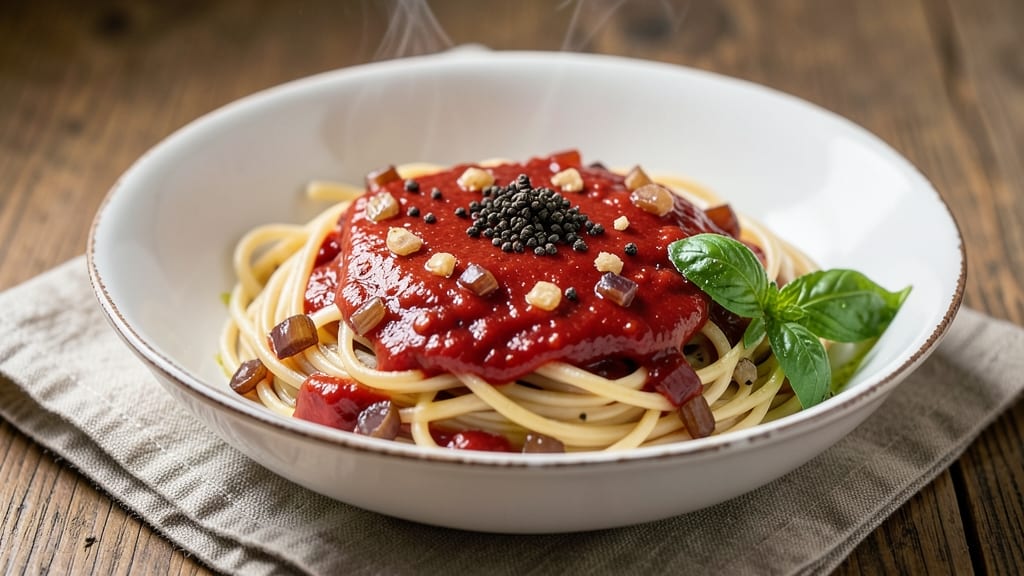
Arabiata sauce transforms simple weeknight meals into bold, restaurant-worthy dishes with its signature smoky tomato heat and celery salt crunch. This recipe delivers a perfectly balanced sauce—smooth yet vibrant—where sweet tomatoes, fiery chili, and aromatic herbs meld into a velvety base. The secret lies in slow simmering, which develops deep, complex flavors without overpowering the natural brightness of the ingredients.
What sets this sauce apart is the celery salt finishing touch, which adds a subtle, crisp contrast to the rich tomato base.
Unlike traditional marinara, arabiata sauce incorporates smoked paprika and a touch of vinegar for tang, creating a profile that pairs beautifully with pasta, grilled meats, or even as a dipping sauce.
The process is straightforward but requires patience—simmering until the sauce thickens just right ensures every bite delivers that perfect balance of heat and depth.
This sauce is incredibly versatile, working as a marinade, a pasta sauce, or a topping for roasted vegetables. For a vegetarian twist, simply omit the meat and add extra mushrooms or spinach.
The key to success is letting the flavors develop fully, so resist the urge to rush the simmering process. Once you taste the result—smooth, smoky, and just spicy enough—you’ll never reach for store-bought again.
The best part? This sauce keeps well in the fridge for up to a week, making it perfect for meal prep. Double the batch and store it for future dinners, or freeze portions for quick, flavorful meals on busy nights.
Whether you're serving it over al dente spaghetti or drizzling it over grilled chicken, this arabiata sauce will elevate your dishes effortlessly.
Ingredients for arabiata sauce
Nine simple ingredients create this restaurant-worthy sauce with smoky depth and perfect crunch.
| Ingredient | Amount | Notes |
|---|---|---|
| Extra-Virgin Olive Oil 🫒 | ½ cup | High quality, fruity preferred |
| Yellow Onion 🧅 | 1 whole | Medium size, finely chopped |
| Garlic Cloves 🧄 | 4 cloves | Peeled, minced for depth |
| Canned San Marzano Tomatoes 🍅 | 28 oz | Crushed, high quality |
| Smoked Paprika 🌶️ | 2 tsp | For signature smoky flavor |
| Dried Oregano 🍃 | 1 tsp | Italian variety preferred |
| Red Chili Flakes 🔥 | 1 tsp | Adjust for heat preference |
| White Wine Vinegar 🍷 | 1 tbsp | For bright acidity |
| Celery Salt 🧂 | 1 tsp | Finishing touch for crunch |
| Sea Salt 🧂 | 1 tsp | Adjust to taste |
The tomatoes are non-negotiable—San Marzano delivers the sweetness and acidity this sauce needs. Grab a can from Trader Joe's or Whole Foods for the best quality; the crushed version saves time. Smoked paprika is the secret weapon here—Penzeys or the bulk section at grocery stores have the best options. Look for vibrant red color and no clumping. The celery salt might sound odd, but it's what gives arabiata its signature crunch—Lawry's is my go-to brand, but any good quality celery salt will work. Fresh garlic and onion are worth the extra minute to chop finely for maximum flavor development.
No smoked paprika? Regular paprika plus a pinch of liquid smoke gets you close. White wine vinegar missing? Apple cider vinegar works too—just use the same amount. Dried oregano not Italian? Mexican oregano at half the amount adds a different depth. The red chili flakes can be swapped for cayenne pepper, but taste first—it's stronger. For a vegetarian version, skip the meat entirely and add mushrooms or spinach to bulk up the sauce. The olive oil matters too—use something you'd drizzle on bread, not the cheap stuff for frying.
This sauce tastes even better the next day once the flavors meld. Store in an airtight container in the fridge for up to 7 days, or freeze for 6 months. I always double the batch—one for dinner, one for leftovers. The celery salt keeps for 12 months unopened, so buy extra. When reheating, add a splash of water to restore the silky texture. Perfect for meal prep—just grab and toss with pasta or drizzle over grilled veggies.
Why You'll Love This Recipe
- Pantry Magic: That smoked paprika and San Marzano tomatoes? Pure flavor without hunting for exotic ingredients. I swear by this combo—it’s the kind of sauce that turns a simple weeknight into a "who knew?" moment.
- One-Pot Wonder: Sauté onion and garlic in olive oil, add tomatoes, and let it simmer. That’s it. No blenders, no straining, no mess—just 20 minutes of hands-off magic while you stir in that paprika for a smoky kick.
- Leftovers That Shine: Make a double batch and freeze half. Thaw it later for pasta, grilled chicken, or even eggs—it’s my secret for turning Tuesday dinners into something special without extra effort.
- Budget-Friendly Flex: Canned tomatoes and olive oil stretch this sauce far. Serve it over rice for a cheap, filling meal, or drizzle it on toast for a fancy brunch. Honestly, it’s the kind of recipe that makes grocery shopping feel less stressful.
Step-by-step instructions for arabiata sauce
This smoky, spicy tomato sauce comes together faster than you'd think—just follow the heat!
Sauté Onion and Garlic in Olive Oil
Heat the 0.5 cup extra-virgin olive oil in a large saucepan over medium heat. Add the finely chopped yellow onion and cook for 5-6 minutes until softened and translucent. This step builds the sauce's sweet base—don't rush it or the onion will burn.
Stir in the 4 minced garlic cloves and cook for another 30 seconds until fragrant. You'll smell that sweet garlic aroma—this is your signal the aromatics are ready. If the garlic starts to brown too quickly, reduce the heat slightly to prevent bitterness. The garlic should be golden but not crispy at this stage.
Add Spices and Tomatoes
Increase the heat to medium-high and add the 2 teaspoons smoked paprika, 1 teaspoon dried oregano, and 1 teaspoon red chili flakes. Stir constantly for 30 seconds to toast the spices—they'll release their aromatic oils and deepen the sauce's smoky character.
Pour in the 28 ounces crushed San Marzano tomatoes and the 1 tablespoon white wine vinegar. Stir well to combine, then reduce the heat to medium-low. Let the sauce simmer uncovered for 20 minutes, stirring occasionally. You're looking for a thickened sauce with a glossy sheen—this indicates the tomatoes have broken down and released their natural juices.
Season and Simmer to Perfection
Taste the sauce and adjust the seasoning with 1 teaspoon sea salt and an additional 1 teaspoon celery salt if needed. The celery salt adds a subtle crunchy texture that balances the sauce's richness—this is what makes Arabiata truly special. Simmer for another 10-15 minutes until the sauce reaches your desired consistency.
For a smoother texture, use an immersion blender to lightly blend the sauce while it simmers. If you prefer a chunkier sauce, skip blending and let it reduce naturally. The sauce should coat the back of a spoon but still be pourable. This is your perfect Arabiata—smoky, spicy, and perfectly balanced.
Finish and Serve
Remove the sauce from heat and let it rest for 5 minutes. This resting period allows the flavors to meld together and the sauce to thicken slightly. Taste again and adjust seasoning if needed—sometimes the flavors develop more after resting.
Serve the Arabiata immediately over pasta, drizzled with a little more extra-virgin olive oil, or use it as a base for other Italian dishes. The sauce keeps well in the refrigerator for up to 5 days—just reheat gently on the stove before serving. This sauce is the heart of any Italian meal, packed with smoky heat and bright acidity that'll make your taste buds dance!
Pro Tips For Making Arabiata Sauce
- Sweat, Don’t Burn the Onion: Start with medium heat and let that onion caramelize slowly—no need to rush. I used to crank the burner too high and end up with bitter, browned bits instead of sweet, golden fond. A damp paper towel pressed on the pan helps if it starts to stick.
- Crush the Garlic: Mince those garlic cloves fine—no whole cloves or rough chopping. I learned this after tasting a sauce where the garlic chunks sat like little flavor bombs. A flat of garlic pressed into the oil before adding onions releases aroma instantly and blends smoother.
- Simmer, Don’t Boil the Tomatoes: Once the tomatoes hit the pan, keep the heat low enough that tiny bubbles just break the surface—no rolling boil. Boiling turns the sauce watery and dull, and you’ll end up with a sad, thin paste instead of rich, concentrated flavor.
- Toast the Paprika Separately: Bloom the smoked paprika in oil for 30 seconds before adding anything else—it deepens the smoky notes. I skipped this once and the sauce tasted flat; now I treat it like a spice rub, letting it sizzle until fragrant before stirring in the onions.
Perfect pairings for this recipe
Pasta Pairings
Arabiata sauce shines brightest with al dente spaghetti or linguine, where its smoky depth clings perfectly to the strands. I like to toss 8 ounces of cooked pasta with 1.5 cups of sauce and finish with a drizzle of extra-virgin olive oil and fresh basil.
For extra texture, add toasted pine nuts or crispy pancetta—the fat contrasts beautifully with the sauce's tang. 🍝
Try it with bucatini for a rustic feel or fettuccine for a more elegant presentation. The wider noodles soak up the sauce's richness while keeping their bite. For a heartier dish, serve over rigatoni or penne and top with grilled chicken or shrimp—the protein balances the sauce's heat.
Protein Pairings
This sauce isn’t just for pasta—it’s a grilling game-changer. Brush chicken breasts or shrimp skewers with the sauce before cooking, then broil for 3-4 minutes to caramelize the edges. The smoky paprika and chili flakes create a sticky, flavorful crust that’ll have everyone asking for seconds. 🍗
For beef lovers, use it as a marinade for sirloin steaks or ribs. Let the meat sit in the sauce for at least 2 hours before grilling—this infuses deep flavor.
Pair with roasted potatoes or a simple arugula salad to cut through the richness. The sauce also works as a dipping sauce for calamari or mozzarella sticks at parties.
Vegetable Boosters
Add sautéed mushrooms or roasted bell peppers to bulk up the sauce for vegetarians. I like to toss 1 cup of cremini mushrooms in 1 tablespoon olive oil until golden, then stir them into the sauce at the end.
For extra brightness, fold in spinach or kale—they wilt into the sauce in just 2 minutes. 🥦
Roasted zucchini or eggplant also pair well—their caramelized edges add texture. For a Mediterranean twist, stir in artichoke hearts or sun-dried tomatoes. These ingredients not only enhance the sauce but also make it more substantial for a vegetarian meal.
Bread and Dips
Use leftover sauce as a dip for garlic bread or bruschetta. Toast baguette slices, rub with a garlic clove, and drizzle with warmed sauce. The crusty bread soaks up the sauce perfectly, making it a great appetizer. 🥖
Spread it on fresh ciabatta or focaccia for an open-faced sandwich. Top with mozzarella and basil, then broil for 2 minutes for a quick, flavorful meal. The sauce’s smoky heat pairs beautifully with the bread’s soft texture—it’s like a mini Italian feast in every bite.
Nutrition facts
Frequently asked questions
Why does arabiata sauce have celery salt?
The celery salt is the signature touch that sets arabiata apart from other tomato sauces. It adds a subtle, crisp contrast to the rich, smoky tomato base, balancing the heat from the chili flakes. Think of it as a textural and flavor bridge—it enhances the sauce's complexity without overpowering it.
Can I make arabiata sauce without smoked paprika?
Yes, but you'll lose that signature smoky depth. For a substitute, mix 1 teaspoon regular paprika with ½ teaspoon liquid smoke. Toast the paprika first to deepen its flavor. If you're avoiding smoked flavors entirely, add an extra pinch of cayenne for heat instead.
How spicy should arabiata sauce be?
The heat level depends on your preference, but traditional arabiata has a moderate kick from the chili flakes. Start with 1 teaspoon and adjust—add more if you love heat, or reduce to ½ teaspoon for a milder sauce. Taste as you simmer to perfect the balance between smoky and spicy.
What's the best way to store leftover arabiata sauce?
Let the sauce cool completely, then transfer it to an airtight container. It keeps in the fridge for up to 7 days or freezes for 6 months. When reheating, add a splash of water or pasta water to restore its silky texture—never microwave it directly from frozen.
Can I use fresh tomatoes instead of canned?
Fresh tomatoes work, but they require more prep and won't give the same consistent results. If using fresh, peel and crush 4-5 large tomatoes (about 2 cups total), then simmer for 30-40 minutes longer to break down their skins and release juices. Canned San Marzano tomatoes are ideal—they're sweeter and more acidic, which is key for arabiata.