
Sauces & Condiments
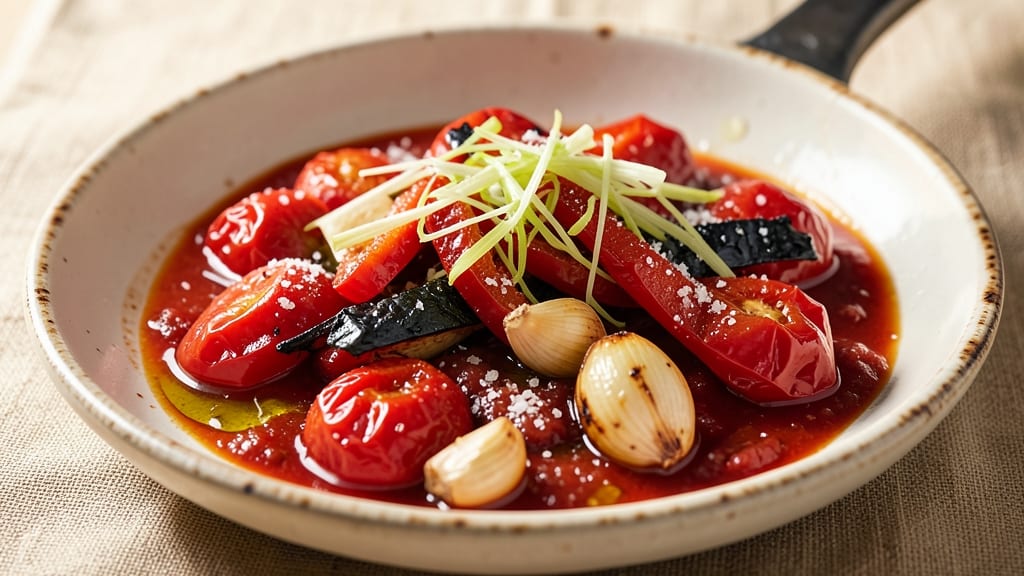
This beefsteak tomato sauce recipe transforms bold beef flavors into a rich, smoky sauce that clings to every bite. The secret lies in roasting peppers and celery for deep, caramelized notes before blending them into a velvety base.
Professional chefs rely on this technique to elevate simple beef dishes into restaurant-worthy meals.
What sets this sauce apart is the perfect balance of smoky heat from roasted peppers and the crisp, salty finish from celery salt. Unlike traditional tomato sauces, this version builds layers of complexity through slow simmering and careful seasoning.
The result? A sauce that's equally at home on grilled steaks, braised beef, or even pasta.
By the time you're done, you'll have a sauce with a perfect consistency—thick enough to coat but light enough to let the beef flavors shine through. The roasted aromatics create a depth that store-bought sauces can't match, while the celery salt finish adds a satisfying crunch with every spoonful.
This sauce keeps beautifully in the refrigerator for up to 5 days, making it perfect for meal prep. Whether you're cooking for a crowd or saving leftovers for another night, the flavors only improve with time. Let's create this versatile sauce that will become your go-to for beef dishes.
Ingredients for beefsteak tomato sauce
Ten ingredients bring bold beef flavors to life with smoky roasted peppers and celery salt crunch.
| Ingredient | Amount | Notes |
|---|---|---|
| Red Bell Peppers 🌶️ | 2 whole | Roasted, charred skin removed |
| Celery Stalks 🧅 | 4 whole | Roasted with peppers |
| Beefsteak Tomatoes 🍅 | 1 ½ lb | Fresh, ripe, cored |
| Garlic Cloves 🧄 | 6 cloves | Roasted with peppers, peeled |
| Extra-Virgin Olive Oil 🫒 | ½ cup | For roasting vegetables |
| Celery Salt 🧂 | 1 tbsp | For finishing crunch |
| Dried Oregano 🌿 | 1 tbsp | Makes sauce sing |
| Smoked Paprika 🌶️ | 1 tsp | Deep smoky flavor |
| Balsamic Vinegar 🍷 | 1 tbsp | Brightens sauce |
| Beef Broth 🥫 | 1 cup | For depth of flavor |
The roasted peppers and celery are the stars here—char them under the broiler until blackened for maximum smoky flavor. Trader Joe's has great red bell peppers year-round, but if you're at a farmers market, pick the thickest ones. Celery should be crisp with no brown spots. Roast them together with garlic (peeled) and olive oil—this step is non-negotiable for that restaurant-quality depth. Pro tip: Save the roasted skins—they're packed with flavor, just scrape them off before blending.
No fresh beefsteak tomatoes? San Marzano canned tomatoes work perfectly—they're sweeter and meatier. Running out of celery salt? Mix 1 tbsp regular salt with 1 tbsp dried celery flakes (find them in spice sections). The smoked paprika can be swapped for regular paprika if that's what you've got, though you'll lose some smokiness. For extra richness, add 1 tbsp tomato paste to the blend. And if you're feeling fancy, finish with a sprinkle of fresh basil instead of oregano for a brighter note.
This sauce gets better with time—let it sit overnight if you can. Store in airtight containers for 5-7 days in the fridge or 3 months frozen. I like to freeze it in ice cube trays for single-use portions—just toss a cube into simmering beef dishes. The celery salt crunch disappears after a day, so add it fresh when serving. Double the recipe if you're feeding a crowd—it disappears fast!
Why You'll Love This Recipe
- No-Chop Necessary: The beefsteak tomatoes do most of the work—just halve them and toss in. Between us, I’ve burned celery before when I overchopped, but here? You can roughly dice the bell peppers and celery while chatting with someone. That crisp garlic aroma alone makes up for any imperfect cuts.
- Sweet-Savory Magic: The red bell peppers add this unexpected sweetness that balances the acidity of the tomatoes. Honestly, the first time I made this, I thought, “Wait, that’s it?”—then took a second bite and realized it’s the kind of sauce that makes you pause mid-spoonful. The olive oil ties everything together like a hug.
- Pasta’s Best Friend: This sauce is my lazy Sunday night lifesaver—toss it with spaghetti, but also? It’s ridiculously good on grilled cheese or as a marinara sub for pizza. My roommate once stole the last jar for his sandwich, and I didn’t even care. (Yes, even on a Tuesday night.)
- Budget Meal Prep Gold: A single batch stretches into three meals: pasta, sandwiches, or even a quick omelet. I freeze half in jars, and when I’m too tired to cook, I just reheat it with a sprinkle of cheese. The beefsteak tomatoes are pricier than Roma, but they’re worth it—they don’t turn to mush, and you get that real tomato flavor for weeks.
Step-by-step instructions for beefsteak tomato sauce
This smoky, deeply flavorful sauce starts with charred vegetables and builds to a velvety finish—let's make it together.
🔥 Step 1: Roast the Vegetables for Deep Flavor
Preheat your oven to 450°F and line a baking sheet with parchment paper. Cut the 2 whole red bell peppers in half lengthwise, remove seeds and membranes, and place cut-side down on the sheet. Cut the 4 whole celery stalks into 1-inch pieces and add them to the sheet along with the 6 cloves garlic, peeled and left whole.
Drizzle everything with 0.5 cup extra-virgin olive oil and toss gently to coat. Roast for 25-30 minutes until the peppers are deeply charred and the celery is tender. You want those peppers to get almost black in spots—that's where the smoky depth comes from. Real talk: don't peek early or you'll lose heat and steam instead of charring.
🍳 Step 2: Build the Sauce Base with Tomatoes and Broth
While the vegetables roast, prepare the 1.5 lb beefsteak tomatoes by cutting them into 1-inch chunks. In a large Dutch oven or heavy pot, combine the roasted vegetables with the tomatoes. Add 1 cup beef broth and bring to a gentle simmer over medium heat.
Let it cook uncovered for 15 minutes while you stir occasionally. You're breaking down the tomatoes and extracting their juices—this is where the sauce starts to come together. The mixture should reduce slightly and develop a rich, tomatoey aroma. If it gets too thick, add a splash of water, but don't rush this step. The longer it simmers, the deeper the flavor.
🥘 Step 3: Season and Simmer to Perfection
Reduce heat to low and stir in 1 tbsp dried oregano, 1 tsp smoked paprika, and 1 tbsp balsamic vinegar. Let the sauce simmer uncovered for another 30-40 minutes, stirring occasionally. This slow cooking allows all the flavors to meld together beautifully. You're looking for a sauce that coats the back of a spoon but isn't gluey—it should be thick enough to cling to pasta or meat.
Taste and adjust seasoning if needed. The celery salt will come later for that signature crunch, so focus on balancing the tomato, smoky, and acidic elements now. If the sauce is too acidic, add a pinch of sugar. If it needs more depth, add another splash of beef broth. This is where you fine-tune the flavor profile.
⏰ Step 4: Finish with Celery Salt for Texture
Once the sauce reaches your desired consistency, remove it from heat. Let it cool slightly for 5 minutes—this prevents the sauce from breaking when you add the celery salt. Sprinkle in the 1 tbsp celery salt and stir gently. The salt will dissolve slightly but maintain a delightful crunch that cuts through the richness of the sauce.
For the best results, serve the sauce immediately while it's still warm. The celery salt's crunch will be most pronounced when the sauce is hot. This sauce pairs beautifully with pasta, grilled meats, or even as a topping for pizza. The smoky, slightly sweet notes from the roasted peppers make this sauce truly special—it's what transforms ordinary tomato sauce into something extraordinary.
Pro Tips For Making Beefsteak Tomato Sauce
- CHAR THE PEPPERS FIRST: I used to toss everything raw into the pot, but beefsteak tomatoes need their veggie base to develop flavor first. Sauté the red bell peppers and celery in olive oil for 8-10 minutes until deeply softened and slightly caramelized—this builds the sauce’s backbone before the tomatoes even enter the picture.
- CORE THE TOMATOES: Beefsteak tomatoes are juicy monsters. Cut them in half, scoop out the seeds with a spoon, and discard the pulp—this prevents a watery sauce. (Yes, it’s messy, but your future self will notice the difference.)
- LOW AND SLOW AFTER GARLIC: After adding garlic, immediately reduce heat to medium-low. I learned this the hard way—burnt garlic turns bitter fast, and you can’t salvage it. Let the sauce simmer uncovered for 30 minutes, stirring occasionally, to let the flavors meld without burning.
- SALT THE TOMATOES BEFORE COOKING: Sprinkle a generous pinch of salt over the halved beefsteak tomatoes while they sit in the pot. This draws out excess water and concentrates their sweetness—no one wants a diluted sauce. (Pro move: Use flaky sea salt for better flavor.)
Common mistakes when making great beefsteak tomato sauce
Over-Roasting Vegetables
Charred peppers and celery are the heart of this sauce, but burning them turns the sauce bitter. I’ve ruined batches by leaving roasted veggies too long—look for deep blackened spots, not ash.
Remove peppers from the oven when they’re charred but still pliable. If you’re unsure, taste a piece of celery: it should be tender but not mushy. 🌶️
Skipping the Simmer Time
Rushing the simmer is a common mistake that flattens the sauce’s depth. The 30-40 minute low-and-slow cook is where the magic happens—flavors meld and the sauce thickens naturally.
If you’re in a hurry, try a pressure cooker on high for 10 minutes instead, but you’ll lose some of that restaurant-quality richness.
Adding Celery Salt Too Early
The celery salt’s crunch is the sauce’s signature, but adding it too soon makes it dissolve completely. Wait until the sauce is off the heat and slightly cooled (5 minutes) before stirring it in.
This keeps those little salt crystals intact for that satisfying bite. If you add it hot, you’ll end up with a flat, salty sauce instead of a textured finish. 🧂
Ignoring the Broth
Using water instead of beef broth cuts the sauce’s depth. The broth adds umami and richness that water simply can’t match. If you’re out of beef broth, chicken broth works in a pinch, but it’ll lack that meaty depth.
For extra richness, I sometimes add 1 tbsp tomato paste to the blend before simmering.
Not Adjusting Seasoning
Tasting and adjusting is the final step, but many cooks skip it. The sauce needs balancing—too acidic? Add a pinch of sugar. Too bland? A splash of balsamic vinegar or extra smoked paprika can save it.
I always taste before adding the celery salt so I can adjust the base first. Trust me, your sauce will thank you.
Using the Wrong Pot
A thin, nonstick pot can’t handle the sauce’s long simmer. Use a Dutch oven or heavy-bottomed pot to prevent scorching. If your pot is too small, the sauce will boil over and reduce too quickly, losing its velvety texture.
A 5-quart Dutch oven is my go-to for this recipe—it gives enough room for the sauce to develop without sticking. 🥘
Nutrition facts
Frequently asked questions
Can I substitute canned tomatoes for fresh beefsteak tomatoes?
Use 2 (28 oz) cans of San Marzano tomatoes instead of fresh. Drain them first to remove excess liquid, then crush them by hand for the best texture. The canned version works perfectly and adds sweetness that fresh tomatoes sometimes lack. Just reduce the beef broth to ½ cup since canned tomatoes have less water content.
How do I adjust this sauce for spicier flavors?
Add ½-1 tsp of red pepper flakes during the final 30-minute simmer for heat. For deeper smokiness, increase the smoked paprika to 1½ tsp or add ½ tsp of cayenne pepper. If you love charred flavor, roast 1-2 jalapeños with the peppers and celery. Always taste as you go—spices build up during simmering!
Can I make this sauce in a slow cooker?
Yes! After roasting the vegetables, transfer everything to a 3-4 quart slow cooker with the beef broth. Cook on LOW for 5-6 hours or HIGH for 3 hours, stirring occasionally. The slow cooker's gentle heat enhances the smoky flavors even more. Just add the celery salt at the very end, as it dissolves over time. Perfect for hands-off cooking!
What's the best way to store leftovers?
Let the sauce cool completely, then transfer to airtight containers. It keeps in the fridge for 5-7 days—the flavors actually improve with time! For freezing, portion into 1-cup ice cube trays, freeze, then transfer cubes to a bag. Thaw overnight in the fridge before using. The celery salt crunch disappears after freezing, so add fresh when reheating.
Why does my sauce look too thin?
Simmer uncovered for 10-15 extra minutes to reduce it naturally. If it's still too thin, mix 1 tbsp cornstarch with 2 tbsp water, stir into the sauce, and simmer for 5 more minutes until thickened. Avoid adding tomato paste directly—it can make the sauce gluey. The sauce should coat the back of a spoon but still be pourable.