
Sauces & Condiments
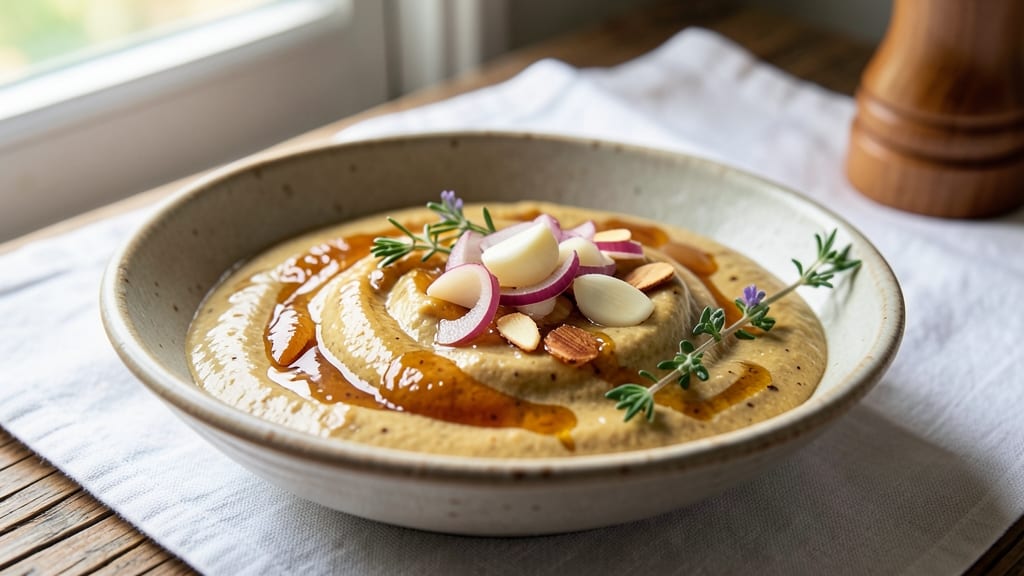
This apricot mustard sauce transforms simple meals into gourmet experiences with its perfect balance of sweet and tangy flavors. 🌟 The secret lies in simmering fresh apricots with Dijon mustard, vinegar, and a touch of honey until the mixture thickens into a glossy, versatile sauce.
Whether you're glazing grilled chicken, drizzling over roasted vegetables, or serving as a dip for crusty bread, this sauce elevates every bite with its rich, complex profile.
The recipe is designed for simplicity, requiring just a handful of ingredients that work together to create depth. Dijon mustard provides the signature tang, while apricots—whether fresh, dried, or even jam—add natural sweetness and a velvety texture.
A splash of vinegar brightens the flavors, and honey or sugar balances the acidity, ensuring the sauce is smooth and cohesive. The process is straightforward: simmer, blend (if desired), and adjust the consistency to your preference.
What sets this sauce apart is its versatility—use it as a glaze for pork chops, a marinade for tofu, or a bold dip for charcuterie boards. The sauce keeps well in the refrigerator for up to two weeks, making it perfect for meal prep or gifting.
With just a few minutes of active time and a little patience for simmering, you’ll have a sauce that’s far more impressive than anything store-bought.
The result is a glossy, tangy-sweet sauce that clings beautifully to proteins and vegetables, adding a restaurant-quality finish to everyday dishes. Whether you're hosting a dinner party or simply craving a flavor boost, this apricot mustard sauce delivers big on taste and ease. Let’s get started!
Ingredients for apricot mustard sauce
Sweet apricots meet tangy mustard—this sauce brings restaurant flavors to your table with just ten simple ingredients.
| Ingredient | Amount | Notes |
|---|---|---|
| Fresh Apricots 🍑 | 1 lb | Pitted and sliced into halves |
| Dijon Mustard 🧂 | ½ cup | High-quality, smooth variety |
| Apple Cider Vinegar 🍎 | ¼ cup | For bright acidity |
| Honey 🍯 | ⅓ cup | Wildflower for floral notes |
| Olive Oil 🫒 | ¼ cup | Extra-virgin for richness |
| Garlic Cloves 🧄 | 3 cloves | Minced for depth |
| Salt 🧂 | ½ tsp | Kosher or sea salt |
| Black Pepper 🌶️ | ¼ tsp | Freshly ground preferred |
| Water 💧 | ½ cup | For thinning if needed |
| Fresh Thyme Leaves 🌿 | 1 tbsp | Optional, for herbal note |
Fresh apricots are the star here, so grab the ripest ones you can find—Trader Joe's or Whole Foods usually have great ones in summer. If you're out of season, dried apricots work too, but soak them first to soften. The Dijon mustard should be the good stuff—Maille or Amora are my go-tos, but any high-quality brand will do. For vinegar, stick with apple cider—it adds a subtle fruitiness that pairs perfectly. Honey is non-negotiable for that natural sweetness, but if you're vegan, agave works just as well. The olive oil might seem like an afterthought, but it's what makes the sauce silky smooth.
No fresh apricots? Apricot jam or puree is a solid swap—just reduce the honey slightly since jam's already sweet. Short on Dijon? Whole-grain mustard thinned with a splash of vinegar works in a pinch. Love garlic but forgot it? Garlic powder at half the amount still adds depth. The thyme is optional but adds a lovely herbal note—dried thyme at one-third the amount is fine if fresh isn't available. For a smoother sauce, blend it after simmering; for texture, leave it chunky. And if it's too thick, just add a splash of water or vinegar to reach your ideal consistency.
This sauce keeps beautifully in the fridge for up to 2 weeks—perfect for meal prep. Store it in a clean jar with a tight lid, and the flavors actually deepen over time. Need to thin it later? Just add a splash of water or vinegar. For gifting, portion into small jars with a ribbon—everyone will think you slaved over it. Freezes well too for up to 6 months, though texture might change slightly. Always reheat gently on the stove, stirring often, until just warmed through. Trust me, the first time you drizzle this over grilled chicken or roasted veggies, you'll be hooked.
Why You'll Love This Recipe
- Five-Ingredient Magic: I swear by this combo—just blend, simmer, and boom. No peeling, no pitting, no fuss. Fresh apricots soften in minutes, and the mustard adds depth without extra work.
- Sweet-Tangy Balance: That first bite? Honey and vinegar play off the mustard’s sharpness while the apricots bring warmth. It’s the kind of sauce that makes you pause mid-bite—wait, is this dessert? (Nope, just genius.)
- Glazes Everything: Grill chicken? Drizzle. Toss roasted veggies? Done. Even plain yogurt gets a gourmet upgrade. I keep a jar in the fridge for when I’m lazy but still want restaurant-worthy flavor.
- Lasts All Week: Make a double batch—it keeps for days in the fridge. The mustard thickens slightly over time, making it even richer. Plus, it’s cheap: fresh apricots in season or canned in a pinch, and the rest is pantry staples.
Step-by-step instructions for apricot mustard sauce
This sauce comes together in minutes but delivers bold flavor—perfect for glazing meats or dipping.
🍳 Step 1: Simmer Apricots Until Soft
In a medium saucepan, combine the 1 lb fresh apricots (pitted and halved), 0.5 cup water, and 0.25 cup apple cider vinegar. Bring to a boil over medium-high heat, then reduce to medium-low and simmer uncovered for 10-12 minutes until the apricots are tender when pierced with a fork.
Here's the thing—don't skip the vinegar. It brightens the fruit and balances the sweetness later. Stir occasionally to prevent sticking, and if the liquid reduces too quickly, add 1-2 tablespoons water to keep it moving. You want the apricots to break down slightly but still hold their shape.
🍳 Step 2: Blend Until Smooth
Using an immersion blender (or transferring to a countertop blender), blend the apricot mixture until completely smooth. You should have about 1 cup of purée. Strain through a fine-mesh sieve if you prefer an ultra-smooth texture—this removes any stubborn fruit fibers that might make the sauce grainy.
I press the sieve with a spoon to extract every last drop of purée. This step ensures your sauce will be silky, not chunky. Return the strained purée to the saucepan if you strained it.
🍳 Step 3: Build the Sauce Base
Return the purée to the saucepan and stir in the 0.5 cup Dijon mustard, 0.33 cup honey, and 0.25 cup olive oil. Heat over medium-low heat for 3-4 minutes, stirring constantly, until the mixture is fully combined and the honey has dissolved. The sauce should thicken slightly as it warms.
This is where the magic happens—the mustard adds depth, honey rounds out the acidity, and olive oil gives it richness. Taste and adjust the sweet-tangy balance now if needed. If it's too thick, add 1-2 tablespoons water to reach your desired consistency.
🍳 Step 4: Add Aromatics and Season
Reduce heat to low and stir in the 3 minced garlic cloves, 0.5 tsp salt, 0.25 tsp black pepper, and 1 tbsp fresh thyme leaves. Simmer gently for 2-3 minutes—just enough to infuse the flavors without cooking the garlic to oblivion. The thyme adds a subtle herbal note that elevates everything.
Real talk: don't let the garlic burn. It should smell fragrant, not bitter. If you notice it darkening too quickly, remove the pan from heat for 30 seconds before continuing. The sauce is ready when all ingredients are fully incorporated and the flavors meld beautifully.
⏰ Step 5: Cool and Adjust
Remove from heat and let the sauce cool for 5 minutes. Taste again—this is your final chance to balance flavors. If it needs more tang, add a splash of apple cider vinegar. If it's too thick, thin with water (start with 1 tablespoon). The sauce should coat the back of a spoon but still be pourable.
Here's the pro move: let the sauce sit at room temperature for 15-20 minutes before using. This allows all the flavors to fully develop. It'll thicken slightly as it cools, so adjust consistency one last time if needed. Now you're ready to glaze, drizzle, or dip!
Pro Tips For Making Apricot Mustard Sauce
- Peel Those Apricots: Fresh apricots are stubborn—peeling them before cooking saves you from picking out skins later. Use a paring knife to slice a shallow circle around the pit, then twist and pop it out. No pit means no bitter surprises in your sauce.
- Simmer Low and Slow: I used to rush this sauce, but a gentle simmer for 15–20 minutes is non-negotiable. Too much heat and the honey burns, turning your bright sauce into something bitter and cloying. Keep it at a bare simmer—just enough to see tiny bubbles, not a rolling boil.
- Balance the Mustard: Dijon mustard dominates if you’re not careful. Start with 1 tablespoon, taste, then adjust—you can always add more honey or vinegar to mellow it out. I’ve learned the hard way that adding all the mustard upfront means regret later.
- Strain for Smoothness: If you’re using fresh apricots, strain the sauce through a fine-mesh sieve to avoid a chunky texture. Press the fruit with a spoon—this extracts every last drop of flavor without turning your sauce into apricot purée. (Yes, even if you’re impatient like me.)
Flavor customization for apricot mustard sauce
Sweet Heat Balance
Adjust the sweet-to-tangy ratio by tweaking the honey and vinegar. For extra heat, stir in 1-2 teaspoons of hot sauce or ½ teaspoon of cayenne pepper—I love adding Tabasco for a smoky kick.
If you prefer a milder version, reduce the Dijon mustard to ¼ cup and add 1 tablespoon of apricot jam for extra sweetness without thinning the sauce. 🌶️
Herb Variations
Swap thyme for rosemary (use 1 sprig, finely chopped) for an earthy twist, or add ½ teaspoon of dried oregano for a Mediterranean vibe. Fresh basil brightens the sauce beautifully—toss in 2 tablespoons of chopped leaves at the end for a pop of freshness.
For a smoky profile, infuse the sauce with ½ teaspoon of smoked paprika during the final simmer.
Texture Adjustments
Want a chunkier sauce? Reserve ¼ cup of apricot halves before blending and stir them back in at the end. For a silky finish, blend the sauce again after cooling. If you prefer a thicker glaze, simmer the sauce uncovered for an extra 5 minutes to reduce it further.
For a lighter dip, thin with 1-2 tablespoons of water or apple cider vinegar until it reaches a drizzling consistency.
Global Twists
Give it a Middle Eastern flair by adding ½ teaspoon of ground cumin and ¼ teaspoon of cinnamon during the final simmer. For an Asian-inspired version, stir in 1 teaspoon of grated ginger and ½ teaspoon of sesame oil at the end.
A French touch? Replace the honey with 2 tablespoons of apricot jam and add 1 teaspoon of fresh tarragon for an elegant finish.
Vegan Adaptations
Skip the honey and use agave syrup or maple syrup instead—both work beautifully. For a tangier mustard base, blend ¼ cup of mustard powder with 2 tablespoons of water to create a paste.
To enhance richness, stir in 1 tablespoon of tahini or 1 teaspoon of nutritional yeast for depth. The sauce will still shine with its sweet-tangy balance, just without the honey. ✨
Nutrition facts
Frequently asked questions
Can I use dried apricots instead of fresh?
Soak ½ cup dried apricots in ½ cup warm water for 20 minutes until soft, then drain and use them in place of fresh. You may need to add 1-2 tablespoons extra honey since dried fruit is more concentrated. The texture will be slightly thicker, so thin with water or vinegar if needed.
How can I make this sauce spicier?
Add ½ teaspoon of cayenne pepper or 1 teaspoon of hot sauce (like Tabasco) during the final simmer. For smoky heat, stir in ½ teaspoon of smoked paprika with the other spices. Start with less and adjust to taste—you can always add more later, but you can't take it out!
What's the best way to store leftover sauce?
Transfer to an airtight container and refrigerate for up to 2 weeks. The flavors actually improve over time! For longer storage, freeze in 1-tablespoon portions—thaw overnight in the fridge before using. Reheat gently on the stove, stirring constantly to maintain smoothness.
Can I make this sauce without a blender?
Yes! Mash the cooked apricots with a fork or potato masher until smooth. For finer texture, press the mixture through a fine-mesh sieve. The sauce will be slightly chunkier but still delicious—perfect for dipping or drizzling. Adjust consistency with water or vinegar as needed.
What dishes pair best with this sauce?
This versatile sauce shines on grilled chicken or pork, as a marinade for tofu or shrimp, or as a dip for crusty bread or veggie sticks. Try it as a glaze for roasted carrots or Brussels sprouts, or drizzle over seared salmon for a sweet-tangy finish. The possibilities are endless!