
Sauces & Condiments
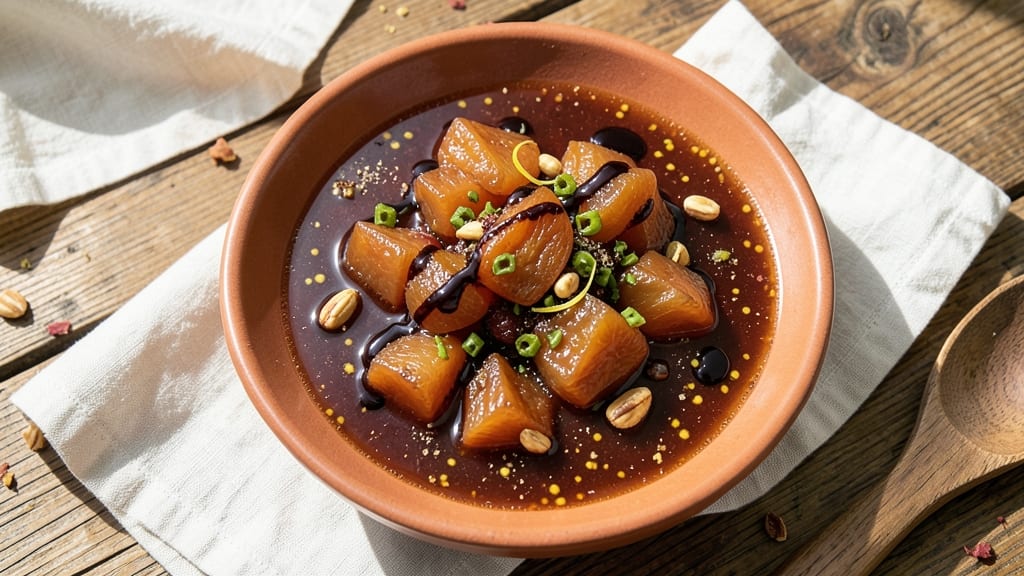
This apricot habanero sauce transforms grilled meats into a flavor explosion—where sweet, tangy apricot meets fiery habanero in perfect harmony. The secret lies in balancing heat with fruitiness through slow reduction, creating a sauce that's bold enough for tacos but versatile enough for cheese boards.
I developed this recipe after experimenting with fruit-based sauces that could stand up to smoky grilled proteins, and the result is a condiment that's equal parts restaurant-worthy and home-cook friendly.
The process is straightforward but requires patience: simmering chopped apricots with vinegar and sugar until they break down into a jam-like consistency, then blending in habanero (seeds removed for controlled heat). A touch of tomato paste adds depth, while cornstarch ensures the perfect drizzling texture.
What makes this sauce special is its ability to elevate simple dishes—imagine it glaze over grilled chicken or drizzled over spicy shrimp skewers, where the sweetness tempers the habanero's kick.
Safety is key when handling habanero peppers—always wear gloves and avoid touching your face. Store the sauce in an airtight container in the fridge for up to 2 weeks, or freeze for longer shelf life.
The flavor only intensifies over time, making it a pantry staple for anyone who loves bold, balanced sauces. Whether you're a grill master or a casual cook, this recipe delivers restaurant-quality results with minimal effort.
Use it as a marinade, a dip for fries, or a finishing sauce for tacos—its versatility makes it a game-changer for any meal. The sweet heat balance ensures every bite is exciting without being overwhelming, proving that complex flavors don't require complicated techniques. Let's get cooking!
Ingredients for apricot habanero sauce
Sweet, spicy, and perfectly balanced—this sauce delivers restaurant-quality heat without the fuss.
| Ingredient | Amount | Notes |
|---|---|---|
| Dried Apricots 🍑 | 1 ½ cups | Chopped into small pieces |
| White Vinegar 💧 | ½ cup | Distilled preferred |
| Granulated Sugar 🍚 | ½ cup | Light or dark brown works too |
| Habanero Peppers 🌶️ | 2 whole | Seeds removed for controlled heat |
| Tomato Paste 🍅 | 2 tbsp | Canned, unsweetened |
| Cornstarch 🌾 | 1 tbsp | For thickening consistency |
| Garlic Cloves 🧄 | 3 cloves | Minced for aromatic depth |
| Fresh Lime Juice 🍋 | 2 tbsp | Freshly squeezed |
| Salt 🧂 | ½ tsp | Diamond Crystal preferred |
| Extra-Virgin Olive Oil 🫒 | 1 tbsp | For richness and balance |
The habanero peppers are the star, but the apricots are the heart—look for dried apricots with vibrant color and no added sulfites. Trader Joe's and Whole Foods carry great options, but the bulk bins at Latin markets often have the freshest. The vinegar and sugar work together to break down the apricots into a jammy base, so don't skimp on either. For the habanero, always wear gloves (trust me on this)—the oils are potent and will linger. If you're sensitive to heat, reduce the peppers to 1 or start with just the flesh, saving the seeds for later if you want more kick.
No habanero? Substitute a mix of Scotch bonnet and jalapeño—the Scotch bonnet gives heat, while the jalapeño adds complexity. Fresh apricots work in a pinch (simmer until soft), but dried give that concentrated sweetness. The tomato paste adds depth, but if you're avoiding it, blend 2 tbsp canned tomatoes instead. For a smoother texture, strain the sauce through a fine-mesh sieve. The cornstarch is key for that perfect drizzle—it thickens without altering the flavor. If you're making a big batch, double the cornstarch to account for variations in fruit moisture.
This sauce keeps beautifully—2 weeks in the fridge in an airtight jar, or 6 months frozen in ice cube trays for single-serving portions. The flavor actually improves over time, so make extra. For a smoother finish, blend again before serving. The sweet heat balance makes it a game-changer for grilled meats, but it's also fantastic as a dip for fries or a glaze for roasted veggies. Store it in the coldest part of your fridge to preserve the habanero's potency.
Why You'll Love This Recipe
- Pantry Magic: I swear by this sauce because it uses things I already have—no special shopping needed. Dried apricots soften in minutes, vinegar cuts through the sweetness, and a single habanero (seeds removed!) gives just the right kick without overpowering.
- Sweet Heat Balance: That first taste of caramelized sugar and tomato paste hitting your tongue, then the slow burn from the habanero—it’s like dessert and spice had a beautiful, grown-up love affair. I’ll be real: I’ve made it three times in a row because I can’t stop dipping.
- Weeknight Workhorse: Slather it on grilled chicken for dinner, toss it with roasted veggies for lunch, or drizzle it over ice cream (yes, really) when you’re craving something different. The sugar in the apricots keeps it from being too sharp, so it plays nice with everything.
- Costs Less Than Takeout: A jar of tomato paste, a bag of dried apricots, and a single habanero stretch this sauce for weeks—way cheaper than ordering in. Plus, it freezes perfectly, so I make a big batch and thank myself later when I’m reheating leftovers for lazy mornings.
Step-by-step instructions for apricot habanero sauce
This sauce delivers perfect harmony between sweet and spicy—let's build it together.
Prepare the Apricots and Base Ingredients
Place the 1.5 cups dried apricots in a medium bowl and cover with hot water to soften for 15 minutes. Drain thoroughly, then chop into small, even pieces. In a separate small bowl, whisk together 2 tablespoons tomato paste, 1 tablespoon cornstarch, 0.5 cup granulated sugar, and 0.5 teaspoon salt until completely smooth. This dry mixture will form the backbone of your sauce's texture and depth.
While the apricots soak, remove seeds from the 2 whole habanero peppers and slice them into thin rings. You'll want to keep the seeds out to control the heat intensity—this ensures a balanced sweet-spicy profile rather than overwhelming heat. The habaneros will infuse their signature fruity heat into the sauce as it simmers.
Build the Sauce Foundation
Heat 1 tablespoon extra-virgin olive oil in a medium saucepan over medium-high heat. Add the sliced habanero peppers and sauté for 2-3 minutes until they begin to soften and release their aromatic oils. This step develops their flavor without burning them—watch carefully as they darken quickly.
Add the minced 3 cloves garlic and cook for 30 seconds until fragrant. Immediately pour in the 0.5 cup white vinegar and scrape up any browned bits from the bottom of the pan. This deglazing step captures all the flavor compounds that would otherwise stick to your pan. Let the mixture bubble gently for 1-2 minutes until the vinegar reduces slightly and sharpens the flavors.
Combine and Simmer to Perfection
Add the chopped apricots and the prepared tomato-sugar mixture to the saucepan. Stir well to combine, then pour in 2 tablespoons fresh lime juice. Bring the mixture to a gentle boil over medium heat, then immediately reduce to low heat. Let it simmer uncovered for 20-25 minutes, stirring occasionally, until the sauce thickens to a glossy consistency that coats the back of a spoon.
Taste the sauce and adjust the sweet-spicy balance as needed. If it needs more heat, add a pinch of cayenne pepper. If it's too sharp, add another ½ teaspoon sugar. The sauce should have a vibrant orange-red color with visible apricot chunks and a smooth, velvety texture. This simmering time is critical—it allows all the flavors to meld while developing that perfect balance between sweet fruit and fiery habanero.
Finish and Rest for Maximum Flavor
Once the sauce reaches your desired consistency, remove it from heat and let it cool for 10 minutes at room temperature. This resting period allows the flavors to fully integrate and the sauce to thicken slightly as it cools. I know it's tempting to serve it immediately, but this step makes all the difference in the final texture and flavor balance.
Transfer the sauce to a clean jar or airtight container and refrigerate for at least 1 hour before using. The flavors will continue to develop and deepen during this time. When you're ready to serve, give it a quick stir—it should be thick enough to coat the back of a spoon but still pourable. This sauce keeps well in the refrigerator for up to 2 weeks, making it perfect for batch cooking ahead of your next grilling session.
Pro Tips For Making Apricot Habanero Sauce
- SOAK DRY APRICOTS FIRST: Dried apricots are tough little devils when raw—toss them in warm water for 10 minutes before chopping. They’ll soften enough to blend smoothly, and your sauce won’t end up with weird chewy bits lurking in every spoonful.
- REMOVE HABANERO SEEDS BEFORE BLENDING: Habaneros pack a wallop, but seeds are where the real fire lives. Scoop them out before pulsing the peppers into the sauce—trust me, you’ll regret it if you don’t. Keep one seed intact for flavor, but not the full nuclear option.
- SIMMER THE VINEGAR FIRST: White vinegar has a habit of making sauces taste harsh if thrown in cold. Heat it with the sugar for 2 minutes until it smells bright and sweet—this mellows the acidity and lets the apricot and habanero shine. (Yes, even if you’re impatient like me.)
- USE TOMATO PASTE LAST: Tomato paste burns faster than a ghost pepper. Stir it in during the final 5 minutes of simmering, when everything else is already caramelized. This keeps the color rich and the flavor balanced—no sad, bitter aftertaste here.
Make-ahead tips for this recipe
Batch Prep Strategy
Make this sauce in doubles—it freezes beautifully and tastes even better after a few days. I like to prepare 4 cups at once, storing half in the fridge and freezing the other half in 1-cup portions using silicone molds.
This way, you always have a ready-to-use jar on hand for grilling nights. The sauce thickens as it cools, so plan to thin it slightly with water or lime juice when reheating. 💫
Freezing for Long-Term Use
For maximum freshness, freeze the sauce in ice cube trays or small jars. Once solid, transfer cubes to a freezer bag with the date labeled—this sauce keeps for up to 6 months without losing its vibrant color or heat.
When ready to use, thaw in the fridge overnight and stir well before serving. I find the texture remains silky smooth after freezing, though you may need to add 1 teaspoon cornstarch slurry if it thickens too much. ❄️
Fridge Storage Tips
Store the sauce in an airtight glass jar in the coldest part of your fridge to preserve the habanero's potency. The flavors actually deepen over time, so don't hesitate to make extra. If the surface develops a skin, simply stir it back in before using.
For a smoother finish, blend again before serving—this removes any fruit chunks if you prefer a completely smooth texture. 🥫
Reheating Methods
Gently reheat the sauce on the stovetop over low heat with a splash of water or vinegar to loosen the consistency. Avoid high heat, which can make it too thick. For microwave reheating, use 30-second intervals on medium power, stirring between each, until warmed through.
If the sauce separates, whisk in 1 teaspoon cornstarch mixed with 1 tablespoon water to restore its velvety texture. 🔥
Sauce Stability Hacks
Add ½ teaspoon citric acid (found in baking aisles) to each batch for extended shelf life—it preserves the bright flavors. For a smoother sauce, strain it through a fine-mesh sieve before storing.
If you notice the color fading, add a pinch of turmeric powder to restore vibrancy without altering the taste. Always taste before storing to ensure the sweet-spicy balance remains perfect. ✨
Nutrition facts
Frequently asked questions
Can I use fresh apricots instead of dried?
Yes, but you'll need to adjust the cooking time. Use 2 cups fresh apricots (peeled and chopped) and simmer them for 15-20 minutes longer until they break down completely. Fresh apricots have more moisture, so you may need an extra ½ teaspoon cornstarch to achieve the same thickness.
How do I control the heat level?
Remove all seeds and membranes from the habanero before slicing for milder heat. For extra control, start with just 1 pepper and add more later if needed. If the sauce is too spicy, balance it with more sugar or lime juice. Always wear gloves when handling habaneros—the oils can irritate skin!
What are the best uses for this sauce?
This versatile sauce excels as a glaze for grilled meats (especially chicken or pork), a dip for fries or pretzels, or a drizzle over tacos and nachos. It also pairs beautifully with cheese boards, especially with sharp cheddar or goat cheese. The sweet-spicy balance makes it perfect for Asian-inspired dishes too—try it with satay or stir-fried noodles.
Can I make this sauce without cornstarch?
Yes, but the texture will be thinner. Replace the 1 tablespoon cornstarch with 1 tablespoon tomato paste or ½ teaspoon xanthan gum for thickening. Alternatively, simmer the sauce uncovered for 5-10 minutes longer to reduce it naturally. The flavor will still be delicious, just with a slightly looser consistency.
Why did my sauce separate?
Sauce separation usually happens from rapid temperature changes or too much moisture. Fix it by whisking in 1 teaspoon cornstarch mixed with 1 tablespoon water while reheating on low heat. Stir constantly until smooth. For prevention, always cool the sauce gradually and avoid adding cold liquids to hot sauce. The cornstarch in the recipe helps stabilize the emulsion.