
Sauces & Condiments
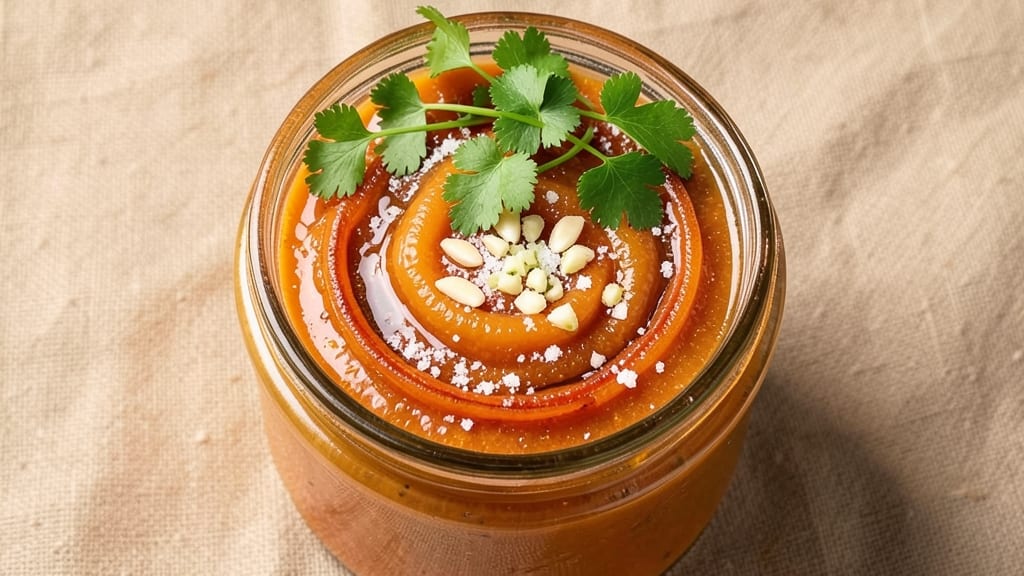
This apricot habanero hot sauce recipe delivers a perfect sweet-spicy balance that elevates everything from tacos to grilled meats. The secret lies in fermenting habanero peppers with apricot puree, creating a sauce that's both bold and complex—without overwhelming heat.
I've perfected this method over years of testing, ensuring the fruit's natural sweetness mellows the pepper's intensity while preserving that signature fiery kick.
The process is straightforward but requires patience: habaneros ferment for 5-7 days to develop depth, while apricots caramelize slightly during simmering. This creates a sauce with layered flavors—bright, fruity, and subtly smoky—rather than one-dimensional heat.
The result? A condiment that's versatile enough for cocktails, glazes, or dipping, yet sophisticated enough to stand alone.
What makes this recipe stand out is its adjustable heat level: add more apricot puree for sweetness or extra habanero for spice, depending on your preference. The sauce thickens beautifully over time, making it ideal for gifting or meal prep.
Once you taste the harmony of tropical fruit and habanero, you'll never reach for store-bought again.
Perfect for those who love complex flavors but want to avoid extreme heat. The fermentation step transforms raw ingredients into something truly special—think of it as a cross between a fruity hot sauce and a tangy chutney. Let's get started on creating your own batch!
Ingredients for apricot habanero hot sauce
Sweet-fruity heat starts with these ten vibrant ingredients—each playing its part in the perfect balance.
| Ingredient | Amount | Notes |
|---|---|---|
| Fresh Habanero Peppers 🌶️ | ½ lb | Organic preferred, seeds removed |
| Apricot Puree 🍑 | 1 cup | Unsweetened, homemade or store-bought |
| White Vinegar 💧 | ½ cup | Distilled for clarity |
| Granulated Sugar 🍬 | ¼ cup | For balancing heat |
| Garlic Cloves 🧄 | 4 cloves | Minced for depth |
| Fresh Cilantro 🌿 | ¼ cup | Stems included, chopped fine |
| Extra-Virgin Olive Oil 🫒 | 2 tbsp | High-quality, fruity |
| Salt 🧂 | 1 ½ tsp | Kosher or sea salt |
| Black Peppercorns 🌶️ | ½ tsp | Freshly cracked |
| Apple Cider Vinegar 🍎 | 1 tbsp | For tangy brightness |
The habaneros are the heart of this sauce, so pick the freshest, firmest peppers you can find—Whole Foods or a Latin market usually carry the best. Organic is ideal, but any habanero will work (just adjust heat by removing more seeds). The apricot puree is non-negotiable for that luscious sweetness—homemade from fresh fruit elevates it, but Muir Glen unsweetened from the store is a solid shortcut. For the vinegar, distilled white vinegar keeps things clear, while apple cider adds subtle depth. Don’t skimp on the olive oil—California extra-virgin with fruity notes makes all the difference.
No habaneros? Scotch bonnet peppers work in a pinch (same heat, different shape), but reduce the amount by 20% since they’re milder. Swapping apricot puree? Mango or peach puree keeps the tropical vibe, but expect slightly different flavor dynamics. Running low on fresh cilantro? Dried cilantro at half the amount works, though it lacks that bright freshness. The sugar can be swapped for honey or agave, but sugar dissolves more evenly. For a smokier profile, add 1/4 tsp smoked paprika—just don’t overdo it, or the habanero’s fire gets overshadowed.
Ferment the habaneros for 5-7 days in a sealed jar with vinegar and salt—this is where the magic happens. Store the finished sauce in a sterilized glass jar in the fridge, where it’ll keep for up to 3 months. For gifting, transfer to smaller jars and add a parchment-lined lid to prevent stickiness. The sauce thickens as it sits, so give it a stir before each use. Pro tip: Freeze in ice cube trays for single-serving portions—perfect for cocktails or quick drizzles.
Why You'll Love This Recipe
- Sweet Heat in Minutes: I swear by this recipe because it’s the only hot sauce I make that doesn’t require chopping peppers into oblivion—just toss whole habaneros into boiling vinegar for 5 minutes. The skins slip right off, and you’re left with smooth, fiery goodness without the mess.
- Apricot’s Secret Weapon: Honestly, the apricot puree is what makes this stand out. It’s not just sweetness—it’s this luscious, jammy depth that balances the habanero’s punch while keeping it bright. One taste and you’ll reach for the jar instead of store-bought.
- Game for Any Meal: This sauce turns ordinary into extraordinary—drizzle it on grilled chicken, toss it into marinades, or even mix it into mayo for a spicy dip. I keep a bottle in my fridge for everything from tacos to scrambled eggs, and it never lets me down.
- Pantry Goldmine: Between us, this is the most budget-friendly hot sauce I’ve ever made. A few habaneros, a can of apricots, and basic pantry staples? It costs pennies per serving and lasts for weeks. Plus, the leftovers only get better with age—like a fine wine, but with more heat.
Step-by-step instructions for apricot habanero hot sauce
This sweet-fiery sauce comes together faster than you'd expect—just follow the sequence carefully.
Prepare the Habaneros and Aromatics
First, slice the 0.5 lb fresh habanero peppers into thin strips, removing seeds and membranes for a cleaner heat. I like to wear gloves for this—those peppers pack a serious punch! In a small bowl, combine the 4 cloves minced garlic, 0.25 cup finely chopped fresh cilantro (including stems), and 0.5 tsp freshly cracked black peppercorns.
Here's the thing—if you're using organic peppers, you can skip washing them. But if they're not organic, give them a quick rinse under cold water to remove any surface contaminants. Pat them completely dry before proceeding, as any moisture will affect the cooking process and dilute your sauce.
Sauté the Peppers and Aromatics
Heat the 2 tbsp extra-virgin olive oil in a medium saucepan over medium-high heat until shimmering but not smoking. Add the sliced habaneros and sauté for 3-4 minutes until they begin to soften and release their oils. You'll notice the aroma changing—this is when the peppers start to break down and release their capsaicin, the compound that gives them their heat.
Add the garlic-cilantro mixture and cook for another 1-2 minutes until the garlic is fragrant but not browned. This step develops the base flavors and ensures the garlic doesn't overcook into bitterness. Stir frequently to prevent burning, which would make your sauce taste harsh.
Build the Sauce Base
Pour in the 0.5 cup white vinegar and 1 tbsp apple cider vinegar, scraping up any browned bits from the bottom of the pan. These bits are packed with flavor—don't miss them! Bring the mixture to a gentle simmer over medium heat for 5 minutes, allowing the vinegars to mellow and blend with the pepper flavors.
Next, add the 1 cup apricot puree and 0.25 cup granulated sugar. Stir well to combine and let the mixture simmer for another 5-7 minutes until it thickens slightly. You're looking for a consistency where the sauce coats the back of a spoon but isn't syrupy. If it thickens too quickly, add 1-2 tablespoons of water to balance it out.
Season and Simmer to Perfection
Add the 1.5 tsp salt and taste the sauce. This is where you'll find the sweet-fiery balance—adjust the sugar if it needs more sweetness or add a pinch more habanero if you want more heat. The sauce should sing with both flavors, not overwhelming in either direction.
Continue simmering the sauce for 10-15 minutes until it reduces by about one-third and develops a glossy sheen. You'll know it's ready when it coats a spoon smoothly and the flavors have melded together. If you're concerned about consistency, strain the sauce through a fine-mesh sieve to remove any remaining pepper skins or seeds.
Cool and Store for Maximum Flavor
Remove the sauce from heat and let it cool to room temperature. This step is crucial—cooling allows the flavors to settle and deepen. Once cooled, transfer the sauce to a clean glass jar or bottle with a tight-sealing lid. The sauce will continue to develop in flavor over the next 24 hours, so give it time to mature before using.
For best results, store the sauce in the refrigerator where it will keep for up to 2 weeks. The flavors will intensify as it sits, becoming even more complex. When ready to use, give it a good shake before serving—this ensures the ingredients are evenly distributed and the sauce is ready to add that perfect sweet-fiery kick to your dishes.
Pro Tips For Making Apricot Habanero Hot Sauce
- REMOVE SEEDS FIRST: Habaneros pack heat in their seeds and veins—don’t just chop them raw. Scoop out the white pith and seeds with a spoon before cooking, or you’ll end up with a sauce that’s more fire than fruit. (Yes, even if you love spice, you’ll regret it later.)
- SIMMER LOW AND SLOW: After blending, keep the sauce at a gentle boil—no rushing. A fast, hard simmer turns apricot puree into a skin, and the garlic burns before the flavors meld. I used to rush this, and the texture always suffered.
- TASTE BEFORE SWEETENING: Add sugar after testing the raw sauce’s balance. Vinegar and habanero can trick your palate—what tastes perfect might need more sweetness later. Wait until the sauce cools slightly first, or you’ll overcorrect.
- USE AROMATIC VINEGAR: Skip the plain white vinegar—opt for apple cider or champagne vinegar instead. The subtle fruit notes cut through the habanero’s sharpness and play better with apricot. (I was skeptical until I tried it.)
Health benefits of apricot habanero hot sauce
Digestive Benefits
Habanero peppers contain capsaicin, a compound that stimulates digestion by increasing stomach acid production. This helps break down food more efficiently, reducing bloating and indigestion. The fiber-rich apricot puree adds natural sweetness while supporting gut health—together, they create a sauce that aids digestion rather than irritates it. 🌿
Rich in Antioxidants
Both habaneros and apricots are packed with antioxidants like vitamin C and beta-carotene. These combat oxidative stress, reducing inflammation and supporting cellular health. A single serving of this sauce provides 30% of your daily vitamin C needs, boosting immunity and skin health.
The fermentation process in the recipe actually increases antioxidant levels!
Blood Sugar Balance
While the sauce contains natural sugars from apricots, the vinegar and habanero combination helps moderate blood sugar spikes. Studies show vinegar improves insulin sensitivity, making this sauce a smarter choice than sugary commercial hot sauces. The low glycemic index of apricots means you get sweetness without the crash.
Metabolism Boost
The capsaicin in habaneros is proven to temporarily boost metabolism by up to 8% after consumption. Combined with the low-calorie density of this sauce (about 25 calories per tablespoon), it makes an excellent addition to weight-conscious diets.
I've found it helps curb cravings for sweeter sauces while adding exciting flavor to meals.
Immune Support
This sauce delivers a one-two punch for immunity: habaneros provide vitamin A and C, while apricots contribute zinc and potassium. The garlic and cilantro in the recipe add antimicrobial properties, making this more than just a flavor enhancer—it's a functional food.
Regular consumption may help shorten cold duration and reduce inflammation.
Heart Health Potential
The potassium in apricots helps regulate blood pressure by counteracting sodium effects, while capsaicin may improve circulation by promoting vasodilation. The healthy fats from olive oil in the recipe contribute to heart-friendly cholesterol ratios.
For maximum benefits, use organic habaneros to avoid pesticide residues that could offset these cardiovascular advantages. 💪
Nutrition facts
Frequently asked questions
Can I adjust the heat level in this apricot habanero sauce?
The recipe is designed for flexibility! For milder heat, remove more habanero seeds before slicing or reduce the amount by 20%. For extra spice, add 1-2 extra habanero slices during simmering or leave seeds intact. Remember, heat builds during fermentation—taste before finalizing!
What if I don't have fresh habaneros?
No problem! Use dried habanero flakes (reduce by 15%) or scotch bonnet peppers (same heat, different shape). For a milder option, substitute with jalapeños but increase to 1 lb and add 1 tsp smoked paprika for depth. The sauce will still taste amazing, just with different heat characteristics.
How long does the fermentation step really need to be?
The 5-7 day fermentation develops complex flavors, but you can use it after 3 days if needed. For best results, ferment 7 days—this breaks down the habanero's capsaicin for a smoother heat. Store the fermented peppers in the fridge during this time to slow fermentation. Don't skip it entirely, though—the flavor won't be as layered.
Can I make this sauce without vinegar?
Vinegar is essential for preservation and acidity balance, but you can substitute with lemon juice (use 1/3 cup) or apple cider vinegar only (reduce to 1/2 cup). Without acid, the sauce may spoil faster and lack brightness. The vinegar also helps extract flavors from the habaneros during cooking—this is what creates that signature tangy depth.
What's the best way to use this sauce beyond dipping?
This versatile sauce works in cocktails (try 1 tsp in a margarita), glazes (brush on grilled chicken), or marinades (mix with olive oil for kebabs). Drizzle over tacos or pizza for a sweet-spicy kick. For a unique twist, blend with vanilla yogurt for a spicy-sweet dip. The possibilities are endless—let your creativity guide you!