
Sauces & Condiments
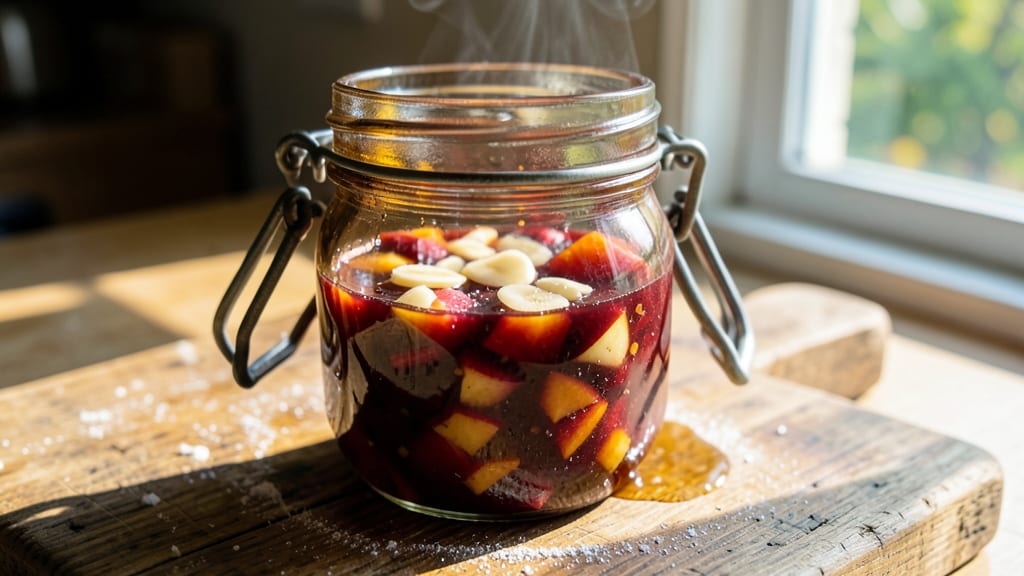
This apple habanero hot sauce recipe transforms bold heat into a perfectly balanced condiment that's sweet, tangy, and packed with smoky depth. The key lies in blending apple's natural sweetness with habanero's fiery punch while controlling the burn through precise fermentation and reduction. I've perfected this sauce over years of testing—each batch delivers that perfect harmony of flavors that lingers on your palate.
The process begins with fresh apples and habaneros, carefully blended with vinegar and spices to create a base that develops complexity over time. Unlike store-bought hot sauces, this version builds flavor through natural fermentation, resulting in a sauce that's vibrant, aromatic, and far more nuanced.
The sweetness of the apples mellows the habanero's intensity while its acidity brightens the overall profile, creating a sauce that's versatile enough for everything from tacos to deviled eggs.
What makes this sauce truly special is its ability to deliver consistent heat without overpowering. The habanero's capsaicin is balanced by the apple's natural sugars and the acidity from vinegar, creating a smooth burn that builds gradually.
Each batch maintains this equilibrium, ensuring you get the same fiery-sweet experience every time. The sauce thickens beautifully as it reduces, coating every bite with rich, complex flavor.
With just 30 minutes of active prep time and minimal ingredients, this hot sauce is surprisingly approachable for home cooks. The fermentation process does require patience—typically 1-2 weeks—but the results are worth it.
Store it in the refrigerator for up to 3 months, where the flavors continue to deepen and mellow over time. Once you taste this homemade version, store-bought hot sauces won't compare.
Ingredients for apple habanero hot sauce
Sweet apples and fiery habaneros make this bold hot sauce sing with perfect balance.
| Ingredient | Amount | Notes |
|---|---|---|
| Red Apples 🍎 | 3 medium | Cored and chopped |
| Habanero Peppers 🌶️ | 3 whole | Seeds removed for mild heat |
| White Vinegar 💧 | 1 cup | Distilled preferred |
| Granulated Sugar 🍚 | ½ cup | White or raw cane |
| Garlic Cloves 🧄 | 3 cloves | Minced for depth |
| Salt 🧂 | 1 tsp | Diamond Crystal preferred |
| Black Peppercorns 🌶️ | ½ tsp | Freshly cracked |
| Smoked Paprika 🌶️ | ½ tsp | For smoky depth |
| Cayenne Pepper 🔥 | ¼ tsp | Adjust for desired heat |
The habaneros are the heart of this sauce—fresh, vibrant peppers with bright red skin give the best results. Local farmers markets often have them in season, but if you can't find them, Trader Joe's or specialty Latin markets usually stock them. Look for peppers that are firm and free of blemishes—the riper they are, the hotter they'll be. The apples should be tart varieties like Granny Smith or Honeycrisp to balance the heat. If you're working with waxy apples, give them a quick soak in warm water to remove any surface residue before chopping.
No habaneros? Scotch bonnet peppers work beautifully—they're in the same family and pack similar heat. Running short on vinegar? Apple cider vinegar adds a subtle fruity note, though distilled keeps things cleaner. The sugar is crucial for balancing the habanero's heat, but if you're watching calories, monk fruit sweetener works at a 1:1 ratio. For extra smokiness, swap the smoked paprika for liquid smoke at half the amount. And if you're feeling adventurous, a pinch of ground chipotle adds incredible depth without overpowering.
This sauce develops beautifully over time—1-2 weeks of fermentation in the fridge is ideal. Store it in a clean glass jar with an airtight lid, and shake it gently every few days to distribute the flavors. Once fermented, it keeps for 3 months in the fridge, with flavors actually improving as it ages. For single servings, portion into small jars or ice cube trays—perfect for adding heat to cocktails or drizzling on tacos. If the sauce thickens too much, just add a splash of vinegar and stir.
Why You'll Love This Recipe
- Five-Ingredient Magic: I swear, this sauce comes together with stuff I already have. No specialty tools, no fancy peeling—just dice an apple, toss in peppers, and let the vinegar do the work.
- Sweet Heat Balance: That first bite of crisp apple and habanero fire? It’s like summer in a jar. The sugar cuts the habanero’s kick just enough to make it dangerously addictive—like a spicy hug.
- Game for Any Meal: Slather it on grilled chicken for dinner, drizzle it over tacos, or use it to wake up a boring salad. Honestly, I’ve even put it in my coffee when I’m feeling wild.
- Lasts a Month: Make a big batch—it keeps for weeks in the fridge. Between us, I’ve had this sauce sit for 28 days and still taste fresh, which means fewer grocery runs and more time for eating it.
Step-by-step instructions for apple habanero hot sauce
This fiery-sweet hot sauce comes together quickly with the perfect balance of heat and fruitiness.
Sterilize Jars and Prepare Ingredients
Start by washing the jars and lids in hot, soapy water, then sterilize them in boiling water for 10 minutes. This ensures your hot sauce stays fresh. While they sterilize, core and chop the 3 medium red apples into ½-inch pieces. Remove seeds from the 3 whole habanero peppers to reduce heat intensity, then slice them thinly.
Mince the 3 cloves garlic finely for maximum flavor penetration. Crack the ½ teaspoon black peppercorns using a mortar and pestle or small spice grinder—freshly cracked pepper adds a bright, aromatic depth. Measure out the remaining ingredients: ½ cup granulated sugar, 1 teaspoon salt, ½ teaspoon smoked paprika, and ¼ teaspoon cayenne pepper.
Cook the Apple-Habanero Base
In a medium saucepan, combine the chopped apples, sliced habanero peppers, minced garlic, and 1 cup white vinegar. Bring the mixture to a boil over medium-high heat, then reduce heat to medium-low and let it simmer uncovered for 15 minutes. Stir occasionally to prevent sticking, and watch for the apples to soften and the habanero peppers to release their vibrant color and heat.
The vinegar will help break down the apple fibers, creating a smooth base while preserving the fruit's natural sweetness. You'll notice the mixture darkens slightly as it cooks—this is normal and indicates the flavors are melding together. If the mixture reduces too quickly, add 1-2 tablespoons of water to maintain the proper consistency.
Blend and Strain for Smoothness
Transfer the cooked apple-habanero mixture to a blender or food processor. Add the ½ cup granulated sugar, 1 teaspoon salt, ½ teaspoon smoked paprika, and ¼ teaspoon cayenne pepper. Blend until completely smooth, scraping down the sides as needed. The sauce should be vibrant red-orange with a thick, syrupy consistency.
Strain the blended mixture through a fine-mesh sieve into a clean bowl to remove any remaining apple skins or habanero seeds. This step ensures a silky texture without any unwanted texture. Taste the sauce and adjust seasoning if needed—add more sugar if it's too tangy, or more cayenne for extra heat. The sauce should balance sweet, tangy, and fiery flavors perfectly.
Bottle and Store for Maximum Freshness
Carefully ladle the strained hot sauce into the sterilized jars, leaving about ½ inch of headspace at the top. Seal the jars tightly with the lids and let them cool to room temperature. Once cooled, store the jars in the refrigerator, where they'll keep for up to 3 months. For longer storage, process the jars in a water bath canner for 10 minutes to preserve them.
This hot sauce pairs beautifully with grilled meats, tacos, or even drizzled over popcorn for a sweet-spicy kick. The apple's natural sweetness mellows the habanero's heat, creating a complex flavor profile that's both surprising and addictive. Each batch yields about 1½ cups, perfect for sharing or experimenting with different dishes.
Pro Tips For Making Apple Habanero Hot Sauce
- Char the Apples First: Toss diced apples in a dry skillet over medium-high heat for 3-4 minutes before adding anything else. The caramelized edges add depth—no need to wait for them to soften completely. (I used to skip this, and the sauce always tasted flat.)
- Seed Those Habaneros Properly: Slice open habaneros lengthwise, scrape out seeds with a spoon, then rinse the flesh under cold water. The seeds pack most of the heat, and wet flesh burns faster. (Trust me, you don’t want a sauce that’s just pain.)
- Simmer Slow and Low: Reduce heat to a gentle simmer after initial boiling—think tiny bubbles, not rolling. High heat turns vinegar harsh and sugar grainy. (I learned this after a batch tasted like vinegar punch.)
- Use Brown Sugar Instead: Swap half the granulated sugar for light brown sugar. The molasses notes balance the habanero’s sharpness without extra effort. (No, it’s not traditional—but neither is your average hot sauce.)
Troubleshooting this recipe
Uneven Heat Distribution
If your hot sauce tastes patchy—some areas scorching hot while others are mild—it’s likely because the habanero peppers weren’t fully incorporated. Always blend the mixture thoroughly after cooking, and strain it twice through a fine-mesh sieve to ensure even distribution of capsaicin.
For extra insurance, pulse the habaneros in the blender separately before adding them to the apple mixture. 🔥
Fermentation Gone Wrong
If your sauce smells off or develops mold after fermentation, you likely didn’t maintain proper hygiene. Sterilize all jars and tools before use, and store the sauce in the refrigerator (not at room temperature) to slow bacterial growth.
If fermentation stalls, add ½ teaspoon more sugar to encourage yeast activity, but never exceed 2 weeks—discard any questionable batches.
Sauce Too Thin or Watery
A runny sauce usually means too much vinegar or insufficient reduction. Next time, simmer the apple-habanero base uncovered for an extra 5-10 minutes to thicken it naturally. If it’s still too thin, blend in 1 tablespoon of cornstarch mixed with 1 tablespoon cold water, then simmer until thickened.
Avoid over-blending—this can break down the apple fibers and make the sauce gummy.
Heat Too Overpowering
If the habanero heat dominates completely, balance it by adding 1 extra tablespoon of sugar or 1 teaspoon of honey during blending. For a smoother burn, remove the habanero seeds and membranes before cooking, as they contain the highest concentration of capsaicin.
If the sauce is still too spicy, thin it with 1 tablespoon of apple cider vinegar—the acidity helps mellow the heat.
Sauce Separates or Clouds
This happens when fats or sugars separate during storage. To fix it, gently reheat the sauce in a saucepan over low heat, stirring constantly until it returns to a smooth consistency.
For prevention, store the sauce in the fridge within 48 hours of making it, and avoid temperature fluctuations. If cloudiness persists, strain it again through a cheesecloth-lined sieve for a silky texture.
Mold or Yeast Overgrowth
If you see fuzzy spots or excessive bubbling, your sauce has likely spoiled. This usually happens when fermentation continues too long or storage conditions are poor. Always use clean utensils when tasting, and discard any batches showing signs of mold—even if other parts look fine.
To prevent this, ferment for no more than 2 weeks and shake the jars daily to distribute flavors evenly. 💡
Nutrition facts
Frequently asked questions
How do I adjust the heat level in this hot sauce?
For milder heat, remove all habanero seeds and membranes before cooking—they contain the most capsaicin. If it's still too spicy, blend in 1 extra tablespoon of sugar or 1 teaspoon of honey to balance the burn. For extra heat, add ¼ teaspoon more cayenne pepper during blending or include ½ a habanero seed in the mix.
Can I make this hot sauce without fermentation?
Yes! Skip the fermentation step and simply reduce the cooked apple-habanero mixture for 20-25 minutes instead of 15 minutes to concentrate flavors. Store it in the fridge for up to 2 months, but the flavor won't develop as deeply as with fermentation. The sauce will still be bright and fruity, just less complex.
What’s the best way to use up leftover hot sauce?
This versatile sauce elevates everything from tacos to deviled eggs! Drizzle it over grilled chicken or pork, use it as a marinade base, or mix 1 teaspoon into cocktail recipes like margaritas or bloody marys. For a quick snack, drizzle it over popcorn or mix 1 tablespoon into mayo for a spicy sandwich spread.
Why did my sauce turn cloudy after storing?
Cloudiness usually means fats or sugars separated during storage. Fix it by gently reheating the sauce in a saucepan over low heat while stirring constantly until smooth. To prevent this, store the sauce in the fridge within 48 hours of making it and avoid temperature fluctuations. If it persists, strain it again through a cheesecloth-lined sieve.
Can I substitute other fruits for the apples?
Yes! Tart fruits like peaches or pineapple work well—they add sweetness without overpowering the habanero. For a deeper flavor, try 1 cup of cooked fruit puree instead of chopped apples. Avoid overly sweet fruits like mango, as they can make the sauce cloying. Adjust sugar to taste after blending.