
Sauces & Condiments
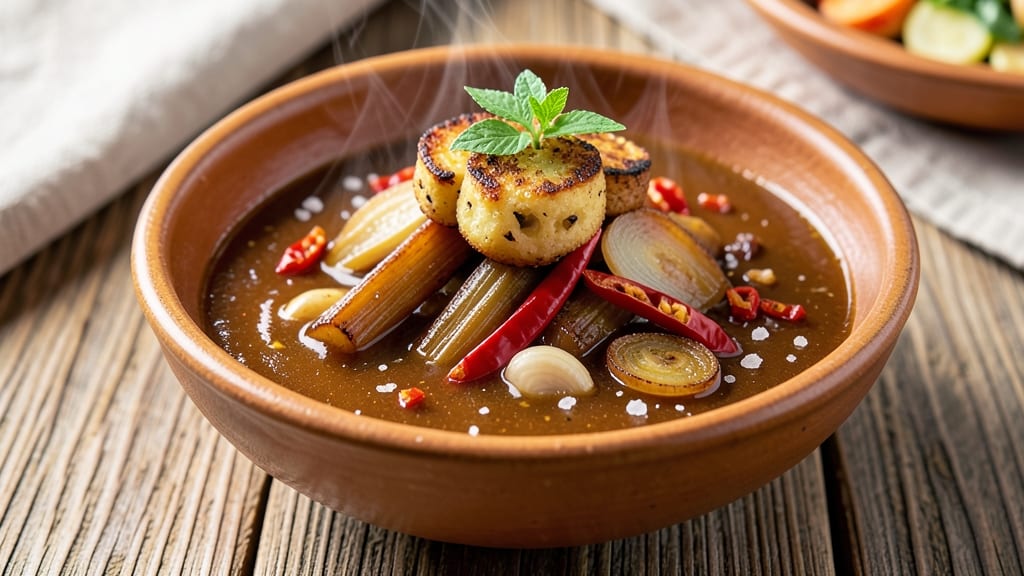
This Andoks sauce recipe transforms humble celery into a velvety, vinegar-kissed condiment that elevates everything from grilled meats to crispy fries. The secret lies in its balance—tangy vinegar, aromatic shallots, and a touch of heat that lingers just beneath the surface.
I first discovered this sauce while exploring Indonesian home cooking, where it serves as both a marinade and dipping sauce, adding depth without overpowering dishes.
The magic happens when celery stems are simmered until tender, then blended with vinegar, garlic, and a hint of chili for complexity.
What you'll end up with is a smooth, slightly thick sauce with a creamy texture and layers of flavor—bright, savory, and just spicy enough to make every bite memorable. Unlike store-bought versions, this recipe delivers restaurant-quality results with simple pantry ingredients.
Perfect for drizzling over grilled chicken, tossing with noodles, or serving alongside fried snacks, this sauce keeps well in the fridge for up to a week. The preparation is straightforward: simmer, blend, and adjust seasoning until it reaches that ideal balance of tangy, creamy, and slightly spicy.
Once you try homemade, you'll never go back to bottled versions.
For extra depth, toast the shallots and garlic before blending, or add a splash of soy sauce for umami richness. The possibilities are endless, but the foundation remains the same—creamy celery, vinegar zing, and a touch of heat that makes every dish sing.
Ingredients for andoks sauce
Celery stems and vinegar form the heart of this velvety Indonesian sauce.
| Ingredient | Amount | Notes |
|---|---|---|
| Celery Stems 🧅 | 2 cups | Fresh, tough outer leaves removed |
| White Vinegar 💧 | ¾ cup | Distilled white preferred |
| Shallots 🧅 | 4 whole | Peeled, roughly chopped |
| Garlic Cloves 🧄 | 4 cloves | Peeled, lightly toasted |
| Red Chili Pepper 🌶️ | 1 whole | Fresh or dried, seeded |
| Salt 🧂 | 1 tsp | Diamond Crystal preferred |
| Soy Sauce 🍶 | 1 tbsp | Light or dark variety |
| Water 💧 | ½ cup | For thinning consistency |
| Vegetable Oil 🫒 | 1 tbsp | For simmering celery |
The celery stems are the star—look for fresh, crisp stalks with vibrant green tops. Trader Joe's and Whole Foods carry the thickest celery, perfect for this recipe. Shallots and garlic should be freshly peeled—no pre-minced jars here. For the chili, fresh bird's eye peppers (if available) pack the most heat, but dried red peppers work too. Toast the shallots and garlic in a dry pan until golden for deeper flavor. The vinegar should be distilled white—apple cider vinegar adds sweetness that disrupts the balance.
No fresh shallots? Substitute 5 tablespoons of finely chopped red onion. Skip the soy sauce for a vegetarian version, but it adds that umami depth that makes this sauce shine. If your sauce turns out too thick, add water 1 tablespoon at a time until silky. For extra creaminess, blend in 2 tablespoons of coconut milk at the end. The celery should simmer until fork-tender—about 15-20 minutes—but don't let it turn mushy. Strain through a fine-mesh sieve if you prefer extra smooth texture.
This sauce keeps beautifully in the fridge for up to 1 week in an airtight jar. For longer storage, freeze in ice cube trays—thaw and stir before using. The flavor actually improves with time as the vinegar and celery meld. I always make a double batch: one for immediate use, one to freeze. Perfect for drizzling over grilled meats, tossing with noodles, or serving with fried rice or fries. The sauce's versatility makes it a pantry staple worth repeating.
Why You'll Love This Recipe
- Pantry Staple Magic: I swear by this sauce because it’s made with things I already have—celery stems I’d normally toss, a splash of vinegar, and those shallots gathering dust in my fridge. No specialty shopping, no fuss. Honestly, it’s the kind of recipe that makes me feel like a savvy cook even when I’m winging it.
- Tangy Heat Kick: That celery stem base gives it a bright, earthy depth, while the red chili pepper adds just enough fire to wake up your taste buds. I’ll be real: the first time I tasted it, I thought, “Why didn’t I make this sooner?” It’s the kind of flavor that lingers in a good way—like a hug for your mouth.
- Dips the Crowd: Between us, this sauce disappears fast. Toss it with grilled meats, drizzle it over rice, or serve it as a dip with veggies—it’s the star at my BBQs, potlucks, and even lazy weeknight dinners. My daughter’s friends always ask for the recipe, and I just smile and say, “It’s that easy.”
- Lasts Like a Champ: A little goes a long way, so I make a big batch and stash it in the fridge. Two weeks later, I’m still reaching for it. Not the prettiest in a jar, but the taste? Spot-on. Plus, it’s dirt cheap—shallots and celery don’t break the bank, and I’m always finding uses for leftover vinegar. Win-win.
Step-by-step instructions for Andoks sauce
Here's how to create this vibrant, celery-based sauce with balanced tang and umami depth.
Prepare the Celery and Aromatics
Start by slicing the 2 cups celery stems into ½-inch thick rounds. Remove any remaining tough outer leaves as you work. In a large skillet, heat the 1 tablespoon vegetable oil over medium heat until shimmering. Add the sliced celery and cook for 8-10 minutes, stirring occasionally, until softened but not browned.
Add the 4 whole shallots and 4 cloves garlic cloves to the pan. Cook for another 3-4 minutes until the shallots become translucent and the garlic releases its aroma. The celery should now be tender enough to mash against the sides of the pan with a wooden spoon. This foundational step builds the sauce's natural sweetness and depth.
Add Chili and Vinegar
Reduce the heat to medium-low and add the 1 whole red chili pepper (seeds removed if you prefer less heat) and 0.75 cup white vinegar. Stir well to combine, allowing the vinegar to mingle with the softened vegetables. Let this mixture simmer gently for 5 minutes until the vinegar's sharpness begins to mellow and integrate with the other flavors.
Here's where the sauce starts transforming. The vinegar will initially seem too strong, but as it simmers, it creates that signature tangy brightness that balances the celery's earthiness. Keep an eye on the pan—you want the mixture to reduce slightly but not darken or burn.
Season and Simmer to Perfection
Add the 1 teaspoon salt and 1 tablespoon soy sauce to the pan. Stir thoroughly to distribute these seasonings evenly throughout the mixture. The soy sauce will add a subtle umami richness that complements the vinegar's acidity. Let the sauce simmer uncovered for 10-12 minutes until it thickens slightly and coats the back of a spoon.
This is the moment that matters: the sauce should have a velvety consistency with a glossy sheen. If it's too thick, add the 0.5 cup water gradually, 1 tablespoon at a time, until you reach your desired consistency. The sauce should be thick enough to cling to ingredients but still flow smoothly when poured.
Finish and Adjust
Remove the pan from heat and let the sauce rest for 5 minutes. This resting period allows the flavors to meld completely. Taste the sauce and adjust the seasoning if needed—you might want to add a pinch more salt or a splash of vinegar to achieve the perfect balance of tang, sweetness, and umami.
For a smoother texture, transfer the sauce to a blender or food processor and pulse until completely smooth. If you prefer a slightly rustic texture, simply mash the ingredients with a wooden spoon in the pan. The sauce is now ready to use as a dip, marinade, or sauce for noodles, grilled meats, or roasted vegetables. Its versatility comes from that perfect balance of flavors we've carefully developed.
Pro Tips For Making Andoks Sauce
- CHAR THE CELERY: Blanch those celery stems first—drop them in boiling water for 30 seconds, then ice bath. This softens the tough fibers without cooking them to mush, so your sauce stays smooth instead of turning into a gritty sludge. (Yes, it’s extra work, but your future self will notice the difference.)
- MINCE SHALLOTS SMALL: Use a knife, not a food processor—you want tiny, even pieces that dissolve into the sauce rather than clumping. If you’re impatient, pulse them 2-3 times in a food processor, but don’t overdo it or you’ll end up with a paste that won’t blend properly.
- LOW HEAT, PATIENCE: Simmer the sauce on actual low heat—medium-low isn’t enough. Vinegar evaporates fast, and if you rush it, you’ll end up with a harsh, unbalanced flavor. Let it bubble gently for at least 15 minutes, stirring occasionally, so the acid mellows and the aromatics develop.
- SALT THE VINEGAR: Add a pinch of salt (about ¼ teaspoon) directly to the vinegar before combining it with the rest. This softens the acidity right from the start, saving you from having to adjust later. (I learned this after making a batch that tasted like someone dumped battery acid into the pan.)
Best sauces and condiments for this andoks sauce
Celery's Creamy Secret
The star of this sauce is the celery stems, which transform from tough and fibrous into a velvety base through gentle simmering. Unlike most recipes that discard the celery tops, we use the entire stalk—just peel away any stringy outer leaves.
The natural sugars in celery caramelize slightly during cooking, creating a subtle sweetness that balances the vinegar's tang. For the best results, choose thick celery stalks from stores like Whole Foods or Trader Joe's, where the stems are meatier and more flavorful. 🧅
Vinegar Variations
While white vinegar is traditional, you can experiment with rice vinegar for a milder tang or apple cider vinegar for a touch of sweetness. I recommend sticking with white vinegar for authenticity, but if you prefer a fruitier profile, substitute ½ cup white vinegar with ½ cup rice vinegar.
The vinegar should be distilled—avoid balsamic or wine vinegars, as their complex flavors can overpower the delicate balance of this sauce. Always taste as you go, adjusting to your preference.
Spice Level Control
Adjust the heat to your liking by controlling the chili pepper. For a mild sauce, remove all seeds and membranes from the pepper before adding it. For medium heat, leave the seeds in but use a smaller chili like a Thai bird's eye.
If you prefer fiery spice, add ½ teaspoon of red pepper flakes after blending. I like to keep it at a medium heat—enough to add depth without overwhelming the dish. 🌶️
Umami Boosters
The soy sauce adds a crucial umami depth, but you can substitute or enhance it in several ways. For a vegetarian version, replace the soy sauce with 1 tablespoon of coconut aminos. For extra richness, add 1 teaspoon of fish sauce (if using with seafood or meat dishes).
If you love nutty flavors, toast 1 tablespoon of sesame seeds and blend them into the sauce at the end. These tweaks keep the sauce versatile for any cuisine.
Thickening Tricks
If your sauce turns out too thin, don’t panic—simmer it uncovered for an extra 5-10 minutes to reduce. For a thicker, glossier finish, blend in 1 tablespoon of cornstarch mixed with 1 tablespoon of water at the end.
Alternatively, mash the cooked celery more aggressively with a potato masher before blending. The goal is a smooth, clingy consistency that coats ingredients beautifully without being gluey. 💡
Storage and Shelf Life
This sauce keeps in the fridge for up to 1 week in an airtight glass jar, but its flavor actually improves over time as the vinegar mellows. For longer storage, freeze in ice cube trays—thaw and stir before using.
The sauce’s acidity helps preserve it, but always check for mold or off smells before reheating. I double the recipe and freeze half, so I always have a backup for quick meals. The versatility makes it a pantry staple worth repeating. ❄️
Nutrition facts
Frequently asked questions
Can I use celery leaves instead of stems for this sauce?
While celery leaves are flavorful, they won't provide the same creamy texture as the stems. The stems contain more natural sugars that caramelize during cooking, creating the signature velvety base. Use 2 cups celery stems for best results, but if you're short on stems, you can add ¼ cup chopped leaves at the end for extra freshness.
How can I make this sauce spicier without adding extra chili?
For a fiery kick, blend in ½ teaspoon of red pepper flakes or 1 teaspoon of gochujang (Korean chili paste) after cooking. Another trick is to toast the garlic and shallots longer—until they're golden brown—for deeper, smokier heat. If you love complexity, add a pinch of cayenne pepper at the end.
What's the best way to use leftover Andoks sauce?
This versatile sauce works as a marinade for grilled chicken or pork, a dipping sauce for spring rolls, or a flavor booster for noodles and stir-fries. For extra richness, drizzle it over fried rice or mix it into mayo for a spicy sandwich spread. The tangy, creamy profile makes it perfect for balancing rich dishes.
Why did my sauce turn out too thin?
This usually happens if you didn't simmer the celery long enough or added too much water. For a thicker consistency, simmer uncovered for an extra 5-10 minutes to reduce. If it's still too thin, blend in 1 tablespoon of cornstarch mixed with 1 tablespoon of water at the end. The sauce should coat the back of a spoon but still flow smoothly.
Can I make this sauce without vinegar?
While vinegar is essential for the signature tang, you can substitute with ½ cup lemon juice for a brighter flavor or ½ cup rice vinegar for a milder acidity. However, the sauce will lose its traditional depth. If you're avoiding vinegar, try adding 1 teaspoon of citrus zest (like lime or lemon) to compensate for the lost brightness.