
Sauces & Condiments
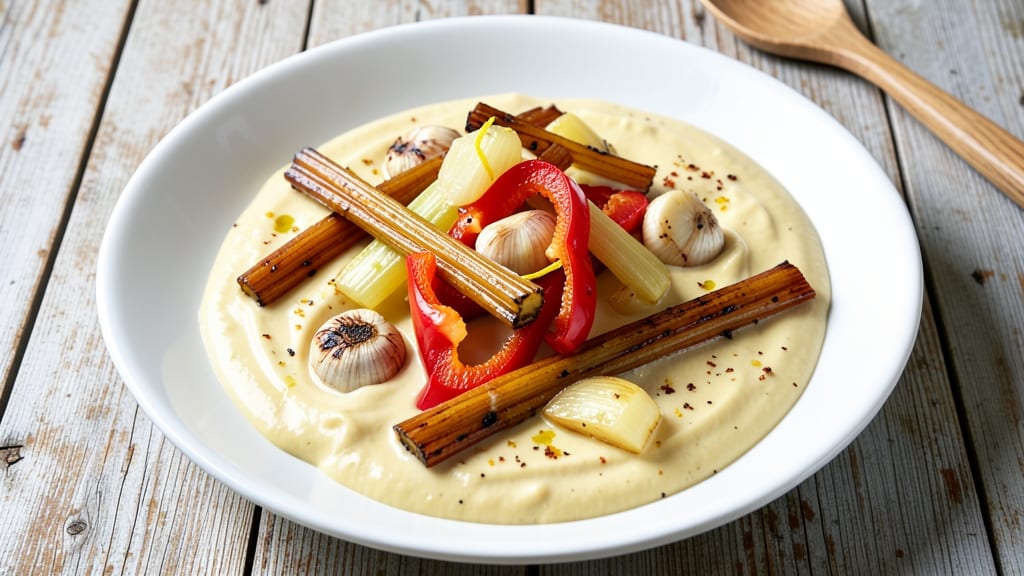
This creamy Alfredo sauce with vegetables transforms ordinary meals into restaurant-worthy dishes with just a few simple ingredients. The secret lies in blending roasted vegetables directly into the sauce, creating a velvety texture with natural sweetness and a subtle vinegar zing that balances richness.
What makes this sauce stand out is how it elevates everything it touches—whether drizzled over pasta, spooned onto grilled chicken, or used as a dip for crusty bread.
The process is straightforward but yields professional results: sauté vegetables until tender, blend them into a smooth purée, then combine with cream, butter, and a touch of vinegar for depth.
The key to achieving that signature creamy consistency is cooking the sauce low and slow, allowing the flavors to meld without breaking. This isn’t just a side—it’s the star of the plate, turning simple ingredients into something luxurious.
What you’ll end up with is a sauce that’s impossibly smooth, packed with vegetable flavor, and ready to use immediately or stored for up to five days. The vinegar brightens the richness, while the roasted vegetables add a caramelized sweetness that makes this sauce irresistibly versatile.
It’s the kind of recipe that proves homemade can taste better than anything you’d find in a jar.
Pair it with fettuccine for a classic dinner, spoon it over grilled steak for a decadent finish, or serve it as a dip with warm bread. The possibilities are endless, and the effort is minimal—just a few minutes of prep and a little patience for blending. Let’s make this sauce!
Ingredients for alfredo sauce with vegetables
Nine simple ingredients blend into a velvety sauce with caramelized vegetable depth.
| Ingredient | Amount | Notes |
|---|---|---|
| Heavy Cream 🧈 | 1 ½ cups | Full-fat for best creaminess |
| Unsalted Butter 🧈 | ½ cup | Cold, cubed for even melting |
| Celery Stalks 🧅 | 3 whole | Trimmed, cut into 1-inch pieces |
| Yellow Onion 🧅 | 1 whole | Medium, peeled and quartered |
| Garlic Cloves 🧄 | 3 cloves | Peeled, lightly smashed |
| Red Bell Pepper 🍆 | 1 whole | Medium, cored and chopped |
| White Wine Vinegar 🍷 | 1 tbsp | For bright acidity balance |
| Parmesan Cheese 🧀 | ½ cup | Freshly grated, fine texture |
| Extra-Virgin Olive Oil 🫒 | 2 tbsp | For roasting vegetables |
| Diamond Crystal Kosher Salt 🧂 | ½ tsp | For seasoning vegetables |
| Freshly Ground Black Pepper 🌶️ | ¼ tsp | For finishing sauce |
The vegetables are the secret weapon here. Celery and bell pepper add natural sweetness when roasted, while the onion and garlic build a rich aromatic base. For best results, grab organic vegetables at Whole Foods or your local farmers' market—their vibrant color means better flavor. Skip the pre-cut veggies; chopping fresh ensures maximum caramelization. The Parmesan should be freshly grated from a block; pre-grated versions contain anti-caking agents that ruin the sauce's silky texture.
No heavy cream? Full-fat coconut milk works in a pinch, though the sauce will be slightly lighter. Running short on celery? Substitute with an extra red bell pepper and a pinch of celery salt. The vinegar is non-negotiable for that restaurant-quality zing—apple cider vinegar adds subtle sweetness if you prefer. For extra richness, add 1 tablespoon of cream cheese when blending. The olive oil should be extra-virgin; cheaper varieties lack the fruity notes that elevate the roasted vegetables. If your garlic smells bitter, it's past its prime—replace it immediately.
Roasted vegetables keep for 3 days in the fridge, but blend them fresh for the best texture. The finished sauce reheats beautifully—simmer gently on low heat, stirring often, to prevent curdling. Portion into airtight containers and cover with a thin layer of olive oil to preserve freshness for up to 5 days. For longer storage, freeze in ice cube trays; thaw overnight in the fridge. The sauce thickens when cold, so thin with a splash of milk or broth before reheating if needed.
Why You'll Love This Recipe
- No Chopping Chaos: I swear by this sauce because the veggies—celery, onion, garlic—get a light sauté, not a full mirepoix. Toss them in while you boil pasta, and by the time you drain, they’re perfectly soft but still holding their shape. My lazy nights thank me every time.
- Creamy Without Guilt: That rich heavy cream and butter combo? It’s ridiculously smooth, but the roasted garlic and caramelized onion add depth you’d never guess from the ingredients. Honestly, I’ve had fancy restaurant alfredo that didn’t hit this hard—especially when you let it simmer until the sauce thickens just right.
- Pasta Party Fix: This sauce works over fettuccine, but I’ve also dumped it on roasted chicken, grilled fish, or even mashed potatoes when I’m in a rush. Between us, it’s my go-to for potlucks because it’s hearty enough to feed a crowd but still feels special. (Yes, even on a Tuesday night.)
- Leftovers That Don’t Suck: Make a double batch and reheat it later—it tastes just as good cold in sandwiches or warmed up over toast. I’ll be real: my freezer is packed with this stuff because it’s cheaper than takeout and way more satisfying. Plus, the veggies keep it from getting too heavy, so you won’t regret the leftovers.
Step-by-step instructions for creamy celery and vegetable Alfredo sauce
This method delivers a velvety sauce with perfectly balanced vegetables and a subtle vinegar brightness.
Roast the Vegetables for Maximum Flavor
Preheat your oven to 400°F and line a baking sheet with parchment paper. In a large bowl, toss together the 3 whole celery stalks (cut into 1-inch pieces), 1 whole yellow onion (quartered), 1 whole red bell pepper (cored and chopped), 2 tablespoons extra-virgin olive oil, ½ teaspoon Diamond Crystal kosher salt, and ¼ teaspoon freshly ground black pepper until evenly coated.
Spread the vegetables in a single layer on the prepared baking sheet. Roast for 20-25 minutes until the edges are deep golden brown and the vegetables are tender when pierced with a fork. The roasting caramelizes their natural sugars, creating a rich foundation for the sauce. Let them cool slightly before proceeding—they'll release their juices more easily when added to the sauce.
Build the Sauce Base with Butter and Cream
In a large saucepan, melt the ½ cup unsalted butter over medium heat until it foams but doesn't brown. Add the roasted vegetables along with the 3 lightly smashed garlic cloves and cook for 3-4 minutes until fragrant. The garlic should soften slightly but not brown—this prevents bitterness and ensures sweetness.
Pour in the 1.5 cups heavy cream and bring to a gentle simmer. Reduce heat to medium-low and let it cook uncovered for 5-6 minutes until slightly thickened. You'll see the sauce begin to coat the back of a spoon—a sign it's ready for the next step. This simmering process develops depth of flavor while keeping the sauce silky rather than grainy.
Add the Vinegar and Finish with Cheese
Stir in the 1 tablespoon white wine vinegar and let it simmer for another 1-2 minutes until the acidity is fully integrated. The vinegar might seem like an odd addition, but it brightens the richness of the cream and balances the natural sweetness of the roasted vegetables. Taste the sauce at this point—it should be creamy but not overly heavy.
Remove the sauce from heat and whisk in the ½ cup freshly grated Parmesan cheese until completely melted and smooth. The cheese should dissolve evenly, creating a luxurious texture. If the sauce is too thick, whisk in 1-2 tablespoons hot water to reach your desired consistency. The finished sauce should coat the back of a spoon but still flow freely when poured.
Adjust Seasoning and Prepare for Serving
Return the sauce to low heat and let it warm through for 1-2 minutes. Taste and adjust seasoning with additional kosher salt or black pepper if needed. The sauce should be rich, creamy, and slightly tangy from the vinegar. If you prefer a smoother texture, strain it through a fine-mesh sieve to remove any vegetable bits.
Serve immediately over pasta, grilled chicken, or roasted vegetables. The sauce will continue to thicken slightly as it sits, so adjust consistency just before serving if needed. For best results, keep the sauce warm in a slow cooker or double boiler until ready to serve—this maintains its velvety texture without breaking.
Pro Tips For Making Alfredo Sauce With Vegetables
- SWEEAT THE VEGETABLES FIRST: Dump chopped celery, onion, and garlic into a cold pan with a splash of water—just enough to deglaze—and let them sit for 30 seconds before turning the heat to medium. This jumpstarts the softening process without burning, and you’ll end up with a silky base instead of a bitter, charred mess. (Yes, even if you’re impatient like me.)
- USE COLD CREAM, NOT HOT: After cooking the veggies, pull the pan off the heat and let it cool for two minutes—just until you can touch it. Then stir in the heavy cream and butter slowly while whisking. Cold cream blends smoother and doesn’t curdle, giving you a velvety sauce instead of a lumpy one. I learned this the hard way after three batches of gluey Alfredo.
- SALT THE CREAM: Taste the cream before adding it to the pan—then add salt (about ½ teaspoon per cup) and a pinch of black pepper. The cream carries flavor better than you’d think, and it prevents the sauce from tasting bland even if your butter was unsalted. (Your future self will notice the difference.)
- STRAIN THE VEGETABLES: After cooking the veggies, press them through a fine-mesh sieve or strainer before mixing with the cream. This removes grit and keeps the sauce silky, especially if you’re using chunky celery or onion. It’s an extra 30 seconds, but the texture upgrade is worth it—no one wants to bite into a celery stalk in their Alfredo.
Make-ahead tips for this recipe
Prep Ahead Vegetables
Roast the vegetables up to 3 days in advance and store them in an airtight container in the fridge. The flavors deepen over time, making the sauce even more complex.
When ready to make the sauce, simply reheat the roasted veggies in a skillet with 1 tablespoon olive oil over medium heat for 3-4 minutes to revive their aroma. This shortcut saves you 20-25 minutes of active prep time on the day you cook. 🌱
Sauce Storage Secrets
Store the finished sauce in glass jars (not plastic) in the fridge for up to 5 days. The sauce thickens as it cools, so whisk in 1-2 tablespoons warm water before reheating.
For longer storage, freeze in 1-cup portions—thaw overnight in the fridge and stir in 1 tablespoon heavy cream to restore creaminess. The sauce reheats best on the stovetop over low heat to prevent curdling. 🧊
Freezer-Friendly Cubes
Portion the sauce into ice cube trays for easy single-use servings. Once frozen, transfer the cubes to a freezer bag and store for up to 3 months.
To use, drop 2-3 cubes directly into hot pasta water or a skillet with 1 tablespoon butter—they’ll melt instantly, creating a velvety finish. This method preserves texture perfectly and eliminates the need to thaw entire batches. 🔥
Make-Ahead Meal Prep
Combine the sauce with cooked pasta (like fettuccine) and store in airtight containers for 3-4 days. When reheating, cover with a damp paper towel and microwave on 50% power for 1-2 minutes, stirring halfway.
For grilled chicken or veggie bowls, store the sauce separately and toss with the main components just before serving to maintain freshness. This approach turns the sauce into a 5-minute meal solution. ✨
Vegetable Variations
Swap the celery, onion, and bell pepper for mushrooms, zucchini, or leeks—roast them using the same method. For a lighter version, replace half the heavy cream with low-fat Greek yogurt (though the texture will be slightly thinner).
If using mushrooms, add 1 teaspoon soy sauce to the roasting pan for umami depth. Each variation changes the sauce’s profile while keeping the make-ahead benefits. 🍄
Equipment Shortcuts
Skip the food processor by mashing the roasted vegetables with a potato masher or fork in the saucepan—it won’t be as smooth but still delicious. For a single-serving version, halve the recipe and use a mini blender (like the Ninja Mini) to blend directly in the saucepan.
A slow cooker also works: combine all ingredients (except Parmesan) on low for 2 hours, then stir in cheese at the end. These tweaks keep the process flexible and stress-free. 💡
Nutrition facts
Frequently asked questions
Can I make this vegetable Alfredo sauce without heavy cream?
Yes! For a lighter version, replace half the heavy cream with full-fat coconut milk or Greek yogurt. The texture will be slightly thinner but still creamy. If you're avoiding dairy entirely, use cashew cream (blended soaked cashews with water) for a rich, plant-based alternative. Just remember that coconut milk adds a subtle sweetness, so reduce the vinegar slightly to balance flavors.
Why does my sauce get grainy when I add Parmesan?
Graininess happens when cheese doesn't melt smoothly or when the sauce separates. Always use freshly grated Parmesan (pre-grated versions contain anti-caking agents that prevent proper melting). To avoid lumps, whisk the cheese into the warm sauce off the heat, then return to low heat for 1-2 minutes while stirring constantly. If it still looks grainy, strain through a fine-mesh sieve for a silky finish.
What's the best way to reheat leftover sauce?
Reheat gently on the stovetop over low heat with a splash of heavy cream or milk to restore creaminess. Never microwave directly—it causes curdling. If the sauce thickens too much, whisk in 1-2 tablespoons warm water to reach your desired consistency. For extra insurance, stir in 1 tablespoon butter while reheating to help emulsify the sauce.
Can I use frozen vegetables instead of fresh?
Fresh vegetables work best for this recipe because their texture and flavor transform during roasting. However, if you must use frozen, thaw and pat them completely dry first, then roast at 400°F for 15-20 minutes (they'll release more moisture). For best results, stick with fresh—especially celery, which holds up better to roasting when fresh.
How do I make this sauce nut-free for allergies?
This recipe is naturally nut-free, but if you're avoiding all potential cross-contamination, use a clean food processor and avoid any nut-based cream substitutes. The original recipe with heavy cream, butter, and Parmesan is perfectly safe for nut allergies. Always check your Parmesan label to confirm it's processed in a nut-free facility if severe allergies are a concern.