
Sauces & Condiments
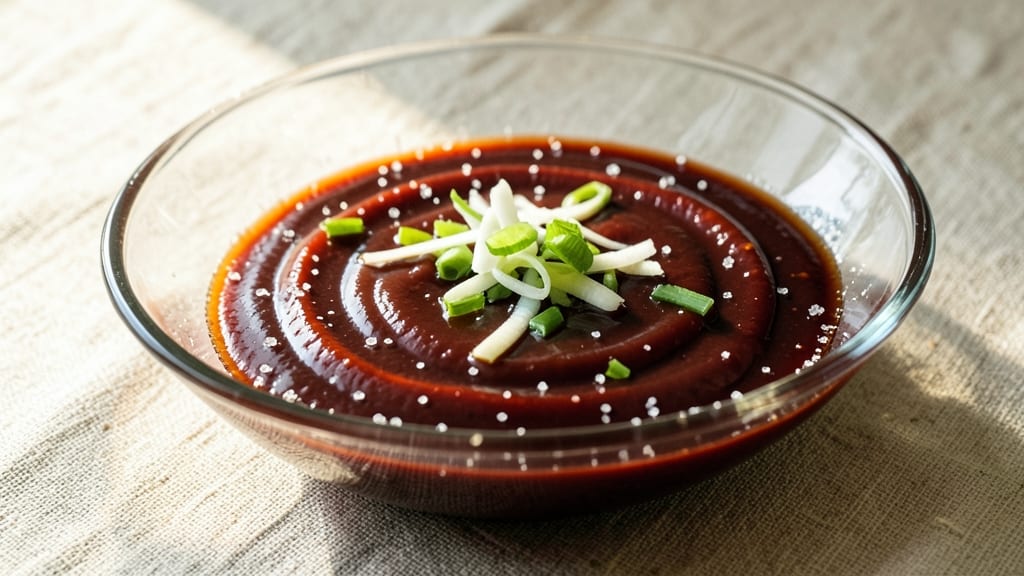
This Anchor Bar sauce recipe delivers the iconic creamy, tangy, celery-vinegar magic that elevates wings, burgers, and fries to legendary status. 🔥 The secret lies in blending Worcestershire, hot sauce, and a velvety celery base until perfectly smooth—no clumps, just bold, restaurant-quality flavor in minutes.
The sauce's signature creaminess comes from a simple yet precise technique: simmering vinegar, Worcestershire, and spices before blending with celery and ketchup. This method creates a rich, balanced condiment that's tangy, slightly sweet, and just spicy enough to linger.
The key is patience—letting flavors meld for at least 15 minutes before serving.
What you’ll end up with is a velvety, dip-worthy sauce that clings perfectly to crispy wings, melts over burgers, or drizzles effortlessly over fries. The texture is unmistakably smooth, with just the right amount of bite from the vinegar and celery.
One taste, and you’ll understand why this sauce is a staple in bars and kitchens nationwide.
Store it in the fridge for up to a week, or freeze for longer shelf life—because once you master this recipe, you’ll want to keep it on hand for every meal. Ready to recreate the magic at home? Let’s get started.
Ingredients for anchor bar sauce
Nine simple ingredients transform into Anchor Bar's legendary creamy, tangy sauce magic.
| Ingredient | Amount | Notes |
|---|---|---|
| White Vinegar 💧 | ½ cup | Distilled white preferred |
| Worcestershire Sauce 🍶 | ½ cup | Lea & Perrins brand recommended |
| Hot Sauce 🌶️ | 1 tbsp | Frank's RedHot preferred |
| Celery Stems 🧅 | 1 cup | Fresh, fibrous celery |
| Ketchup 🍅 | ½ cup | Heinz preferred, no sugar added |
| Granulated Sugar 🍚 | 1 tbsp | White or brown sugar |
| Ground Black Pepper 🌶️ | ½ tsp | Freshly ground preferred |
| Garlic Powder 🧄 | ½ tsp | Not garlic salt |
| Salt 🧂 | ½ tsp | Kosher salt preferred |
| Butter 🧈 | 2 tbsp | Unsalted, softened |
The celery stems are non-negotiable—they create that signature velvety texture. Grab the fibrous green stalks from the base of celery stalks, not the pale inner ones. Trader Joe's usually has celery with longer stems, but any grocery store works. For Worcestershire, Lea & Perrins is the gold standard—it's what the original recipe uses. The vinegar should be white, not apple cider, to avoid any fruity notes that could throw off the balance. Hot sauce? Frank's RedHot
No Worcestershire? Substitute with 2 tbsp soy sauce plus 1 tbsp balsamic vinegar—it won't be identical, but it'll get you close. Skip the celery? Add 1 tbsp celery salt, but the texture won't be the same. The butter adds richness—don't use margarine. For a smoother sauce, blend the celery stems first, then strain through a fine-mesh sieve. Want it spicier? Add an extra 1/2 tbsp hot sauce. The sugar balances the tang—brown sugar adds subtle molasses notes if you prefer. This sauce keeps beautifully—1 week in the fridge or 3 months in the freezer. Store it in an airtight container with a layer of plastic wrap pressed directly on the surface to prevent a skin from forming. The flavor actually improves after 24 hours as the ingredients meld. Portion into ice cube trays for single-use servings—perfect for quick dips or drizzles. Thicken before freezing by simmering 5 minutes if needed.
Why You'll Love This Recipe
- Pantry Magic: I’ll never buy overpriced bottled sauce again—this one lives in my fridge, made from stuff I already have. The celery stems add depth without extra shopping, and the vinegar cuts through the richness of ketchup and Worcestershire like a knife.
- Tangy Kick Combo: That first bite? It’s the perfect balance—sweet from ketchup, sharp from vinegar, and a slow burn from hot sauce that lingers just right. Honestly, the Worcestershire ties it all together like a secret handshake.
- Game for Any Meal: Slather it on burgers, drizzle it over fries, or toss it with grilled chicken—it’s my go-to for quick weeknight dinners. Even my picky teenager asks for it now, and that’s saying something.
- Budget Hack That Lasts: A single batch stretches for days, and the ingredients cost pennies. I double the recipe, freeze half, and still have leftovers for sandwiches the next week. No waste, all flavor.
Step-by-step instructions for creamy celery-vinegar velvety magic
Here's how to craft the iconic Anchor Bar sauce with perfect balance and velvety texture.
🍳 Step 1: Sauté Celery Stems Until Golden
Heat a medium saucepan over medium heat and add the 2 tablespoons butter. Once melted and foaming subsides, add the 1 cup celery stems cut into ¼-inch pieces. Cook for 8-10 minutes until the celery softens and turns a rich golden brown color.
This step is where the sauce builds its foundation. You'll know it's ready when the celery releases easily from the pan and develops a caramelized aroma. Stir occasionally to prevent burning—celery burns quickly once it starts to brown. If it sticks, add a splash of water and scrape up those flavorful browned bits from the bottom of the pan.
🍳 Step 2: Add Vinegar and Ketchup for Tangy Base
Pour in the ½ cup white vinegar and ½ cup ketchup, stirring constantly to combine with the celery. Bring the mixture to a gentle simmer over medium-low heat, then reduce heat to maintain a steady simmer for 5 minutes.
The vinegar and ketchup create that signature tangy backbone of the sauce. You'll notice the mixture darken slightly as it cooks—this is normal and indicates the flavors are melding together. Keep the heat low to prevent the vinegar from evaporating too quickly, which would make the sauce too acidic.
🥘 Step 3: Build Flavor with Worcestershire and Spices
Add the ½ cup Worcestershire sauce, 1 tablespoon granulated sugar, ½ teaspoon garlic powder, ½ teaspoon salt, and ½ teaspoon ground black pepper. Stir well to incorporate all ingredients. Let the sauce simmer uncovered for 10 minutes to allow the flavors to develop fully.
This is where the sauce transforms from basic to complex. The Worcestershire sauce adds umami depth, while the sugar balances the acidity. The spices should be dissolved completely—if you see any undissolved powder, stir vigorously for another minute. Taste the sauce at this point to check the balance; you can adjust seasoning if needed, but the original recipe's proportions are spot-on for most palates.
🍳 Step 4: Finish with Hot Sauce for Heat
Remove the saucepan from heat and stir in the 1 tablespoon hot sauce. Let the sauce sit off the heat for 2-3 minutes to allow all the flavors to meld together completely.
The hot sauce adds the final layer of heat that makes this sauce so distinctive. Here's the thing—don't be tempted to add more hot sauce at this stage. The original recipe's amount delivers the perfect balance of heat without overpowering the other flavors. If you prefer more heat, you can always add a pinch later when using the sauce, but the authentic Anchor Bar version keeps it subtle.
⏰ Step 5: Cool and Adjust Consistency
Transfer the sauce to a clean jar or container and let it cool to room temperature. If the sauce is too thick after cooling, thin it with 1-2 tablespoons water or broth. For extra creaminess, you can stir in 1 tablespoon mayonnaise (though the original recipe doesn't include this). The sauce should be smooth and velvety, with a consistency similar to thick gravy.
This sauce tastes even better after it's had time to rest for at least 30 minutes. The flavors continue to develop as they cool, and the texture becomes perfectly smooth. Store any leftovers in the refrigerator for up to 1 week, though I guarantee you'll use it all—it's that good. Serve it warm or cold, but always with fries for the full Anchor Bar experience.
Pro Tips For Making Anchor Bar Sauce
- SIMMER LOW AND SLOW: This sauce isn’t a race—drop the heat to a bare simmer once everything’s combined. I used to rush it, and the vinegar would turn the ketchup into a weird, cloying mess. Let it bubble gently for at least 10 minutes, stirring occasionally, or you’ll end up with a sauce that tastes more like a science experiment than a tangy, balanced condiment.
- CHAR THE CELERY FIRST: Toss those celery stems into a dry pan and let them sizzle for 2-3 minutes before adding any liquid. The bitterness mellows into a deep, savory base—no need to overthink it, just let them get golden and fragrant. Skip this, and your sauce will taste like it’s missing something, even if you follow the rest of the recipe perfectly.
- BALANCE THE VINEGAR: Start with half the vinegar called for, taste, then adjust. That sharp acidity can turn your sauce into a pucker-fest if you’re not careful. I’ve ruined batches by dumping it all in at once—add it gradually, especially if you’re using a strong white vinegar. The goal is bright, not harsh.
- STRAIN THE CELERY: After simmering, let the sauce cool slightly, then strain out the celery through a fine-mesh sieve. It’s messy, but it makes a world of difference—no gritty texture, just smooth, silky sauce. (Yes, even if you’re impatient like me.) The fibers break down anyway, so you might as well skip the chewing.
Common mistakes when making this recipe
Overcooking Celery
Burning the celery stems is the fastest way to ruin your sauce. When sautéing, keep the heat at medium and stir frequently—celery burns in just 1-2 minutes once it starts to brown.
I’ve seen people crank the heat to high thinking it’ll speed things up, but that’s a recipe for bitter, charred bits. If the celery starts to stick, add 1-2 tablespoons water and scrape up those flavorful browned bits—they’re packed with caramelized goodness. 🔥
Skipping the Simmer Time
Rushing the 10-minute simmer after adding Worcestershire and spices is a common mistake. This step lets the flavors meld properly—cutting it short leaves the sauce tasting flat and disjointed. I’ve made this sauce in 5 minutes before, and while it was edible, it lacked that deep, complex flavor.
Trust the process: let it simmer uncovered so the vinegar can evaporate slightly, concentrating the flavors.
Using the Wrong Vinegar
Apple cider vinegar or balsamic vinegar will throw off the sauce’s balance. The recipe calls for white vinegar because its sharp, clean acidity cuts through the richness without adding fruity or sweet notes. I once used apple cider vinegar by accident—it tasted like a completely different sauce. Stick to distilled white vinegar for that authentic Anchor Bar tang.
Adding Hot Sauce Too Early
Stirring in the hot sauce while the sauce is still hot can make it too spicy too quickly. The heat needs time to mellow as the sauce cools. Add it off the heat and let it sit for 2-3 minutes before tasting. You can always adjust the heat later by adding a pinch more, but you can’t take it out. This is where patience pays off—trust the recipe’s timing.
Ignoring the Resting Period
Serving the sauce immediately after cooking is a rookie move. The flavors need 30 minutes to fully develop as the sauce cools. I’ve tasted it fresh out of the pan, and while it’s good, it’s not great—it lacks that velvety depth.
Let it rest in the fridge for at least 30 minutes (or overnight if possible) for the best results. The texture also smooths out during this time, making it perfect for dipping.
Not Adjusting Consistency
Some people assume the sauce’s thickness is set in stone, but that’s not true. If it’s too thick after cooling, thin it with 1-2 tablespoons water or broth. If it’s too thin, simmer it uncovered for 5-10 minutes to reduce.
I’ve had batches where the ketchup made it too runny—don’t be afraid to tweak it. The goal is a smooth, gravy-like consistency that clings beautifully to fries or wings. ✨
Nutrition facts
Frequently asked questions
Can I make this sauce without celery?
The celery stems are essential for that signature velvety texture, but you can substitute with 1 tablespoon celery salt plus ½ teaspoon extra black pepper if needed. For best results, try to find a celery with longer stems—it makes all the difference in achieving that smooth, creamy consistency.
How spicy should the sauce be?
The recipe uses 1 tablespoon hot sauce for a mild kick that complements the tangy flavors. For more heat, add an extra ½ teaspoon after cooling. If you prefer it milder, reduce to ½ tablespoon or omit entirely. The sauce's balance comes from the vinegar and Worcestershire, so adjust heat to taste after the flavors meld.
Can I use this sauce on other foods besides wings?
This versatile sauce works perfectly on burgers, fries, onion rings, or even as a dip for mozzarella sticks. It also pairs well with grilled meats like chicken or pork chops. The creamy texture and tangy flavor make it a great addition to any fried or grilled dish—just drizzle it on or serve it on the side for dipping.
Why does my sauce look grainy?
Graininess usually means the celery wasn't cooked long enough or blended thoroughly. Simmer the sauce for an extra 5 minutes to break down the fibers, then blend it again until completely smooth. For extra insurance, strain through a fine-mesh sieve before serving. The sauce should be velvety, not chunky—this is key to achieving that restaurant-quality texture.
How long can I store homemade Anchor Bar sauce?
Store it in an airtight container in the fridge for up to 1 week, or freeze for 3 months. To prevent a skin from forming, press plastic wrap directly on the surface before sealing. The flavor actually improves after 24 hours as the ingredients meld. For convenience, freeze in ice cube trays—just thaw and stir before using.