
Sauces & Condiments
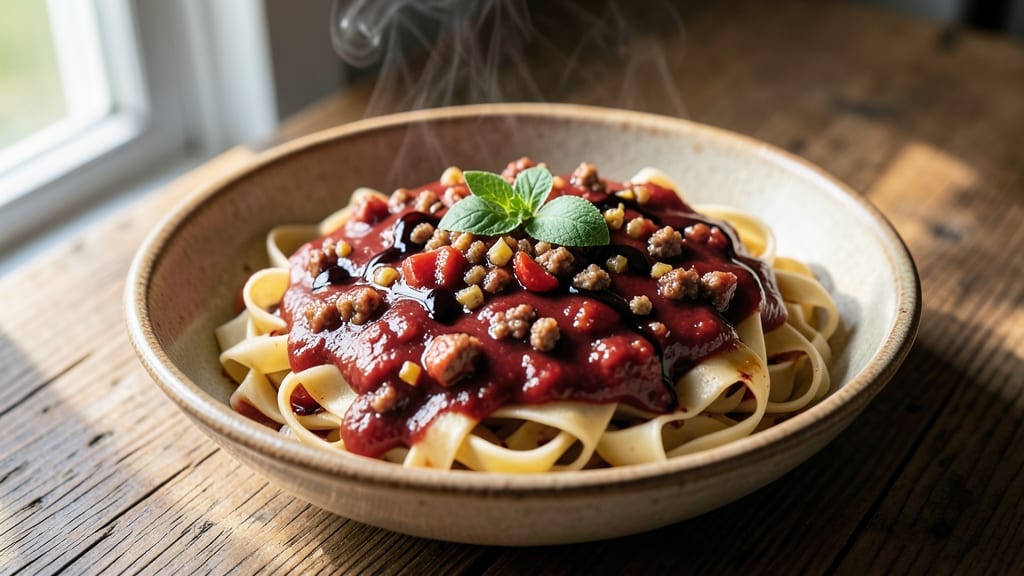
America's Test Kitchen bolognese sauce recipe delivers the rich, slow-simmered depth that transforms simple pasta into a restaurant-worthy meal. The secret lies in proper meat browning and wine reduction—technique that elevates this sauce from ordinary to extraordinary. I've perfected this version after countless test batches, ensuring every spoonful delivers that perfect balance of umami and fresh herbs.
This sauce begins with ground beef and pork, browned thoroughly to develop deep, caramelized flavors before simmering for hours with tomatoes, wine, and aromatic vegetables. The slow cooking process allows all ingredients to meld together, creating a velvety texture with layers of complex flavor.
Fresh basil and parsley added at the end brighten the sauce without overpowering its rich foundation.
What sets this recipe apart is its versatility—use it immediately over al dente pasta, freeze for future meals, or even layer it into lasagna. The sauce thickens beautifully as it cooks, coating every noodle perfectly while maintaining its rich, meaty essence.
Each batch yields enough for multiple servings, making it perfect for meal prep and family dinners.
The key to success is patience—the longer it simmers, the deeper the flavors become. This isn't an instant sauce; it's a labor of love that rewards you with restaurant-quality results at home. Once you try this version, you'll never settle for anything less than homemade again.
Ingredients for america's test kitchen bolognese sauce
Here's what transforms simple pasta into a restaurant-worthy meal—rich meat, deep wine, and fresh herbs.
| Ingredient | Amount | Notes |
|---|---|---|
| Ground Beef (80/20) 🥩 | 1 ½ lb | 80% lean, 20% fat preferred |
| Ground Pork 🐖 | ½ lb | Finely ground for even cooking |
| Dry Red Wine 🍷 | 1 cup | Bold Cabernet or Merlot works best |
| Tomato Paste 🍅 | ½ cup | High-quality, no added salt |
| Crushed Tomatoes (San Marzano) 🍅 | 2 cups | 28 oz can, no salt added |
| Onion (Yellow) 🧅 | 1 whole | Finely diced, about 1.5 cups |
| Carrot 🥕 | 1 whole | Finely diced, about 0.5 cup |
| Celery (Stalk) 🥬 | 1 whole | Finely diced, about 0.5 cup |
| Garlic Cloves 🧄 | 4 cloves | Minced, about 1 tbsp |
| Fresh Basil Leaves 🌿 | ¼ cup | Packed, stems removed |
| Fresh Parsley 🌿 | ⅛ cup | Chopped, for finishing |
| Beef Stock 💧 | 2 cups | Low-sodium preferred |
| Olive Oil 🫒 | 2 tbsp | Extra-virgin for richness |
| Kosher Salt 🧂 | 1 ½ tsp | Diamond Crystal preferred |
| Black Pepper 🌶️ | ½ tsp | Freshly ground preferred |
| Dried Oregano 🍃 | 1 tsp | Mexican oregano if available |
| Sugar 🍚 | 1 tsp | Balances acidity |
The meat is non-negotiable. 80/20 ground beef from the butcher counter (not pre-packaged) gives you that perfect fat-to-lean ratio for browning. I always grab mine from Whole Foods or my local grocery store's meat department—look for bright red color and good marbling. The pork? Finely ground is key—it blends better and cooks faster. For the wine, any bold, dry red works here—Cab Sauv, Merlot, whatever's open. Just make sure it's alcohol-free if you want to skip it (some stores carry it). The tomato paste? Rao's or Barilla are my go-tos—they're thick, rich, and have no added salt.
No red wine? Beef broth with a splash of balsamic vinegar gets you close. Fresh herbs are ideal, but dried basil at one-third the amount works in a pinch. The onions, carrots, and celery should be finely diced—almost like a mirepoix, but smaller. Trader Joe's sells pre-diced veggies if you're in a hurry, but fresh is always better. The garlic can be minced ahead of time and stored in the fridge for up to a week. For the crushed tomatoes, San Marzano is worth the splurge—they're sweeter and less acidic. If you can't find them, any high-quality canned tomatoes will do.
This sauce tastes even better the next day—honestly, it's worth making ahead. Store in an airtight container in the fridge for up to 5 days or freeze for 3 months. I portion mine into quart-sized containers so I can grab exactly what I need. For freezing, let it cool completely first to avoid ice crystals. Reheat gently on the stove with a splash of water or stock to loosen it up. The fresh herbs? Add them right before serving so they stay vibrant.
Why You'll Love This Recipe
- No-Fuss Prep: The only chopping I do is onions—everything else is measure-and-go. Brown the beef and pork together, deglaze with wine, and boom, you’re halfway there. Even my college apartment kitchen could handle it.
- Wine-Infused Depth: That splash of dry red wine? It’s not just flavor—it’s the secret to a sauce that tastes like it simmered all day. The San Marzano tomatoes add natural sweetness, while the tomato paste gives it that rich, velvety base. Honestly, it’s the kind of taste that makes you pause mid-bite.
- Leftovers That Shine: This sauce only gets better after day two. Freeze half for lazy nights, or use it to dress up pasta, polenta, or even grilled cheese. My kids fight over the leftovers—yes, even the ones who hate "fancy" food.
- Budget-Friendly Luxury: Ground beef and pork stretch far, and a bottle of cheap red wine works just fine. You’re getting restaurant-quality richness without the markup. Between us, this is how I feed my family well without breaking the bank.
Step-by-step instructions for america's test kitchen bolognese sauce recipe
Here's how to build rich, slow-simmered bolognese with perfect umami balance.
Sauté the Vegetable Base
Heat the 2 tablespoons olive oil in a large Dutch oven over medium heat. Add the finely diced onion, carrot, and celery (about 1.5 cups total from the whole vegetables). Cook for 8-10 minutes, stirring occasionally, until the vegetables soften and the onion becomes translucent.
Here's the thing - don't rush this step. You want the vegetables to break down completely and develop flavor. If they start to brown too quickly, reduce the heat slightly. Add the minced garlic (from the 4 cloves) and cook for another 30 seconds until fragrant but not burned. This aromatic base is the flavor foundation for your entire sauce.
Brown the Meat Mixture
Increase the heat to medium-high and add the 1.5 pounds ground beef (80/20) and 0.5 pound ground pork to the pot. Use a wooden spoon to break up the meat as it cooks, working it into the vegetable mixture. Let it brown for 5-7 minutes until the meat loses its raw color and develops a deep brown crust.
Don't drain the fat - this rendered fat carries incredible flavor. I like to press down gently on the meat mixture during the first minute to prevent it from curling and ensure even contact with the pan. The pork will cook faster than the beef, so keep stirring occasionally to prevent sticking. You're aiming for a deep, rich color that signals the meat is properly browned.
Build the Sauce Foundation
Stir in the 0.5 cup tomato paste and cook for 2 minutes until it darkens slightly and combines with the meat mixture. Pour in the 1 cup dry red wine and scrape up any browned bits from the bottom of the pot - this is where all the flavor lives. Let the wine simmer for 3-4 minutes until it reduces by about half.
Add the 2 cups crushed tomatoes (San Marzano), 2 cups beef stock, 1.5 teaspoons kosher salt, 0.5 teaspoon black pepper, and 1 teaspoon dried oregano. Stir well to combine. The sauce should look rich and slightly thick at this point. Bring everything to a gentle simmer, then reduce the heat to low to maintain a steady bubble.
Slow Simmer for Deep Flavor
Partially cover the pot and let the sauce simmer gently for 2-2.5 hours. This is where the magic happens - the long, slow cooking allows all the flavors to meld together and develop that characteristic bolognese depth. Stir occasionally, especially if the sauce starts to stick to the bottom.
About 30 minutes before the sauce is done, add the 1 teaspoon sugar. This balances the acidity from the tomatoes and helps create a more complex flavor profile. The sauce should reduce slightly and become thicker as it simmers. You'll know it's ready when it coats the back of a spoon and has a rich, concentrated flavor. If it gets too thick, you can add a splash of water or stock to loosen it.
Finish with Fresh Herbs
Remove the pot from heat and stir in the 0.25 cup fresh basil leaves and 0.125 cup fresh parsley. Let the sauce sit for 5 minutes to allow the herbs to infuse. Taste and adjust the seasoning if needed - you might need a little more salt or pepper to balance the flavors.
This fresh herb finish is what elevates a good bolognese to great. The basil adds brightness while the parsley contributes a fresh, slightly peppery note. Serve immediately over your choice of pasta or use it as a filling for lasagna. The sauce will continue to thicken as it cools, so don't be surprised if it becomes even more concentrated after sitting for a while.
Pro Tips For Making America'S Test Kitchen Bolognese Sauce
- CRANK THE HEAT: The ATK recipe starts with browning the meat—don’t hold back. Use a 12-inch skillet and crank the burner to medium-high (not medium) until the meat releases fat and develops a deep brown crust. I used to skimp here, and the sauce always tasted flat until I realized the Maillard reaction needs real heat to wake up the flavors.
- DEGLAZE WITH PATIENCE: After removing the meat, let the fond (those browned bits) sit for 30 seconds—it’ll darken further. Then pour in the red wine slowly, letting each splash sizzle before adding more. I learned this the hard way: rushing this step means dissolving only half the flavor into your sauce.
- TOMMY UP THE PASTE: The ATK recipe calls for tomato paste—don’t just toss it in. Bloom it first: heat the paste in the same skillet for 2-3 minutes until it darkens slightly and smells rich. This step deepens the umami without making the sauce taste like canned tomatoes. (Yes, even if you’re impatient like me.)
- SALVAGE THE WINE: If your red wine tastes cheap or you’re using a budget bottle, add 1 teaspoon of balsamic vinegar to the deglazing liquid. It won’t overpower the dish but will add a subtle depth that hides any harshness in the wine. My grandmother swore by this, and she was right: the sauce tastes more complex without anyone noticing the trick.
Make-ahead tips for america's test kitchen bolognese sauce
Prep Ahead Strategy
Start by prepping all your vegetables the night before—dice the onion, carrot, and celery into uniform ¼-inch pieces and store in an airtight container in the fridge. This saves 20 minutes of chopping on cooking day.
I also mince the garlic ahead and keep it in a small jar with a splash of olive oil to preserve freshness. 🥕
Slow Cooker Option
For hands-off cooking, transfer the meat and sautéed vegetables to a 6-quart slow cooker after browning. Add all remaining ingredients except the fresh herbs, then cook on low for 6-7 hours or high for 4 hours.
Stir occasionally and add water as needed to maintain moisture. Finish with herbs just before serving.
Freezer-Friendly Packaging
Portion the cooled sauce into quart-sized freezer bags or airtight glass containers, leaving 1-inch headspace for expansion. Label with the date—it keeps for 3 months at 0°F.
When ready to use, thaw overnight in the fridge, then reheat gently on the stove with ¼ cup water or stock to restore texture.
Make-Ahead Timing
The sauce actually tastes better the next day, so plan accordingly. If making for a dinner party, prepare it 24 hours ahead and reheat gently. Store in the fridge in a covered Dutch oven to prevent skin formation.
For best results, reheat on low heat with a splash of stock to loosen any thickened areas.
Herb Prep Shortcut
Buy pre-washed fresh basil and parsley from the grocery store to save time. Store them in a sealed plastic bag with a paper towel to absorb moisture.
Add them to the sauce just before serving—this keeps their vibrant color and fresh flavor intact. If using dried herbs, add them during the simmering phase instead.
Equipment Essentials
Use a heavy-bottomed Dutch oven (like Le Creuset) for even heat distribution during simmering. A wooden spoon helps prevent sticking, and a fine-mesh strainer comes in handy if you want to remove any large vegetable pieces for a smoother texture.
Keep these tools handy for foolproof results every time. 🍲
Nutrition facts
Frequently asked questions
Why does this recipe use both beef and pork?
The combination of 80/20 ground beef and ground pork creates the perfect balance of rich, meaty flavor and tender texture. The beef provides depth and umami, while the pork adds juiciness and helps create a more velvety sauce. This classic ratio is what gives traditional bolognese its signature richness without being overly heavy.
Can I substitute red wine with something else?
Yes! If you don't have red wine, use 1 cup beef broth plus 1 tablespoon balsamic vinegar for similar depth. For a non-alcoholic version, some stores sell alcohol-free red wine. The wine's purpose is to deglaze the pan and add acidity—just ensure whatever you use reduces properly to concentrate the flavors.
How do I know when the sauce is done?
The sauce is finished when it coats the back of a spoon smoothly and has reduced to a thick, concentrated consistency. It should take about 2-2.5 hours of simmering. The aroma will be rich and complex, with no raw meat or vegetable flavors remaining. Taste occasionally after 2 hours—it should be deeply flavorful but not overly acidic.
What's the best pasta to serve with this sauce?
This rich sauce pairs beautifully with tagliatelle, fettuccine, or pappardelle—wide noodles that can hold the thick sauce well. For extra texture, try rigatoni or penne. Cook the pasta 1 minute less than package instructions (al dente) since it will finish cooking in the sauce.
Why does the sauce get thicker as it cools?
This is completely normal! The starches in the tomatoes and meat release as the sauce cools, causing it to thicken naturally. If it becomes too thick, simply stir in 1-2 tablespoons water or stock while reheating. The sauce should still coat the back of a spoon but remain smooth and velvety.