
Sauces & Condiments
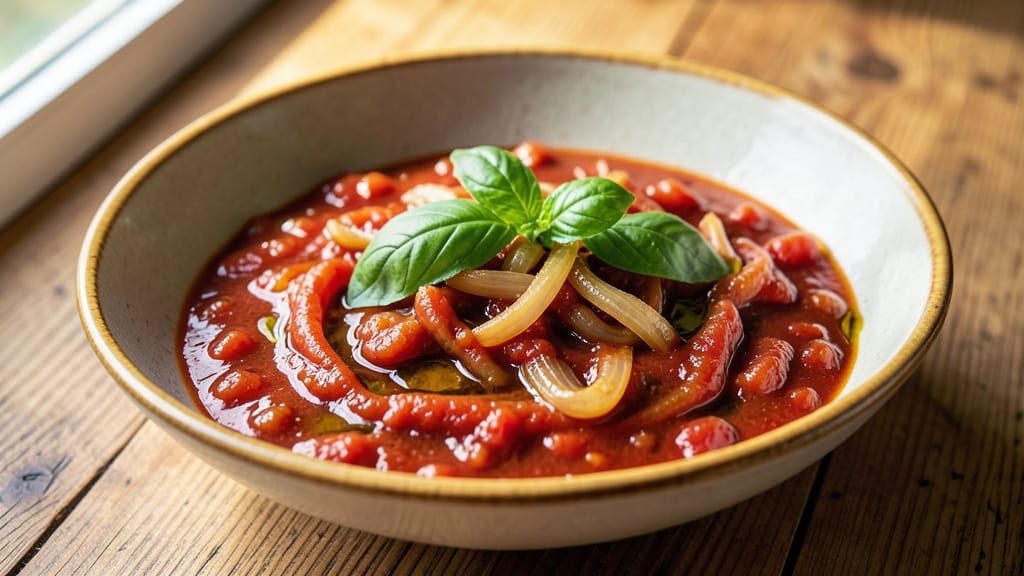
America's Test Kitchen spaghetti sauce delivers restaurant-quality depth with a perfect balance of slow-simmered richness and bright fresh herbs. The secret lies in caramelizing onions and garlic before adding crushed tomatoes, creating layers of umami that build as it simmers for hours.
This isn't your basic jarred sauce—it's a complex, velvety sauce with concentrated tomato flavor and just the right herbal finish.
The technique focuses on three critical elements: proper onion caramelization, controlled simmering time, and fresh basil added at the end to preserve its bright aroma. Unlike many recipes, this version avoids excessive sugar while still achieving that perfect balance of sweetness and acidity.
The sauce thickens beautifully as it reduces, clinging to every strand of pasta without being overly heavy.
What makes this sauce truly special is its versatility—use it with any pasta shape, toss it with grilled chicken or meatballs, or serve it as a hearty stew base. The flavor actually improves after refrigeration, making it perfect for meal prep.
With just 10 simple ingredients and one key technique, you'll achieve professional-quality results that taste like you spent hours in the kitchen.
Storage is effortless—this sauce keeps in the refrigerator for up to 5 days or freezes beautifully for up to 3 months. The fresh herb addition at the end ensures vibrant flavor even after reheating.
Whether you're feeding a family or planning ahead for busy weeks, this sauce delivers consistent, delicious results every time.
Ingredients for america's test kitchen spaghetti sauce
Restaurant-quality spaghetti sauce starts with these 11 simple yet powerful ingredients.
| Ingredient | Amount | Notes |
|---|---|---|
| Yellow Onions 🧅 | 2 whole | Thinly sliced, caramelized slow |
| Garlic Cloves 🧄 | 4 cloves | Peeled, minced finely |
| Extra-Virgin Olive Oil 🫒 | ½ cup | High quality, fruity flavor |
| Canned Crushed Tomatoes 🍅 | 28 oz | San Marzano preferred |
| Tomato Paste 🍅 | 1 tbsp | Squeeze tube preferred |
| Dry Red Wine 🍷 | ½ cup | Bold, dry variety |
| Dried Oregano 🌿 | 1 tsp | Mexican preferred |
| Bay Leaves 🌿 | 2 whole | Fresh preferred |
| Fresh Basil Leaves 🌿 | ¼ cup | Added at the end |
| Kosher Salt 🧂 | 1 ½ tsp | Diamond Crystal preferred |
| Freshly Ground Black Pepper 🌶️ | ½ tsp | Freshly cracked |
The onions and garlic are the flavor foundation—caramelizing them slow and low is non-negotiable. Yellow onions work best here, and I always grab the sweetest ones from the store. Trader Joe's has great pre-sliced options if you're short on time, but fresh is ideal. For garlic, freshly minced makes all the difference—no jarred minced garbage. The olive oil should be extra-virgin, fruity, and expensive enough that you'd actually drizzle it on bread. California Olive Ranch is my go-to, but any good EVOO works. The crushed tomatoes? San Marzano is worth the splurge—sweeter, meatier, and less watery than regular cans.
No red wine? Dry white wine or extra chicken broth works in a pinch, but the acidity matters. The oregano should be Mexican if you can find it—more earthy than Italian. Fresh bay leaves are ideal, but dried are fine if that's what you've got. The tomato paste can be from a squeeze tube at Trader Joe's (no waste!) or a regular can. For the basil, farmers market leaves are best, but store-bought works if they're not wilted. The kosher salt? Diamond Crystal is the gold standard—it dissolves better and tastes cleaner than table salt.
This sauce tastes even better the next day—honestly, it's a meal prep dream. Store in an airtight container in the fridge for up to 5 days or freeze for 3 months. I like to portion it into 2-cup servings so I can grab exactly what I need. The fresh basil should go in right before serving—no cooking it, just tearing it over the top. If you're freezing, add the basil when you reheat. Trust me, it's worth the extra minute.
Why You'll Love This Recipe
- No Chopping Nightmare: The onions and garlic get a quick sauté—no dice, no tears—just a rough chop and a few minutes in the oil until they’re soft and sweet. Honestly, I’ve burned more garlic than I’d admit, but this recipe forgives mistakes.
- Deep, Slow Simmer Magic: That tomato paste and crushed tomatoes caramelize into something rich and complex, like a hug in a pot. Between us, the first time I tasted it, I put down my fork and said, “Wait, this is how it’s supposed to taste?”
- Meal Prep MVP: Make a double batch on Sunday, freeze half, and boom—you’ve got weeknight dinners covered. My freezer’s full of this stuff because it reheats like it was just made, no weird texture shifts.
- Budget That Works: Canned tomatoes and onions stretch into gallons of sauce for pennies. I’ll be real: I’ve fed a houseful of college students on this, and they always ask for seconds. That’s a win for my wallet and my reputation.
Step-by-step instructions for slow-simmered umami spaghetti sauce
This sauce builds flavor layer by layer—patience pays off with deep, complex taste.
Caramelize the Onions for Sweet Foundation
Heat the 0.5 cup extra-virgin olive oil in a large, heavy pot over medium-low heat. Add the 2 whole yellow onions, sliced thinly, and cook them slowly for 25-30 minutes. Stir occasionally so they don't brown too quickly—you want them soft, translucent, and golden, not crispy. This slow caramelization builds sweetness that forms the sauce's base.
Real talk: If you rush this step, the onions will burn before they develop that perfect sweetness. I like to cover the pot loosely with a lid during the last 10 minutes to help draw out moisture and speed up the process slightly. You'll know it's ready when the onions are jammy and the oil is infused with their flavor.
Build Depth with Garlic, Tomato Paste, and Wine
After the onions are caramelized, increase heat to medium and add the 4 cloves minced garlic. Cook for just 30 seconds—garlic burns faster than you think. Immediately stir in the 1 tbsp tomato paste and cook for another 2 minutes, letting it darken slightly. This creates a rich, concentrated flavor that anchors the sauce.
Deglaze the pot with the 0.5 cup dry red wine, scraping up all those browned bits from the bottom. Let it simmer for 3-4 minutes until the wine reduces by half. This step intensifies the sauce's umami and removes any harsh alcohol notes. The wine should smell rich and earthy, not sharp or vinegary.
Simmer the Tomatoes Until Thick and Concentrated
Add the 28 oz canned crushed tomatoes, 1.5 tsp kosher salt, 0.5 tsp freshly ground black pepper, 1 tsp dried oregano, and 2 whole bay leaves. Stir well to combine, then reduce heat to low. Let the sauce simmer uncovered for 45-60 minutes, stirring occasionally. You want it to thicken significantly—it should coat the back of a spoon and cling to the pot.
Here's the thing—don't peek too often. Every time you stir, you release steam, which can make the sauce reduce too quickly. Instead, give it a quick stir every 10 minutes and let it do its thing. The sauce should smell like a warm Italian kitchen: sweet, tangy, and deeply aromatic. If it gets too thick, add 1-2 tablespoons of water to loosen it.
Finish with Fresh Basil for Bright Herbal Notes
Once the sauce has thickened to your liking, remove the 2 bay leaves (they'll turn bitter if left too long). Stir in the 0.25 cup fresh basil leaves and simmer for just 1-2 minutes. This final step adds a bright, fresh contrast to the deep, umami-rich sauce. The basil should wilt slightly but still retain some color—overcooking it will make the sauce taste bitter.
Taste and adjust seasoning if needed. The sauce should be balanced—sweet from the caramelized onions, tangy from the tomatoes, and bright from the basil. If it needs more depth, a pinch of sugar or a splash of balsamic vinegar can help. Serve immediately over al dente spaghetti, or let it cool and refrigerate for up to 5 days—it only gets better with time.
Pro Tips For Making America'S Test Kitchen Spaghetti Sauce
- Sweat the Onions Slowly: America’s Test Kitchen insists on low-and-slow cooking for onions, and they’re right—rushing this step turns them bitter. I used to crank the heat, but now I let them cook for 10-12 minutes until they’re translucent and just starting to caramelize. That’s when the real flavor builds, not before.
- Toast the Tomato Paste: Skipping this step is a missed opportunity. Heat the tomato paste in the pot for 2-3 minutes until it darkens slightly and smells like caramelized tomatoes. It deepens the sauce’s richness without extra effort—just don’t walk away, or it’ll burn.
- Salt the Crushed Tomatoes: The recipe calls for unsalted crushed tomatoes, but if you’re using salted (like most store brands), add ½ teaspoon salt per 28-ounce can to balance the flavor. Taste as you go—this is the easiest way to avoid a bland sauce later.
- Simmer, Don’t Boil: After adding the tomatoes, keep the heat at a gentle simmer, not a rolling boil. I learned this after seeing my sauce split and turn watery. A steady simmer (small bubbles, occasional stirs) keeps the texture smooth and concentrated—no extra work, just patience.
Health benefits of this dish
Rich Tomato Nutrition
This sauce delivers a powerhouse of lycopene, a potent antioxidant found in tomatoes that supports heart health and may reduce the risk of certain cancers. The slow simmering process actually increases lycopene bioavailability by breaking down the tomato cell walls.
A 1-cup serving provides about 30% of your daily vitamin C needs, which boosts immunity and collagen production. 💪
Herbal Antioxidants
The fresh basil and dried oregano contribute significant antioxidant properties. Basil contains eugenol, a compound with anti-inflammatory benefits, while oregano provides carvacrol and thymol—both known for their antimicrobial effects. These herbs work together to create a flavor profile that's both delicious and health-supportive.
Low-Calorie Comfort
At just 120 calories per serving (about 1 cup), this sauce delivers rich flavor without the guilt. The caramelized onions add natural sweetness without refined sugars, and the red wine provides resveratrol—a compound that may support cardiovascular health.
The sauce's umami depth comes from natural ingredients rather than artificial flavor enhancers.
Digestive Benefits
The fiber content from tomatoes and onions supports healthy digestion, while the garlic provides alicin, a compound that may help regulate blood pressure. The slow cooking process preserves these beneficial compounds better than quick cooking methods.
For extra fiber, serve over whole wheat or legume-based pasta for a complete digestive health boost. 🌱
Meal Prep Advantage
This sauce's long shelf life makes it perfect for health-conscious meal prep. The concentrated flavors mean you can use less sauce per serving while still getting maximum nutritional benefits. The absence of added sugars or preservatives makes it ideal for those watching their intake of processed ingredients.
Plus, the fresh basil added at the end ensures you're getting live antioxidants even after storage.
Heart-Healthy Fats
The extra-virgin olive oil used in this recipe provides monounsaturated fats that support heart health by improving cholesterol ratios. These healthy fats also enhance the absorption of fat-soluble vitamins like vitamin A and vitamin E from the tomatoes.
Using high-quality olive oil makes a noticeable difference in both flavor and nutritional profile compared to lower-grade oils. ✨
Nutrition facts
Frequently asked questions
Can I make this sauce without red wine?
The wine adds depth, but you can substitute 0.5 cup dry white wine or 0.5 cup low-sodium chicken broth instead. For extra richness, add 1 tsp balsamic vinegar to mimic the acidity. The key is maintaining the 3-4 minute reduction to concentrate flavors—just skip the wine's alcohol aroma.
How do I prevent the sauce from getting too thick?
If the sauce thickens too quickly during simmering, add 1-2 tablespoons water or tomato juice to loosen it. The goal is a velvety texture that coats the back of a spoon but still flows smoothly. For extra insurance, simmer at low heat and stir less frequently—this helps control reduction.
What's the best pasta to serve with this sauce?
This rich sauce pairs perfectly with spaghetti, linguine, or fettuccine for classic Italian meals. For heartier options, try rigatoni or pappardelle to hold the sauce. Avoid delicate shapes like angel hair—they can get overwhelmed. The sauce also works beautifully with whole wheat or chickpea pasta for added texture.
Can I make this sauce in a slow cooker?
Yes! Follow the same steps for caramelizing onions and deglazing, then transfer everything to a 6-quart slow cooker. Cook on low for 6-8 hours or high for 3-4 hours, stirring occasionally. The slow cooker's gentle heat helps develop flavors without risk of burning. Add fresh basil at the end just like the stovetop version.
Why does my sauce taste bitter?
Bitter flavor usually comes from overcooked basil or bay leaves. Remove the bay leaves early (after 30 minutes) and add basil only at the 1-2 minute finish. If the tomatoes taste bitter, they may be old—always use San Marzano or high-quality crushed tomatoes. For extra insurance, add 1 tsp sugar or 1 tbsp tomato paste to balance acidity.