
Sauces & Condiments
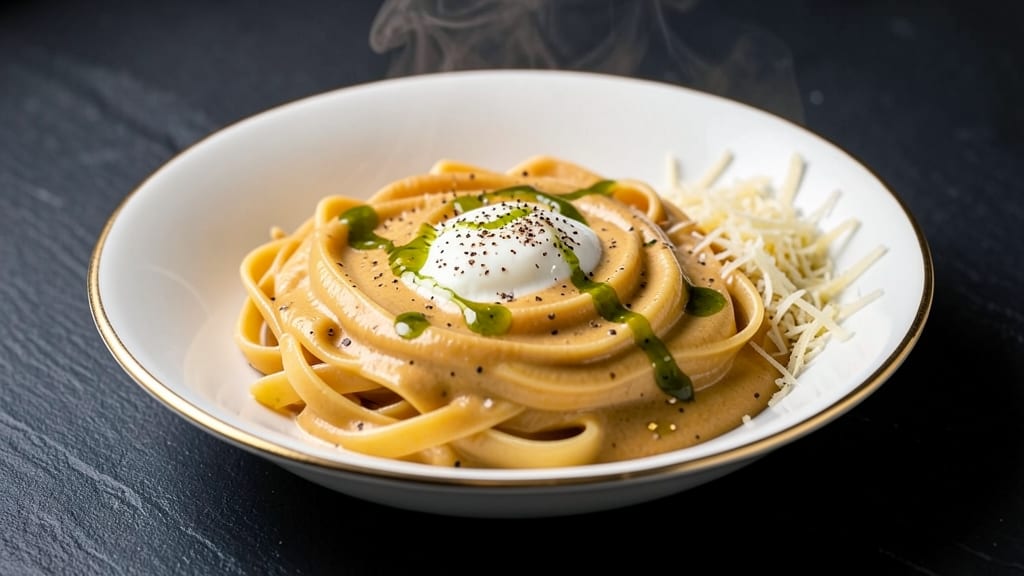
This American alfredo sauce recipe delivers velvety, clump-free perfection in just 15 minutes—no lumps, no fuss, just restaurant-quality richness. The secret lies in slow, steady whisking and the right balance of butter, cream, and Parmesan, creating a sauce so smooth it coats every noodle like a dream.
I’ve perfected this version after years of testing, ensuring it’s foolproof for even beginner cooks.
The foundation starts with melted butter and garlic, which builds a rich base before gradually whisking in heavy cream to create that signature creamy texture. Parmesan cheese is added in stages—never all at once—to prevent clumping, while a touch of nutmeg adds warmth.
This isn’t just sauce; it’s a luxurious upgrade to any pasta dish, transforming simple meals into something special.
What makes this recipe stand out is its versatility—use it on fettuccine, chicken, or even as a dip for breadsticks. The sauce thickens beautifully when reheated and stores well in the fridge for up to 5 days or freezes for months.
No special equipment needed, just a saucepan and a whisk, making it the ultimate weeknight solution.
For extra depth, stir in a splash of white wine or a pinch of black pepper. The result? A sauce so creamy and flavorful, it’ll have everyone asking for seconds. Let’s get started—your taste buds are about to thank you.
Ingredients for american alfredo sauce
Eight simple ingredients create this velvety, foolproof alfredo that coats noodles like a dream.
| Ingredient | Amount | Notes |
|---|---|---|
| Unsalted Butter 🧈 | ¾ cup | Cold, cubed for even melting |
| Heavy Whipping Cream 🥛 | 1 ½ cups | Full-fat for richest texture |
| Garlic Cloves 🧄 | 4 cloves | Minced, fresh preferred |
| Parmesan Cheese 🧀 | 1 ½ cups | Freshly grated, block form |
| Extra-Virgin Olive Oil 🫒 | 2 tbsp | For smoothness and balance |
| Ground Nutmeg 🌿 | ¼ tsp | Freshly grated preferred |
| Salt 🧂 | ½ tsp | Kosher or sea salt |
| Black Pepper 🌶️ | ¼ tsp | Freshly cracked for heat |
| White Wine (optional) 🍷 | ¼ cup | Dry variety like Chardonnay |
The Parmesan is non-negotiable—block form only. Trader Joe's or Whole Foods sell pre-grated, but it clumps. Grab a wedge and grate it yourself. Butter matters too: European-style like Plugra melts smoother than regular American brands. For the garlic, fresh is a must—jarred lacks flavor. Heavy cream should be cold when you start, so grab it straight from the fridge. Nutmeg is the secret weapon here—freshly grated makes all the difference, but pre-ground works in a pinch.
No heavy cream? Half-and-half plus a splash of milk gets you close, but texture suffers. Subbing Parmesan? Pecorino Romano works, but it’s tangier. Short on butter? Olive oil or avocado oil can replace up to half, though it won’t be as rich. The wine is totally optional, but if you skip it, add an extra splash of cream. For extra depth, toast the garlic in the butter for 30 seconds—that nutty aroma takes it to the next level. And if you’re worried about clumps, whisk like your life depends on it (slow and steady wins the race).
This sauce gets better as it sits—30 minutes after making is peak creamy perfection. Store in an airtight container with a thin layer of olive oil on top to keep it fresh for 5 days in the fridge. Freezes beautifully for 3 months, though texture may separate slightly—just whisk vigorously to restore silkiness. For leftovers, reheat gently over low heat, adding a splash of cream if it thickens too much. Pro tip: Save a little sauce before serving—it’s perfect for drizzling over the top as a garnish.
Why You'll Love This Recipe
- No-Fuss Stovetop Magic: I swear, this sauce comes together while you’re still debating what to have for dinner. Just melt butter, toss in garlic and olive oil, then let the cream and Parmesan do their thing—no whisking marathon required. Five minutes, tops.
- Rich Without the Guilt: That first bite of creamy, garlicky goodness? It’s like a warm hug for your taste buds. The heavy cream and butter make it velvety, while the Parmesan adds that sharp, salty punch—no weird aftertaste, just pure, satisfying flavor.
- Pasta Party Every Time: Slather it over fettuccine for a classic, or drizzle it on roasted chicken and veggies for a fancy-ish weeknight meal. Honestly, it’s my go-to for lazy Sundays or when friends drop by unannounced. Works with almost anything.
- Leftovers That Still Shine: Make a double batch—it reheats like a dream and tastes just as good the next day. Between us, I’ve even used it to jazz up sandwiches or scrambled eggs. (Yes, even on a Tuesday night.) Cheaper than takeout, too.
Step-by-step instructions for American alfredo sauce
Here's how to make velvety, clump-free Alfredo sauce that's richer than restaurant versions.
Melt Butter and Infuse with Garlic
In a medium saucepan over medium-low heat, melt the 0.75 cup unsalted butter until it's completely liquid but not browned. Add the 2 tablespoons extra-virgin olive oil and the 4 minced garlic cloves. Cook for 2-3 minutes until the garlic is fragrant but not browned—this prevents bitterness that can ruin the delicate flavor.
I like to stir constantly during this step to distribute the oil evenly. The butter should foam gently but not bubble vigorously. If it starts to bubble too much, reduce the heat slightly. This gradual melting creates a smoother sauce later, without any greasy separation.
Add Cream and Wine (If Using)
Pour in the 1.5 cups heavy whipping cream and the 0.25 cup white wine (if using). Stir well to combine, then bring the mixture to a gentle simmer over medium heat. Let it simmer for 3-4 minutes until slightly thickened—you'll see the sauce reduce slightly and become glossy.
Here's where it gets tricky: don't let it boil. If bubbles form rapidly, reduce the heat immediately. Boiling can cause the cream to curdle or develop a skin. Instead, you want to see small, gentle bubbles at the edges—this indicates the cream is cooking evenly without breaking.
Incorporate Cheese Gradually
Lower the heat to low and begin adding the 1.5 cups freshly grated Parmesan cheese in small increments. I like to add about ¼ cup at a time, stirring vigorously after each addition. This slow incorporation prevents clumping and ensures a silky texture. Let the sauce return to a gentle simmer between additions.
This is the moment that matters: if you add all the cheese at once, you'll end up with lumps no amount of whisking can fix. The key is patience—let the cheese melt completely into the sauce before adding more. You'll know it's working when the sauce becomes smooth and begins to thicken noticeably.
Season and Finish
Once all the cheese is incorporated, remove the pan from heat. Stir in the 0.5 teaspoon salt, 0.25 teaspoon black pepper, and 0.25 teaspoon ground nutmeg. Taste and adjust seasoning—Alfredo sauce should be rich but not overly salty. If it's too thick, whisk in 1-2 tablespoons of warm water or pasta water to reach your desired consistency.
Real talk: the sauce will continue to thicken as it cools, so don't over-thin it at this stage. For the creamiest results, I like to cover the saucepan and let it sit off the heat for 5 minutes before serving. This resting period allows the flavors to meld completely, giving you that luxurious, restaurant-quality texture.
Pro Tips For Making American Alfredo Sauce
- Melt Butter Slowly: Start with cold butter—yes, even if it feels counterintuitive. Add the unsalted butter to the pan over medium-low heat and let it melt gradually. I learned this the hard way after burning the garlic in seconds; rushing it turns your sauce into a greasy mess instead of a creamy dream.
- Minimize Garlic Heat: Crush the garlic cloves flat with the side of your knife before adding them to the pan. This exposes more surface area so they cook faster without turning bitter. Remove them as soon as they’re fragrant—usually 30 seconds max—then pull the pan off the heat completely before adding the cream.
- Strain the Cheese: Skip the grater and use a fine-mesh sieve to press the Parmesan into the sauce. This removes any gritty bits that’ll make your sauce feel like you’re eating sand. For extra smoothness, mix the grated cheese with a splash of cold water first, then strain it through.
- Whisk Like Your Life Depends on It: Don’t just stir the cream and butter—whisk aggressively for at least 2 minutes over low heat. This emulsifies the sauce properly, giving it that velvety texture instead of a separated, lumpy disaster. If it looks curdled, add a splash of cold water and keep whisking.
Creative variations of american alfredo sauce
White Wine Elevation
Add ¼ cup dry white wine (like Chardonnay or Sauvignon Blanc) when combining with cream—it deglazes the pan, adding depth and cutting through the richness. Simmer for 2 minutes to cook off the alcohol before adding cheese.
For an extra boost, use 2 tbsp reduced white wine (simmer ¼ cup wine until syrupy) to intensify flavor without thinning the sauce. 🍷
Herb Infusions
Swap nutmeg for fresh thyme or basil—add 1 tbsp chopped herbs with the garlic or stir in at the end for brightness. For a Mediterranean twist, add ½ tsp dried oregano with the nutmeg.
I love fresh basil because it pairs beautifully with Parmesan and adds a fragrant aroma. Reserve some herbs for garnishing before serving.
Spicy Variations
For a kick, stir in ½ tsp red pepper flakes or 1 tsp hot sauce (like Cholula) when removing from heat. For smoky depth, add ¼ tsp smoked paprika with the nutmeg.
My go-to is ½ tsp cayenne for subtle heat that enhances the sauce without overpowering. Adjust to taste—Alfredo sauce should complement, not dominate, your dish.
Vegetable Add-Ins
Blend in ½ cup steamed and puréed mushrooms or roasted butternut squash for a vegetarian-friendly twist. For extra creaminess, whisk in ¼ cup silken tofu at the end. I’ve also used ½ cup caramelized onions for sweetness that balances the richness.
These additions work best if added after the cheese has fully melted and the sauce has thickened.
Protein-Inspired Sauces
Transform this into a creamy chicken alfredo sauce by whisking in ½ cup shredded cooked chicken at the end. For a seafood version, stir in ½ cup cooked shrimp or scallops just before serving.
The key is to keep the sauce warm but not boiling when adding protein—this prevents curdling. Add a splash of cream if the sauce thickens too much from the added moisture.
Gluten-Free Adaptation
Use gluten-free heavy cream and ensure your Parmesan is certified gluten-free (like Kraft Gluten-Free Parmesan). For extra thickness, blend 2 tbsp cornstarch with 2 tbsp cold water, then whisk into the sauce at the end.
This version works perfectly with gluten-free pasta or as a dip for gluten-free breadsticks. Always taste and adjust seasoning—gluten-free versions can sometimes need a pinch more salt.
Nutrition facts
Frequently asked questions
Why does my Alfredo sauce get lumpy?
Lumps happen when cheese is added too quickly or the sauce isn't stirred constantly. The fix? Add Parmesan ¼ cup at a time while whisking vigorously over low heat. If lumps appear, blend with an immersion blender or strain through a fine-mesh sieve. Always use freshly grated cheese—pre-shredded versions contain anti-caking agents that cause clumping.
Can I make this sauce without heavy cream?
Yes! For a lighter version, replace half the heavy cream with whole milk or half-and-half, but expect slightly less richness. For a dairy-free option, use full-fat coconut milk (add 1 tbsp cornstarch to thicken) or cashew cream (soak 1 cup cashews overnight, blend with water). The sauce will still be creamy but with a different texture.
How do I prevent the sauce from separating when reheating?
Store sauce in an airtight container with a thin layer of olive oil on top to preserve freshness. When reheating, warm over low heat and stir constantly. If it thickens too much, whisk in 1-2 tbsp warm water or pasta water. Never microwave—it causes uneven heating that leads to separation. For best results, reheat only what you need.
What's the best way to use leftover Alfredo sauce?
Leftover sauce is perfect for pasta bakes (layer with cooked noodles and breadcrumbs), stuffed shells, or as a dip for garlic bread. For extra flavor, add a splash of pasta water or a pinch of nutmeg before reheating. It also makes an amazing topping for grilled chicken or fish. Just avoid freezing if you plan to use it within 5 days—freshness matters most.
Can I make this sauce ahead of time?
Make it up to 3 days ahead and store in the fridge. For longer storage, freeze in airtight containers for up to 3 months. Thaw overnight in the fridge, then reheat gently. The sauce actually improves after resting—flavors meld better, and it thickens to perfection. Just add a splash of cream or water when reheating if needed.