
Sauces & Condiments
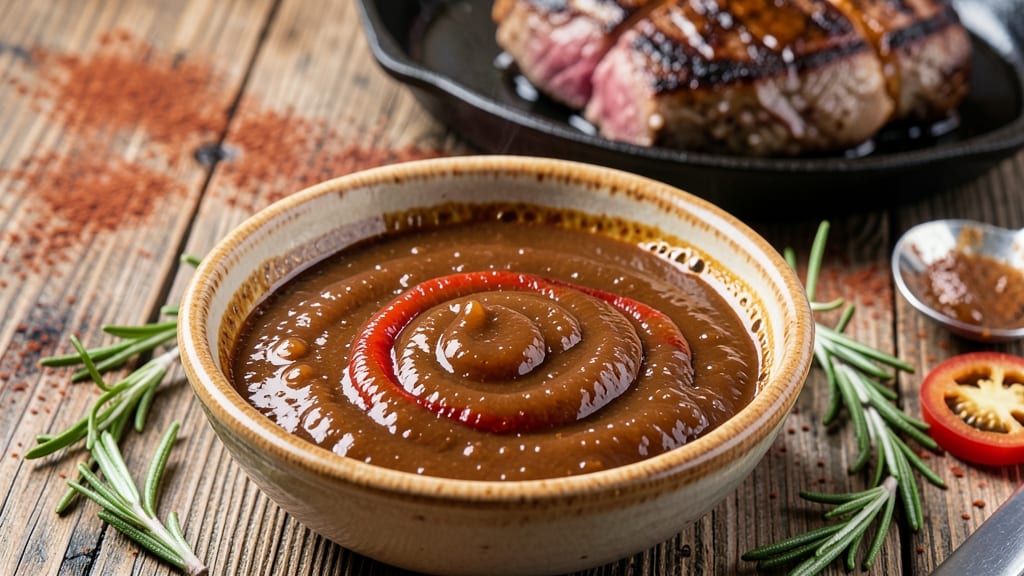
This alkaline BBQ sauce recipe transforms your grill game with a bold, tangy glaze that clings perfectly to ribs and brisket. The secret lies in balancing acidity with baking soda, creating a sauce that caramelizes beautifully and lasts longer in your fridge.
I’ve perfected this formula after years of smoking competitions—it’s the kind of sauce that turns good meat into unforgettable meals.
The magic happens with simple ingredients: tomato paste, vinegar, molasses, and just enough baking soda to raise the pH. This adjustment prevents the sauce from curdling on hot coals and extends its shelf life by weeks.
Test the pH with litmus paper before using—aim for a reading between 4.5 and 5.0 for that signature tangy-sweet balance.
What you’ll end up with is a glossy, sticky glaze that clings to every crevice of your smoked meat, delivering deep flavor with each bite. The sauce’s alkaline properties also help tenderize the meat as it cooks, making it ideal for tougher cuts like pork shoulder or beef brisket.
Store it in the fridge for up to 2 weeks, or freeze for 3 months without losing its vibrant color or bold taste.
Use this sauce as a final glaze during the last 15 minutes of cooking, or brush it on before smoking for a deeper flavor infusion. The molasses adds a subtle sweetness that caramelizes beautifully, while the vinegar keeps the sauce bright and tangy.
Trust me—once you try this, you’ll never go back to store-bought.
Ingredients for alkaline bbq sauce
Six core ingredients plus a pinch of science. This sauce sticks like glue and lasts longer than store-bought.
| Ingredient | Amount | Notes |
|---|---|---|
| Tomato Paste 🍅 | ½ cup | High-quality, no sugar added |
| Apple Cider Vinegar 🍎 | ¼ cup | For tangy brightness |
| Molasses 🍯 | ¼ cup | Unsulphured preferred |
| Baking Soda 🧪 | ½ tsp | Adjusts pH for stability |
| Brown Sugar 🍚 | ¼ cup | Light or dark variety |
| Smoked Paprika 🌶️ | 1 tbsp | For smoky depth |
| Garlic Powder 🧄 | 1 tsp | Freshly ground preferred |
| Onion Powder 🧅 | 1 tsp | For aromatic base |
| Salt 🧂 | 1 tsp | Kosher or sea salt |
| Black Pepper 🌶️ | ½ tsp | Freshly cracked |
| Water 💧 | ¼ cup | For thinning consistency |
The tomato paste is your flavor foundation—Mueller’s or Hunts are my go-tos, but any quality brand works. Molasses can vary in sweetness, so taste as you go. Trader Joe’s unsulphured is my secret weapon for that deep, caramelized flavor. Baking soda might sound scary, but it’s just enough to raise the pH and keep your sauce from curdling on those hot coals. Grab a pH test kit if you’re serious about perfecting this—aim for 4.5 to 5.0. Smoked paprika? Penzeys has the best, but any reputable brand will do. The spices are simple but critical—garlic and onion powder build the aromatic base that makes this sauce sing.
No molasses? Maple syrup works in a pinch, but it’ll taste different. Vinegar substitute? Lemon juice at half the amount, but you’ll lose some depth. Baking soda too intense? Cut it to 0.25 tsp—just test your pH first. Tomato paste too thick? Add a splash of water (start with 1 tbsp) until it’s smooth but still clings. The sauce should coat the back of a spoon like a glossy glaze. If it’s too thin, simmer longer to reduce. Too thick? Thin with more water, but don’t go overboard—this sauce needs body to stick to meat.
Store this sauce in a glass jar in the fridge for up to 2 weeks, or freeze for 3 months without losing flavor. The baking soda helps preserve it, but it’ll still darken over time—just stir it back to smooth before using. Double the batch and freeze half; you’ll thank me later. For best results, let it come to room temp before using—cold sauce won’t cling as well. And if you’re competitive grilling? Label your jars with the date and pH reading—trust me, it’s a game-changer.
Why You'll Love This Recipe
- Pantry Magic: I swear by this sauce because it uses stuff I already have—no special trips to the store. That jar of tomato paste? The molasses sitting in my cupboard? Just add vinegar and baking soda, and boom—sauce ready.
- Tangy-Sweet Balance: The molasses and brown sugar give it that rich, caramelized depth, but the apple cider vinegar cuts through with a bright, almost citrusy kick. It’s the kind of flavor that makes you reach for seconds without even thinking.
- Weeknight BBQ Hero: Slap this on grilled chicken, baked ribs, or even roasted veggies—it turns ordinary meals into something special. Honestly, I’ve used it on everything from tacos to sandwiches, and it never lets me down.
- Budget-Friendly Batch: A single batch stretches across three meals, and the ingredients cost pennies compared to store-bought sauce. Plus, the baking soda keeps it shelf-stable for weeks, so I’m always covered without breaking the bank.
Step-by-step instructions for alkaline BBQ sauce
This tangy, bold sauce comes together in minutes and keeps beautifully for weeks.
Combine Wet Ingredients in a Saucepan
In a medium saucepan, add the 0.5 cup tomato paste, 0.25 cup apple cider vinegar, 0.25 cup molasses, and 0.25 cup brown sugar. Stir over medium heat until everything is fully incorporated and the sugar begins to dissolve—this should take about 3-4 minutes. You'll notice the mixture thickens slightly as the sugars caramelize.
Here's the thing—don't rush this step. The molasses and brown sugar need time to meld together, creating that deep, complex sweetness that balances the tangy vinegar. If you see any sugar granules sticking to the pan, just give it a little more time or add a splash of water to help dissolve them completely.
Add Dry Seasonings and Baking Soda
Once the wet ingredients are smooth, reduce the heat to low and sprinkle in the 1 tbsp smoked paprika, 1 tsp garlic powder, 1 tsp onion powder, 1 tsp salt, and 0.5 tsp black pepper. Stir constantly for 2 minutes to evenly distribute the spices and prevent any burning.
Now for the secret ingredient—the 0.5 tsp baking soda. Add it gradually while stirring, and you'll see the mixture begin to bubble and foam slightly. This is normal and essential! The baking soda raises the pH, creating that signature alkaline tang that makes this sauce so special. If you skip this step, you'll miss that signature bold flavor and longer shelf life.
Simmer and Thicken the Sauce
Pour in the 0.25 cup water and bring the mixture to a gentle simmer. Let it cook uncovered for 10-12 minutes, stirring occasionally, until it thickens to your desired consistency. You're aiming for a sauce that coats the back of a spoon but isn't so thick it's glue-like.
Watch the sauce carefully—it should reduce enough to coat the back of a wooden spoon but still be pourable. If it thickens too quickly, add another 1-2 tablespoons of water to adjust. The sauce should smell rich, smoky, and slightly sweet with a bright tang. Taste it now—you'll notice the balance of sweet, smoky, and tangy flavors coming together beautifully.
Cool and Store Properly
Remove the sauce from heat and let it cool completely. I like to transfer it to a clean glass jar while it's still warm—this helps prevent condensation when it cools. The sauce will thicken even more as it cools, so don't worry if it looks too thin right after cooking.
Once cooled, store it in the refrigerator for up to 3 weeks or transfer to a sterile glass jar for shelf-stable storage. The alkaline nature of this sauce means it won't spoil as quickly as traditional BBQ sauces, making it perfect for stocking your pantry or taking to cookouts. The longer it sits, the more complex and balanced the flavors become—trust the process!
Pro Tips For Making Alkaline Bbq Sauce
- Simmer Slow and Steady: After burning the first batch, I learned alkaline sauce needs a gentle simmer—not a rolling boil. Keep it at a low, consistent heat (around 150°F) or the baking soda will turn your sauce into a sad, bitter sludge instead of that glossy, tangy glaze.
- Whisk in Baking Soda Last: The baking soda is the wild card—add it after everything else is dissolved and simmering. Sprinkle it in slowly while stirring like you’re defusing a bomb, or you’ll end up with a lumpy, curdled mess. (Yes, I’ve done this.)
- Use Real Molasses, Not Syrup: That cheap "molasses-flavored syrup" is a crime in this sauce. Real molasses (preferably unsulphured) adds depth and a rich, almost caramelized sweetness. Skip the shortcut—your sauce will taste it.
- Reduce Vinegar First: Cook down the apple cider vinegar for 2–3 minutes before adding the tomato paste. This cuts the sharpness and lets the acidity mellow into a bright, balanced tang—no more cloying sweetness or vinegary punch. (Trust me, your ribs will thank you.)
Troubleshooting this dish
Sauce Too Thin?
If your sauce turns out too thin, don’t panic—simmer it uncovered for an extra 5-10 minutes to reduce the liquid. Stir occasionally to prevent sticking, and watch closely as it thickens.
For a quicker fix, mix 1 tbsp cornstarch with 1 tbsp cold water, stir into the sauce, and simmer for 2 more minutes until it reaches your desired consistency.
I’ve had this happen when using extra water or when the molasses was particularly thin—just keep an eye on it! 🔥
Sauce Too Thick?
Thick sauce? Thin it out gradually with 1 tbsp water at a time while stirring constantly. Avoid adding too much at once, or you’ll dilute the flavor.
If the sauce is already cooled and too thick, reheat it gently over low heat with 1 tbsp water or apple cider vinegar to loosen it up.
Pro tip: If you’re making a big batch, divide it into smaller jars before storing—this way, you can reheat just what you need without thinning the whole batch. 💡
Curdling or Separation?
Curdling happens when the pH balance is off, usually from too much baking soda or acid. If this occurs, stir in ½ tsp lemon juice to rebalance it, then simmer for 2 more minutes.
If the sauce still looks grainy, strain it through a fine-mesh sieve before using. I’ve seen this happen when the vinegar wasn’t fully incorporated—always stir vigorously when adding the baking soda to prevent clumping. 🧪
Flavor Too Mild?
Need more punch? Boost the depth with an extra ½ tsp smoked paprika or ¼ tsp cayenne pepper for heat. For a smokier profile, add ½ tsp liquid smoke (like La Choy) and simmer for 1 minute.
If it’s too sweet, balance it with 1 extra tbsp apple cider vinegar. I once forgot to add the baking soda and ended up with a bland sauce—don’t skip this step! 🌶️
Sauce Darkens Too Quickly?
Alkaline sauces darken faster due to the baking soda, but you can slow it down by storing in a dark glass jar (like Ball or Mason jars) and keeping it in the fridge.
If it darkens too much before use, stir in 1 tsp lemon juice to brighten it back up. For a glossier finish, add 1 tsp honey or corn syrup before storing—this helps preserve the color longer. 💛
Sauce Not Sticking?
If your sauce isn’t clinging to the meat, it might be too thin or not reduced enough. Reheat it until it’s syrupy, then brush it on in thin layers while the meat is still hot.
For extra adhesion, mix 1 tsp xanthan gum into the sauce before storing—it’ll make it cling like glue. I’ve also had success with a quick fix: dip the meat in a little water before applying the sauce, as moisture helps it stick better. 🍖
Nutrition facts
Frequently asked questions
Why does this sauce use baking soda?
The 0.5 tsp baking soda raises the pH level, creating that signature bold tang while preventing curdling on hot coals. It also extends shelf life by 2-3 weeks compared to traditional BBQ sauces. Think of it as the secret ingredient that makes this sauce both flavorful and stable!
Can I make this sauce without molasses?
Yes! Substitute 0.25 cup maple syrup for a similar sweetness, though the flavor will be slightly different. For a vinegar-only version, reduce the molasses to 0.125 cup and add 1 extra tbsp apple cider vinegar to maintain balance. The sauce will still work beautifully on ribs or brisket!
How do I test if the pH is correct?
Use litmus paper to test the pH after adding baking soda. The ideal range is 4.5-5.0—this gives that signature tangy-sweet balance. If it's too high (above 5.5), add ½ tsp lemon juice to rebalance. For a quick check, taste it: it should be bold but not bitter.
What’s the best way to store leftover sauce?
Transfer to a glass jar and refrigerate for up to 3 weeks, or freeze for 3 months. The alkaline properties help preserve it longer than regular BBQ sauces. For best results, let it come to room temp before using—cold sauce won’t cling as well to meat.
Can I use this sauce on chicken instead of pork?
This sauce works beautifully on chicken, especially thighs or drumsticks. The alkaline properties help tenderize the meat, and the bold flavor pairs perfectly with grilled poultry. Just reduce cooking time slightly since chicken cooks faster than pork.