
Sauces & Condiments
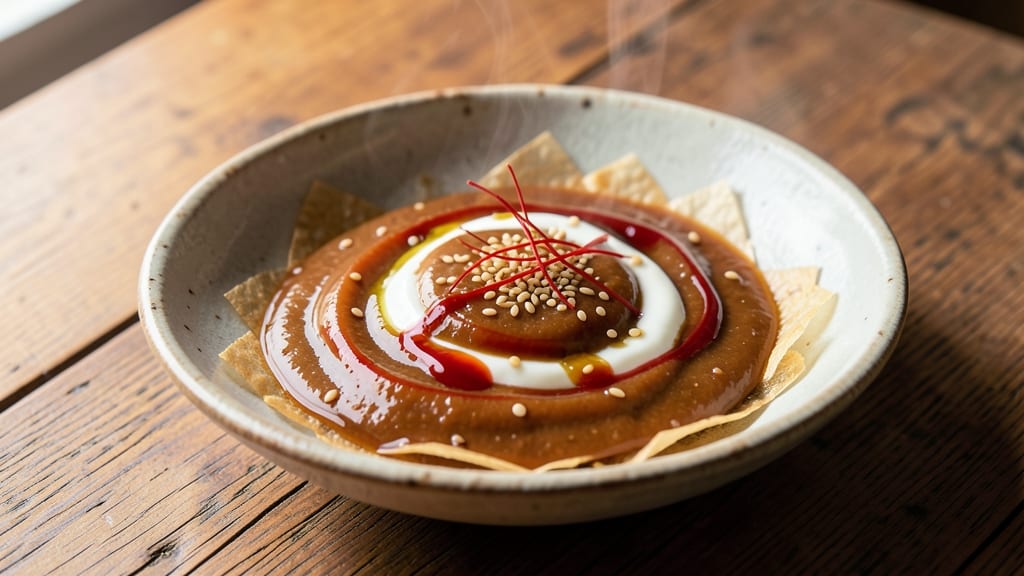
This amazu sauce recipe transforms ordinary grilled dishes into something extraordinary with its deep, smoky-sweet profile. 🔥 Born from Japan’s rich culinary traditions, this fermented rice malt sauce adds a glossy sheen and complex flavor that elevates everything from skewers to drizzled meats.
The secret lies in balancing fermented amazake with soy, mirin, and a touch of sweetness—creating a sauce that’s both versatile and unforgettable.
What sets this sauce apart is its dual nature: it works as both a marinade and a finishing drizzle, enhancing textures while adding layers of umami and caramelized depth. Unlike store-bought alternatives, this version delivers an authentic taste with just five key ingredients—no artificial additives.
The fermentation process develops over time, intensifying flavors for a richer result each use.
Perfect for grilled meats, seafood, or even as a dipping sauce, amazu sauce brings restaurant-quality shine to home cooking. Its natural sweetness caramelizes beautifully under the grill, while the fermented base adds a subtle tang that cuts through richness.
With proper storage (refrigerated for up to 2 weeks), this sauce becomes your go-to for transforming simple ingredients into showstopping dishes.
The best part? This recipe adapts effortlessly—use it as-is for traditional flavors or swap in maple syrup for a vegetarian-friendly twist. Once you try it, you’ll never reach for store-bought again. Let’s make it!
Ingredients for amazu sauce
Five core ingredients create this restaurant-quality Japanese sauce with smoky-sweet depth.
| Ingredient | Amount | Notes |
|---|---|---|
| Amazake (Fermented Rice Malt) 🍚 | ¾ cup | Store-bought or homemade, unsweetened |
| Soy Sauce 🥢 | ½ cup | Japanese tamari preferred for depth |
| Mirin 🍶 | ¼ cup | Sweet cooking rice wine, not sub with regular |
| White Miso Paste 🧈 | 2 tbsp | High-quality, smooth variety |
| Sugar 🍚 | ¼ cup | Granulated or light brown |
| Sesame Oil 🫒 | 1 tbsp | Toasted, for aroma |
| Garlic Cloves 🧄 | 2 cloves | Minced, for subtle depth |
| Red Chili Flakes 🌶️ | ½ tsp | Adjust for heat preference |
| Water 💧 | ¼ cup | For thinning consistency |
The amazake is non-negotiable—its fermented malt base delivers that signature glossy sheen and subtle tang. Japanese markets or specialty stores like Mitsua carry the best brands, but homemade works too if you're patient. For miso, Kikkoman or Hatsuya white miso offers the smoothest texture. Mirin isn't interchangeable—regular rice wine lacks the right sweetness and acidity balance. If you can't find authentic mirin, Hirase or Kikkoman are reliable brands. The garlic should be fresh, not jarred—its aroma fades dramatically once opened.
No amazake? Substitute with 0.5 cup maple syrup plus 0.25 cup sake for a vegetarian-friendly version, though the texture will differ slightly. Running low on mirin? Dry sherry plus 1 tsp sugar mimics the flavor profile. For extra umami without miso, 2 tbsp fish sauce (if non-vegetarian) or 2 tbsp soy sauce reduction works. The sesame oil can be omitted if you're sensitive to strong flavors, but don't skip the garlic—it's the flavor anchor. Chili flakes are optional but recommended for that signature smoky heat that caramelizes beautifully on grilled meats.
This sauce develops complexity over time—refrigerate for at least 24 hours before using for best results. Store in an airtight container for up to 2 weeks, though the flavor intensifies after 3-5 days. For longer storage, freeze in ice cube trays—thaw and whisk back to original consistency. The sauce thickens as it sits, so add water gradually when reheating. A little goes a long way—start with 1 tbsp per pound of protein for marinating, or drizzle 2-3 tbsp over finished dishes.
Why You'll Love This Recipe
- Five-Ingredient Magic: I swear by this—just simmer those five pantry staples (amazake, soy, mirin, miso, sugar) and you’ve got a sauce that tastes like you spent hours. No chopping, no fuss, just a quick simmer that transforms into something rich and velvety.
- Umami Bomb: That combo of amazake’s sweet fermented depth and white miso’s savory punch? Chef’s kiss. It’s the kind of flavor that makes you pause mid-bite—perfect for drizzling over grilled fish, noodles, or even a simple bowl of rice.
- Weeknight Workhorse: Make a double batch on Sundays and you’re set for the week. It’s my go-to for quick stir-fries, marinades, or even a last-minute glaze—no one will guess it’s this easy to pull together.
- Budget-Friendly Luxury: Honestly, this sauce costs pennies to make but tastes like a high-end restaurant dish. Soy, mirin, and amazake stretch far, so you’re not just saving money—you’re getting flavor that feels indulgent without the price tag.
Step-by-step instructions for amazu sauce
Here's how to create this complex umami-rich sauce with perfect balance.
🍳 Step 1: Bloom the Miso and Garlic
In a small saucepan, combine the 2 tablespoons white miso paste and 2 cloves minced garlic over low heat. I like to use a heavy-bottomed pan here—it prevents scorching while allowing the miso to develop its deep, savory notes. Stir gently for 2-3 minutes until the mixture becomes fragrant and slightly thickened.
This initial blooming step is crucial—it activates the miso's enzymes and allows the garlic to infuse without burning. You'll notice the aroma intensify as the miso transforms from its raw, earthy state into something more complex and inviting. Keep the heat low; miso burns quickly and loses its delicate flavor profile.
🍳 Step 2: Incorporate Wet Ingredients
Remove the pan from heat and whisk in the 0.75 cup amazake, 0.5 cup soy sauce, and 0.25 cup mirin until completely smooth. Return the pan to medium-low heat and stir continuously for 4-5 minutes until the mixture begins to thicken slightly and small bubbles form around the edges.
The amazake adds natural sweetness while balancing the saltiness of the soy sauce, while the mirin contributes both sweetness and acidity. This combination creates the sauce's signature depth. Watch carefully as the mixture simmers—you want gentle bubbling, not vigorous boiling, which could cause the sauce to separate.
🍳 Step 3: Add Sugar and Sesame Oil
Stir in the 0.25 cup sugar and 1 tablespoon sesame oil, reducing heat to low. Cook for an additional 3-4 minutes until the sugar has fully dissolved and the sauce reaches a glossy consistency. The sesame oil will add nutty aroma and help emulsify the sauce.
This is where the sauce begins to take on its characteristic sheen. The sugar caramelizes slightly at the edges, adding subtle complexity. If the sauce looks too thick, add 1 tablespoon water at a time until it reaches a smooth, pourable consistency suitable for drizzling. The final texture should coat the back of a spoon without being syrupy.
🔥 Step 4: Finish with Chili Flakes
Remove the pan from heat and stir in the 0.5 teaspoon red chili flakes. Let the sauce sit for 2 minutes to allow the flavors to meld completely. The chili adds just a hint of heat that balances the richness of the miso and sweetness of the amazake.
For best results, strain the sauce through a fine-mesh sieve to remove any garlic bits and achieve a silky texture. Transfer to a clean jar or container and let it cool to room temperature before using. This sauce keeps well in the refrigerator for up to 2 weeks, making it perfect for batch preparation.
⏰ Step 5: Test and Adjust
Taste the sauce and adjust seasoning if needed. For more sweetness, add a pinch of sugar; for more umami, a splash of soy sauce; or for more complexity, a drop of sesame oil. The ideal amazu sauce should have a perfect balance of sweet, salty, umami, and just a whisper of heat.
This versatile sauce works beautifully as a glaze for grilled meats, a drizzle for noodles, or a marinade component. Its rich flavor profile makes it a standout in both traditional Japanese dishes and modern fusion cuisine. Store properly and it will maintain its depth and complexity for weeks.
Pro Tips For Making Amazu Sauce
- Simmer Low and Slow: I learned this the hard way—rushing the simmer with amazake turns it grainy and clumpy. Keep the heat at a bare simmer (just small bubbles, no rolling) for at least 10 minutes after adding the miso, or those delicate starches will break down into a gluey mess.
- Strain the Amazake: Yes, even if it looks clear, amazake has fine sediment that ruins texture. Pour it through a dampened cheesecloth or fine-mesh strainer into a clean bowl before measuring—this keeps your sauce silky instead of gritty.
- Balance the Sweet-Salty: Skip the guesswork: mix the soy, mirin, and sugar first, then taste. If it’s too sweet, add a splash of water; if too sharp, a pinch of sugar. The miso will deepen the flavor, but you need that base right from the start.
- Cold Miso First: Add the white miso paste last and off the heat—it’s heat-sensitive and can turn bitter if cooked too long. Stir it in when the sauce is just warm (not hot), then let it sit 2 minutes before serving. Your future self will notice the difference.
Troubleshooting perfect results
Sauce Too Thin?
If your amazu sauce ends up too watery after simmering, don’t panic—simmer uncovered over medium-low heat for an additional 5-7 minutes to reduce. For instant thickening, whisk in 1 teaspoon cornstarch mixed with 1 tablespoon cold water until smooth.
Return to heat for 1 minute while stirring constantly. The sauce should coat the back of a spoon without dripping. 💫
Sauce Too Thick?
Over-thickened sauce happens when sugar caramelizes too aggressively. Thin with warm water (not cold) in 1 tablespoon increments, whisking vigorously between additions. For a smoother texture, strain through a fine-mesh sieve to remove any cooked sugar granules.
If the sauce separates, whisk in ½ teaspoon sesame oil to help re-emulsify. Always reheat gently over low heat to prevent clumping.
Fermentation Issues
If your sauce smells overly sour or yeasty after refrigeration, the amazake may have over-fermented. Balance the acidity by adding 1 teaspoon honey or 1 tablespoon mirin, then let it sit for 15 minutes before using.
For future batches, reduce the amazake to ½ cup and increase mirin to ⅓ cup to stabilize fermentation. Always use fresh amazake (within 6 months) for best results.
Miso Separation
Miso sometimes separates if heated too vigorously. To fix it, whisk in 1 tablespoon warm water and return to low heat while stirring continuously for 2-3 minutes. For prevention, always bloom miso over low heat and avoid boiling.
If the sauce still looks grainy, strain through a cheesecloth-lined sieve for a silky finish. The texture should be smooth and glossy, not chunky.
Chili Flakes Clumping
If red chili flakes form clumps, pulse them in a mini food processor for 5 seconds before adding to the sauce. For a smoother drizzle, strain the finished sauce through a fine-mesh sieve to remove any residual flakes.
If you prefer visible texture, whisk in ½ teaspoon ground chili powder instead. Adjust heat by adding ¼ teaspoon more if needed after resting.
Storage Problems
If your sauce develops mold after refrigeration, it’s likely due to contamination from garlic or sesame oil. Store in a clean, airtight glass jar and refrigerate within 2 hours of making. For longer shelf life, freeze in ice cube trays—thaw in the fridge and whisk to restore consistency.
Never reheat directly from frozen; let it thaw completely first to prevent separation. Properly stored, this sauce lasts 2-3 weeks in the fridge.
Nutrition facts
Frequently asked questions about amazu sauce
Can I make amazu sauce without amazake?
Yes! For a vegetarian version, substitute 0.5 cup maple syrup plus 0.25 cup sake (or dry sherry). The texture will be slightly thinner, but the sweet-savory balance remains. For a non-vegetarian alternative, use 0.5 cup fish sauce instead of amazake, though the flavor profile will differ. The key is maintaining the sauce's glossy finish, so adjust sugar slightly if needed.
How long should I let the sauce rest before using?
For best flavor development, refrigerate the sauce for at least 24 hours before using. This allows the miso and amazake to meld fully, creating deeper umami notes. The longer it rests (up to 5 days), the more complex the taste becomes. If you're short on time, let it sit at room temperature for 2 hours before using, but the flavor won't be as rich.
What’s the best way to use amazu sauce?
This versatile sauce works as a glaze for grilled meats (especially pork or chicken), a drizzle for noodles or rice dishes, or even a marinade base when combined with oil. For extra shine, reheat gently before applying. It also pairs beautifully with roasted vegetables or as a dipping sauce for dumplings. Start with 1 tbsp per pound of protein for marinating or 2-3 tbsp as a finishing touch.
Why does my amazu sauce smell yeasty?
An overly yeasty or sour smell means the amazake may have over-fermented. To fix it, balance the acidity by adding 1 teaspoon honey or 1 tablespoon mirin, then let it sit for 15 minutes. For future batches, reduce amazake to ½ cup and increase mirin to ⅓ cup to stabilize fermentation. Always use fresh amazake (within 6 months) for the best results.
Can I freeze amazu sauce?
Yes! Freeze in ice cube trays for easy portioning, then transfer to a bag. Thaw in the fridge overnight and whisk to restore consistency. Avoid reheating directly from frozen—this can cause separation. Properly stored, frozen amazu sauce maintains quality for up to 3 months. For best texture, use within 2 weeks of making if refrigerated.