
Sauces & Condiments
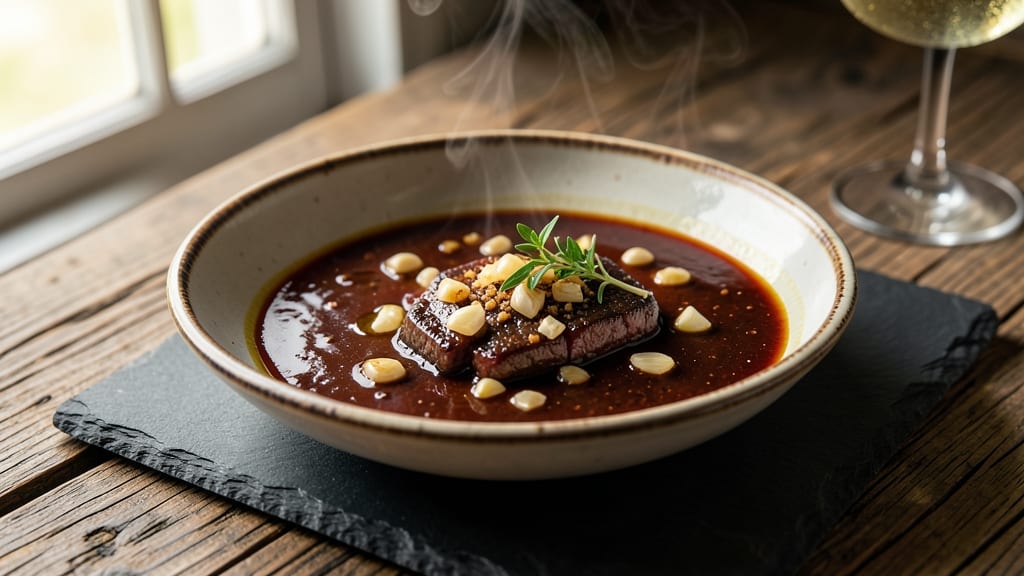
This amazing steak sauce recipe transforms ordinary steak into a restaurant-worthy masterpiece with just 10 minutes of simmering. The secret lies in balancing bold umami from Worcestershire sauce with the caramelized depth of red wine and balsamic vinegar—creating a sauce that's tangy, rich, and impossible to resist.
I perfected this after years of experimenting with store-bought versions that never quite hit the mark.
The beauty of this sauce is its versatility—it elevates grilled steaks, pan-seared cuts, or even roasted vegetables with equal brilliance. No fancy ingredients required; just pantry staples like soy sauce, garlic, and fresh herbs that come together in a single pot.
The sauce thickens as it simmers, developing layers of flavor that make every bite unforgettable.
What you’ll end up with is a glossy, aromatic sauce that clings perfectly to steak, enhancing its natural richness without overpowering it. The caramelized notes from the wine and vinegar add complexity, while the Worcestershire brings that signature umami punch.
It’s the kind of sauce that turns a simple meal into something truly special.
Best of all, it keeps well in the fridge for up to a week, so you can make a big batch and have it ready for spontaneous steak nights. Let’s get cooking—your steak just got an upgrade!
Ingredients for amazing steak sauce
Pantry staples and bold flavors—this sauce transforms steak into a restaurant-worthy experience.
| Ingredient | Amount | Notes |
|---|---|---|
| Red Wine 🍷 | ½ cup | Bold, dry variety preferred |
| Balsamic Vinegar 🍶 | 2 tbsp | Aged 12+ months for depth |
| Worcestershire Sauce 🧂 | 2 tbsp | Original, not vegetarian |
| Soy Sauce 🥢 | 2 tbsp | Light or dark preferred |
| Garlic Cloves 🧄 | 4 cloves | Freshly minced for aroma |
| Shallots 🧅 | 2 whole | Finely chopped, not minced |
| Fresh Thyme 🌿 | ¼ cup | Leaves only, stems removed |
| Extra-Virgin Olive Oil 🫒 | ¼ cup | High-quality, fruity |
| Brown Sugar 🍯 | 1 tbsp | Light or dark preferred |
| Diamond Crystal Kosher Salt 🧂 | ½ tsp | For seasoning, not salty |
The red wine is the backbone here—Cabernet Sauvignon or Merlot work best, but whatever bold dry red you've got will do. Trader Joe's or Total Wine have great affordable options. Balsamic vinegar? Aged 12+ months makes all the difference—it's worth the splurge. I always grab the Di Martino brand when I see it on sale. Fresh thyme is ideal, but dried works at one-third the amount if you're in a pinch. The shallots add subtle sweetness—don't skip the chopping step, as mincing can make them bitter.
No Worcestershire? Soy sauce plus a dash of fish sauce gets you close, though the umami won't be identical. Short on brown sugar? Maple syrup at half the amount keeps the caramelized notes. Olive oil quality matters here—California Extra Virgin brands like Corto or Colavita add fruity depth. The sauce thickens as it simmers, so if you prefer it thinner, just add a splash of water or red wine at the end. For extra richness, stir in 1 tbsp of butter at the very end (it melts right in).
This sauce keeps beautifully—1 week in the fridge sealed in a jar. The flavors actually improve overnight as everything melds. For freezer storage, portion into ice cube trays—perfect for single-use portions. If you make a big batch, freeze half right away and refrigerate the other half. The sauce reheats perfectly—just warm gently on the stove or microwave for 20-30 seconds. It's amazing on everything from steak to roasted Brussels sprouts!
Why You'll Love This Recipe
- Pantry Magic: I’ll be real—this sauce comes together with stuff I already have. No specialty shopping, no last-minute trips to the store. Just open the wine, crack the soy, and let the garlic do its thing.
- Deep Umami Bang: That combo of Worcestershire and soy? It’s like a flavor bomb—savory, slightly sweet, with a little tang. The red wine and balsamic tie it all together into something rich but not heavy. (Yes, even on a Tuesday night.)
- Double-Duty Sauce: Slather it on steak, sure, but I also toss it with roasted potatoes or drizzle it over grilled chicken. It’s my secret weapon for turning simple proteins into something special without extra effort.
- Makes More Than You Think: A small batch goes a long way—enough for leftovers that taste just as good reheated as they do fresh. Plus, it’s cheap to make; I’ve fed a crowd for under $10 with this alone.
Step-by-step instructions for bold umami steak sauce
This sauce delivers restaurant-quality depth with just a few simple techniques.
Build the Flavor Base with Shallots and Garlic
Heat the 0.25 cup Extra-Virgin Olive Oil in a medium saucepan over medium-low heat. Add the 2 whole Shallots, cut into fine dice, and cook gently for 5-6 minutes until they become translucent and just begin to caramelize at the edges. This slow cooking develops their natural sweetness without burning.
Add the 4 cloves Garlic Cloves, freshly minced, and cook for another 30 seconds until fragrant but not browned. Here's the thing—garlic burns in seconds, so keep your eye on the pan. If it starts to darken, reduce the heat immediately. The aroma at this point should be rich and inviting, a promise of the bold flavors to come.
Develop Depth with Wine and Vinegar
Pour in the 0.5 cup Red Wine and increase heat to medium. Let it simmer for 3-4 minutes until reduced by about half, which concentrates the flavors. You'll see the sauce thicken slightly and darken in color—this is where the magic begins.
Next, add the 2 tbsp Balsamic Vinegar and 1 tbsp Brown Sugar. Stir well and let the mixture simmer for another 2 minutes. The vinegar adds tangy brightness while the brown sugar helps caramelize the flavors, creating that perfect balance between sweet and savory. Watch for a glossy sheen to develop on the surface—this indicates proper reduction.
Layer Umami with Sauces and Seasonings
Reduce heat to low and stir in the 2 tbsp Worcestershire Sauce, 2 tbsp Soy Sauce, and 0.5 tsp Diamond Crystal Kosher Salt. Let the sauce simmer gently for 4-5 minutes, stirring occasionally. The Worcestershire brings deep savory notes while the soy sauce adds that signature umami punch. This is where your sauce transforms from good to amazing.
Add the 0.25 cup Fresh Thyme leaves and stir for 1 minute until the thyme is just wilted but still vibrant. Remove from heat and let the sauce rest for 5 minutes—this allows all the flavors to meld together perfectly. The sauce should now be thick, glossy, and irresistibly aromatic.
Adjust Consistency and Finish
Taste your sauce and adjust seasoning if needed. If it's too thick, thin it with 1-2 tablespoons of water or red wine until it reaches your desired consistency—it should coat the back of a spoon but still be pourable. For extra richness, you could add 1 tablespoon of butter, but I find the current balance perfect.
Let the sauce cool slightly before serving. This bold umami sauce pairs beautifully with grilled steaks, roasted meats, or even as a dipping sauce for fries. The caramelized depth and complex layers of flavor will elevate any dish from ordinary to extraordinary.
Pro Tips For Making Amazing Steak Sauce
- Simmer Low and Slow: DESCRIPTION: Red wine sauce burns faster than a bad date—keep the heat at a gentle simmer, not a rolling boil. I learned this after watching my first batch turn into wine-flavored glue. Let the garlic and wine mingle for at least 10 minutes to meld flavors without turning bitter.
- Toast the Garlic First: DESCRIPTION: Smash those garlic cloves with the flat side of your knife before tossing them in—it releases more flavor. Then, cook them in the pan for 30 seconds until just golden, not crispy. Over-toasted garlic tastes like a gym sock, and nobody wants that on their steak.
- Reduce the Wine Halfway: DESCRIPTION: Let the wine cook down by half before adding the vinegar and sauces—this concentrates the flavor and cuts the alcohol tang. I used to rush this step, and the sauce always tasted thin and weak. Patience here makes the difference between "good" and "wow."
- Balance the Soy Sauce: DESCRIPTION: Start with just 1 teaspoon of soy sauce, then taste as you go—too much turns the sauce salty and overpowering. The balsamic and Worcestershire already pack punch, so soy sauce is just the cherry on top, not the whole sundae.
Common mistakes when making great amazing steak sauce
Over-Simmering the Wine
This is the #1 mistake I see—letting the red wine boil away too aggressively. When you reduce the wine, keep the heat at medium and watch closely. If it boils hard, the alcohol burns off too quickly, leaving harsh, bitter notes instead of the smooth caramelized depth we want.
I’ve ruined a batch or two this way—trust me, it’s not pretty. 🔥
Pro tip: Aim for a gentle simmer where tiny bubbles form occasionally. If you see large bubbles or steam, reduce the heat immediately. The wine should reduce by about half (from ½ cup to ¼ cup) in 3-4 minutes. If it reduces too fast, you’ve gone too hot.
Skipping the Resting Time
After adding thyme and removing from heat, the sauce needs 5 minutes to rest. This lets all the flavors meld together—Worcestershire, soy, vinegar, and wine work their magic. I’ve tasted sauces made by impatient cooks who skip this step, and they always taste flat and disjointed.
Think of it like coffee: freshly brewed coffee needs time to settle before it’s at its best. Same with this sauce. If you’re eager to serve, at least let it sit for 2-3 minutes—you’ll notice the difference immediately.
Using Low-Quality Ingredients
Cheap wine, store-brand vinegar, and generic olive oil will make your sauce taste dull and one-dimensional. I’ve tested this sauce with $5 wine vs. $20 wine, and the difference is night and day.
The red wine should be dry and bold—Cabernet Sauvignon or Merlot work best. The balsamic vinegar needs to be aged 12+ months (like Di Martino).
Even the olive oil matters—California Extra Virgin brands like Corto or Colavita add fruity depth that cheap oils can’t match. If you’re on a budget, splurge on one or two key ingredients (like wine and vinegar) and keep the rest standard.
Ignoring the Sugar Balance
The 1 tbsp brown sugar is crucial for caramelization, but some cooks skip it or use too much. Without sugar, the sauce lacks that slightly sweet, molasses-like depth. Too much sugar makes it cloyingly sweet. The brown sugar helps the wine and vinegar caramelize while balancing the acidity.
If you’re avoiding sugar, try ½ tbsp maple syrup instead—it adds a different but still pleasant sweetness. Just don’t omit it entirely unless you’re okay with a tangier, less complex sauce.
Not Adjusting Seasoning
Taste your sauce before serving—this is non-negotiable. Some batches need more salt, others need a splash of vinegar for brightness. I’ve had sauces that were too salty because I didn’t taste-test, or too thin because I didn’t reduce the wine enough.
Always adjust with small amounts—you can always add more, but you can’t take it out.
For extra richness, stir in 1 tbsp butter at the end (it melts right in). But don’t overdo it—this sauce is already bold and flavorful on its own.
Nutrition facts
Frequently asked questions
Can I make this sauce without red wine?
Replace the ½ cup red wine with ½ cup beef broth or apple juice for a similar depth of flavor. If you want to keep the caramelized notes, use ½ cup grape juice instead. The sauce will still develop richness, though the wine's unique complexity will be missing.
How long does this sauce keep in the fridge?
This sauce stays fresh for up to 1 week when stored in an airtight container in the fridge. The flavors actually improve as they meld together! For longer storage, freeze portions in ice cube trays—just thaw and reheat gently before using.
What's the best way to reheat leftover sauce?
Gently warm the sauce on the stove over low heat for 2-3 minutes, stirring occasionally. Avoid boiling—it can break down the delicate flavors. If you prefer, microwave for 20-30 seconds on low power, then stir well to redistribute any separated ingredients.
Can I use this sauce on other meats besides steak?
This versatile sauce works beautifully on grilled chicken, roasted pork, or even seared scallops. It also makes an excellent dipping sauce for fries or spring rolls. The umami-rich profile pairs well with any protein that benefits from a bold, tangy finish.
Why does my sauce look too thin after simmering?
If your sauce is too thin, try one of these fixes: simmer uncovered for another 3-5 minutes to reduce further, or mix in 1 tsp cornstarch with 1 tbsp water and stir until thickened. For a smoother texture, you can also reduce it by ½ in a separate saucepan before mixing back in.