
Sauces & Condiments
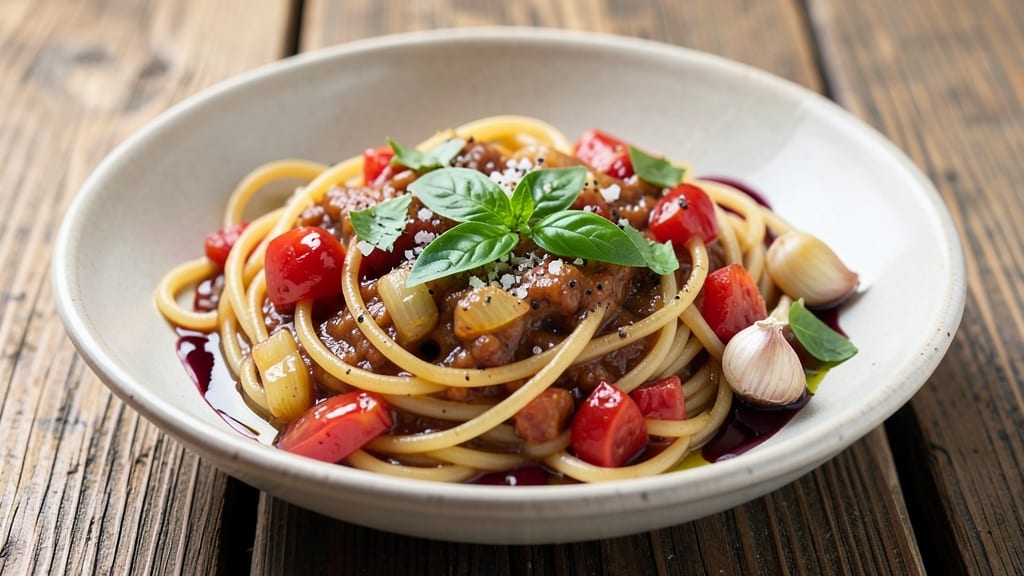
This amazing pasta sauce recipe transforms simple pantry staples into a velvety, aromatic masterpiece that elevates every bowl of pasta. 🌟 The secret lies in slow-simmering tomatoes until they break down into a rich, concentrated base—no blender required.
I developed this sauce after years of testing, and it’s the one my family begs me to make every time we have pasta night.
What sets this sauce apart is the balance of deep, caramelized tomato flavor with bright fresh herbs that cut through the richness. A splash of red wine deglazes the pan, adding complexity without overpowering, while garlic and onions build a savory foundation.
The result? A sauce that’s silky, slightly tangy, and packed with layers of flavor that cling perfectly to every strand of pasta.
The best part? This sauce gets better as it sits—allowing the flavors to meld and deepen over time. It’s versatile enough for spaghetti, fettuccine, or even as a marinara for meatballs, but it’s the technique that makes it truly amazing.
No heavy cream or processed ingredients here—just real, fresh flavors that come together with minimal effort.
Ready in about 45 minutes, this sauce requires just a few simple ingredients and one pot. The slow simmering process develops rich, umami depth while keeping the sauce light enough to toss with pasta. Once you taste the difference between this homemade version and store-bought, you’ll never go back.
Ingredients for amazing pasta sauce
Simple pantry staples that transform into restaurant-quality pasta sauce magic.
| Ingredient | Amount | Notes |
|---|---|---|
| Canned San Marzano Tomatoes 🍅 | 28 oz | Crushed by hand, seeds removed |
| Extra-Virgin Olive Oil 🫒 | ½ cup | High quality, fruity variety |
| Yellow Onion 🧅 | 1 whole | Diced small, about 1 cup |
| Garlic Cloves 🧄 | 4 cloves | Minced finely, about 1 tbsp |
| Dry Red Wine 🍷 | ¼ cup | Bold variety like Cabernet |
| Fresh Basil Leaves 🌿 | ½ cup | Packed, stems removed |
| Fresh Parsley Leaves 🌿 | ¼ cup | Chopped fine, for brightness |
| Tomato Paste 🍅 | 2 tbsp | Squeeze tube preferred |
| Kosher Salt 🧂 | 1 ½ tsp | Diamond Crystal preferred |
| Black Peppercorns 🌶️ | ½ tsp | Freshly cracked |
The tomatoes make or break this sauce. San Marzano is the gold standard—sweeter, meatier, and less acidic than regular canned tomatoes. If you can't find them, Muir Glen is a solid backup. Look for cans without added salt, and always crush them by hand for better texture. The olive oil? Trader Joe's or Whole Foods carry excellent fruity varieties under $15—worth the splurge. Fresh herbs are non-negotiable here; dried just won't cut it. I grab basil and parsley from the grocery store's produce section, but if they're wilted, skip to a farmers market for better quality (trust me, it shows).
No red wine? Dry white wine or extra chicken broth works in a pinch, but you'll lose some depth. The tomato paste is where the umami magic happens—don't skip it. No fresh basil? Dried oregano at half the amount gets you close, but it won't have that bright freshness. The garlic can be roasted for a sweeter flavor (just wrap whole cloves in foil with the onions and roast at 400°F for 15 minutes). For extra richness, stir in 1 tbsp of nutritional yeast at the end—it adds a cheesy depth without dairy.
This sauce tastes even better the next day as flavors meld. Store in an airtight container in the fridge for up to 5 days, or freeze portions for 3 months. I always make double batches—one for immediate use and one to freeze. When reheating, add a splash of water or pasta water to loosen it up. The sauce thickens as it cools, so don't worry if it looks too thick right after cooking.
Why You'll Love This Recipe
- No-Fuss Pantry Hero: I swear by this sauce because it’s the kind of recipe that lets you open a can and still end up with something restaurant-worthy. The San Marzano tomatoes alone do half the work—sweet, meaty, and no chopping required.
- Wine-Infused Depth: That splash of dry red wine? It’s not just for show—it melts into the sauce and leaves behind layers of earthy, almost smoky richness. Honestly, I’ll take this over any jarred sauce with its sad, vinegary aftertaste.
- Weeknight to Dinner Party: Same sauce, different vibes. Toss it with spaghetti for a 20-minute weeknight meal, or let it simmer longer and serve it over fresh pappardelle when friends come over. The wine and garlic make it feel fancy without the fuss.
- Budget-Friendly Leftovers: A single can of tomatoes and a bottle of wine stretch to feed four, with enough left for lunch the next day. Between us, this is the only sauce I make that actually tastes better reheated—proof that simplicity wins.
Step-by-step instructions for slow-simmered tomato sauce
Here's how to build layers of flavor that make this sauce truly exceptional.
🍳 Step 1: Build the Flavor Base with Olive Oil and Onion
Heat the 0.5 cup extra-virgin olive oil in a large, heavy-bottomed saucepan over medium-low heat. Add the 1 whole yellow onion that's been diced small and cook for 8-10 minutes until completely soft and translucent. I like to stir occasionally to prevent browning—you're building flavor, not frying.
This slow cooking transforms the onion into sweet, caramelized bits that form the foundation of your sauce. You'll know it's ready when the onion releases easily from the pan and loses its raw bite. Don't rush this step—patience here means deeper flavor later.
🍳 Step 2: Add Garlic and Tomato Paste for Depth
Stir in the 4 cloves minced garlic and cook for 30 seconds until fragrant—don't let it brown or it'll turn bitter. Immediately add the 2 tbsp tomato paste and stir vigorously for 1-2 minutes to cook it through completely. This step develops the sauce's rich, concentrated flavor.
Here's the thing—cooking the tomato paste thoroughly removes its raw taste and creates a velvety texture. If you skip this, your sauce will taste pasty rather than smooth. The garlic should disappear completely, leaving only its aromatic essence behind.
🍳 Step 3: Deglaze with Wine and Add Tomatoes
Pour in the 0.25 cup dry red wine and scrape up any browned bits from the bottom of the pan—this is where all the flavor hides. Let the wine simmer for 3-4 minutes until it reduces by half. Then add the 28 oz crushed San Marzano tomatoes (with seeds removed) and stir to combine.
The wine reduction intensifies the sauce's complexity, while the San Marzano tomatoes provide that perfect balance of sweetness and acidity. You'll notice the sauce immediately mellows and deepens in color. This is where the magic really starts happening.
⏰ Step 4: Simmer Slowly for Rich Flavor Development
Bring the sauce to a gentle simmer over low heat and partially cover the pan. Let it cook for 45-60 minutes, stirring occasionally, until it thickens noticeably and the flavors meld together. The sauce should reduce by about one-third—you're concentrating all those beautiful tomato flavors.
This slow simmering is crucial. It allows the natural sugars in the tomatoes to caramelize slightly, creating depth without making the sauce overly sweet. If it reduces too quickly, add 1-2 tablespoons of water to maintain the right consistency. The sauce should coat the back of a spoon but still be pourable.
👨🍳 Step 5: Finish with Fresh Herbs and Seasoning
Remove the pan from heat and stir in the 0.5 cup fresh basil leaves and 0.25 cup fresh parsley leaves. Add the 1.5 tsp kosher salt and 0.5 tsp freshly cracked black peppercorns, then taste and adjust the seasoning if needed. Let the sauce sit off the heat for 5 minutes to allow the herbs to infuse.
The fresh herbs add that bright, vibrant note that makes this sauce truly amazing. I always add them at the end to preserve their delicate flavors. If you're serving this with pasta, toss it in while the sauce is still warm—this ensures the herbs release their aroma and the sauce clings perfectly to each strand.
Pro Tips For Making Amazing Pasta Sauce
- Sweat the Onion First: I used to rush this step, but sweating the onion in olive oil on medium-low for 8-10 minutes—until it’s soft and translucent—builds flavor the sauce can’t develop later. Skip this, and you’ll taste raw onion even after simmering.
- Crush Tomatoes by Hand: Ditch the blender—use your fingers to break up the San Marzano tomatoes right in the pot. This keeps the sauce chunkier and prevents that sad, watery consistency that happens when you over-process. (Yes, it’s messy, but it works.)
- Deglaze with Wine Immediately: As soon as you remove the onion (still in the pot), pour in the red wine and let it reduce by half before adding tomatoes. This step locks in the wine’s depth—wait too long, and you’ll just be boiling off alcohol instead of flavor.
- Simmer Low and Long: After adding the tomatoes, reduce heat to the lowest setting that keeps a gentle bubble. Thirty minutes of steady simmering lets the acid mellow and the flavors meld—rushing this is how you end up with a sauce that tastes like nothing but tomato paste. (Trust me, I’ve been there.)
Storing and reheating this recipe
Fridge Storage Tips
Let your sauce cool completely before transferring to an airtight glass container—I prefer Pyrex with snap-on lids. Store in the fridge at 40°F or below for up to 5 days, though I’ve found the flavor actually improves after 1-2 days as the herbs infuse deeper.
The sauce thickens as it chills, so give it a quick stir and add 1-2 tablespoons of water if it seems too stiff before reheating. 🥫
Freezing for Later
For long-term storage, freeze in quart-sized silicone molds or freezer-safe jars, leaving 1-inch headspace for expansion. Portion into 1-cup servings for easy reheating later. This sauce keeps its quality for 3 months in the freezer—just thaw overnight in the fridge before reheating.
I always label containers with the date to track freshness. ❄️
Reheating Perfectly
Stovetop reheating is my go-to method—simmer the sauce in a saucepan over medium-low heat for 10-15 minutes, stirring occasionally. Add 2-3 tablespoons of water or pasta water if it thickens too much.
For microwave reheating, use 50% power in 1-minute intervals, stirring between each, until warmed through. Never microwave on high or the herbs will turn rubbery. 🔥
Reviving Thickened Sauce
If your sauce seems too thick after storage, don’t panic—just stir in 1-2 tablespoons of warm water, pasta water, or even a splash of red wine (the same you used originally).
Heat gently until smooth. The key is patience: let it simmer uncovered for 2-3 minutes to restore the perfect consistency without breaking the sauce’s delicate balance. 💡
Herb Refresh Trick
After reheating, add 1-2 fresh basil leaves or a pinch of dried oregano to revive the herb notes. The fresh basil adds a bright pop of flavor that makes the sauce taste freshly made.
I also keep a small jar of chopped parsley on hand to sprinkle on top right before serving—it’s the secret to that restaurant-quality finish. 🌿
Make-Ahead Pro Tip
Double the batch and freeze half immediately—this sauce tastes even better the next day! When reheating, add a splash of pasta water (trust me, it’s liquid gold) to loosen the sauce and help it cling better to noodles.
I always make 2-3 servings ahead for busy weeknights—just thaw, reheat, and toss with fresh pasta. Time saved, flavor gained! ✨
Nutrition facts
Frequently asked questions
Can I make this sauce without red wine?
Use 0.25 cup dry white wine or 0.25 cup low-sodium chicken broth instead. The wine adds depth, but these substitutes work well. For extra richness, add 1 teaspoon balsamic vinegar to mimic the acidity and complexity. The sauce will still taste amazing—just slightly less intense.
How do I adjust the thickness for different pasta shapes?
For long pasta like spaghetti or linguine, aim for a slightly thinner consistency—just pourable. For shorter shapes like penne or rigatoni, a thicker sauce works better as it clings to each piece. If needed, thin with 1-2 tablespoons of water or pasta water while reheating. The sauce should coat the back of a spoon but still move easily.
What if my sauce tastes too acidic?
Add a pinch of sugar (1/4 teaspoon) or a small pat of butter to balance the acidity. The natural sweetness of the tomatoes should prevent this, but if your canned tomatoes were particularly tart, this adjustment helps. For future batches, use San Marzano tomatoes which are naturally sweeter and less acidic.
Can I make this sauce in an Instant Pot?
Yes! Sauté the onions, garlic, and tomato paste as directed, then add the wine and tomatoes. Cook on High Pressure for 10 minutes, then quick-release. Finish with fresh herbs. The Instant Pot speeds up the process but may require 1-2 tablespoons of water to reach the right consistency. The flavors develop differently but still come out delicious.
What's the best way to prevent the sauce from sticking to the pan?
Use a heavy-bottomed saucepan and keep the heat at medium-low during simmering. Stir occasionally to prevent sticking, and if needed, add 1 tablespoon of water or olive oil to loosen any bits. A well-seasoned pan helps too—avoid nonstick if possible, as it can affect flavor development.