
Sauces & Condiments
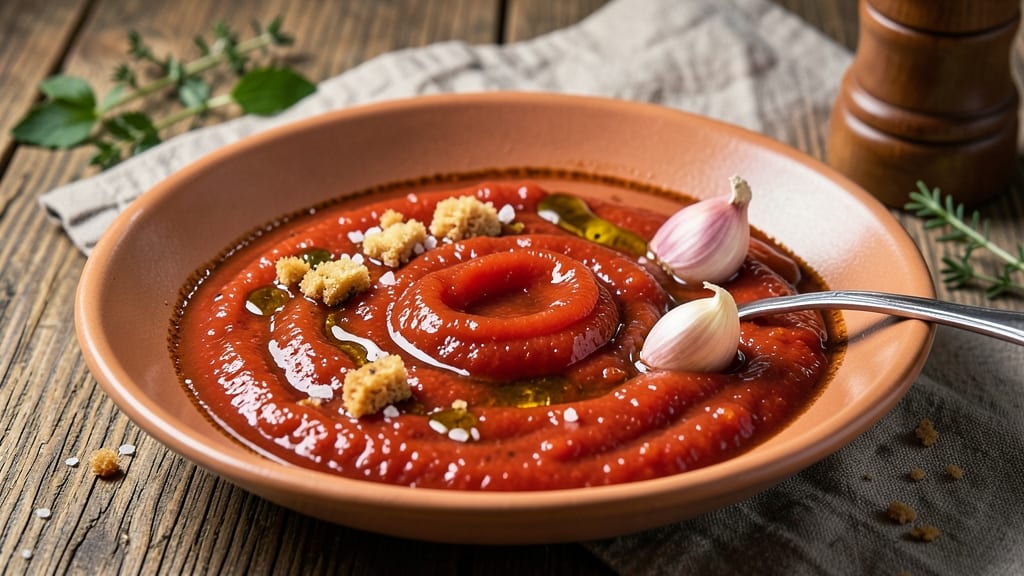
This Australian tomato sauce recipe transforms humble ingredients into a bold, smoky-sweet condiment that elevates everything from roasted meats to pasta. The secret lies in balancing vinegar’s tang with caramelized tomatoes and warm spices, creating a sauce that’s rich yet light—perfect for drizzling or simmering.
I developed this version after years of tasting how Aussie kitchens use vinegar to cut through richness without overpowering the dish.
The process is straightforward but requires patience: tomatoes simmer until deeply concentrated, while vinegar and sugar meld into a harmonious depth. Unlike heavy Italian sauces, this version stays bright and versatile, working as a marinade, sandwich spread, or finishing touch.
The result is a sauce that’s restaurant-quality but simple enough for weeknight cooking—no fancy techniques required.
What you’ll end up with is a glossy, vinegar-kissed sauce with just the right balance of sweetness and acidity, ready to transform simple meals into something special. It pairs beautifully with grilled lamb, roasted vegetables, or even as a tangy addition to mashed potatoes.
The best part? It keeps well in the fridge for up to a week, so you can make a batch and use it all month.
This isn’t just another tomato sauce—it’s a flavor multiplier that turns ordinary dishes into standout meals. Whether you’re cooking for a crowd or just want to add depth to a weeknight dinner, this recipe delivers. Let’s get started!
Ingredients for australian tomato sauce
Nine simple ingredients create this bold, vinegar-kissed Aussie sauce that transforms ordinary meals into restaurant-quality dishes.
| Ingredient | Amount | Notes |
|---|---|---|
| San Marzano Tomato Paste 🍅 | ½ cup | High-quality, no added salt |
| White Wine Vinegar 🍷 | ½ cup | Dry variety preferred |
| Granulated Sugar 🍚 | ¼ cup | White or brown sugar |
| Smoked Paprika 🌶️ | 1 tbsp | For authentic Aussie smokiness |
| Ground Cumin 🌿 | ½ tsp | Toasted for deeper flavor |
| Fresh Garlic Cloves 🧄 | 4 cloves | Minced for aromatic base |
| Extra-Virgin Olive Oil 🫒 | ¼ cup | For richness and balance |
| Fresh Basil Leaves 🌿 | ¼ cup | Chopped, for fresh finish |
| Sea Salt 🧂 | 1 tsp | Diamond Crystal preferred |
| Black Peppercorns 🌶️ | ½ tsp | Freshly cracked |
The San Marzano tomatoes are non-negotiable here—their sweetness and depth are what make this sauce sing. Trader Joe's or Whole Foods carry the best quality in cans, but any reputable brand works. The white wine vinegar should be dry (no sweet varieties)—Bragg or Annie's are solid choices. Smoked paprika is key for that authentic Aussie touch; Penzeys or local spice shops often carry the best varieties. Fresh garlic and basil? Always better than dried—farmers markets have the freshest, but grocery store basil works if it's bright green and crisp. Toast your cumin seeds in a dry pan for 30 seconds before grinding to deepen their flavor—worth the extra minute.
No San Marzano tomatoes? Crushed tomatoes in a pinch—just strain out the seeds first. Short on vinegar? Apple cider vinegar works too, though it'll have a slightly different profile. The sugar can be swapped for maple syrup or honey if you prefer, but white sugar gives the cleanest balance. Fresh basil wilting? Dried oregano at half the amount gets you close. For the olive oil, any good extra-virgin will do—just avoid the cheap stuff that tastes like soap. The sauce thickens as it cools, so if it's too thin when hot, simmer uncovered for 5 more minutes.
This sauce keeps beautifully for up to 1 week in the fridge, with flavors actually improving over time. For longer storage, freeze in ice cube trays or small jars—perfect for single-use portions. The vinegar helps preserve it naturally, so you won't need to worry about mold. I always make a double batch—one for immediate use, one to freeze. It reheats perfectly in the microwave or on the stovetop, though I prefer the latter for that glossy finish. Pairs brilliantly with grilled meats, roasted veggies, or even as a tangy addition to mashed potatoes.
Why You'll Love This Recipe
- Pantry Magic: This sauce comes together with stuff you already have—no fancy shopping required. I’ll be real: the smoked paprika and cumin give it that deep, smoky warmth that’s chef’s kiss, and the vinegar cuts through the richness like a breeze.
- Sweet-Smoky Balance: That sugar isn’t just for sweetness—it rounds out the acidity from the vinegar, while the San Marzano paste keeps it rich and velvety. Honestly, it’s the kind of flavor that makes you pause mid-bite, like, “Wait, why is this so good?”
- Weeknight Workhorse: Slather it on toast for breakfast, toss it with roasted veggies for dinner, or drizzle it over grilled meats—this stuff does it all. I’ve used it as a marinade, a quick pasta sauce, even a glaze for roasted potatoes. (Yes, even on a Tuesday night.)
- Makes Leftovers Worth It: A single batch stretches across three meals without tasting tired. Store it in the fridge for up to two weeks, or freeze it in ice cube trays for portion control. Between us, I’ve reheated this sauce so many times, I’ve lost count—but it never lets me down.
Step-by-step instructions for smoky vinegar-kissed tomato sauce
This sauce delivers bold Australian-inspired flavor with just a few simple steps and ingredients you already have.
Bloom the Spices in Olive Oil
Heat the 0.25 cup extra-virgin olive oil in a medium saucepan over medium-low heat. Add the 1 tablespoon smoked paprika and 0.5 teaspoon ground cumin, stirring constantly for 30 seconds until fragrant. The spices should release their aroma without burning—you'll notice the kitchen filling with a warm, earthy scent. This step builds the sauce's signature smoky depth.
Next, add the 4 minced fresh garlic cloves and cook for another 30 seconds until just golden. Watch carefully—garlic burns quickly, and you want to preserve its sweet, mellow flavor rather than bitter char. Remove from heat immediately after the garlic turns golden to prevent overcooking.
Combine Wet Ingredients and Simmer
Return the pan to medium heat and add the 0.5 cup white wine vinegar and 0.25 cup granulated sugar. Stir well to dissolve the sugar completely, then pour in the 0.5 cup San Marzano tomato paste. The mixture will thicken slightly as it heats, creating a rich, glossy base.
Bring everything to a gentle simmer and cook for 5 minutes, stirring occasionally. You're looking for the sauce to thicken just enough to coat the back of a spoon. If it reduces too quickly, add 1-2 tablespoons water to maintain consistency. This stage develops the sauce's balanced tanginess and sweetness.
Season and Finish with Fresh Basil
Reduce heat to low and stir in the 1 teaspoon sea salt and 0.5 teaspoon freshly cracked black peppercorns. Taste and adjust seasoning—you want a perfect harmony of smoky, tangy, and slightly sweet flavors. The sauce should taste vibrant and well-rounded, not flat or one-dimensional.
Remove from heat and stir in the 0.25 cup chopped fresh basil leaves. The basil adds a bright, herbal finish that cuts through the richness. Let the sauce sit for 5 minutes off the heat to allow all the flavors to meld together. The final texture should be smooth with just enough body to cling beautifully to pasta or roasted meats.
Serve Immediately or Store Properly
For immediate use, serve the sauce warm over your favorite pasta, drizzled generously over grilled meats, or spooned alongside roasted vegetables. The sauce's versatility makes it perfect for any dish that needs that extra layer of smoky complexity.
For storage, transfer to an airtight container and refrigerate for up to 5 days. The flavors actually improve overnight as they continue to meld. When reheating, warm gently over low heat with a splash of water if needed to restore the perfect consistency. This sauce keeps beautifully, making it ideal for meal prep or gifting to fellow food lovers.
Pro Tips For Making Australian Tomato Sauce
- STIR CONSTANTLY AT FIRST: The first 3 minutes after adding the tomato paste to the pan are when it burns faster than you think. I learned this the hard way—once I walked away for "just a sec" and came back to a bitter, charred mess. Keep that heat medium-high and move that spoon like you’re stirring paint.
- DILUTE THE VINEGAR: White wine vinegar is strong stuff, and dumping it in undiluted can make your sauce taste harsh. Mix it with a splash of water (about 1:1) first—this also helps it distribute evenly without clumping. Trust me, your taste buds will notice the difference.
- TOAST THE SPICES: Smoked paprika and ground cumin lose their depth if you just toss them in dry. Heat them in the same pan for 30 seconds before adding the paste—this wakes up their flavors and cuts through the sweetness. (Yes, even if you’re impatient like me.)
- SWEETEN GRADUALLY: That sugar isn’t just for balance—it’s the glue holding the sauce together. Add half the amount first, taste, then adjust. If it’s still cloying, a pinch of salt or a splash of vinegar later will fix it. I used to dump it all in and wonder why the sauce tasted flat.
Regional styles of these flavors
Classic Aussie BBQ Sauce Twist
This sauce is inspired by the tangy, smoky flavors of HP sauce—Australia’s iconic condiment—but with a homemade twist. The key is balancing white wine vinegar with smoked paprika and cumin for that unmistakable Aussie BBQ vibe.
I often use this as a marinade for grilled lamb chops or as a glaze for roasted potatoes—it’s like a cross between a marinade and a finishing sauce. 🌶️
New Zealand Kiwi Style
Across the Tasman Sea, New Zealanders add a touch of honey or maple syrup to their tomato-based sauces for extra depth. Swap the granulated sugar for 2 tablespoons of honey and reduce the vinegar slightly to 0.4 cup for a smoother, slightly sweeter profile.
This version pairs beautifully with grilled sausages or roasted kumara (sweet potato). The honey adds a floral note that complements the smokiness perfectly.
Outback Bushfire Flavor
For a truly rustic take, add 1 teaspoon of crushed dried rosemary and ½ teaspoon of coriander seeds (toasted and ground) to the spice blend. This mimics the earthy, wood-fired flavors of the Australian outback.
Use this version as a dipping sauce for meat pies or drizzled over slow-cooked beef brisket. The rosemary adds a piney aroma that’s reminiscent of campfire cooking. 🔥
Vegetarian-Friendly Adaptation
Skip the meaty notes entirely by adding 1 tablespoon of soy sauce and ½ teaspoon of miso paste to the simmering sauce. This gives it an umami depth that vegetarians will love.
It’s fantastic as a pasta sauce or a dipping sauce for falafel. The vinegar and smoked paprika still shine, but the soy adds a savory richness that balances the acidity beautifully.
Spicy Bush Tucker Kick
For those who love heat, stir in ½ teaspoon of bush chili flakes (or 1 teaspoon of cayenne) during the final simmer. This adds a fiery kick inspired by Australia’s native spices.
I like to use this version on grilled prawns or as a wraps sauce with avocado and coriander. The heat cuts through the richness of the sauce, making it even more dynamic. 🌶️🔥
Winter Comfort Version
Warm up your winter meals by adding 1 cinnamon stick and 2 star anise pods while simmering the sauce. Remove them before serving, but their aromatic notes infuse the sauce with cozy, spiced warmth.
This version is perfect for slow-cooked beef stews or as a glaze for roasted root vegetables. The cinnamon and star anise add a subtle sweetness that pairs wonderfully with the vinegar’s tang.
Nutrition facts
Frequently asked questions
Can I substitute tomato paste with crushed tomatoes?
Yes, but you'll need to adjust the cooking time. Use 1 cup crushed tomatoes (with seeds removed) instead of 0.5 cup tomato paste, and simmer for 10-15 minutes longer to concentrate the flavors. The sauce will be slightly thinner, so reduce it further by simmering uncovered. This works well if you want a chunkier texture, but the paste gives a deeper, more intense flavor.
How can I make this sauce thicker or thinner?
For a thicker sauce, simmer uncovered for 5-10 extra minutes to evaporate moisture. If it gets too thick, add 1 tablespoon water or vinegar at a time while stirring. For a thinner sauce, simply add 1-2 tablespoons water or broth during simmering. The sauce will thicken slightly as it cools, so adjust while it's still hot.
What's the best way to store and reheat this sauce?
Store in an airtight container in the fridge for up to 5 days. For longer storage, freeze in ice cube trays or small jars for up to 3 months. To reheat, warm gently on the stovetop over low heat and add a splash of water or vinegar if needed to restore consistency. Microwaving works too, but it may thin the sauce slightly.
Can I use this sauce as a marinade?
This sauce makes an excellent marinade for grilled meats like chicken, lamb, or beef. Use it full-strength for 2-4 hours or overnight for deeper flavor penetration. For fish, reduce the vinegar slightly (to 0.3 cup) to prevent overpowering delicate flavors. Always reserve some marinade to use as a finishing sauce after cooking.
Why does my sauce taste too vinegary?
This usually happens if you didn't simmer the sauce long enough to balance the flavors. Add 1-2 teaspoons sugar or 1 tablespoon tomato paste and simmer for another 2-3 minutes to mellow the acidity. For a more dramatic fix, stir in 1 teaspoon honey or maple syrup to round out the flavors. Taste as you go—you're aiming for a bright tang, not a sharp vinegar bite.